Modern JDM performance cars are in a strange sweet spot right now: still new enough to daily, but already building the kind of cult status that turns classifieds into auction catalogs. If you are playing the long game with the 25 Year Import Rule in mind, the smart move is to look at what is heating up in Japan today and lining up to be tomorrow’s “should have bought it earlier” story.
I want to focus on a handful of modern Japanese performance models that already have serious credibility at home, are starting to show up on “best to import” lists, and are positioned to become the next wave of must‑have JDM metal once the calendar catches up.
Turbo legends and rally refugees lining up for the 25‑year rule
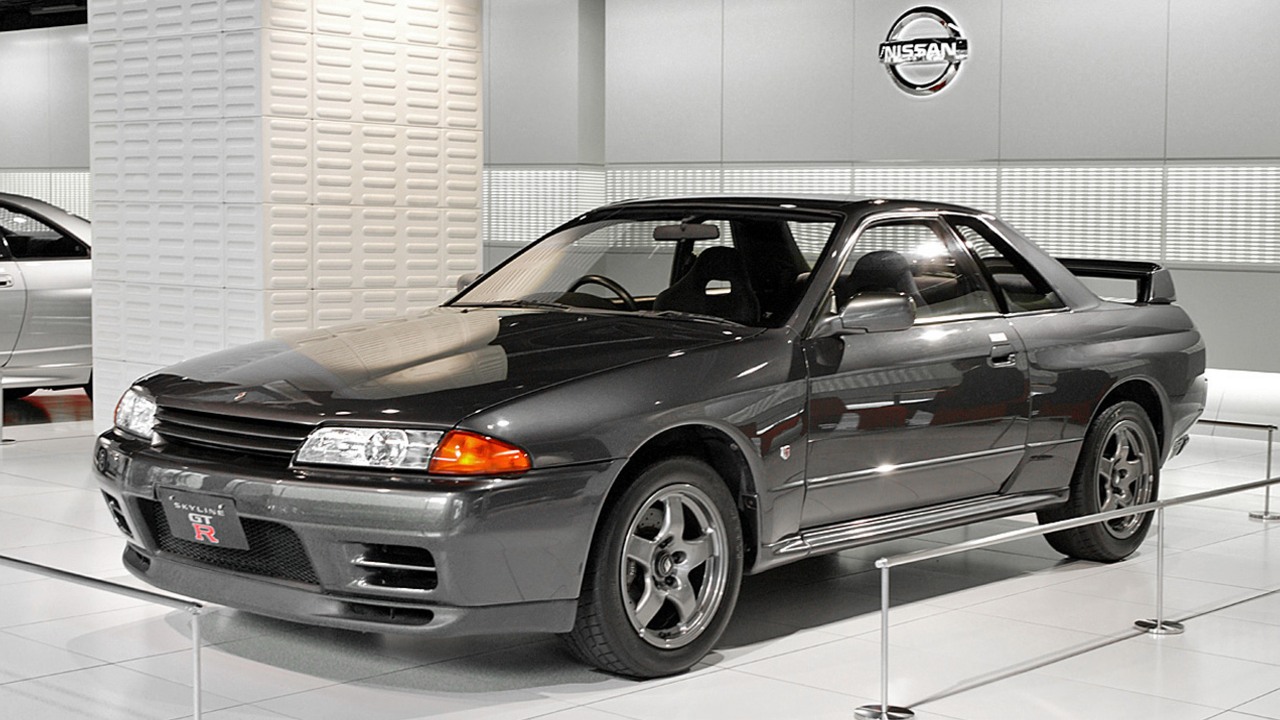
When people talk about future JDM imports, the conversation still orbits the Nissan Skyline GT‑R, and for good reason. The R32, R33, and R34 generations sit at the top of almost every enthusiast wishlist, and they are already treated as Performance Icons in current import guides. Detailed buyer lists for 1990s cars put the Nissan Skyline GT‑R R32 right at the front of the queue, which tells me that later Japanese performance models with similar motorsport pedigree are likely to follow the same trajectory once they age into eligibility.
The 25 Year Import Rule is the quiet force shaping all of this. As specialist guides to Cool Japanese Cars Turning 25 point out, once a Japanese performance car hits that threshold it can be brought into the United States as a classic, which instantly changes its market. That same guidance notes that 2026 is when 2001‑build Japanese vehicles begin qualifying, and month‑by‑month breakdowns of JDM Cars Turning 25 show just how many early‑2000s performance models are about to cross the line.
Modern hot hatches and Type R heroes with future‑classic energy

If the 1990s belonged to turbo coupes, the 2020s are being defined by hyper‑focused hot hatches, and I do not see that appeal fading once they become legal imports. The Toyota GR Yaris is the clearest example. Current buyer guides already single it out as a rally‑bred star among the best JDM cars to bring into markets like the United Kingdom, and that is while it is still relatively new. A compact, all‑wheel‑drive hatch that exists mainly to satisfy motorsport rules is exactly the sort of car that ages into cult status, and the fact that it is already being recommended as a top pick for import tells me demand will only harden as supply tightens.
he same logic applies to the Honda Civic Type R and Honda Integra Type R, which are already being treated as future‑proof buys. Coverage of the Honda Civic Type R EP3 and the DC5 Honda Integra Type R already frames them as beloved by enthusiasts and among the best front‑wheel‑drive performance cars of their era. As 2001‑build Japanese cars start to qualify under the 25‑year rule, those early 2000s Type R models will move from “dream car on a forum” to “realistic import project,” and I expect values to follow the same curve we have already seen with earlier Integra and Civic Type R variants that became legal a few years ago.
Why modern JDM performance cars are more than nostalgia plays
What separates the current crop of Japanese performance cars from pure nostalgia pieces is that they still work brilliantly as actual transport. Guides aimed at long‑distance driving point out that modern JDM models combine comfort, reliability, and performance in a way that makes them ideal for road trips, not just weekend blasts. That usability matters if you are planning to import a car later and actually drive it, rather than park it under a cover. At the same time, those same road‑trip‑friendly guides highlight “The Collector and Resale Angle What” makes these cars appealing, stressing that while you enjoy them, they are also quietly working as investments.
There is also a cultural layer that is easy to underestimate when you are just looking at spec sheets. Explanations of what JDM actually means emphasize that these Japanese Domestic Market cars are celebrated for their unique features, high performance, and cultural significance, and that, Whether you are a seasoned enthusiast or just getting into it, the appeal is as much about the story as the numbers. That is why lists of the Top Iconic JDM Cars You Can Import still lean heavily on the Nissan Skyline GT and its History and Specifications, even as newer models start to crowd the scene. The throughline is simple: if a car captures the spirit of the Japanese performance scene in its era, and it is already being flagged in import and collector guides today, it is worth putting on your “import later” list before the rest of the world catches up.