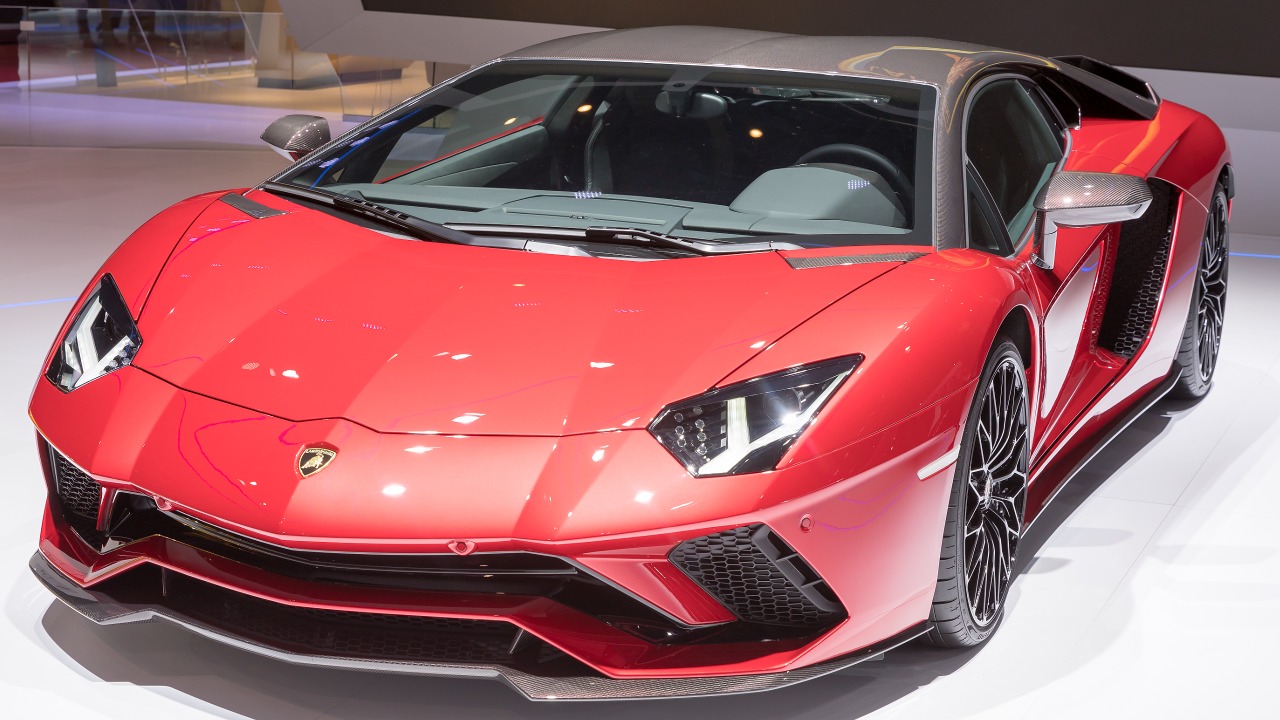
The Lamborghini Aventador arrived as a throwback even on the day it launched, a defiantly old-school supercar built around a naturally aspirated V12 at a time when turbos and downsizing were already taking over. Now that its production run has wrapped, it looks less like a product cycle and more like a closing chapter for a certain kind of excess. If the Aventador is remembered as Lamborghini’s last truly unfiltered V12, it is because the car marked the end of an era that even Sant’Agata admits is not coming back in the same form.
When I look at the Aventador story from the first car to the final Lamborghini Aventador LP 780-4 Ultimae, what jumps out is not just the performance curve but the philosophical line it draws. The Ultimae was framed as the “final, purest, timeless naturally-aspirated production V12 Lamborghini,” and that is not the kind of language a brand uses lightly. It is Lamborghini telling us that the next chapter will still have twelve cylinders, but the experience that made the Aventador feel so outrageous is now officially history.
The Aventador’s V12, turned up to 780, as a farewell statement
By the time Lamborghini signed off the Aventador, the company did not quietly shuffle it out of the catalog, it built a rolling tribute to its own combustion history. The Aventador LP 780-4 Ultimae took the familiar 6.5-liter V12 and wound it up to 780 horsepower, a number that was not just about bragging rights but about squeezing every last drop of drama out of a layout that was about to be retired in pure form. The engine sat Longitudinale Posteriore, high-revving and naturally aspirated, and Automobili Lamborghini was explicit that this was the definitive Aventador concluding an extraordinary era.
That farewell was not just mechanical, it was carefully curated. The Aventador LP 780-4 Ultimae was limited to 350 coupés and 250 roadsters, and Lamborghini made it clear that this was the final production run of the car’s now-iconic V12 internal combustion engine, the last of its kind before electrification stepped in. The twelve-cylinder, 6.5-liter unit delivered 780 CV at 8,500 rpm, with power sent through a seven-speed Independent Shifting Rod transmission that could swap gears in as little as 50 milliseconds, and the numbers backed up the drama: 0 to 62 mph in 2.8 seconds, 0 to 124 mph in 8.7 seconds, and a top speed of 220 mph, all wrapped in a package the company itself described as the final, purest naturally aspirated V12 it would build.
From 350 GT to Ultimae, the bookends of Lamborghini’s V12 story
To understand why the Aventador feels like a last stand, I find it useful to look back to where Lamborghini started. The original 350 GT carried the first production V12 from Sant’Agata, a front-engined grand tourer that set the template for the brand’s obsession with twelve cylinders. Decades later, enthusiasts have lined up the 350 GT with the Aventador Ultimae and called them the very first and last Lamborghinis to be powered by a V12 engine in pure internal combustion form, a neat symmetry that underlines how long this layout has defined the company’s identity.
That historical arc is part romance and part reality check. When owners and testers climb out of a 350 GT and then an Aventador Ultimae, they talk about how the V12 has gone from a relatively modest, elegant powerplant to a wild, high-strung centerpiece that dominates the entire experience. The Aventador’s V12 has been described as perhaps the greatest engine Lamborghini produced, and pairing that reputation with a final edition that is explicitly marketed as a send-off only makes the nostalgia stronger. The idea that the first and last pure V12 Lamborghinis can be parked side by side turns the Ultimae into a rolling museum piece as much as a supercar.
Why regulations and electrification boxed in the pure V12
As romantic as the V12 story is, the reason the Aventador had to be the last of its kind is brutally practical. Stricter environmental regulations are steadily pushing the industry away from pure combustion engines, with policymakers setting targets that aim to make transport greenhouse gas neutral by 2050 and phasing out traditional powertrains along the way. Firstly, tougher emissions rules and looming bans on new combustion-engined vehicles in key markets have made it almost impossible for a naturally aspirated 6.5-liter V12 to survive without some form of electrified assistance.
Supercar makers are not exempt from that pressure. Reports on the Aventador’s successor made it clear that increasingly stringent emissions regulations ahead of the European Union’s planned combustion-engined vehicle ban would make the Aventador the last series-production Lamborghini with a V12 engine that is not part of a hybrid system. Lamborghini itself has acknowledged that as the brand moves to electrification, it has decided to kill off the standalone V12 and end its production in favor of hybridized setups. The Aventador Ultimae, in that context, becomes less a marketing flourish and more a regulatory deadline on wheels.
The Revuelto and the hybrid future that follows the Aventador
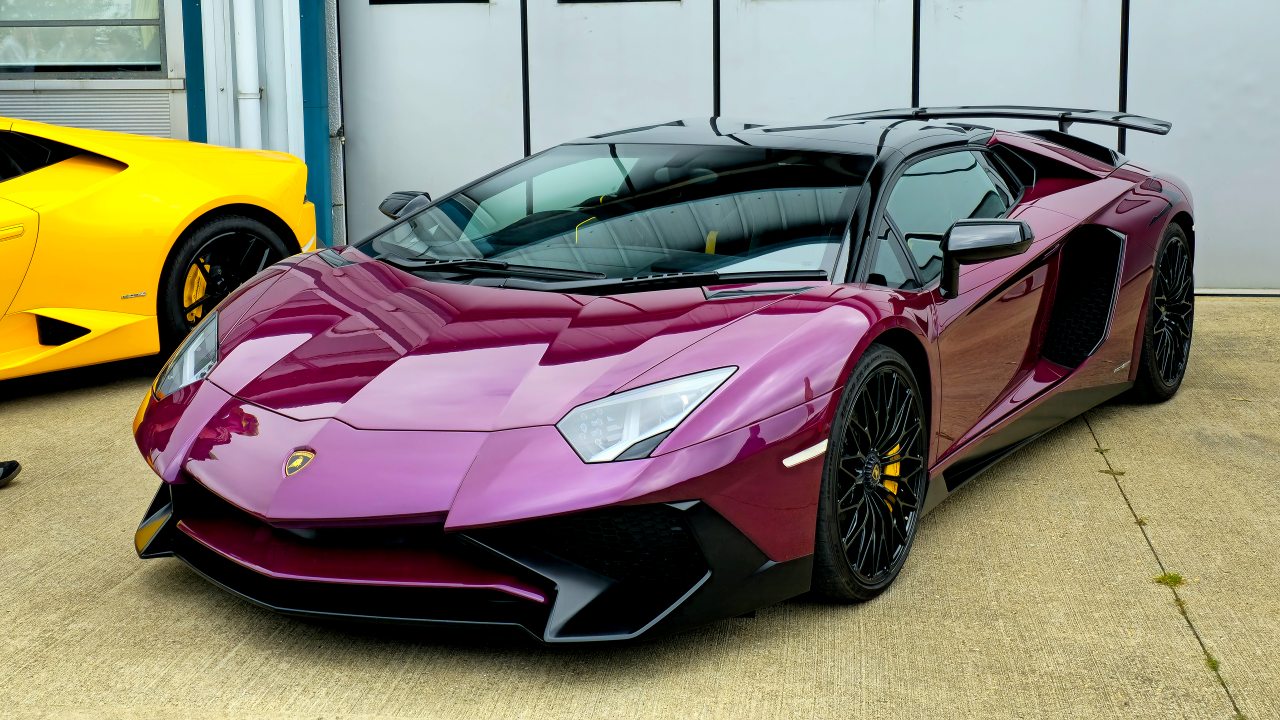
When Lamborghini pulled the wraps off the Aventador’s successor, it did not walk back the V12, it reimagined it. The Lamborghini Revuelto arrived as a mid-engine plug-in hybrid sports car, explicitly positioned as a successor to the Aventador and built around a new V12 that works in tandem with an electric system. The Revuelto keeps the cylinder count and the mid-engine layout, but the character is different, with the hybrid powertrain delivering a combined output that pushes into four-figure territory and a driving experience shaped as much by electric torque as by combustion theatrics.
That shift is not a surprise if you have been listening to Lamborghini’s leadership. Executives have been open that the addition of a hybrid system would be the way to make the fastest Lamborghini to date while still meeting emissions rules, and that turbos were less appealing because they act like a damper on sound, filtering the noise and making it less natural. The hybrid route lets Lamborghini keep a screaming V12 at the center of the car while using electric motors to handle efficiency and low-speed duties, but it also means the raw, unassisted character that defined the Aventador’s engine is now officially a thing of the past.
Why the Aventador feels like the last “great” V12, not just the last pure one
Plenty of brands will keep building powerful engines, and Lamborghini itself is not abandoning twelve cylinders, so calling the Aventador the last great V12 is about more than cylinder count. For me, it comes down to how unapologetically single-minded the car was. The Aventador was built around its V12 in a way that modern hybrids cannot quite replicate, with the engine’s sound, response, and even its inefficiencies treated as part of the appeal rather than problems to be engineered out. When the company describes The Aventador Ultimae as the final, purest, timeless naturally aspirated production V12 Lamborghini, it is essentially admitting that future cars will be more complex, more capable, and less willing to indulge in that kind of mechanical excess.
There is also the way the Ultimae program was structured. All units of The Aventador Ultimae were sold, and production was set to end with this run, which Lamborghini framed as a grand finale for the model line. The Grand Finale language around the 2022 Lamborghini Aventador Ultimae All but spells out that one era ends as another begins, and that the car is meant to be remembered as a closing chapter. When you combine that with outside observers calling the Aventador’s V12 perhaps the greatest engine Lamborghini produced, and enthusiasts lining it up with the 350 GT as the bookend to a pure-combustion story, it becomes hard to argue that any future, more complicated powertrain will carry quite the same myth.
Even the way the Ultimae was positioned inside the Aventador family reinforces that feeling. The Aventador LP 780-4 Ultimae was not just another variant, it was the final evolution of a platform that had already spawned the S and SVJ, with the 780 figure giving it 40 more horsepower than the Aventador S and 10 more than the SVJ. That incremental climb to a final peak, capped by a limited run of 350 coupés and 250 roadsters and framed by Automobili Lamborghini as the last of its kind, turns the Aventador into a narrative arc rather than a product line. The Revuelto and whatever comes after it will almost certainly be quicker and more efficient, but the Aventador’s job was different: it was built to be the last time Lamborghini could let a naturally aspirated V12 run wild without apology, and that is why it may stand as the brand’s last truly great twelve-cylinder icon.