
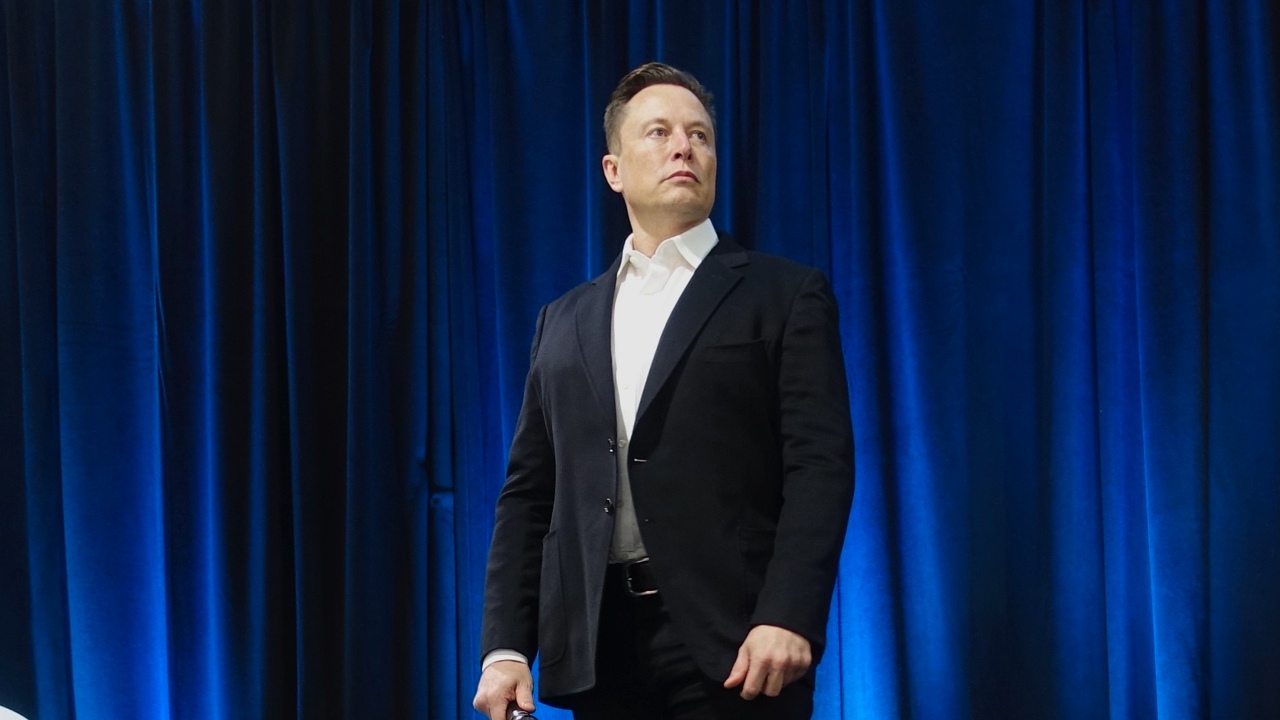
Elon Musk is testing the limits of corporate structure as much as rocket engines and neural networks. Talks are underway about a sweeping combination of his space, artificial intelligence, and electric vehicle interests into a single technology group that could be valued in the trillions. If it proceeds, the move would reshape how capital, talent, and regulation converge around rockets, AI models, and mass‑market EVs.
At stake is whether Musk can turn a loose constellation of companies into a tightly integrated platform that connects launch pads, data centers, and factory floors. The prospect has already stirred markets and raised questions from regulators and investors about governance, competition, and the risks of concentrating so much strategic infrastructure under one executive.
The mega‑merger Musk is weighing
The core idea under discussion is a merger that would pull together SpaceX, Tesla, and xAI into a single corporate structure, creating what some analysts already describe as a trillion‑dollar technology group. Reporting indicates that SpaceX is evaluating strategic options that include a combination with Tesla or xAI, or potentially both, as part of a broader effort to create a more unified technology platform spanning rockets, AI systems, and electric vehicles. The talks are described as exploratory, and people familiar with the matter have cautioned that there is no guarantee any transaction will proceed, but the direction of travel is clear: Musk is actively considering whether his flagship companies are more powerful together than apart.
Within those discussions, SpaceX appears to be the pivot. The rocket company is said to be weighing a merger with Tesla or a tie‑up with xAI, and some reports describe scenarios in which xAI could be folded into SpaceX ahead of a public listing. One account notes that any deal could create a combined entity with an implied value of about 1.65 trillion dollars, underscoring how much investor capital is already riding on Musk’s ecosystem. Another describes how the conversations have already moved markets, with Tesla’s stock jumping on reports of potential SpaceX and xAI merger talks, as traders tried to price in the value of closer integration between the carmaker and Musk’s AI venture.
How rockets, AI, and EVs could fit together
Strategically, the logic for a combined group rests on the idea that rockets, AI, and EVs are no longer separate industries but different faces of the same computational and manufacturing stack. SpaceX operates some of the world’s most advanced reusable launch systems and satellite constellations, which generate enormous volumes of telemetry and communications data. Tesla builds connected vehicles like the Model 3 and Model Y that rely on large‑scale neural networks for driver assistance and, in Musk’s vision, future autonomy. xAI is being developed to train and deploy frontier models that could power both in‑car intelligence and mission‑critical systems in space. A single corporate structure could, in theory, align product roadmaps so that satellite networks, onboard vehicle computers, and AI training clusters evolve as one system rather than three separate projects.
There is also a financial and operational rationale. SpaceX has been preparing for a potential initial public offering of its satellite business, and a merger could change how and when that listing happens, potentially giving public investors exposure to a broader Musk technology platform instead of a single line of business. Reports that SpaceX is exploring a merger with xAI and Tesla ahead of an anticipated IPO suggest that executives are weighing whether a combined balance sheet and shared R&D pipeline would command a higher valuation and lower cost of capital. For Tesla, closer ties to SpaceX and xAI could accelerate work on AI‑driven features and robotics, while giving the carmaker access to additional data and compute resources that might be harder to justify on its own.
Signals from Musk and the market
Although the companies have not issued a detailed public blueprint, Musk himself has added fuel to the speculation. After reports surfaced that SpaceX was considering a transaction with xAI, he appeared to offer an implicit confirmation that such a combination was on the table, even as he stressed that nothing was guaranteed. Coverage of the rumored SpaceX‑xAI merger notes that his comments followed earlier accounts of the rocket maker weighing a deal that would further consolidate his space and AI ventures under one roof. That pattern fits a familiar Musk playbook, in which he floats ambitious structural ideas in public, gauges reaction, and then refines the plan in private negotiations.
Investors have responded quickly to even preliminary hints. One report describes how Tesla Shares Spike on the back of Reported SpaceX‑xAI Merger Talks, with Shares of Tesla on NASDAQ rallying as traders bet that a tighter link between the automaker and Musk’s AI startup would enhance Tesla’s positioning in autonomous driving and software. Another account notes that any transaction could attract sizeable regulatory scrutiny, yet the market reaction suggests that, at least in the short term, shareholders are inclined to reward the prospect of a more integrated Musk technology empire. The enthusiasm reflects a belief that cross‑company synergies, from shared AI models to vertically integrated manufacturing, could unlock earnings that are difficult to achieve while the businesses remain siloed.
Regulatory and governance fault lines
The same features that excite investors are likely to draw close attention from regulators and governance advocates. A combined group spanning launch services, satellite communications, AI research, and mass‑market EVs would sit at the intersection of transportation, defense‑adjacent space infrastructure, and digital platforms. Reporting on SpaceX’s strategic review notes that any merger could attract sizeable scrutiny, particularly given the scale of the businesses involved and their importance to critical infrastructure. Competition authorities would be forced to consider whether a single Musk‑controlled entity could disadvantage rivals in areas like autonomous driving, satellite internet, or AI compute by bundling services or prioritizing internal customers.
Corporate governance questions are equally sharp. Musk already holds influential roles across his companies, and a mega‑merger would formalize that concentration of power. Some accounts point out that SpaceX is Said to Consider Merger With Tesla or xAI at a time when investors are already debating how to balance Musk’s vision with the need for independent oversight. A combined entity would need to reconcile different shareholder bases, capital structures, and regulatory regimes, from private space contracts to public market disclosure rules. The fact that SpaceX is exploring options ahead of a potential IPO adds another layer, since public investors would have to evaluate not only rocket economics but also the risks of tying their capital to a sprawling, multi‑sector conglomerate.
What comes next for Musk’s tech constellation
For now, the merger remains a possibility rather than a signed deal, and several reports stress that the talks are preliminary and could still fall apart. One account of SpaceX exploring a potential merger with xAI and Tesla notes that the company is reviewing a range of strategic options, not a single predetermined path. Another, by Mark Sweney, describes how SpaceX is reportedly considering a potential merger with the electric carmaker Tesla or a tie‑up with xAI, while also highlighting the almost theatrical way Musk has historically timed major announcements, including references to planetary alignment and his birthday at 03.38 EST. Those details underline that, around Musk, corporate strategy and personal narrative often intertwine.
Even if no formal mega‑merger materializes, the direction of the discussions is instructive. The fact that SpaceX, Tesla, and xAI are being evaluated as pieces of a single strategic puzzle shows how Musk and his advisers view the future of advanced technology: as an interconnected web of rockets, AI models, and electric platforms rather than isolated sectors. Markets have already begun to price in that possibility, regulators are preparing for the implications, and employees across the companies are watching to see whether their next projects will be built inside a unified Musk technology group or continue to operate as separate, if closely aligned, entities. What is clear from the reporting is that Musk is no longer content to simply run multiple frontier companies in parallel; he is actively exploring whether to fuse them into one of the most powerful technology conglomerates in modern corporate history.
More from Fast Lane Only



Leave a Reply