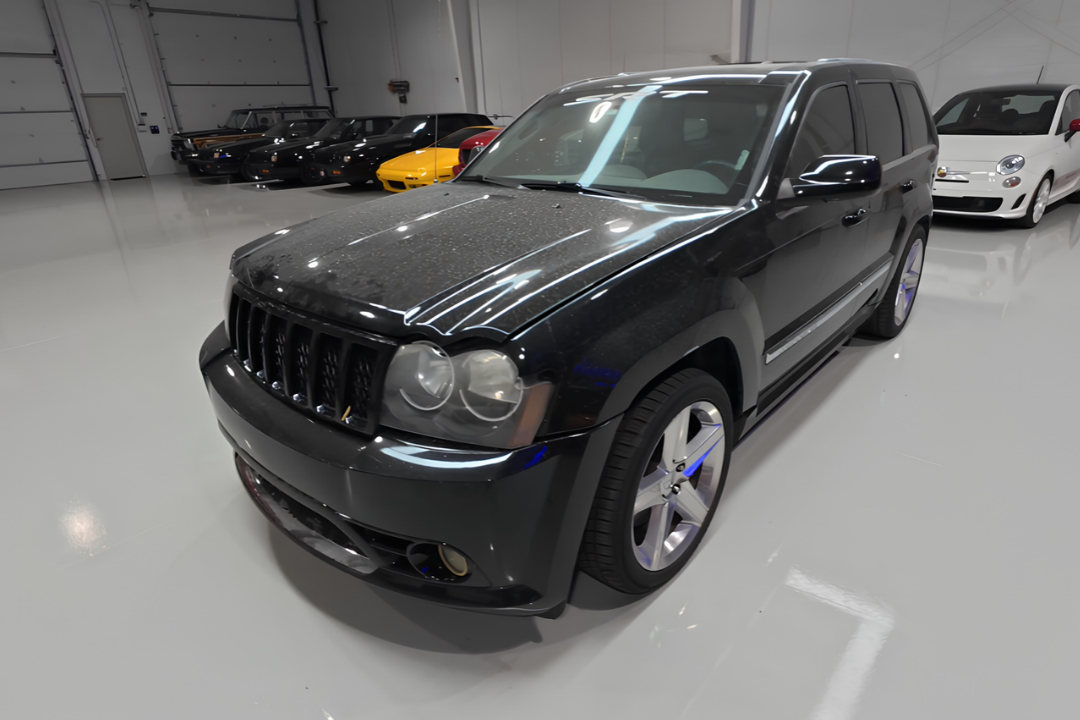
The debate between original wheels and aftermarket upgrades is a common one among car enthusiasts. Understanding the advantages and disadvantages of both options can help you make informed decisions about your vehicle’s performance and aesthetics. Whether you’re looking to enhance your car’s look or improve its handling, the choice you make can have significant implications on both your driving experience and your wallet.
Understanding Original Wheels
Original Equipment Manufacturer (OEM) wheels are the wheels that come installed on a vehicle directly from the factory. They are designed specifically for the make and model of the car, ensuring that they meet all necessary specifications in terms of weight, size, and aesthetic design. These wheels often feature a blend of functionality and style that aligns with the manufacturer’s vision for the vehicle.
One of the primary advantages of OEM wheels is their durability. Since they are engineered to match the specifications of the car, they typically provide reliability and longevity. Additionally, OEM wheels usually come with a warranty, which can offer peace of mind in case of defects or issues. Furthermore, being compatible with the vehicle’s existing systems, such as the suspension and braking, means that installation is straightforward, maintaining the integrity of the car’s performance.
However, OEM wheels also have their drawbacks. The design options are usually quite limited, meaning that if you’re looking for a unique or standout aesthetic, you might be disappointed. Furthermore, OEM wheels can sometimes be heavier than their aftermarket counterparts, which can impact performance by reducing fuel efficiency and agility.
The Allure of Aftermarket Upgrades
Aftermarket wheels, on the other hand, are manufactured by third-party companies and are designed to fit a wide range of vehicles. They come in an extensive variety of styles, sizes, and finishes, allowing enthusiasts to express their personal style and modify their vehicles according to specific performance needs. Brands like HRE Wheels and Enkei offer a plethora of options that can dramatically change the look of a car.
One of the most significant benefits of aftermarket wheels is the potential for enhanced performance. Many aftermarket wheels are designed with lighter materials, such as forged aluminum, which can reduce unsprung weight and improve handling. Additionally, they often feature advanced designs that can provide better aerodynamics and heat dissipation, leading to improved braking performance. However, it is essential to ensure that the aftermarket wheels you choose are compatible with your vehicle’s specifications to avoid any issues during operation.
Despite their appeal, aftermarket wheels come with potential downsides. Compatibility issues can arise, leading to concerns about safety and handling. Furthermore, installing aftermarket wheels may void certain warranties on your vehicle, particularly if they lead to mechanical problems or affect other components.
Performance Factors
When considering wheel upgrades, it’s crucial to understand how wheel size and weight impact vehicle handling and performance. Larger wheels may enhance the aesthetic appeal of a vehicle, but they can also change the car’s ride quality. For instance, a shift from 17-inch to 20-inch wheels can result in a stiffer ride, as there is less sidewall to absorb bumps. It’s essential to find a balance between size and comfort, especially for daily drivers.
Material also plays a significant role in performance. For example, aluminum wheels tend to be lighter than steel ones, which can improve acceleration and reduce braking distances. If you’re upgrading a performance car like the Ford Mustang, choosing lightweight forged aluminum wheels can significantly enhance your driving experience. Understanding details such as offsets and backspacing is equally important, as these factors influence how the wheel fits within the wheel well and can affect handling dynamics.
Offsets that are too aggressive may cause rubbing against suspension components or fenders, while a backspacing that is too shallow can lead to stability issues. Therefore, it’s vital to consult with professionals or do thorough research before making a decision.
Aesthetic Considerations
One of the most appealing aspects of aftermarket wheels is the vast array of design options available. From sleek, minimalist styles to extravagant multi-spoke designs, the choices are nearly limitless. Aesthetics can significantly impact how a vehicle is perceived, and a well-chosen set of wheels can elevate the overall look of a car. For instance, a classic muscle car like the Chevrolet Camaro can instantly become more aggressive and sporty with the right aftermarket wheels.
The color and finish of the wheels can also play a crucial role in a vehicle’s visual appeal. Options like matte black, chrome, and custom colors can help a vehicle stand out in a crowd. However, while it’s tempting to choose purely based on looks, it’s essential to balance aesthetics with practicality. For example, while a gloss finish may look stunning, it may require more upkeep than a matte or satin finish.
Ultimately, selecting wheels that complement your vehicle’s design while also considering your lifestyle and maintenance preferences is key to a satisfying modification experience.
Budgeting for Upgrades
When it comes to budgeting for wheel upgrades, it’s essential to conduct a cost comparison between OEM and aftermarket options. OEM wheels can range from $300 to $800 each, depending on the vehicle, while aftermarket wheels can vary widely, starting from as low as $100 and going up to several thousand dollars per wheel for high-end brands. It’s crucial to factor in not just the purchase price but also potential installation costs, which can add anywhere from $100 to $200 more to your total bill.
Additionally, there are often hidden costs associated with aftermarket upgrades. For instance, if you switch to larger wheels, you may also need to purchase new tires, which can further increase your expenses. Maintenance costs should also be taken into consideration; for example, certain finishes may require special cleaning products or techniques to maintain their appearance.
Assessing the long-term value of these upgrades is vital. While the initial investment might be high, it’s worth considering how the upgrades impact the vehicle’s performance and resale value. If you plan to keep the car long-term, investing in quality aftermarket wheels may provide better performance and satisfaction over time.
Legal and Regulatory Aspects
Before making any modifications to your vehicle, it’s important to familiarize yourself with local laws regarding vehicle upgrades. Some jurisdictions have strict regulations concerning the size and type of wheels that can be installed. For example, states like California have specific guidelines to ensure that modifications do not compromise safety or emissions standards.
Moreover, it’s essential to understand how aftermarket upgrades can impact your insurance coverage. Some insurance companies may require you to disclose modifications, and failing to do so could lead to complications when filing claims. Ensuring that your vehicle remains compliant with safety standards is also crucial, as non-compliance can lead to fines or even the inability to pass vehicle inspections.
Being informed about these legal aspects can save you a lot of time, money, and hassle, ensuring a smooth experience as you upgrade your vehicle.
Installation and Maintenance
The installation process for both OEM and aftermarket wheels can vary depending on the complexity of the upgrade. OEM wheels typically fit directly onto the vehicle and can be installed quickly, often without the need for specialized tools. On the other hand, aftermarket wheels may require additional adjustments or modifications, especially if they have a different offset or require spacers.
Maintenance considerations also differ between wheel types. OEM wheels, being factory-made, often require less frequent care; however, aftermarket wheels, especially those with unique finishes, may need more upkeep to prevent corrosion or wear. For example, if you install a set of polished aluminum wheels, regular polishing and protective coatings may be necessary to maintain their shine.
When it comes to installation, you might wonder whether to tackle it yourself or hire a professional. While DIY installation can save you money, it requires knowledge of proper torque specifications and tools. Professional installation ensures that the wheels are mounted correctly and safely, which can prevent future issues.
Resale Value and Impact
When considering upgrades, it’s essential to evaluate how original versus aftermarket wheels will affect your vehicle’s resale value. Many buyers prefer OEM wheels, as they maintain the integrity and authenticity of the vehicle. For example, if you’re trying to sell a Honda Civic, keeping the original wheels could make your car more appealing to potential buyers who value factory specifications.
Conversely, certain aftermarket wheels can enhance a vehicle’s appeal, especially if they are from reputable brands and align with current trends. However, it’s crucial to ensure that the upgrades do not compromise the vehicle’s performance or safety, as these factors can deter potential buyers.
When to Stop Upgrading
There comes a time when further upgrades may not yield significant benefits, and recognizing this point can save you both time and money. Signs that you may have reached your limit include diminishing returns on performance improvements or if the costs outweigh the benefits. For instance, if your vehicle is already performing well, investing in a high-end wheel may not translate to a noticeable improvement in handling or speed.
Balancing performance gains with financial investment is crucial. If you find yourself spending significantly more for minimal benefits, it may be wise to reassess your priorities. Furthermore, personal preference plays a significant role in the upgrading process. If you are happy with your current wheels and feel satisfied with your vehicle’s performance, there may be no need to continue upgrading.
Ultimately, the goal of upgrading should be to enhance your driving experience and satisfaction. Trust your instincts, and remember that the enjoyment of your vehicle should always take precedence over chasing the latest trends or modifications.
More from Fast Lane Only
- Unboxing the WWII Jeep in a Crate
- 15 rare Chevys collectors are quietly buying
- 10 underrated V8s still worth hunting down
- Police notice this before you even roll window down
*Research for this article included AI assistance, with all final content reviewed by human editors.