The classic car community is often divided between two archetypes: the garage queen and the road warrior. Each has its own merits and attracts different kinds of admiration, making the debate over which earns more respect a fascinating topic for car enthusiasts.
DEFINING GARAGE QUEENS
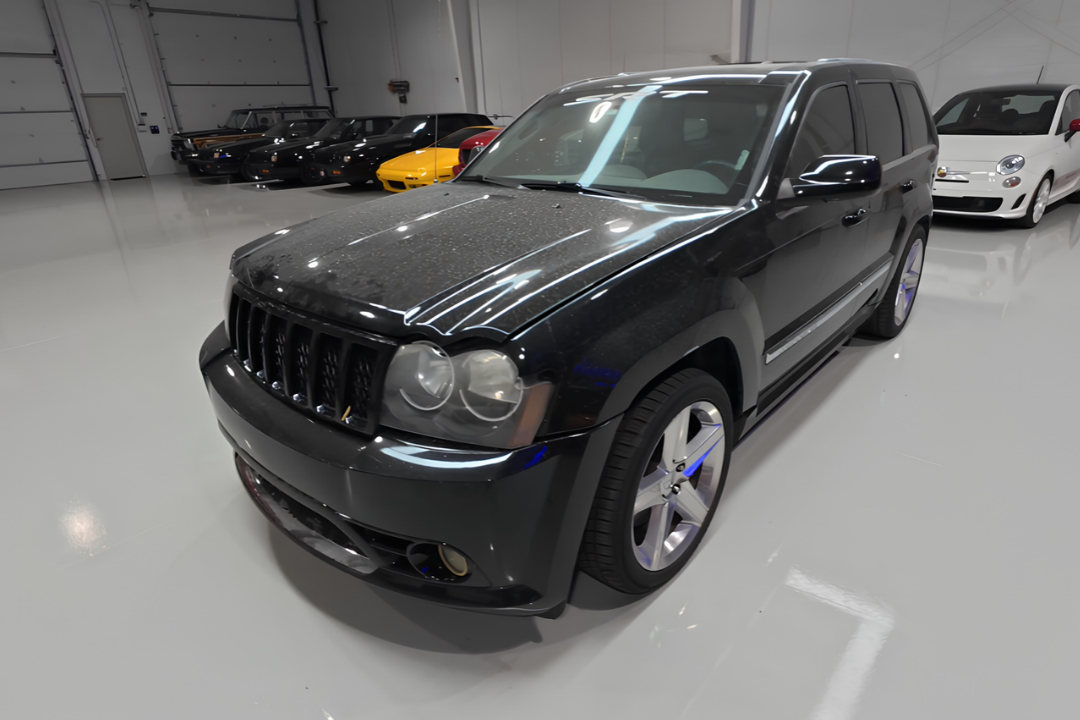
Garage queens are classic cars that are often kept in pristine condition, with low mileage and all original parts. These vehicles are meticulously maintained, often showcasing the best aspects of automotive craftsmanship. Owners of garage queens tend to treat their cars as prized possessions, often investing considerable time and money into their upkeep. The allure of a garage queen lies in its ability to evoke nostalgia while also serving as a testament to the brand’s history and design philosophy.
Some common examples of garage queen models include the 1967 Chevrolet Corvette, the 1970 Ford Mustang Boss 302, and the 1966 Volkswagen Beetle. Each of these models holds a significant place in car culture, cherished not only for their performance but also for their aesthetic appeal and historical importance. The preservation of these vehicles often involves sourcing original parts, which can sometimes be a daunting task, but it is crucial for maintaining their status within the classic car community.
DEFINING ROAD WARRIORS
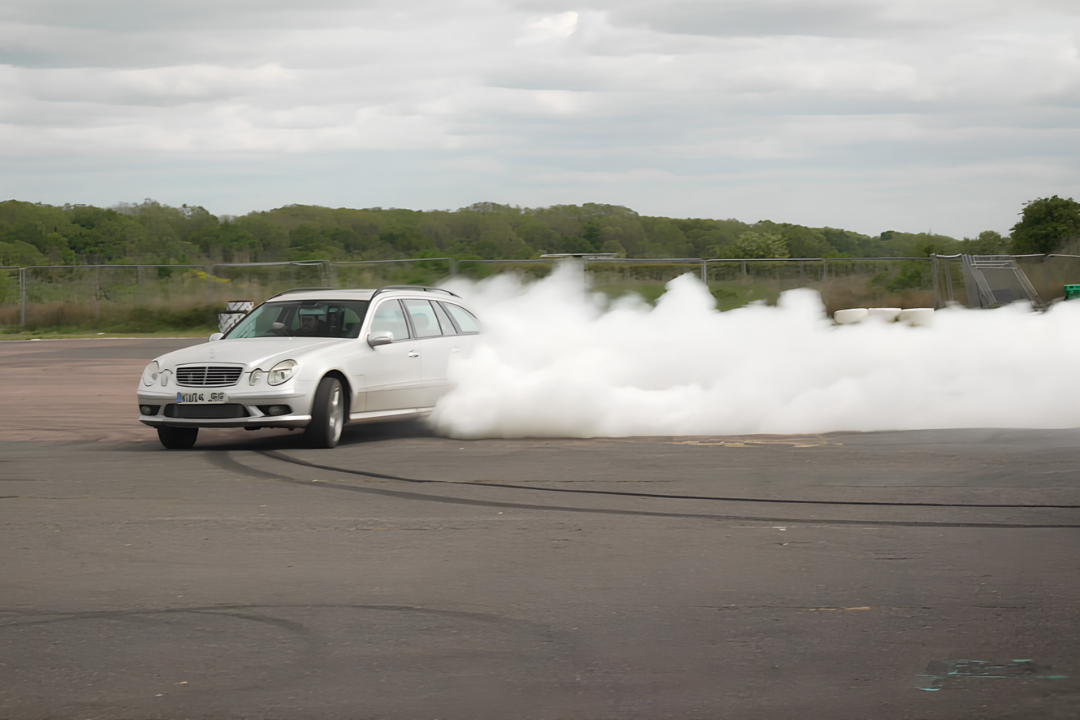
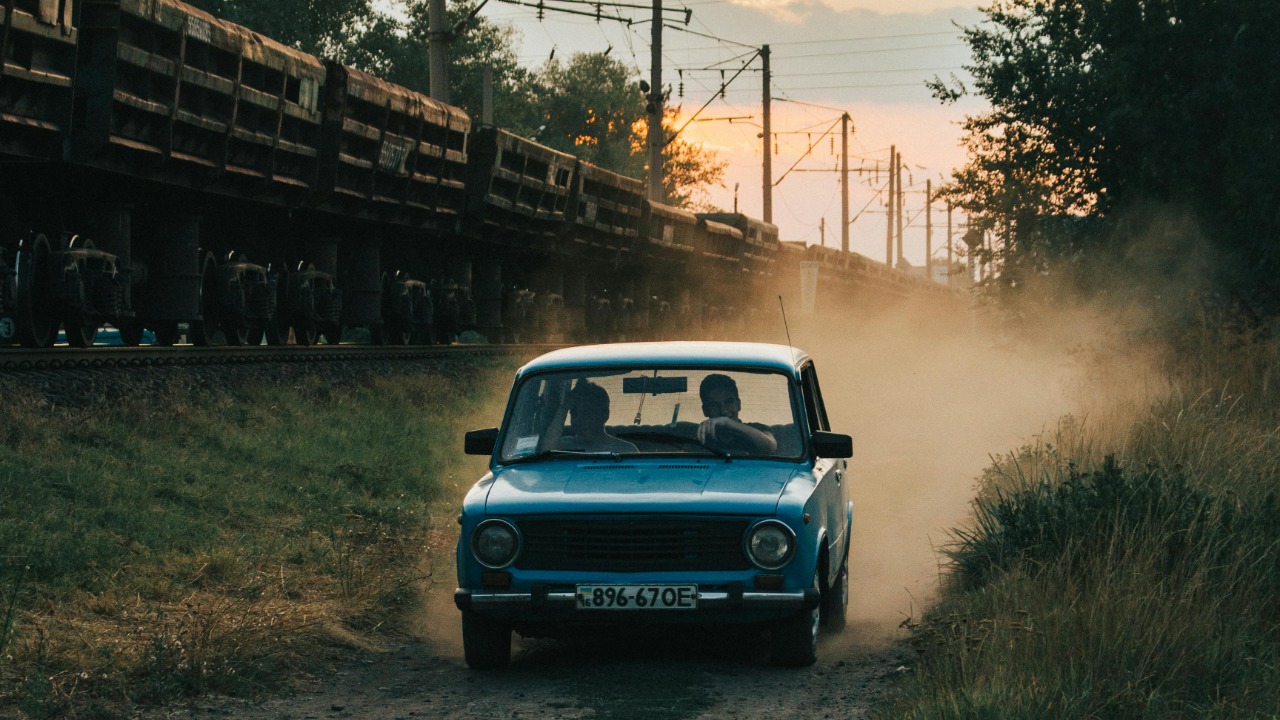
In contrast to garage queens, road warriors are classic cars that have seen significant use, accumulating high mileage and often undergoing various modifications along the way. These vehicles tell a story of adventure, with each dent and scratch serving as a badge of honor. Owners of road warriors often take pride in their car’s history and the experiences shared on the open road, making these vehicles a cherished part of their lives.
Notable road warrior models include the 1970 Dodge Charger, famously featured in “The Dukes of Hazzard,” and the 1969 Chevrolet Camaro, known for its performance on both the street and the racetrack. These cars have become icons, celebrated not only for their aesthetics but also for the countless journeys they’ve undertaken. The appeal of road warriors lies in their authenticity and the sense of community they foster among enthusiasts who share similar experiences.
THE VALUE OF PRESERVATION
When it comes to market value, garage queens often command higher prices due to their rarity and pristine condition. For instance, a fully restored 1969 Ford Mustang Mach 1 in excellent condition can fetch upwards of $100,000 at auctions. The economic factors influencing this valuation are rooted in the car’s condition, history, and the demand among collectors who appreciate the effort put into preservation. Emotional connections also play a significant role; owning a perfectly preserved classic car can evoke a sense of pride among enthusiasts who value history and craftsmanship.
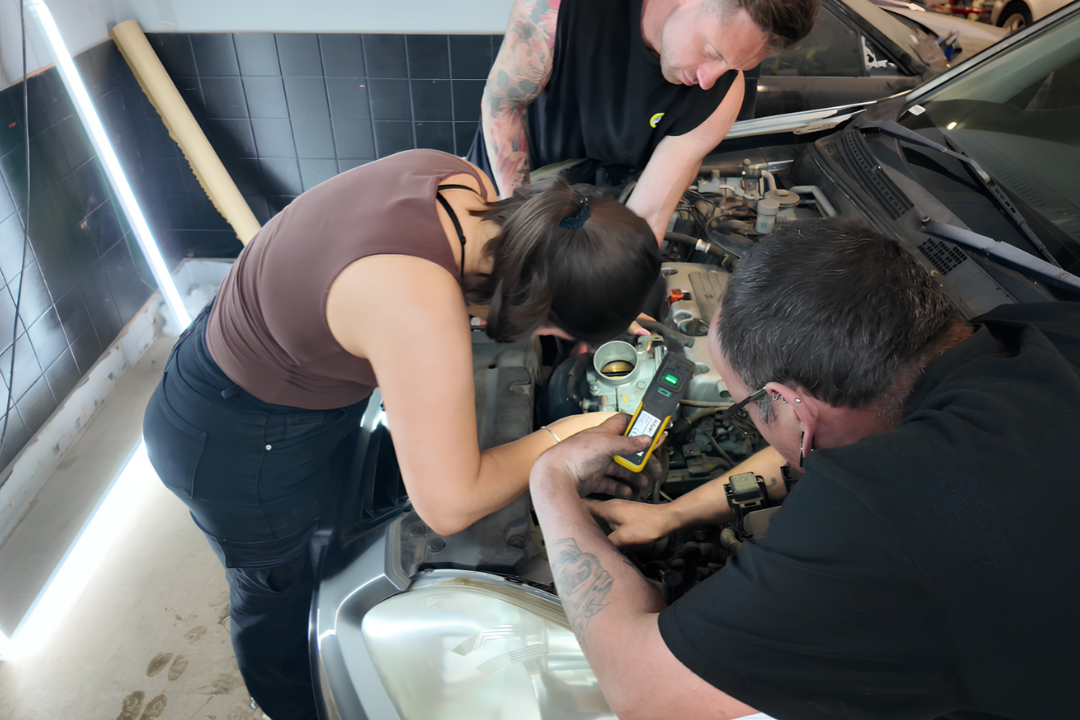
However, maintaining a garage queen comes with its own set of challenges. Finding original parts can be a daunting task, as many classic car parts are no longer in production. Owners often rely on specialty shops, online marketplaces like Hemmings or ClassicCars.com, and dedicated forums to source what they need. The expertise required for restoration is another hurdle, as not all mechanics are familiar with the intricacies of classic cars. This dedication to preservation can become a labor of love, transforming the ownership experience into a rewarding journey.
THE VALUE OF EXPERIENCE
Road warriors, on the other hand, offer a different kind of value—experiential. The thrill of driving a road warrior is unmatched; the roar of the engine and the feeling of the open road create a visceral experience that garage queens often cannot provide. The modifications made to these cars can enhance performance, making them not just vehicles but companions on countless adventures. This driving experience fosters a deeper connection between the owner and the car, often leading to a sense of freedom that is hard to replicate.
Community engagement is another significant aspect of road warrior ownership. Car rallies, meets, and events like the Hot Rod Power Tour allow enthusiasts to come together and share stories, experiences, and advice. These gatherings create a sense of camaraderie among road warrior owners, who often bond over shared journeys and repairs. The narrative of ownership becomes a collective experience, where each road warrior carries its own story, contributing to the rich tapestry of automotive culture.
RESPECT IN THE CAR COMMUNITY
Respect in the car community varies between garage queens and road warriors. Garage queens often earn admiration from collectors and purists for their meticulous upkeep and preservation efforts. Enthusiasts appreciate the time, money, and dedication that go into maintaining these vehicles in their original condition. Car shows and concours events often showcase garage queens, where they are judged not only on their beauty but also on their authenticity and the craftsmanship behind their restoration.
Conversely, road warriors receive respect from those who value authenticity and real-world usage. The stories behind these cars—where they’ve been, the challenges they’ve faced, and the adventures they’ve enabled—add a layer of depth that garage queens may lack. Social media platforms like Instagram and dedicated forums like Jalopnik and Bring a Trailer have amplified this respect, allowing road warrior owners to share their journeys and connect with a broader audience. The visual storytelling that accompanies these posts highlights the unique experiences associated with road warriors, further cementing their place in the classic car community.
THE ROLE OF MODIFICATIONS
When it comes to modifications, garage queens typically adhere to the philosophy of keeping cars stock. This commitment to authenticity is crucial for maintaining their value and status within the collector community. Any modifications or alterations can significantly impact the garage queen’s market value, as collectors often prioritize originality. Owners of these vehicles tend to focus on preserving the exact specifications of the car as it was when it rolled off the assembly line.
On the flip side, road warriors often embrace modifications as a means of enhancing performance and personalizing their vehicles. Balancing performance upgrades with maintaining classic aesthetics can be a delicate dance for owners. Some may choose to install modern engines or suspension systems to improve drivability while still keeping the exterior true to its classic roots. Modifications can enhance the respect earned by road warriors, as they often reflect the owner’s personality and driving style, creating a unique automotive identity.
CULTURAL SIGNIFICANCE
Garage queens serve as symbols of automotive history and craftsmanship. They represent a time when cars were built with precision and attention to detail, showcasing the engineering prowess of their era. Models like the 1957 Chevrolet Bel Air or the 1963 Aston Martin DB5 are not just vehicles; they are cultural icons that embody the spirit of their time. Their preservation speaks to the values of craftsmanship, quality, and history that many car enthusiasts hold dear.
On the other hand, road warriors represent freedom, adventure, and the spirit of the open road. They embody the ethos of driving for pleasure and the joy of exploration. Cars like the 1970 Plymouth Barracuda and the 1968 Ford Mustang have become synonymous with rebellion and independence, appealing to those who see driving as more than just a means of transportation. Each road warrior carries the narrative of its owner’s experiences, making it a living testament to the journeys taken and the memories created along the way.
OWNERSHIP AND RESPONSIBILITY
Owning a garage queen comes with significant responsibilities. The costs associated with maintaining such a vehicle can be considerable, with insurance, storage, and restoration expenses adding up over time. Owners often invest not only financially but also in terms of time and dedication, attending to every detail to ensure their car remains in top condition. The commitment to preserving a garage queen is a reflection of an owner’s passion for automotive history and a desire to uphold the legacy of their vehicle.
In contrast, the day-to-day realities of owning a road warrior can be quite different. While road warriors may require regular maintenance and repairs, the joy of driving often outweighs these challenges. Owners relish the opportunity to take their cars out for a spin, sharing their experiences with fellow enthusiasts. The personal commitment to maintaining a road warrior can be a rewarding journey, with each repair and modification adding to the car’s unique story. This active engagement with the vehicle fosters a sense of connection that transcends mere ownership.
PERSONAL PREFERENCES AND THE FUTURE
Personal values and lifestyle choices play a significant role in determining whether someone prefers garage queens or road warriors. For some, the allure of a pristine, well-preserved classic car aligns with their appreciation for history and craftsmanship. Others may prioritize the thrill of driving and the stories that come with owning a road warrior. This diversity of preferences enriches the classic car community, making it a vibrant and inclusive space for enthusiasts of all kinds.
Looking ahead, the future of classic car appreciation may see one archetype overshadowing the other, but it’s more likely that both garage queens and road warriors will coexist and complement each other. As the classic car landscape evolves, we may see increased interest in hybrid models that combine the best of both worlds—vehicles that are both meticulously preserved and actively driven. This synergy could lead to a more dynamic appreciation for classic cars, where the stories of adventures and the beauty of preservation are celebrated equally.
More from Fast Lane Only
- Unboxing the WWII Jeep in a Crate
- 15 rare Chevys collectors are quietly buying
- 10 underrated V8s still worth hunting down
- Police notice this before you even roll window down
*Research for this article included AI assistance, with all final content reviewed by human editors.