

The vintage car market is a fascinating realm where nostalgia meets investment, with collectors and enthusiasts driving demand across the globe. However, the characteristics and dynamics of this market can vary significantly by region. The unique attributes and trends that define vintage car markets in different parts of the world reveal how deeply intertwined these markets are with local history, culture, and economics.
Historical Influences and Cultural Preferences
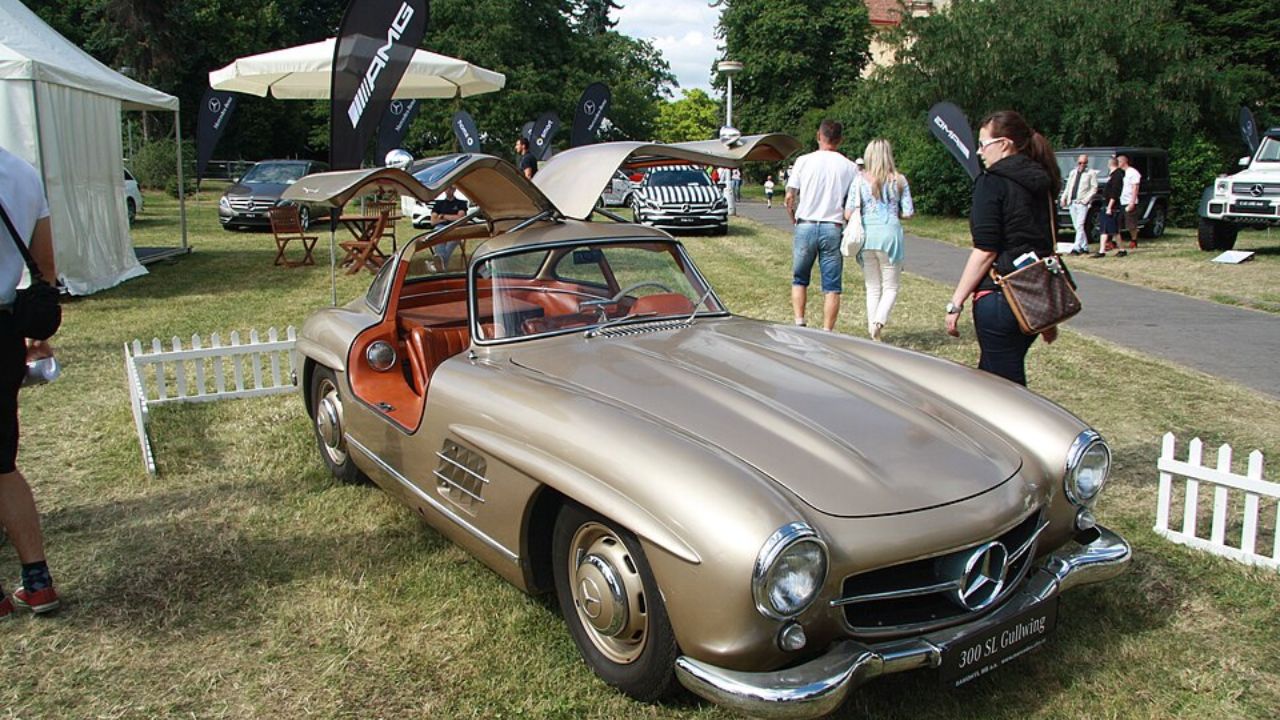
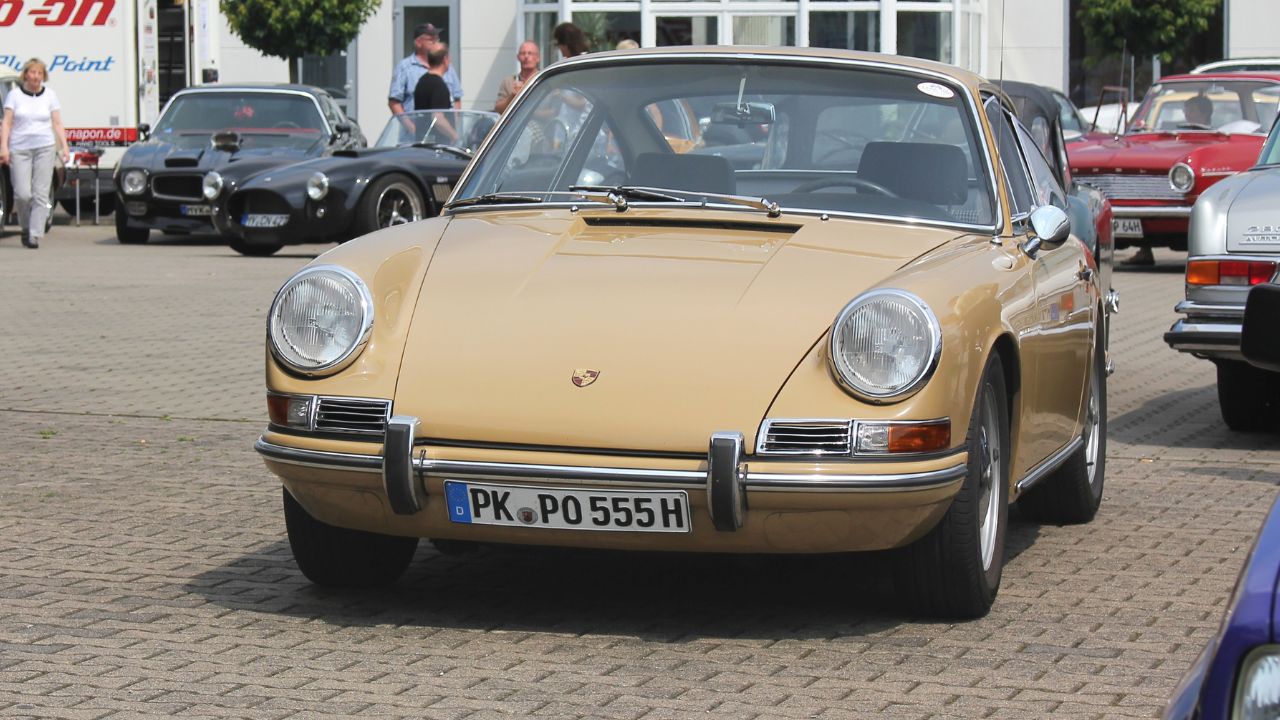
Regional automotive history plays a crucial role in shaping vintage car markets. In Europe, for instance, the long-standing tradition of automotive excellence in countries like Germany and Italy has created a robust market for brands such as Porsche, Mercedes-Benz, and Ferrari. These brands not only represent engineering prowess but also evoke a cultural pride and nostalgia that resonate deeply with collectors. Similarly, in the United States, the golden age of American muscle cars from the 1960s and 1970s, featuring models like the Ford Mustang and Chevrolet Camaro, continues to capture the imagination of vintage car enthusiasts.
Cultural factors also heavily influence the popularity of specific makes and models. In Japan, for instance, the reverence for precision engineering and compact design has made vintage models like the Toyota 2000GT and the Datsun 240Z highly sought after. Conversely, cultural preferences in the Middle East often lean towards luxury and exclusivity, driving demand for high-end vintage models from brands like Rolls-Royce and Bentley. Historical events, such as the oil crises of the 1970s, have also left a mark on the availability and desirability of vintage cars, often leading to fluctuations in market demand based on fuel efficiency and performance.
Economic Factors and Market Dynamics
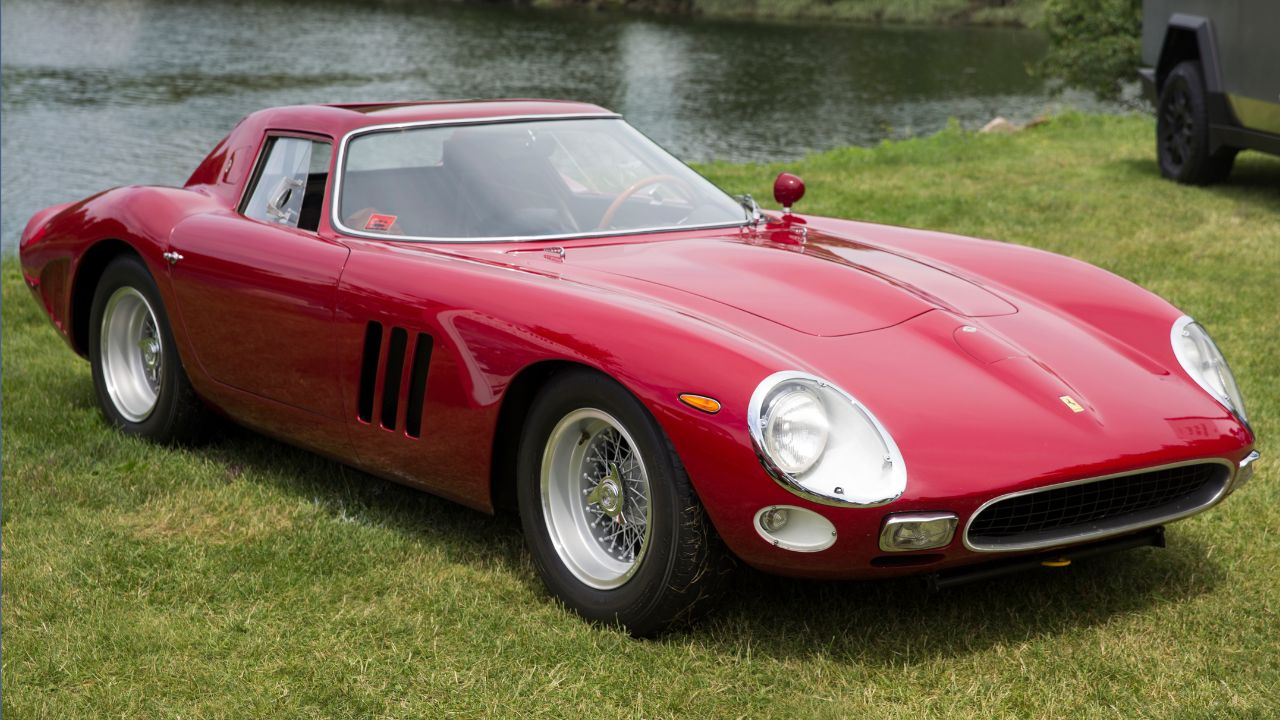
Regional economic conditions significantly affect vintage car valuations and sales. In economically prosperous regions, such as parts of North America and Europe, disposable income levels are higher, enabling collectors to invest more in vintage automobiles. In contrast, emerging markets in Asia and South America may exhibit growing interest but face challenges due to economic instability or limited access to financing options. The value of vintage cars in these regions can vary widely, influenced by local demand and the overall economic climate.
Import/export regulations and taxes also play a pivotal role in regional market activity. For example, stringent emission standards in Europe can make it challenging for collectors to import certain vintage vehicles, affecting the availability and price of these cars. Meanwhile, countries with favorable import policies, like the United Arab Emirates, often see a more dynamic market where a diverse range of vintage cars is more accessible. Investment trends further influence market fluctuations; regions experiencing a surge in interest from younger demographics often witness shifts in the types of vintage cars that are in demand, as newer generations may have different tastes and investment strategies.
Popular Models and Brands by Region
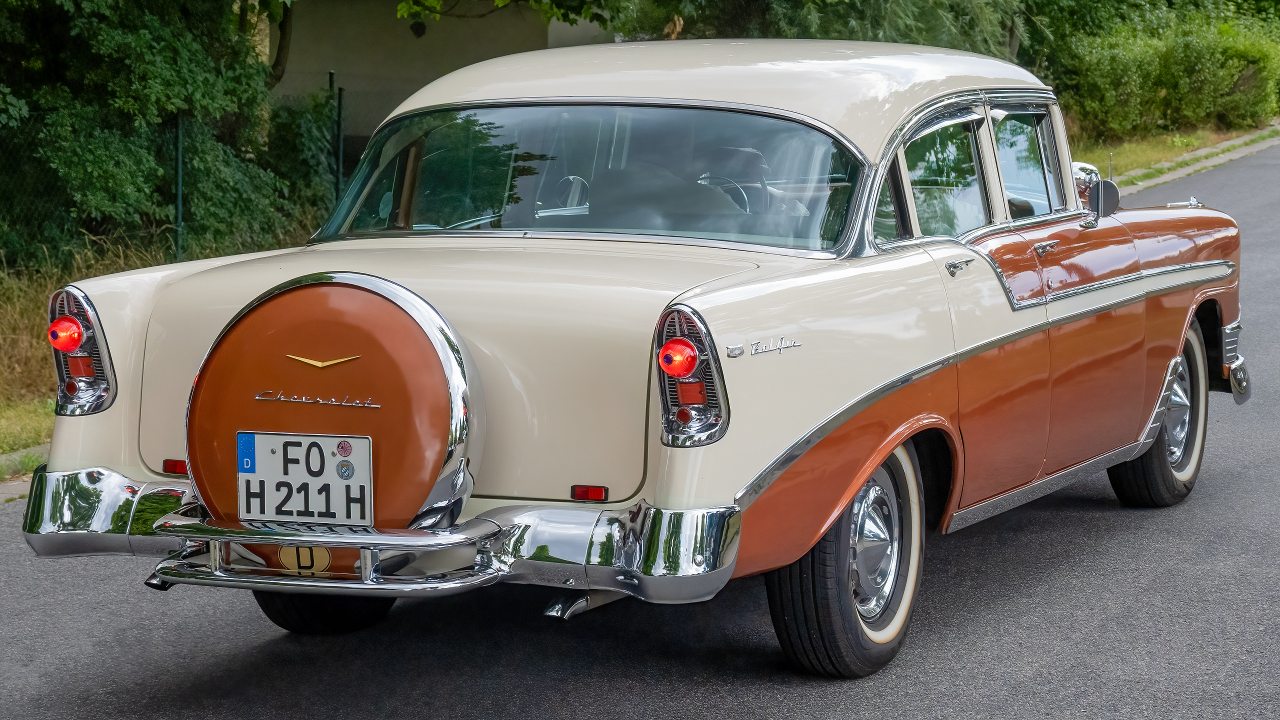
Iconic vintage cars and brands often dominate specific regional markets, reflecting local manufacturing history and consumer preferences. In the United States, classic models like the Chevrolet Bel Air and the Ford Thunderbird are cherished as symbols of a bygone era of American automotive design. In contrast, Europe is home to a rich tapestry of brands, where vintage models from Jaguar and Aston Martin enjoy a loyal following, driven by their storied racing heritage and quintessential British appeal.
Restoration and customization preferences vary significantly across regions. In Japan, for example, there’s a strong emphasis on maintaining the original specifications of vintage cars, often prioritizing authenticity over modification. Meanwhile, in the United States, customization is a celebrated aspect of car culture, with many enthusiasts opting to modify vintage models for enhanced performance or personal expression. Local manufacturing history also contributes to brand loyalty; in Italy, the legacy of brands like Alfa Romeo and Lancia fosters a dedicated community of collectors who prioritize these makes over others.
Events, Auctions, and Enthusiast Communities
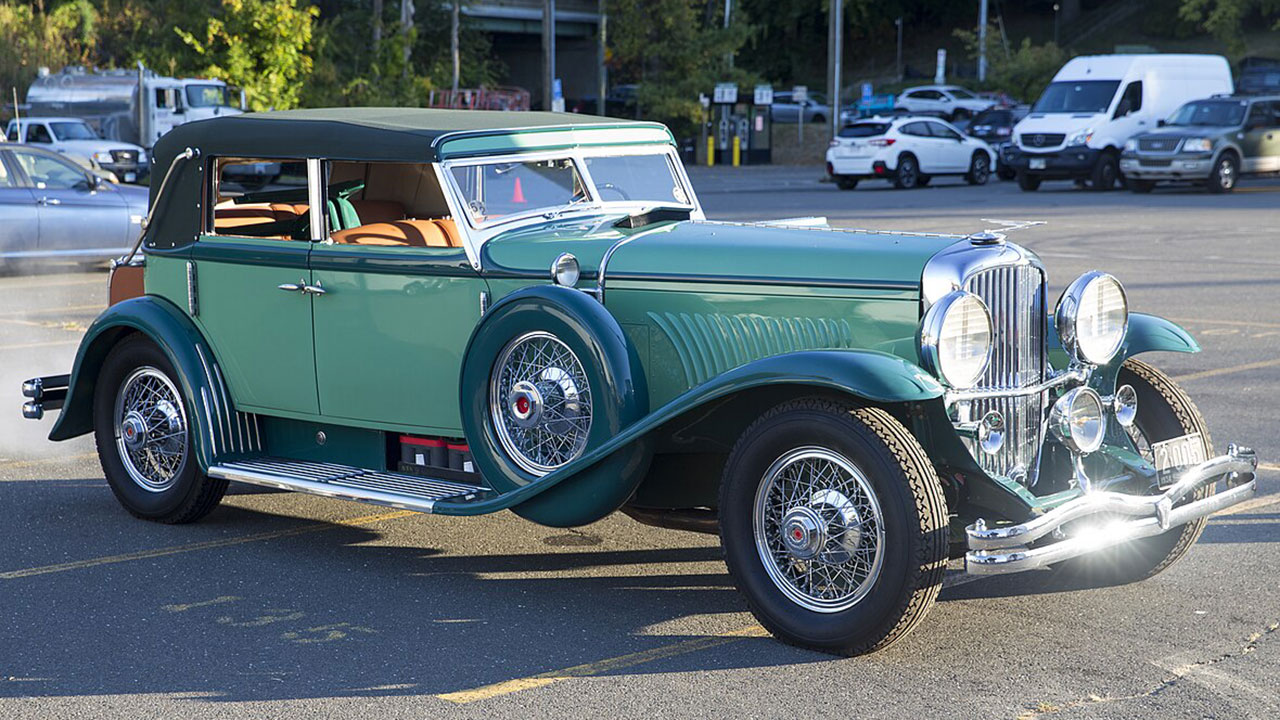
Key vintage car shows and auctions around the world significantly influence regional markets, providing enthusiasts with opportunities to buy, sell, and showcase their prized automobiles. Events like the Pebble Beach Concours d’Elegance in California and the Goodwood Revival in the UK attract international attention, setting benchmarks for vehicle values and trends. These gatherings often serve as barometers for market health and areas of collector interest, influencing regional dynamics through high-profile sales and exhibits.
Car clubs and enthusiast communities play a vital role in promoting regional market growth. In Germany, the Porsche Club of America boasts a robust membership, fostering a thriving community of collectors and fans who actively participate in events and exchanges. In contrast, Australia’s vintage car scene benefits from the diverse interests of its enthusiast clubs, which often organize cross-country rallies and local meet-ups that bolster interest and engagement. Regional variations in the frequency and style of vintage car events reflect local tastes and cultural priorities, creating a unique tapestry of experiences for collectors around the world.
Future Trends and Market Predictions
Emerging markets and regions are showing increasing interest in vintage cars, with countries like China and India witnessing a burgeoning collector scene. As these markets mature, they are likely to play a more significant role in the global vintage car landscape, driven by a growing middle class and increased disposable income. Furthermore, the rise of technology and online platforms is reshaping how vintage cars are bought and sold, offering greater accessibility and visibility to a worldwide audience.
Environmental regulations and shifts in consumer preferences are also poised to impact regional markets. As the global focus on sustainability intensifies, collectors may gravitate towards vintage cars with lower environmental footprints or those that can be converted to electric power. This trend could lead to a reevaluation of certain models’ desirability and value, depending on their compatibility with future technology. Ultimately, the vintage car market’s future will likely be shaped by a blend of tradition and innovation, as regions continue to navigate the evolving landscape of collector interests and regulatory frameworks.





Leave a Reply