Tesla’s 2024 Cybercab Prototype isn’t just a new vehicle—it’s a preview of a system that may change how we use cars altogether. No wheel, no pedals, and no driver. It’s built for full autonomy from the ground up, with the goal of becoming the workhorse for a future fleet of driverless, electric ride-hailing vehicles.
It’s not flashy, and it’s not meant to be. It’s function-first design in its most distilled form. This isn’t a car you buy—it’s one that shows up when you need it, takes you where you’re going, and disappears again. Let’s take a closer look at what Tesla’s betting on next.
A Radical Shift Toward Driverless Rides
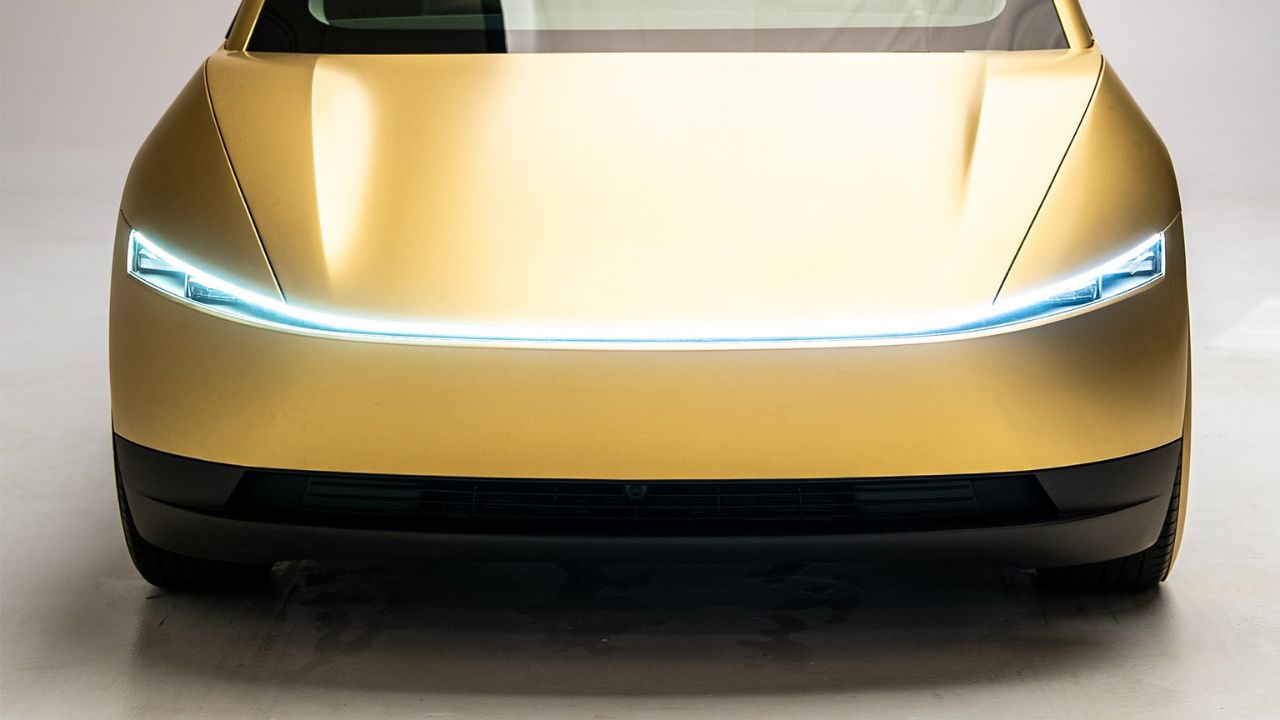
The 2024 Tesla Cybercab Prototype isn’t a Tesla you’ll drive—it’s a vehicle designed to drive you. Built from the ground up for full autonomy, this prototype signals Tesla’s plan to reshape urban transportation with a fully self-driving taxi system.
It doesn’t have a steering wheel or pedals. Instead, it relies on Tesla’s in-house Full Self-Driving (FSD) stack and a fleet-based approach. If this reaches production, it could undercut the ride-hailing market and shake up car ownership in densely populated areas.
The Design is Purely Functional—Almost Clinical

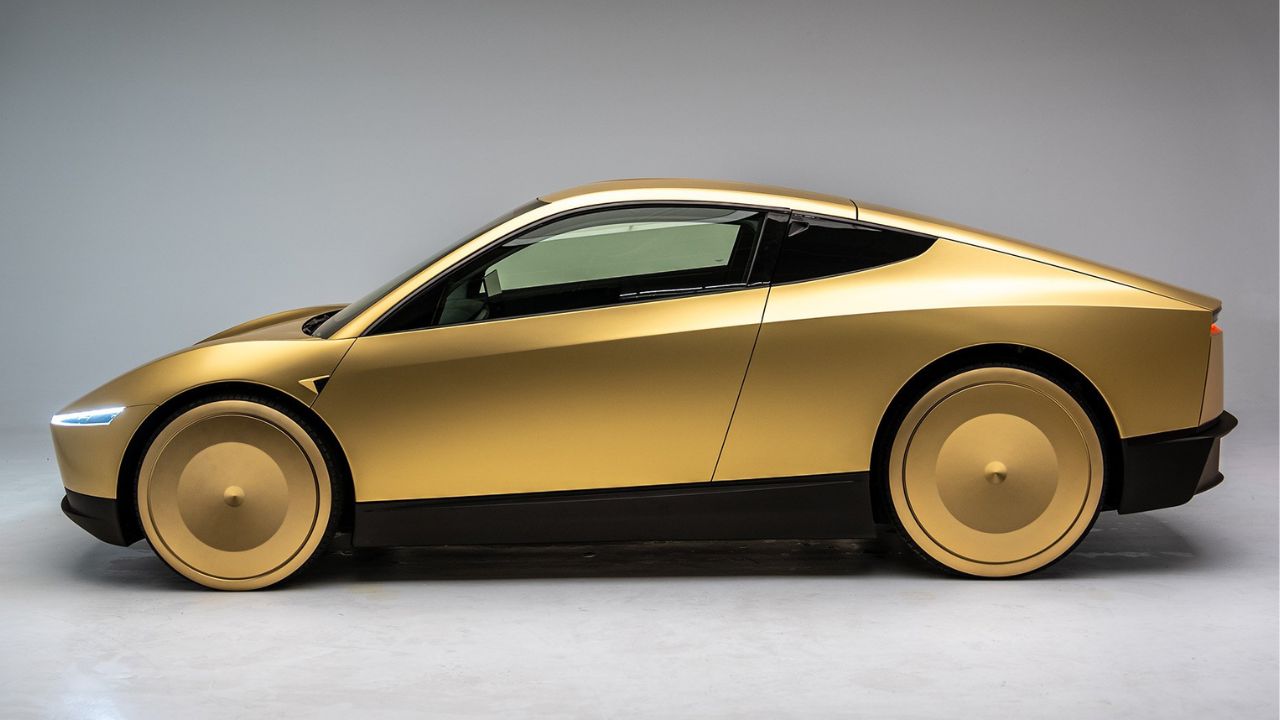
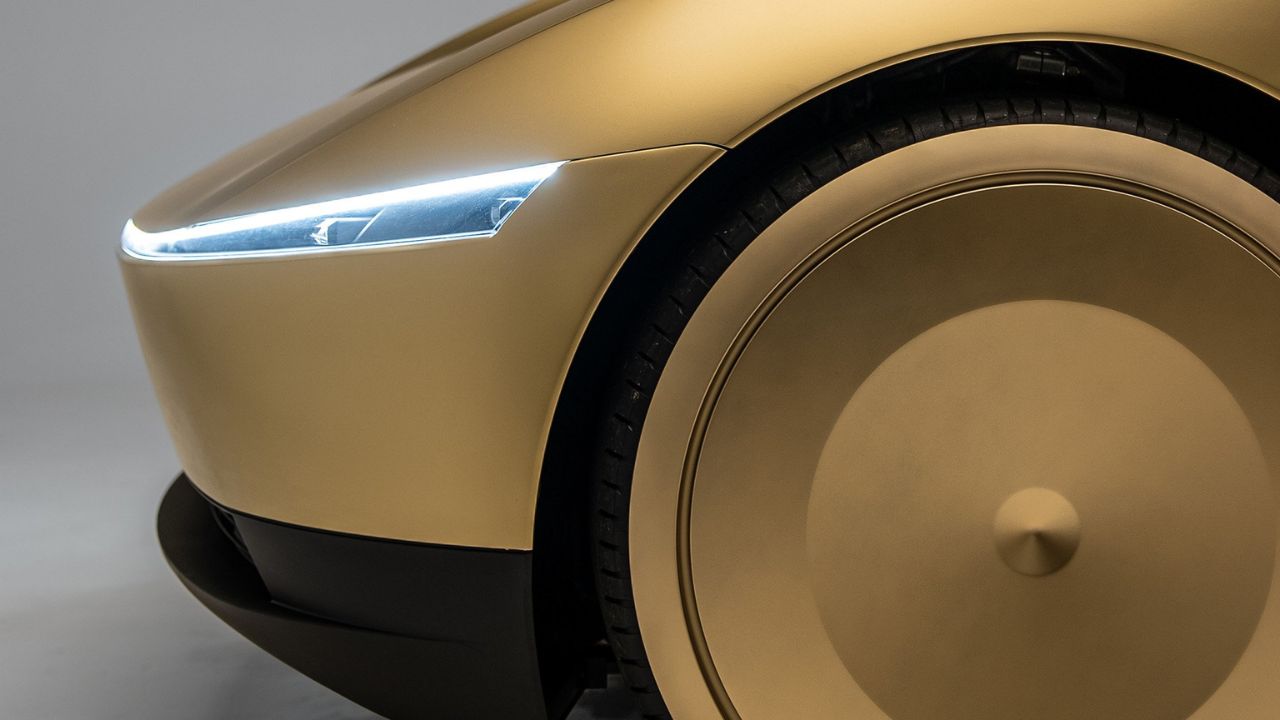
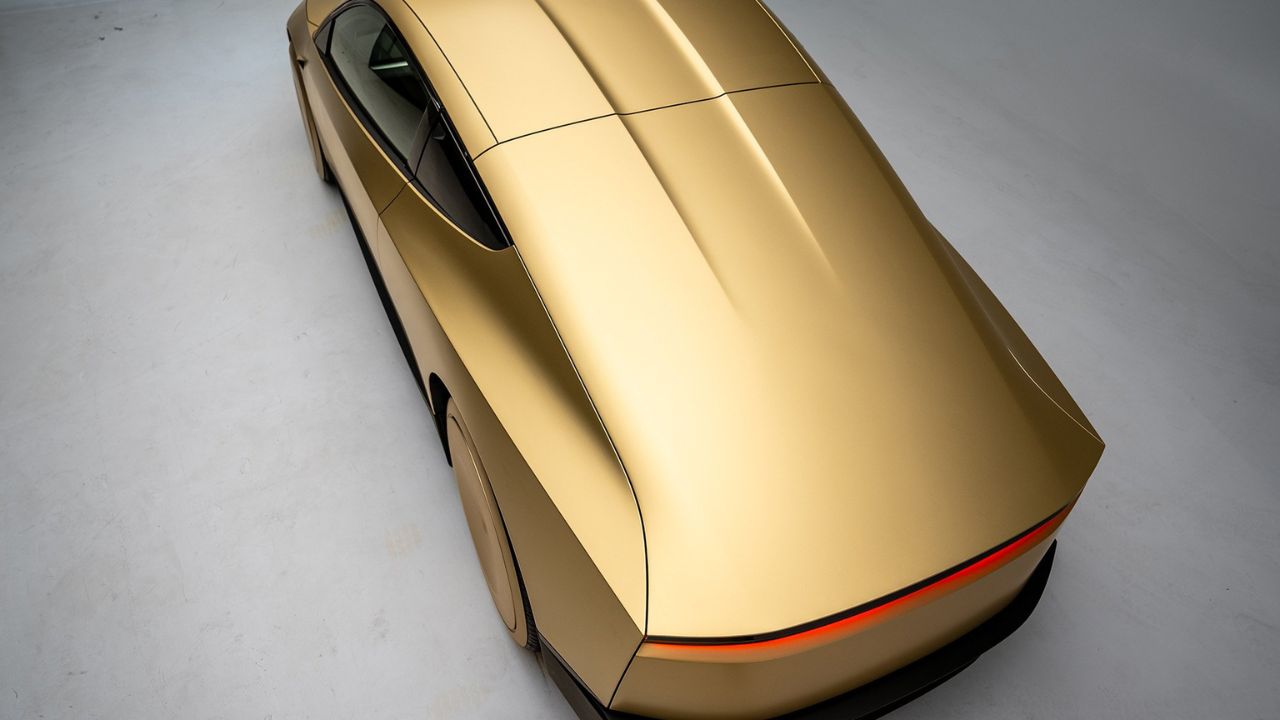
Visually, the Cybercab borrows the angular steel look of the Cybertruck, but with tighter proportions and no driver-centric elements. There’s no grille, no hood bulge, no mirrors. It’s built to be symmetrical and minimal, optimizing for function over flair.
The prototype looks like a cross between a van and a monorail pod, with a flat front and sliding doors. It’s not trying to impress drivers because it’s not meant to be driven. The exterior’s priority is efficient ingress/egress, low drag, and high visibility.
All-Electric, Naturally
While Tesla hasn’t released full drivetrain specs yet, the Cybercab will run on a fully electric platform, likely a scaled-down version of the next-gen Tesla skateboard chassis. Expect single-motor RWD and potentially dual-motor AWD variants depending on rollout needs.
Battery specs are under wraps, but Tesla has mentioned focusing on durability and simplicity for fleet use—think 400+ miles of range in ideal conditions and rapid charging optimized for short turnaround times between fares. Speed isn’t the focus; uptime is.
The Interior Is Meant for Riders, Not Drivers
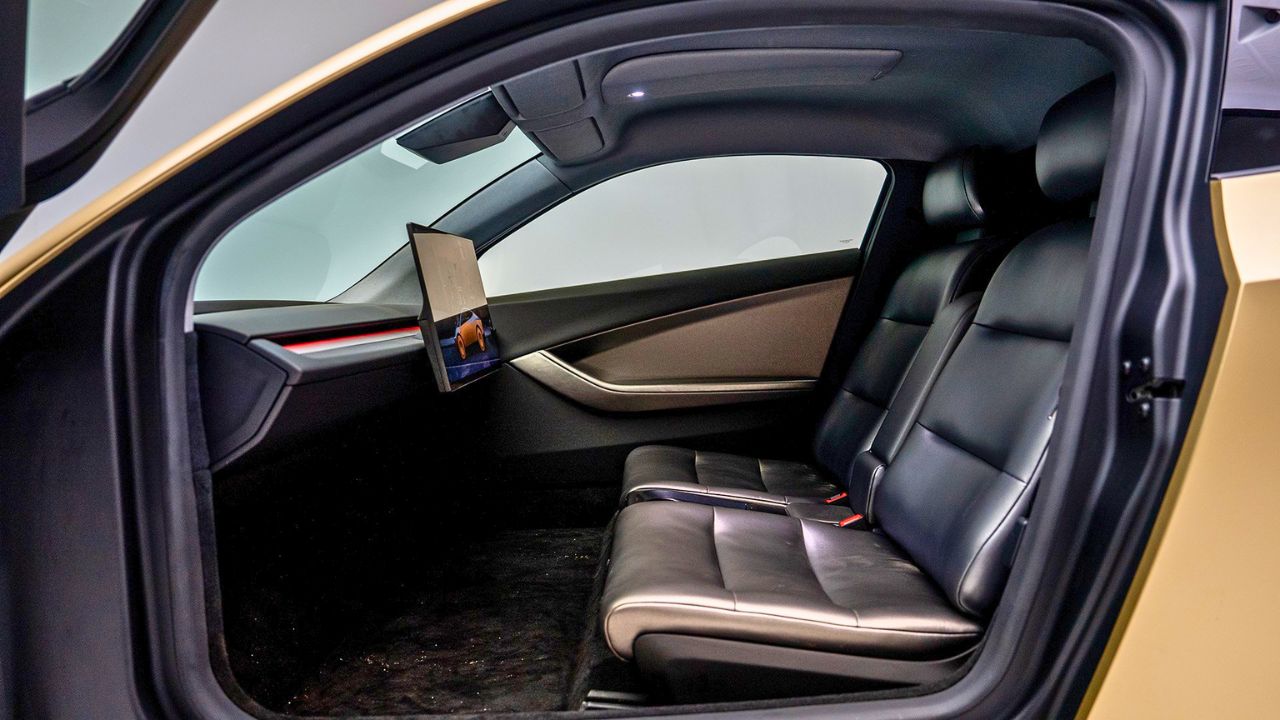
Inside, the Cybercab flips the typical cabin layout. There’s no front seat in the conventional sense. Instead, there are face-to-face bench-style configurations with space optimized for short-to-medium trips. Materials are wipe-down durable with a focus on modular use.
Screens are embedded where you need them—on rear walls and in armrests—but overall, the cabin’s tech is restrained. Riders can control lighting, air, media, and routes, but the experience is quiet, minimal, and meant to feel like a waiting lounge, not a cockpit.
No Wheel, No Pedals—Truly Hands-Off
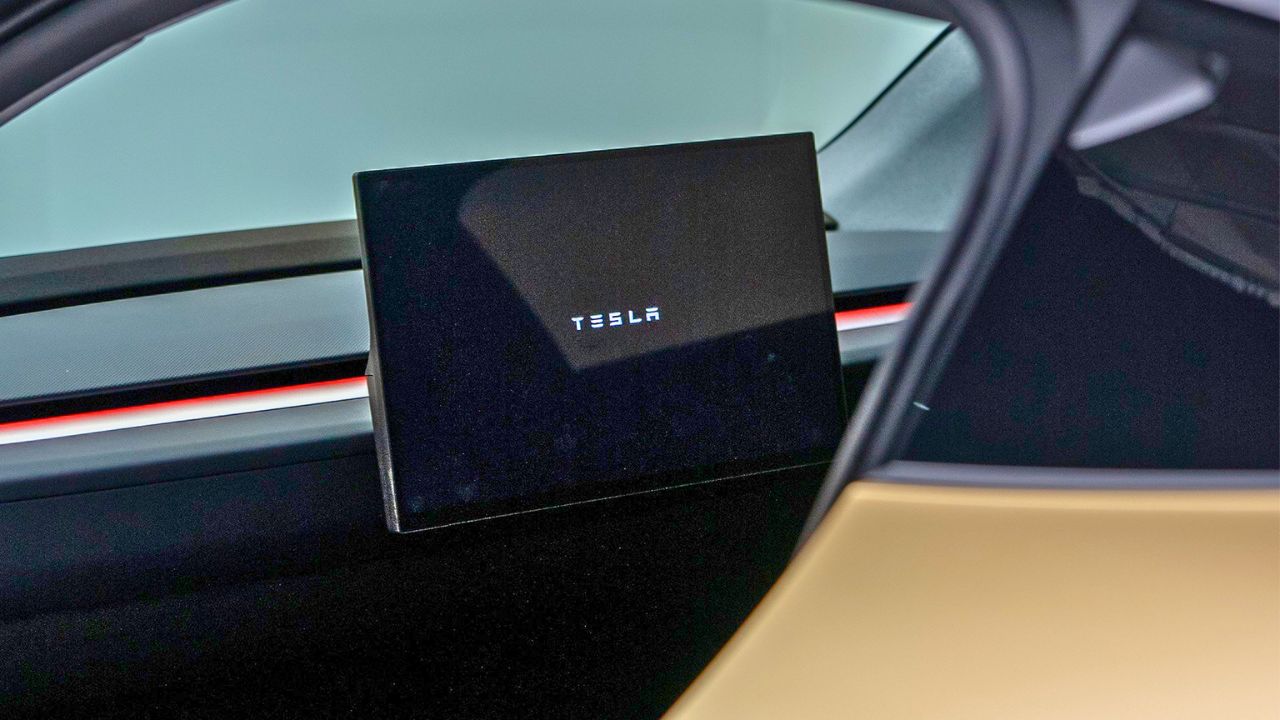
Tesla didn’t just talk about going driverless—they built the Cybercab without basic driving controls. No steering wheel. No pedals. No gear selector. It’s all handled by Tesla’s FSD software, camera suite, and neural net processing system.
This isn’t a retrofit of an existing car—it’s built for Level 5 autonomy from the start. While legal approval is still a moving target, the hardware is locked in for a future where human input is completely optional—or removed entirely.
Designed for Fleet Life, Not Individual Ownership

The Cybercab isn’t aimed at Tesla buyers. It’s built for fleet deployment in urban environments. The goal? A self-sustaining, app-based ride-hailing network that undercuts Uber, Lyft, and taxis by removing the driver from the equation entirely.
That also means durability and uptime are critical. The body panels are likely shared with the Cybertruck’s exoskeleton for cost and toughness. Interiors are simplified for cleaning and maintenance. It’s a tool—one designed to work around the clock.
Sliding Doors, Low Floor, Quick In and Out

Accessibility matters in a vehicle built for constant pickups. The Cybercab uses large sliding doors and a flat floor to make entry easy for all types of passengers. There are no steps, no bulky pillars in the way, and no driver seat to work around.
That layout supports faster pickups and drop-offs in crowded urban settings. It’s not about comfort in the traditional luxury sense—it’s about getting in, getting out, and getting on with your day. Clean design, fast turnover.
Software-First Driving Experience

Tesla’s software stack takes center stage in the Cybercab. FSD hardware is built in from day one, including an upgraded sensor suite and custom AI chips likely running on Tesla’s Dojo training infrastructure.
Everything from navigation to passenger personalization will be handled by software. Think predictive routing, proactive cabin settings, and over-the-air updates for every function. Tesla’s banking on its vertical integration to make this system scale efficiently, both technically and economically.
It’s a Prototype—But Closer Than You Think
Elon Musk’s timelines are rarely conservative, but the 2024 Cybercab isn’t a vaporware concept. Tesla claims the production version could arrive in 2025, possibly starting in markets with favorable autonomous vehicle legislation.
That said, the regulatory side remains a real hurdle. Full approval for driverless cars at scale is still tied up in red tape in many U.S. states and internationally. Tesla’s betting the hardware and tech will be ready before the law is—and that the demand will push policy forward.
A Glimpse at Tesla’s Next Big Business Move
The Cybercab represents more than just a new vehicle—it’s Tesla’s pitch for turning its FSD software into a ride-hailing empire. Owning a Tesla might take a backseat to using one on demand. This is less about car sales and more about controlling mobility.
It’s a future where cars don’t sit idle 95% of the time—they’re always moving, always earning. If Tesla makes it work, the Cybercab could shift the business model from personal transportation to a software-run fleet economy. It’s a big swing, and Tesla’s all in.
Like Fast Lane Only’s content? Be sure to follow us.
Here’s more from us: