When it comes to sports cars, expectations run high. However, not all models live up to the hype. Some vehicles, despite their sporty exteriors, fail to deliver in areas such as performance, handling, or overall value. Let’s take a closer look at nine sports cars that have left enthusiasts wanting more.
Aston Martin Cygnet
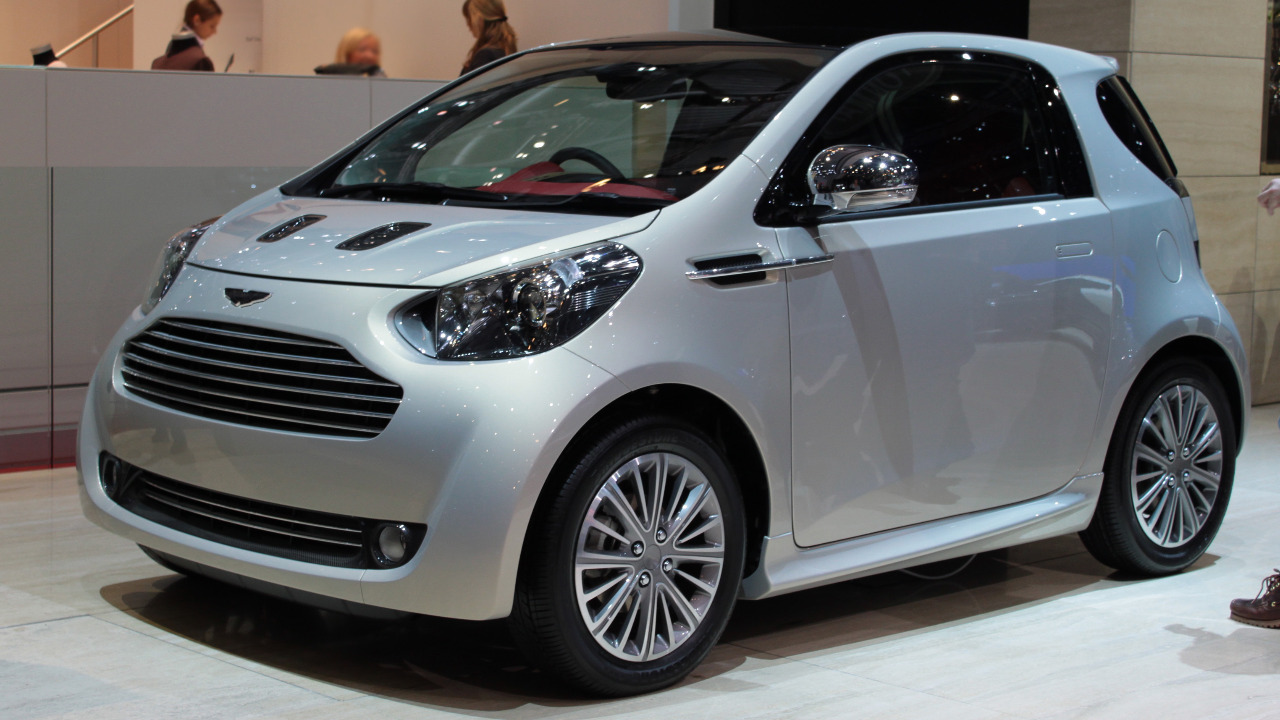
The Aston Martin Cygnet was a curious attempt to blend luxury branding with urban practicality. This model, produced between 2011 and 2013, was essentially a rebadged Toyota iQ with a high price tag. While it carried the Aston Martin badge, it lacked the performance and excitement associated with the brand’s sports cars, offering a mere 97 horsepower.
Intended as a city car, the Cygnet’s small engine and compact size didn’t align with the expectations of a sports car. Its high price and limited appeal ultimately led to its discontinuation, leaving many to question whether the Aston Martin badge was enough to justify its existence.
Lexus SC 430
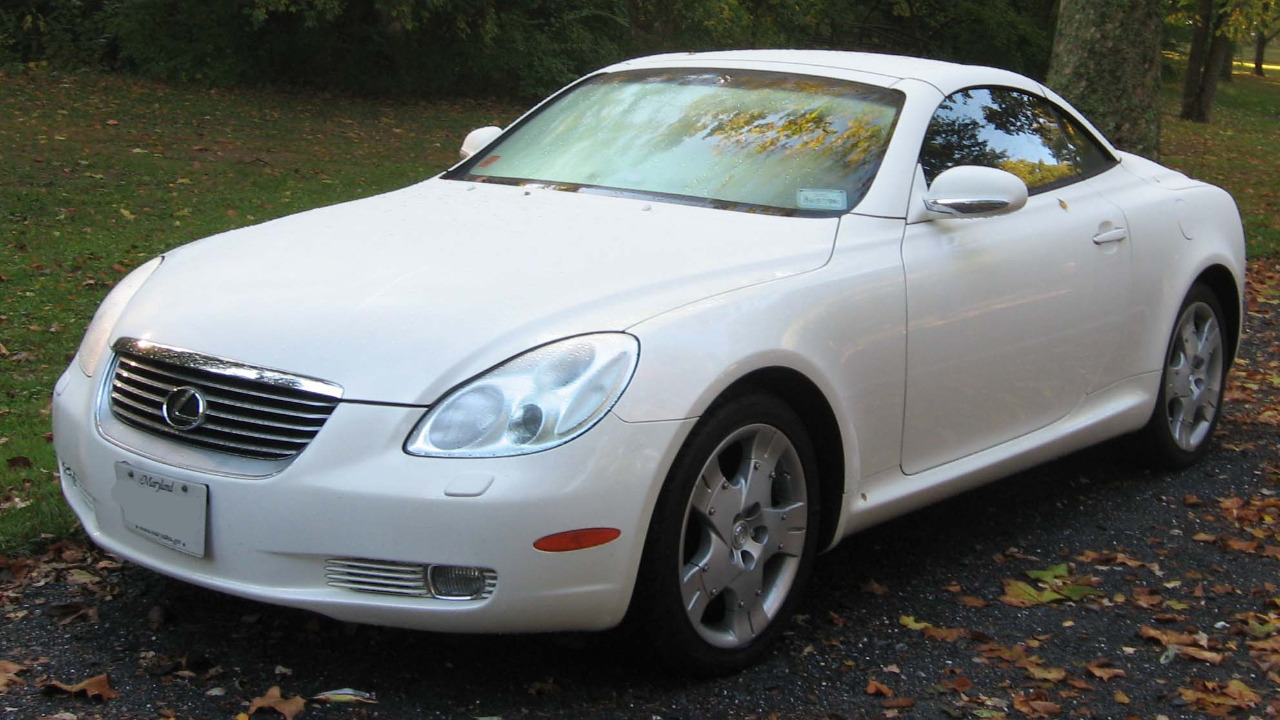
The Lexus SC 430, produced from 2001 to 2010, was marketed as a luxury sports coupe. Despite its sleek design and a retractable hardtop, it was criticized for its performance. Equipped with a 4.3-liter V8 engine, the SC 430 was more about comfort than speed, delivering a subdued driving experience.
Car enthusiasts often found the handling to be unremarkable, and the car’s weight hindered its agility. While it excelled in luxury and reliability, the SC 430 fell short in the sports car department, leaving thrill-seekers unimpressed.
Maserati Ghibli

The Maserati Ghibli holds a prestigious name, yet the modern iterations, particularly the models from 2013 onwards, have not lived up to their heritage. Critics often point out its underwhelming interior for its price range and inconsistent build quality.
The Ghibli’s performance is decent, but it struggles to compete with rivals in terms of driving dynamics and luxury. Despite its alluring design and brand prestige, the Ghibli hasn’t managed to set the sports car world alight, falling short of the expectations that come with the Maserati name.
Jaguar X-Type

The Jaguar X-Type, produced from 2001 to 2009, was intended to be a more accessible entry into the luxury brand. However, its Ford Mondeo underpinnings were hard to overlook. Critics often cited its average performance and lackluster driving experience as significant shortcomings.
While the X-Type offered all-wheel drive as a standard feature, it failed to capture the essence of a Jaguar sports car. The decision to target a broader market diluted the brand’s sports car appeal, leaving the X-Type as a missed opportunity in Jaguar’s lineup.
DeLorean DMC-12

Known more for its role in the “Back to the Future” films than its performance, the DeLorean DMC-12 had a stainless-steel body and gull-wing doors that turned heads. However, its 2.85-liter V6 engine produced only 130 horsepower, making it underpowered compared to its contemporaries.
The DMC-12’s handling was also criticized due to its weight distribution and suspension setup. Despite its iconic status, the DeLorean was more of a spectacle than a true sports car, failing to deliver the driving thrills one might expect from its futuristic design.
Pontiac Fiero

The Pontiac Fiero, produced from 1984 to 1988, aimed to be an affordable mid-engine sports car. Initially, it struggled with reliability issues and a lack of power, with early models offering only a 2.5-liter four-cylinder engine producing 92 horsepower.
Although later models improved with a V6 option, the Fiero’s reputation was already tarnished. Its innovative design and concept couldn’t compensate for its early mechanical shortcomings, leading to its inclusion in discussions about sports cars that missed the mark.
BMW Z8
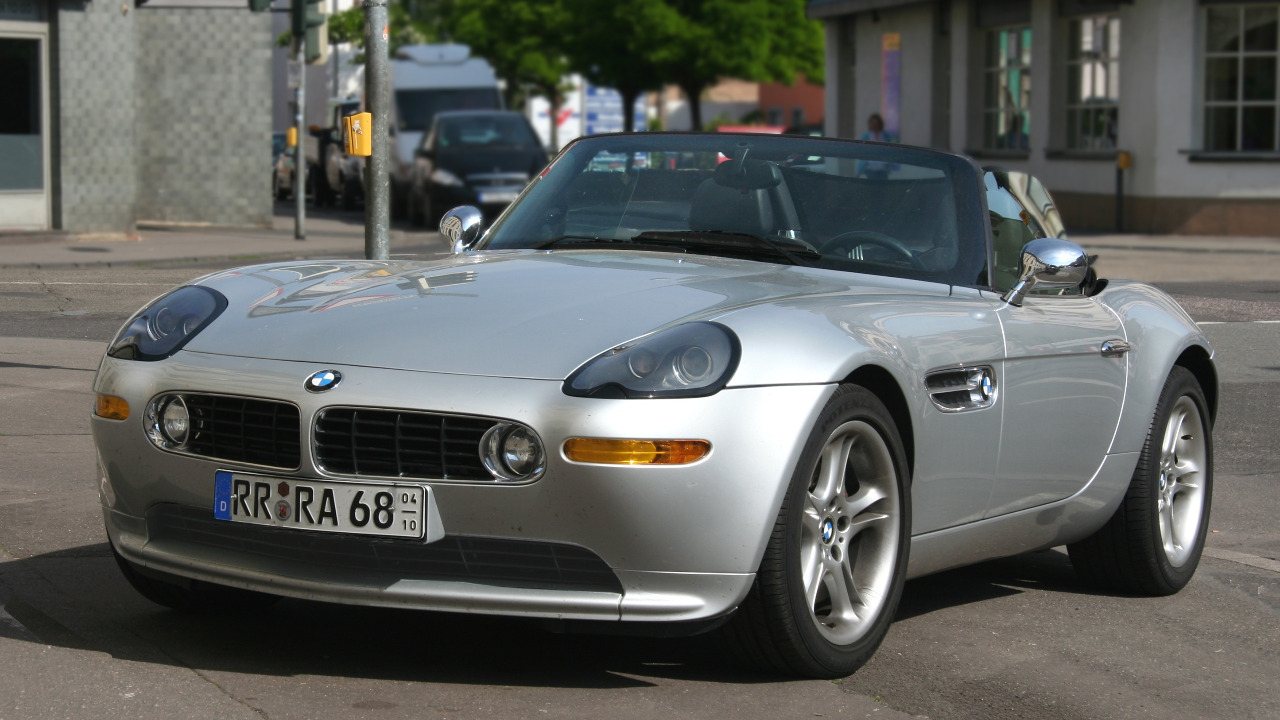
The BMW Z8, produced from 1999 to 2003, was a roadster that promised much but ultimately delivered a mixed bag. While its retro styling and powerful 4.9-liter V8 engine were highlights, the handling and ride quality were criticized as not being up to BMW’s usual standards.
The Z8’s high price and limited production numbers made it more of a collector’s item than a performance benchmark. Despite its place in James Bond’s garage, it struggled to impress driving enthusiasts seeking a pure sports car experience.
Alfa Romeo Brera

The Alfa Romeo Brera, produced from 2005 to 2010, was a stylish coupe that unfortunately suffered from a heavy chassis and lackluster performance. Despite its beautiful design and Italian flair, the Brera’s weight compromised its agility and driving dynamics.
Engine options, including a 2.2-liter four-cylinder and a 3.2-liter V6, offered moderate performance but were not enough to make the Brera a true sports car contender. While its aesthetics were a strong point, the driving experience left much to be desired for enthusiasts.
Chrysler Crossfire

The Chrysler Crossfire, produced from 2004 to 2008, was based on the first-generation Mercedes-Benz SLK. Despite its sporty looks, the Crossfire was often criticized for its mediocre performance and handling. The 3.2-liter V6 engine delivered adequate power but failed to excite.
The Crossfire’s interior was also noted for being cramped and dated, which detracted from its appeal. While it borrowed elements from a luxury marque, the Crossfire couldn’t shake off its image as a sports car that didn’t live up to expectations.
Like Fast Lane Only’s content? Be sure to follow us.
Here’s more from us:
- All New Trans Am: 10 Things You Need to Know
- The Fastest Farm Truck Ever Built
*Created with AI assistance and editor review.