In the automotive world, not all cars age like fine wine. Some vehicles, despite their initial popularity, fail to stand the test of time, either due to design flaws, changing consumer preferences, or technological shortcomings. Here’s a closer look at 12 cars that once captured the public’s imagination but have since become cautionary tales in car design.
Pontiac Aztek
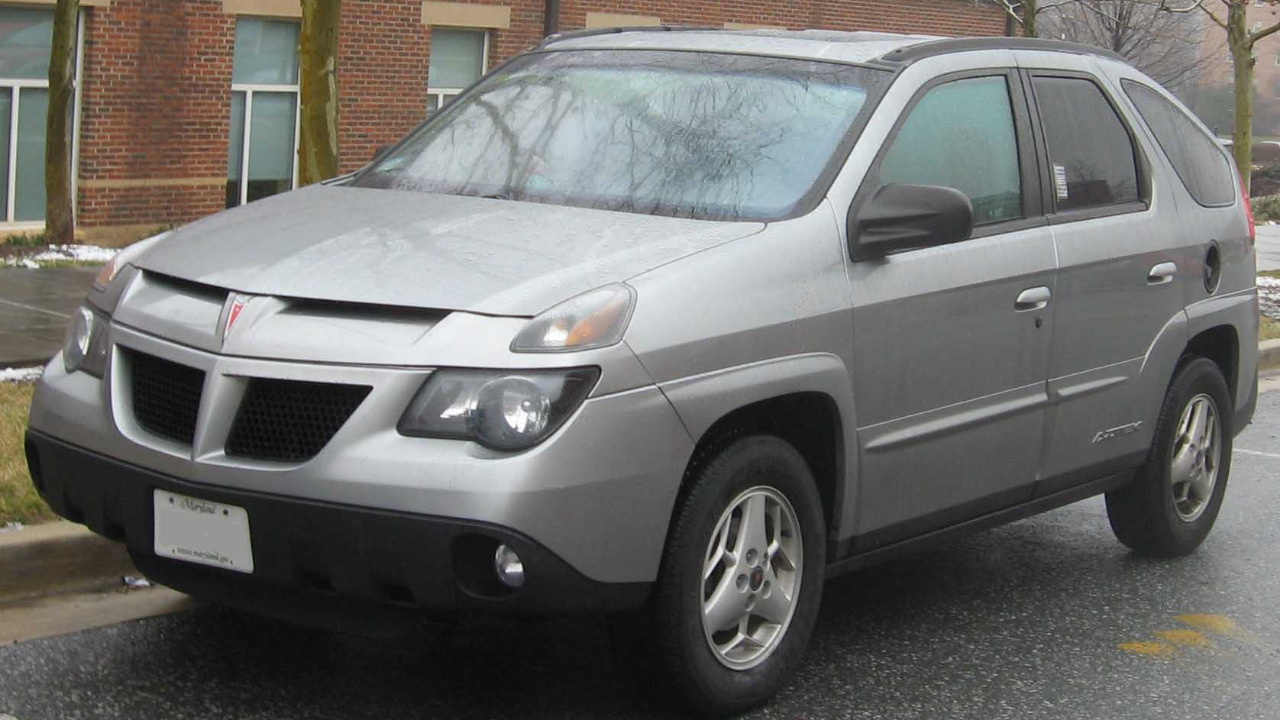
The Pontiac Aztek, produced from 2001 to 2005, was initially marketed as an adventurous crossover, but its unconventional design quickly became a punchline. The Aztek’s polarizing appearance overshadowed its practical features, such as a spacious interior and versatile cargo space. Despite a brief resurgence in popularity due to its role in the TV series “Breaking Bad,” the Aztek remains a symbol of design missteps in the early 2000s.
Many car enthusiasts regard the Aztek as one of the worst vehicles of all time, highlighting the importance of aesthetics in consumer preferences. Its failure played a significant role in the eventual demise of the Pontiac brand, serving as a lesson in the balance between function and form.
Chrysler PT Cruiser
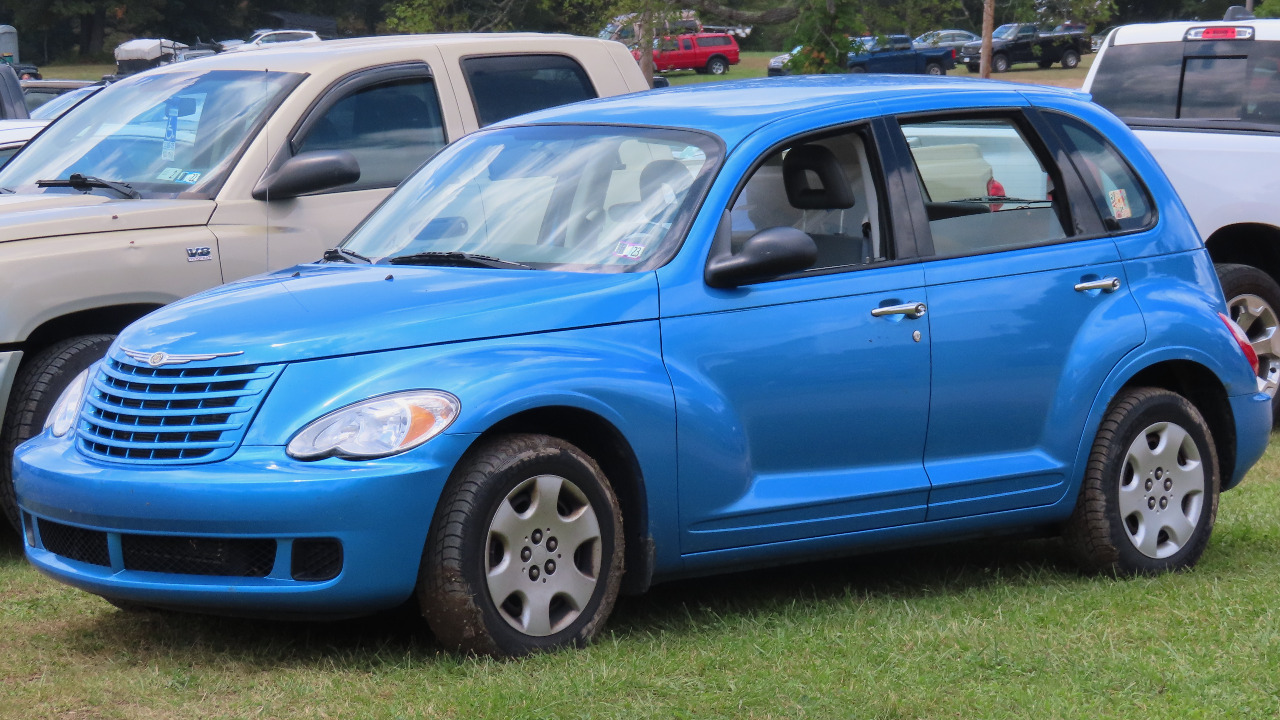
The Chrysler PT Cruiser’s retro styling was a hit when it debuted in 2000, appealing to buyers looking for nostalgia with modern convenience. However, as the novelty wore off, the car’s lack of performance, mediocre build quality, and outdated design led to its decline. By the time production ended in 2010, it had become more of an eyesore than a collectible.
While the PT Cruiser initially enjoyed strong sales, its inability to adapt to evolving automotive trends doomed it to be remembered as a fad. The car’s dated looks and lack of innovation have landed it a spot on many lists of unfavorably aged vehicles.
Hummer H2
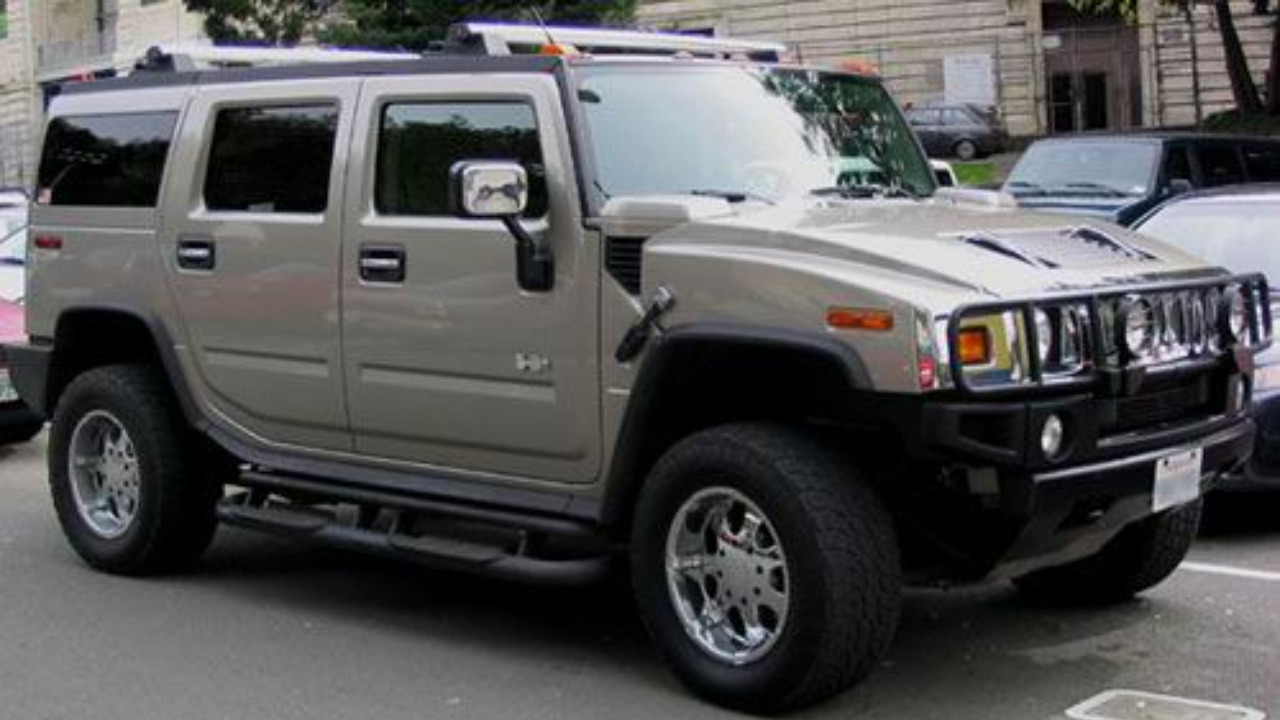
The Hummer H2 was the epitome of excess when it launched in 2002. Its massive size and aggressive styling appealed to those wanting a vehicle that stood out in a crowd. However, the H2’s poor fuel economy and impracticality soon became liabilities, especially as environmental concerns increased.
The H2’s oversized build and gas-guzzling nature eventually led to its downfall, with production ceasing in 2009. The Hummer brand has since been revived with electric models, but the H2 remains a reminder of the excesses of the early 2000s.
Ford Thunderbird (2002-2005)
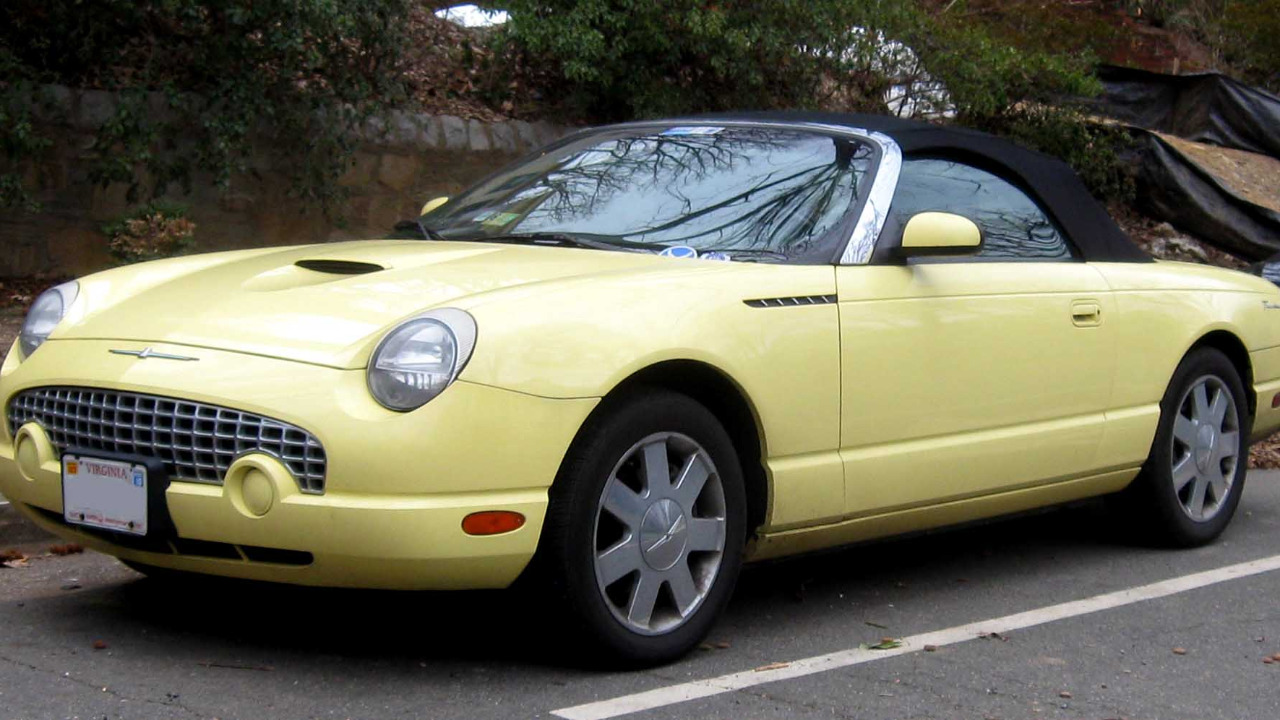
Ford’s attempt to revive the iconic Thunderbird in the early 2000s initially created buzz among enthusiasts. However, the retro-inspired design failed to capture the spirit of the original, and performance was lackluster compared to competitors. The new Thunderbird struggled to find its place in a market shifting towards modern and efficient vehicles.
Despite its historical significance, the 2002-2005 Thunderbird couldn’t sustain sales, leading to its discontinuation. This iteration is often cited as a missed opportunity to modernize a classic rather than relying solely on nostalgia.
Saturn Ion
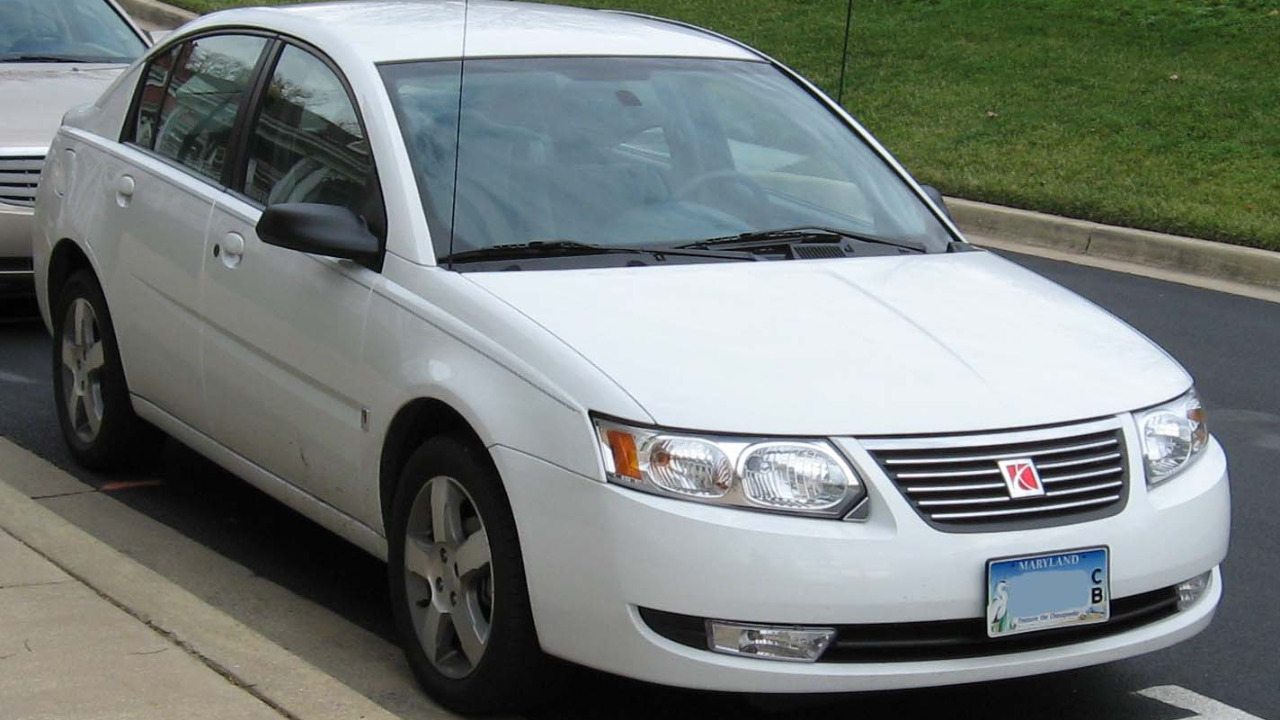
The Saturn Ion, produced from 2003 to 2007, was intended to attract younger buyers with its affordable price and quirky design. However, the Ion suffered from significant reliability issues, such as ignition switch failures that ultimately led to recalls. Its uninspired performance and low-quality interior further tarnished its reputation.
The Ion’s shortcomings contributed to Saturn’s eventual demise, as it failed to compete effectively against other compact cars in its class. This model is frequently mentioned in discussions about cars that did not age well.
Chevrolet SSR
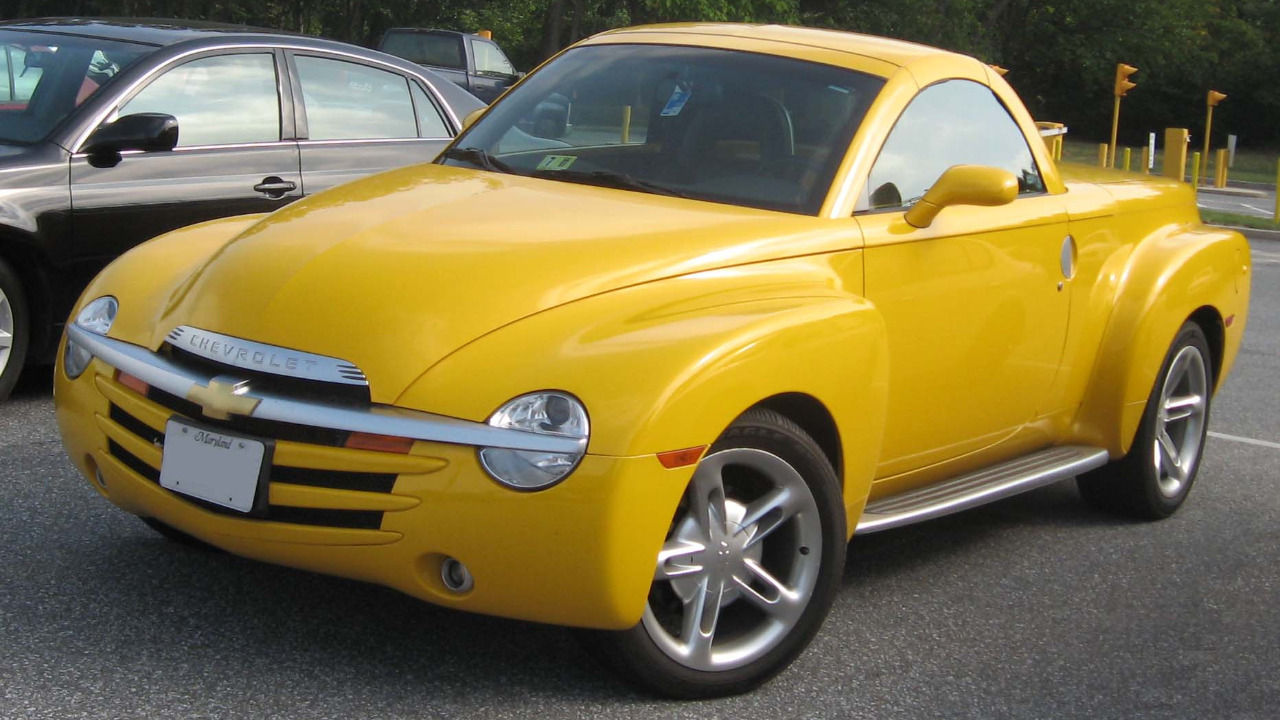
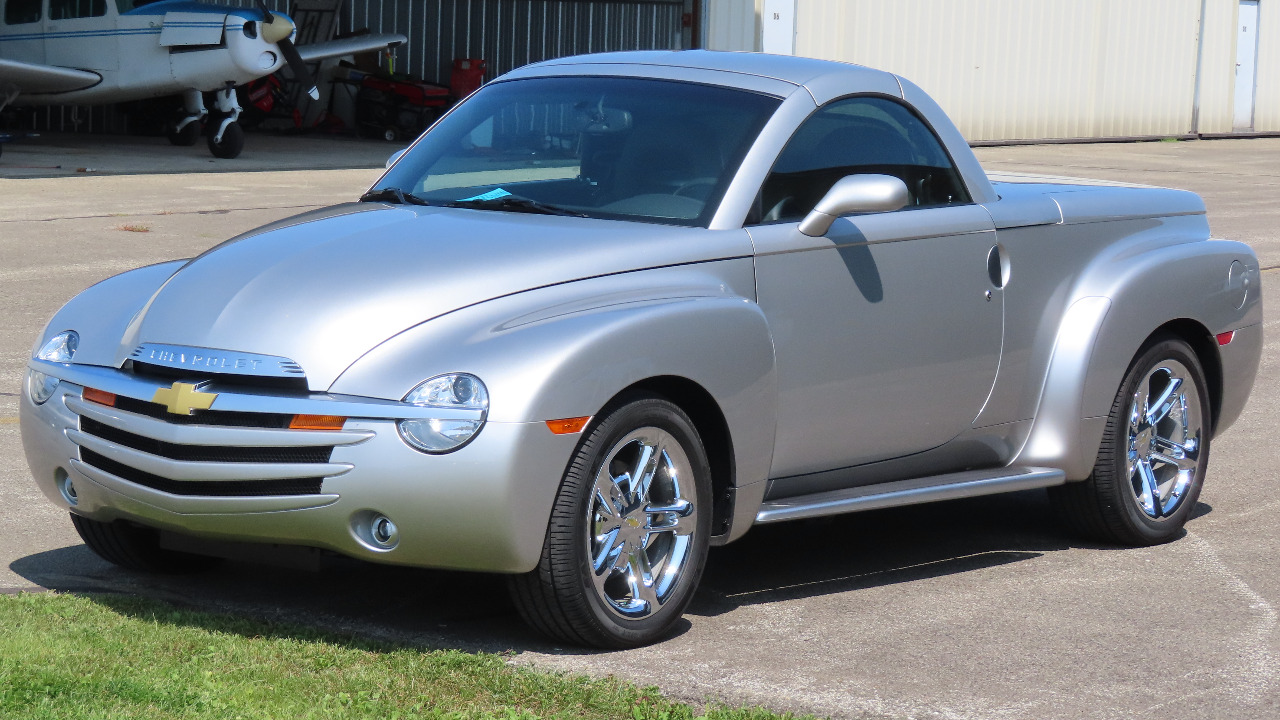
The Chevrolet SSR was an ambitious blend of a pickup truck and a retro roadster, launched in 2003. While its unique design attracted attention, the SSR’s heavy weight and unimpressive performance hindered its success. Its high price tag further limited its appeal to niche buyers.
By the time production ended in 2006, the SSR had failed to make a significant impact in the market. Its place in automotive history is often seen as a curiosity rather than a success story, illustrating the challenges of combining disparate vehicle concepts.
Mitsubishi Eclipse (4th Generation)
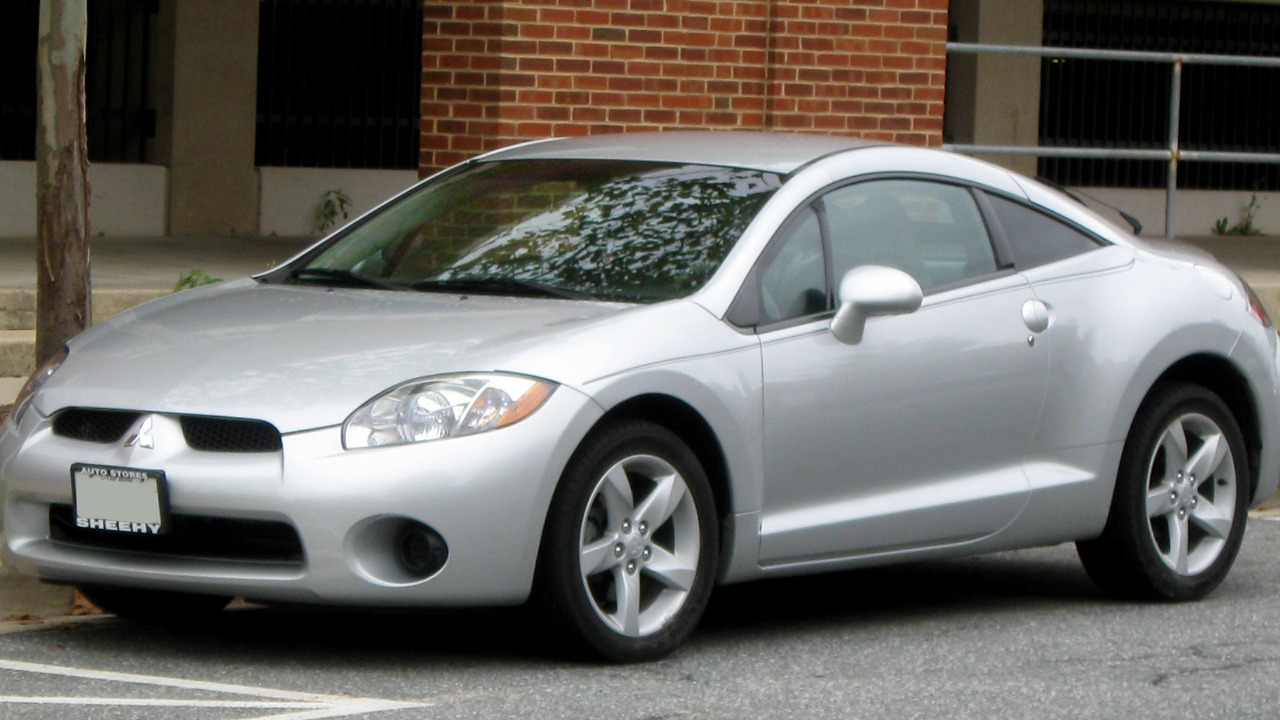
The fourth-generation Mitsubishi Eclipse, produced from 2006 to 2012, tried to capitalize on the sports car’s earlier success. However, it strayed from its roots, opting for a heavier build and less sporty handling. The Eclipse’s performance failed to match the expectations set by its predecessors, leading to a decline in popularity.
As the market shifted towards more efficient and versatile vehicles, the Eclipse struggled to remain relevant. This generation is often seen as a departure from the model’s sporty heritage, contributing to the Eclipse’s eventual discontinuation.
Dodge Caliber
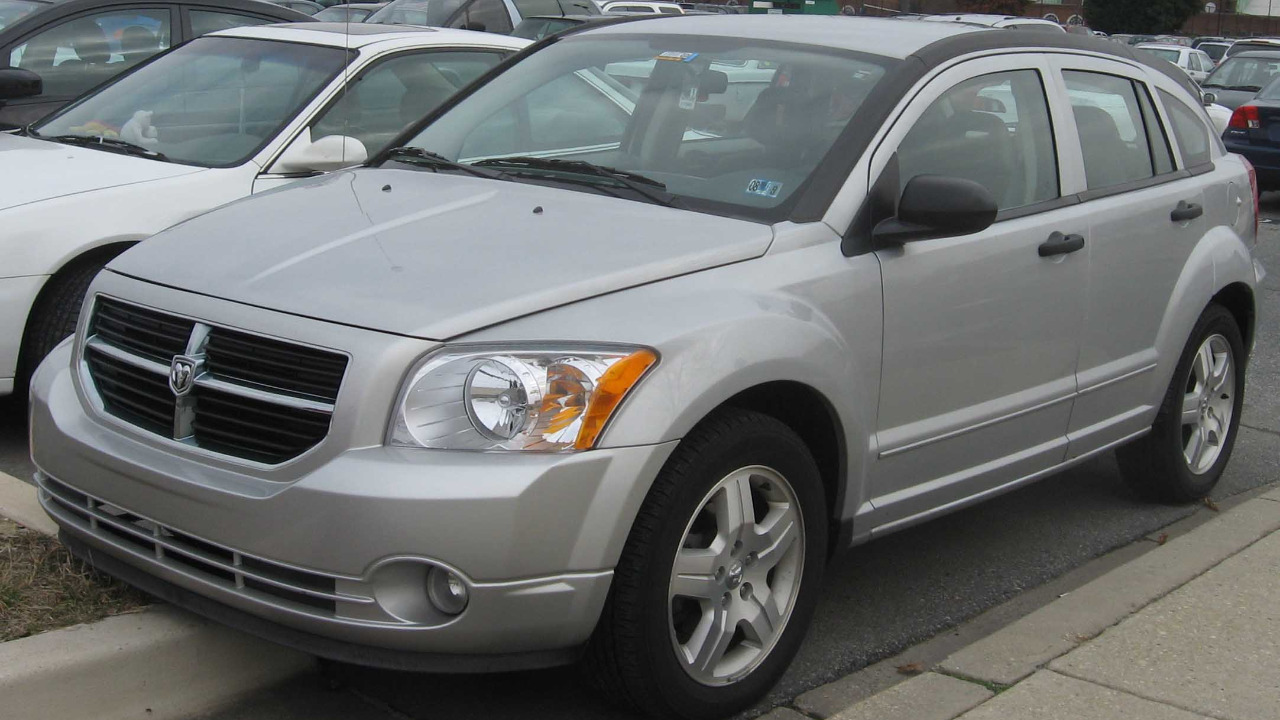
Introduced in 2006, the Dodge Caliber was marketed as a compact car with crossover-like features. Despite its aggressive styling, the Caliber was plagued by poor interior quality and subpar performance. Its lack of refinement and outdated technology quickly became apparent to consumers.
By the time it was discontinued in 2012, the Caliber had failed to make a lasting impression. Its shortcomings highlight the importance of quality and performance in the compact car segment, where competition is fierce.
Jaguar X-Type
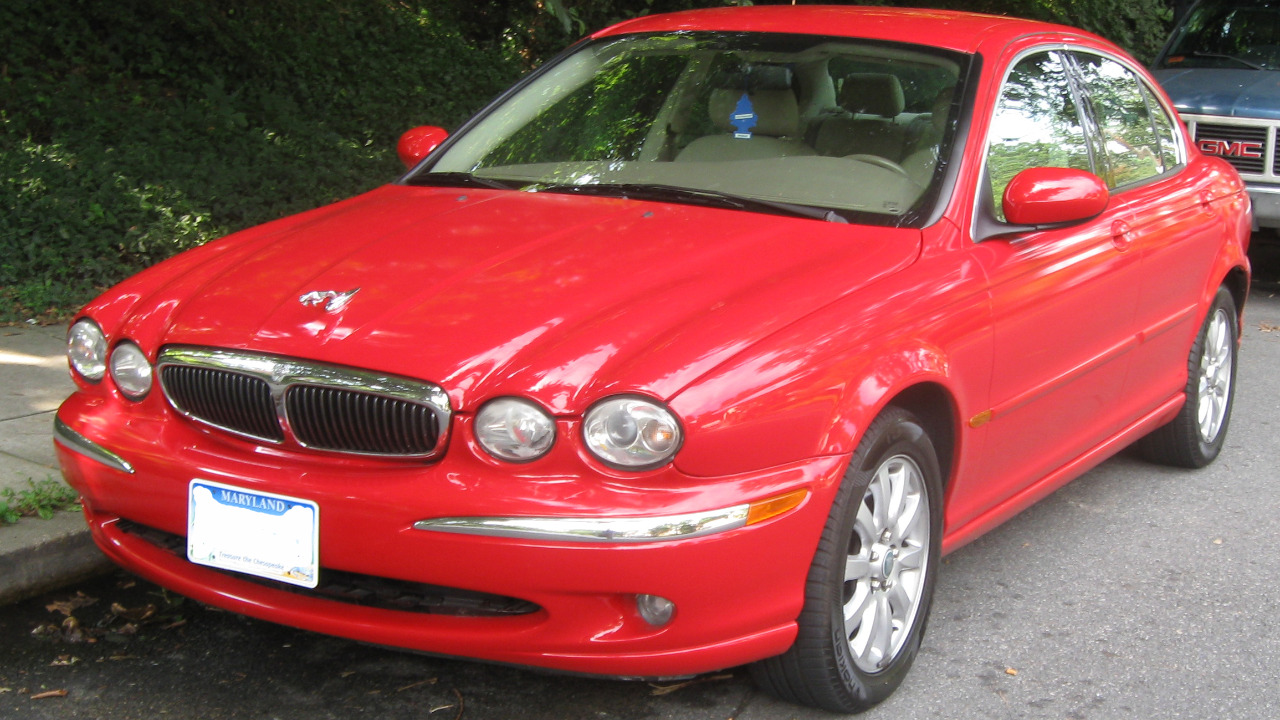
Launched in 2001, the Jaguar X-Type was intended to bring the luxury brand to a wider audience. However, its reliance on Ford Mondeo underpinnings and lack of refinement disappointed enthusiasts. The X-Type struggled to live up to Jaguar’s reputation for elegance and performance.
The X-Type’s production ended in 2009, marking it as a low point in Jaguar’s history. Its attempt to compete with entry-level luxury models fell short, serving as a cautionary tale about diluting brand identity.
Lincoln Blackwood
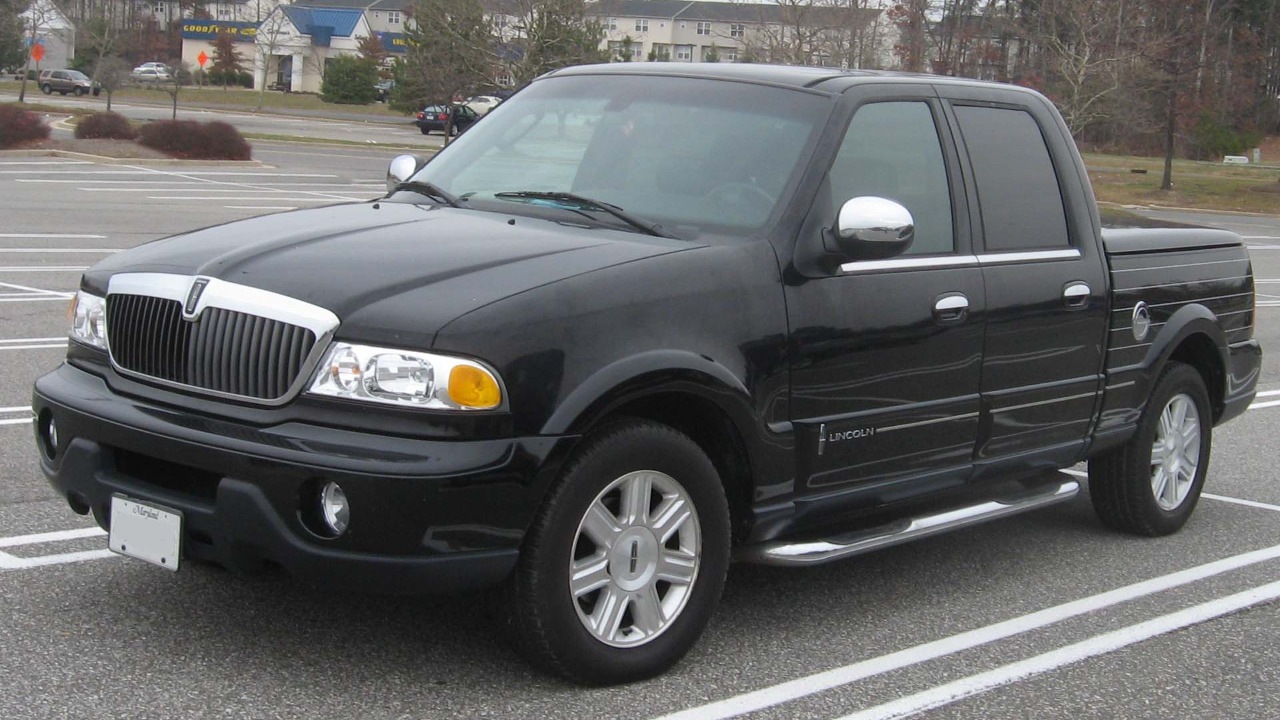
The Lincoln Blackwood, produced for just one model year in 2002, was an attempt to create a luxury pickup truck. Despite its unique concept, the Blackwood’s impractical design and high price kept it from gaining traction. Its lack of a functional truck bed further limited its appeal.
The Blackwood’s failure underscores the challenges of blending luxury with utility, especially when practicality is compromised. It remains a rare sight on the road, remembered more for its concept than its execution.
Nissan Murano CrossCabriolet
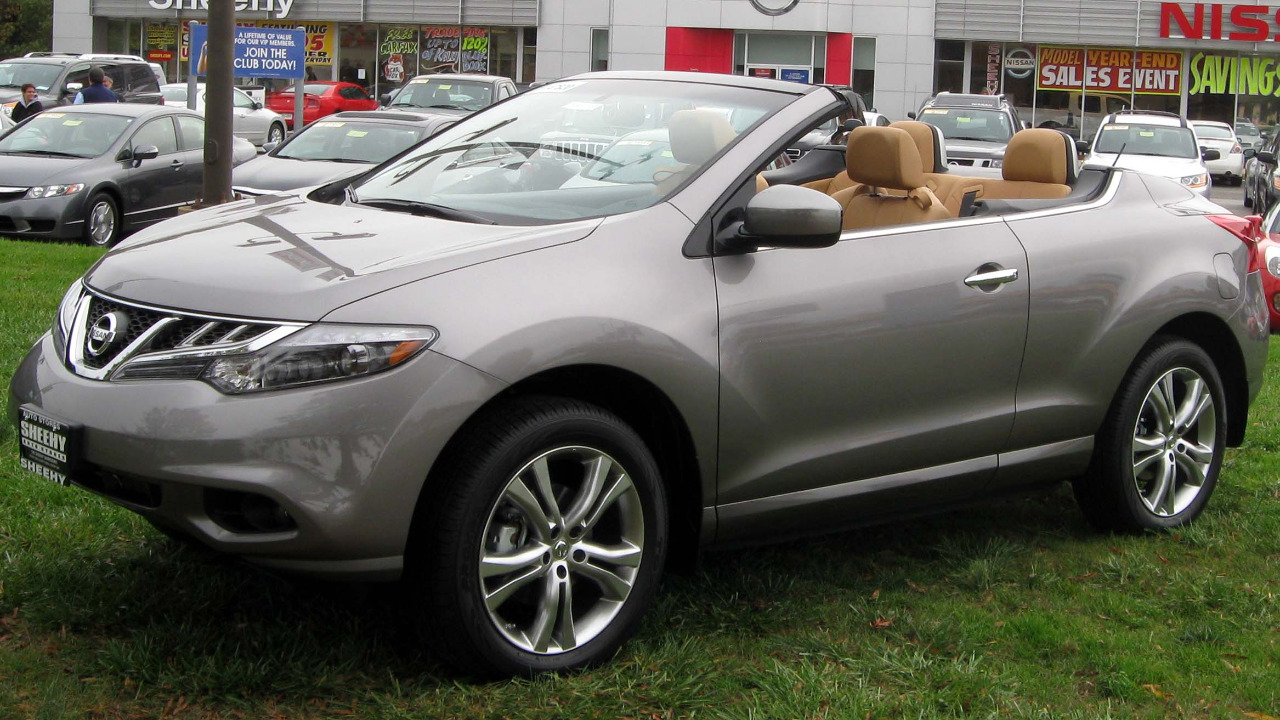
The Nissan Murano CrossCabriolet, introduced in 2011, was a bold attempt to create a convertible crossover. While its innovative design caught attention, the CrossCabriolet struggled with awkward proportions and a hefty price tag. Its niche appeal resulted in limited sales.
Production ended in 2014, and the CrossCabriolet is often cited as an example of an ambitious but flawed idea. Its legacy serves as a reminder of the risks involved in experimenting with unconventional vehicle designs.
Mercedes-Benz R-Class

The Mercedes-Benz R-Class, launched in 2006, aimed to blend the characteristics of a minivan, an SUV, and a luxury sedan. While it offered a spacious interior and high-end features, the R-Class struggled with its identity, failing to resonate with consumers seeking a clear purpose in their vehicles.
The R-Class was discontinued in 2013, with its mixed reception highlighting the challenges of creating a multi-purpose vehicle. Its place in automotive history is often seen as a misstep, overshadowed by more successful models in Mercedes-Benz’s lineup.
Like Fast Lane Only’s content? Be sure to follow us.
Here’s more from us:
- All New Trans Am: 10 Things You Need to Know
- The Fastest Farm Truck Ever Built
*Created with AI assistance and editor review.