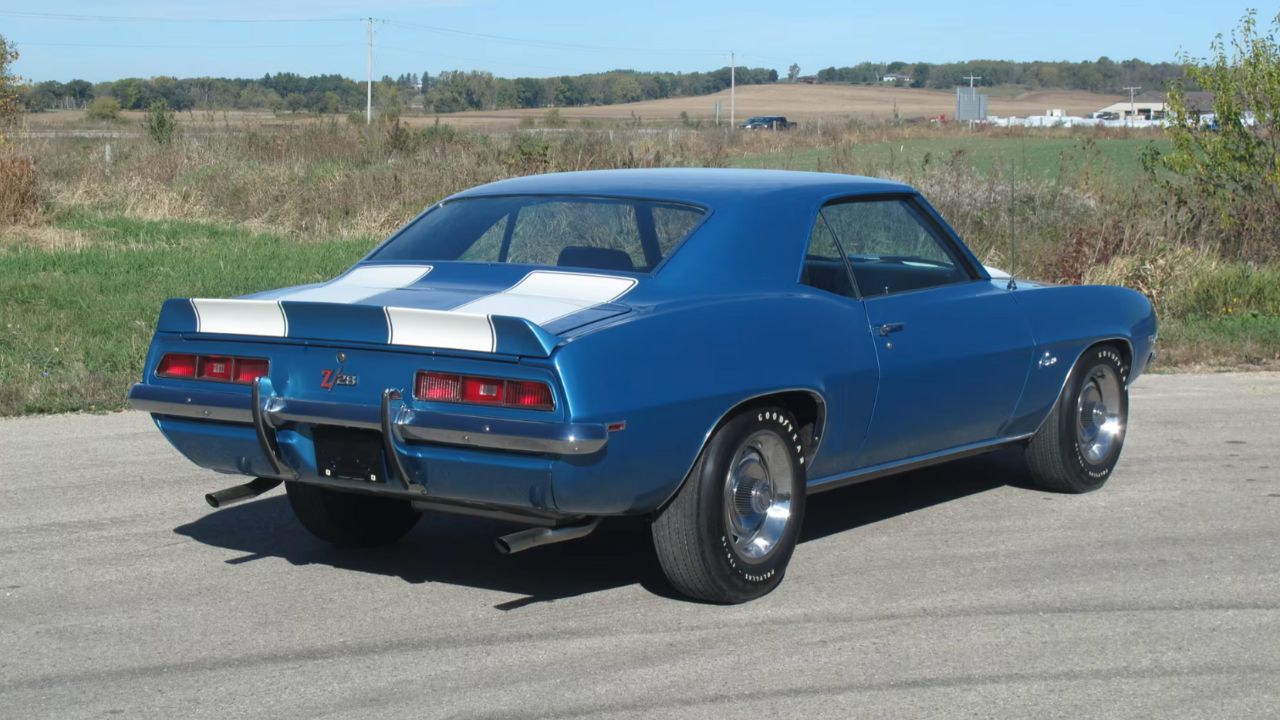
When the 1969 Chevrolet Camaro Z28 hit the streets, it wasn’t about flashy power numbers or bulky size. Instead, this Camaro focused on sharp handling, a high-revving small-block engine, and a lightweight setup designed to perform on tight corners. Built with Trans-Am racing rules in mind, the Z28 carved out a niche for those who wanted more than just straight-line speed. This car was a different kind of muscle—one tuned for balance, control, and a driving experience that still stands out today.
Lightweight and Ready to Run

To keep the weight down, Chevrolet stripped some of the extras out of the Z28. It came without air conditioning, power steering, or power brakes as standard, which helped it stay lean at just over 3,200 pounds.
That weight-saving focus made the car nimble on the road and track. For anyone used to heavy muscle cars, the Z28’s lighter feel was a noticeable difference. It wasn’t just about power—it was about how well it used that power.
The Heart: 302 Cubic Inches of Firepower

The ’69 Camaro Z28 came packing a 302 cubic inch V8 designed specifically for Trans-Am racing. It pushed out a healthy 290 horsepower, though many say it was underrated. This small-block was high-revving and built to scream up to 7000 RPM, making it an unusual muscle car focused on balance over brute force.
It used solid lifters and a high-performance camshaft to keep things lively. The 4-barrel carburetor helped it breathe, while the short stroke meant it excelled at quick acceleration rather than just raw torque. This engine was purpose-built for tight corners and quick bursts.
Suspension Tuned for the Twisties
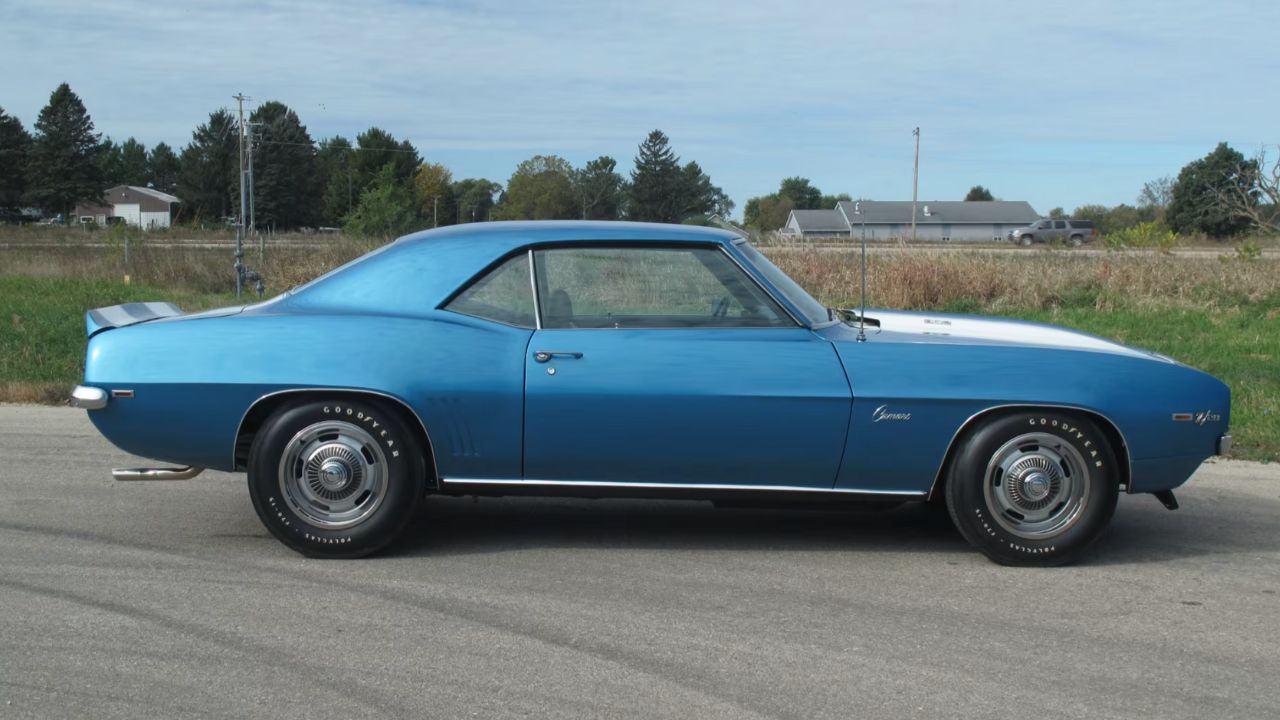
The Z28 featured a special suspension setup tailored for road racing. Up front, it had heavier-duty coil springs and larger sway bars than the standard Camaro, which helped reduce body roll through corners.
The rear had four-link leaf springs with a solid axle, but with extra attention to geometry for improved handling. The combination made the Z28 stick to corners better than its muscle car peers, trading some straight-line brute strength for sharper handling and grip.
The 4-Speed Manual Transmission
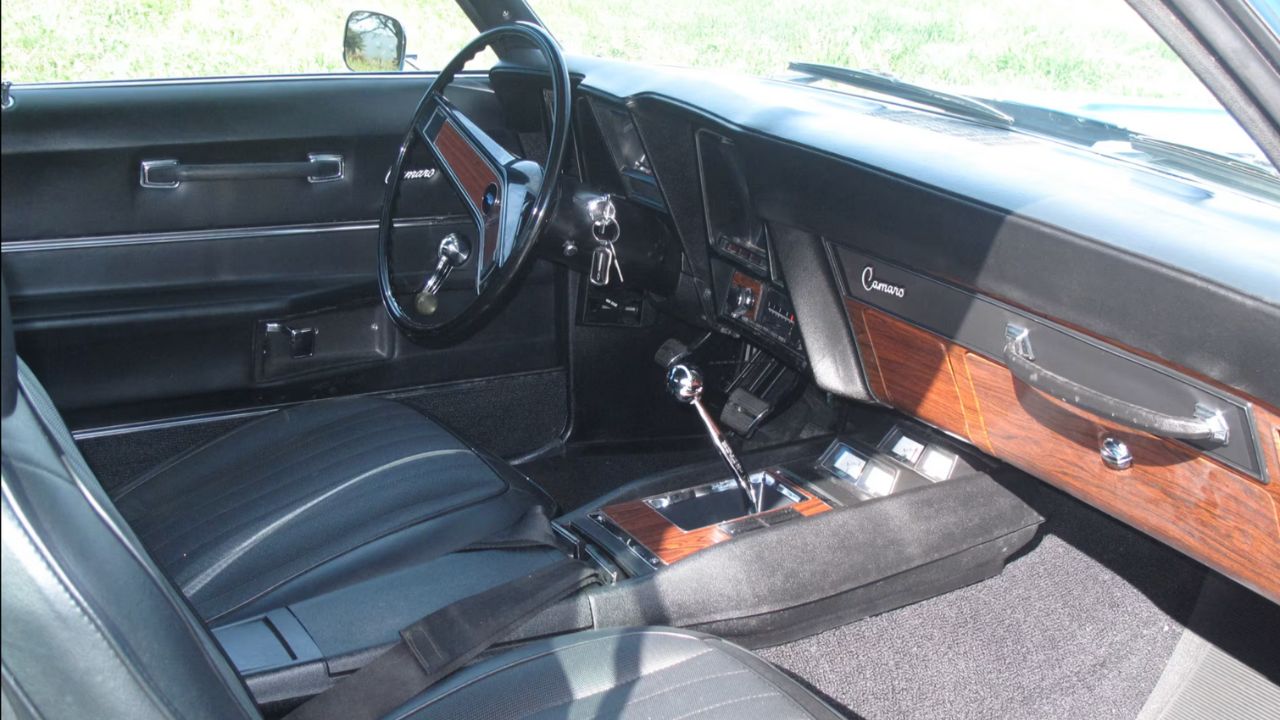
A four-speed manual was the Z28’s transmission of choice, giving drivers full control over the rev-happy 302. The close-ratio gearbox was designed to keep the engine in its sweet spot, allowing quick shifts and rapid acceleration.
The shifter’s placement in the center console made for an engaging, connected driving experience. Unlike some muscle cars that came with automatics, the Z28 was clearly aimed at drivers who wanted to be part of the action.
Interior Basics with a Purpose
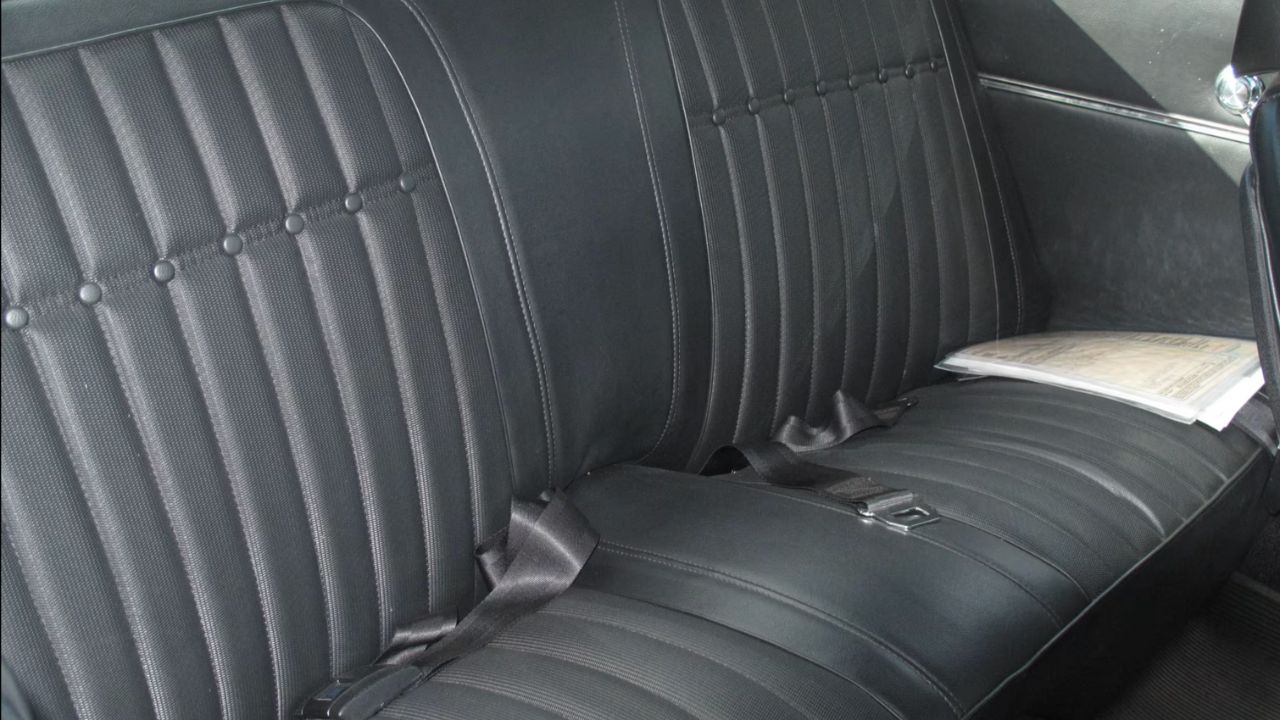
Inside, the ’69 Camaro Z28 kept things straightforward. It had vinyl bucket seats and a simple but functional dashboard with a prominent tachometer—key for keeping an eye on those high RPMs.
No luxury frills here; the focus was on performance and driver awareness. The interior was snug and driver-centric, giving a clear view of the gauges and easy reach to the shifter, emphasizing function over comfort.
Heavy-Duty Braking System
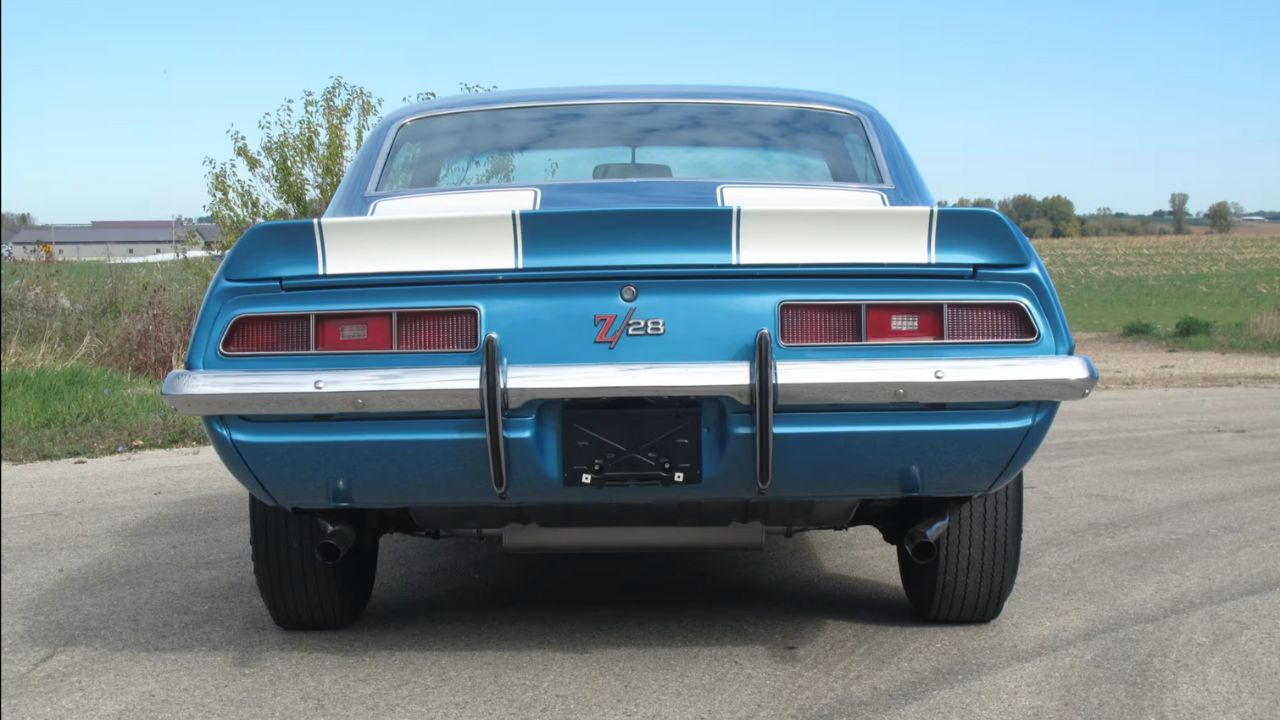
Stopping power came courtesy of front disc brakes paired with rear drums. For ’69, this was a solid setup, especially on a car designed to hit corners fast. The disc brakes helped prevent fade during aggressive driving.
Though not as advanced as modern systems, the brakes worked well with the Z28’s lighter weight and handled the car’s spirited driving style without complaint, offering decent control when slowing from high speeds.
Unique Z28 Styling Touches
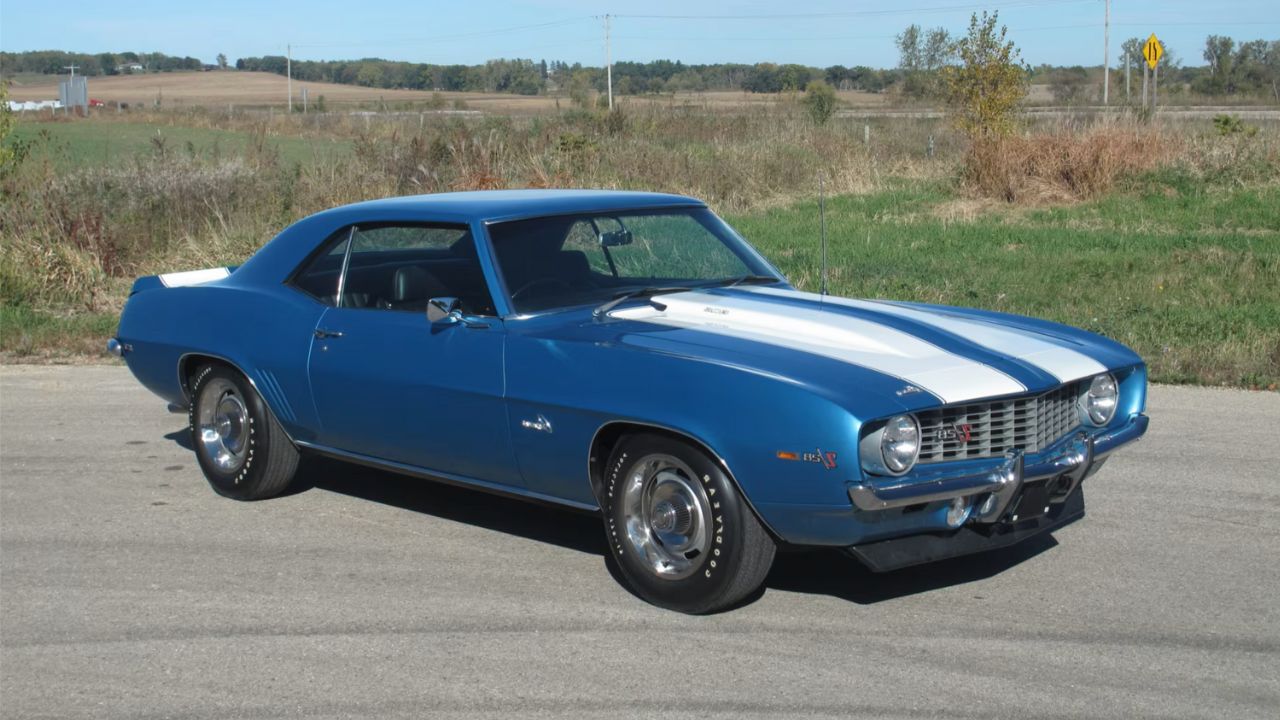
Visually, the Z28 was understated but purposeful. It featured a cowl induction hood scoop to help draw in cooler air, and special striping along the sides that hinted at its racing pedigree without going over the top.
The grille and badging were specific to the Z28 package, making it recognizable but not flashy. This was a car that let performance speak louder than paint jobs or chrome.
Limited Production, Lasting Impact
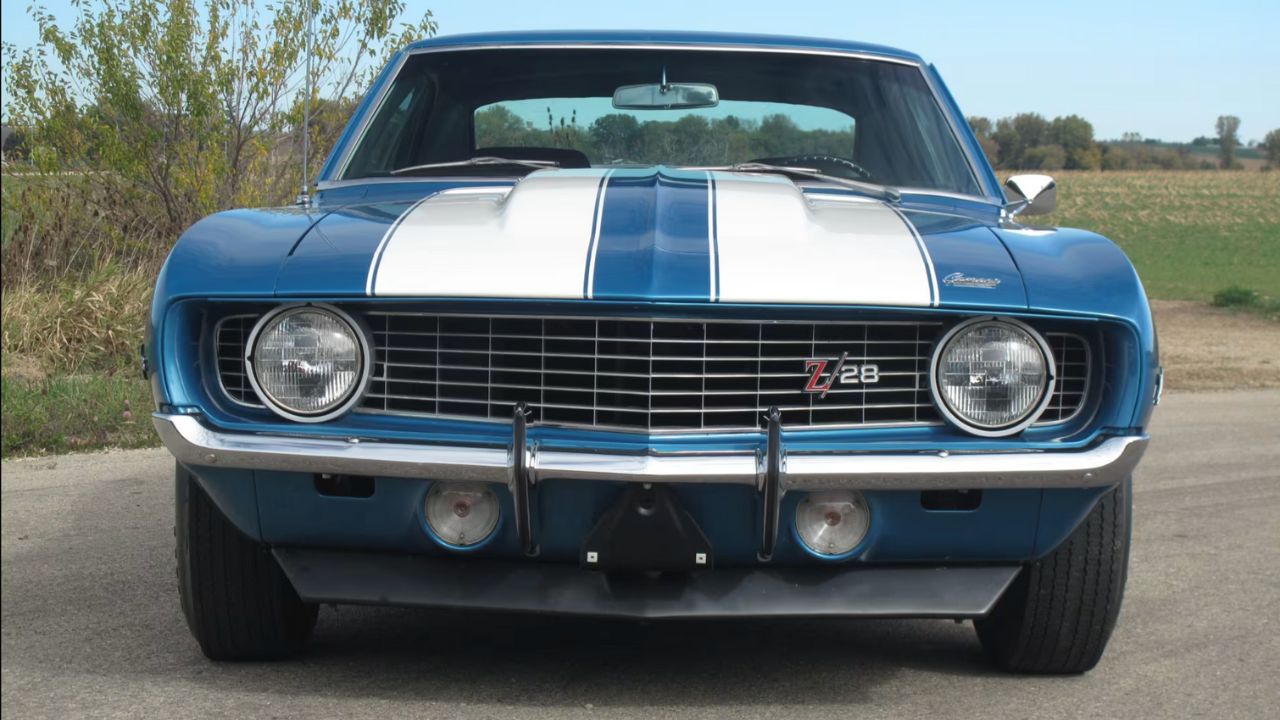
Chevrolet made just over 8,000 Z28s in 1969, making it a relatively rare sight compared to other Camaro trims. Its limited numbers and racing origins made it a sought-after car for those who knew what it was.
Its success in Trans-Am racing cemented the Z28’s place in muscle car history, influencing how manufacturers approached sporty, nimble cars over pure horsepower in the years that followed.
The Tires That Held It Together
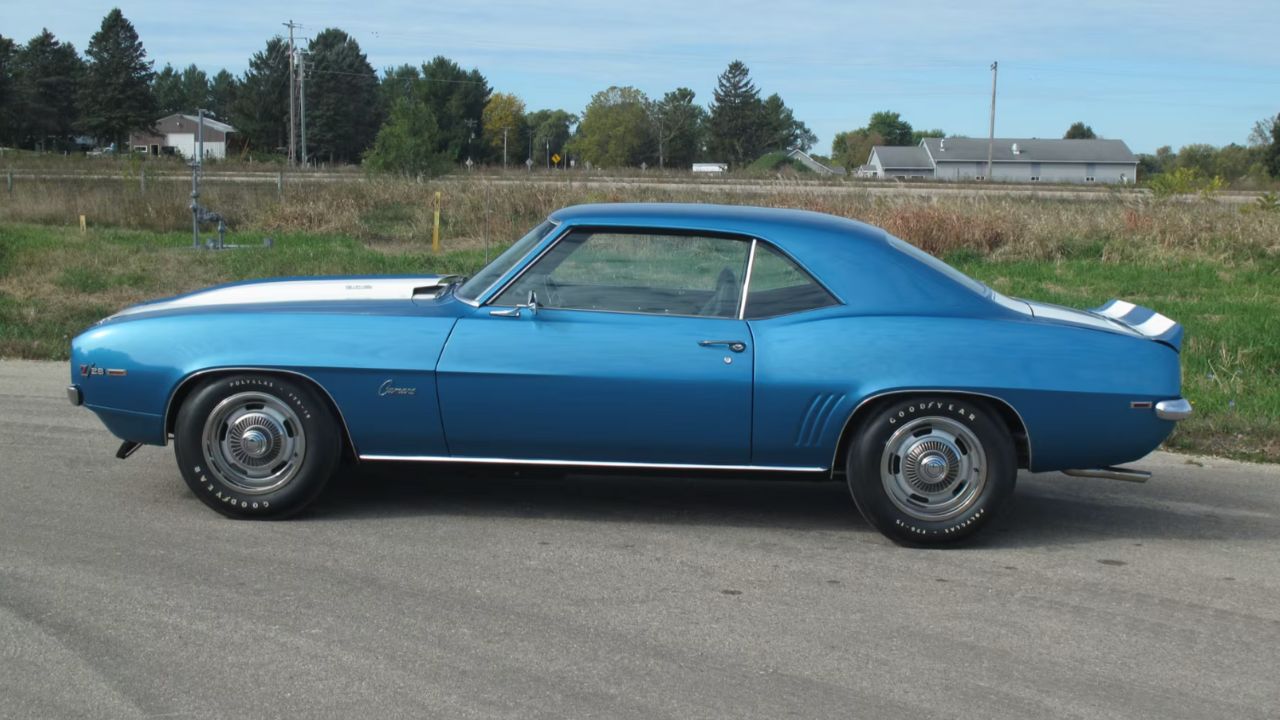
The Z28 rolled on 14-inch wheels wrapped with Goodyear Polyglas tires—a bias-ply setup popular at the time. These tires offered a balance between grip and durability, important for road courses with plenty of tight corners.
While modern tires have advanced, these were state-of-the-art for the era and contributed significantly to the Z28’s ability to handle better than many muscle cars focused only on straight-line speed.
The Trans-Am Connection
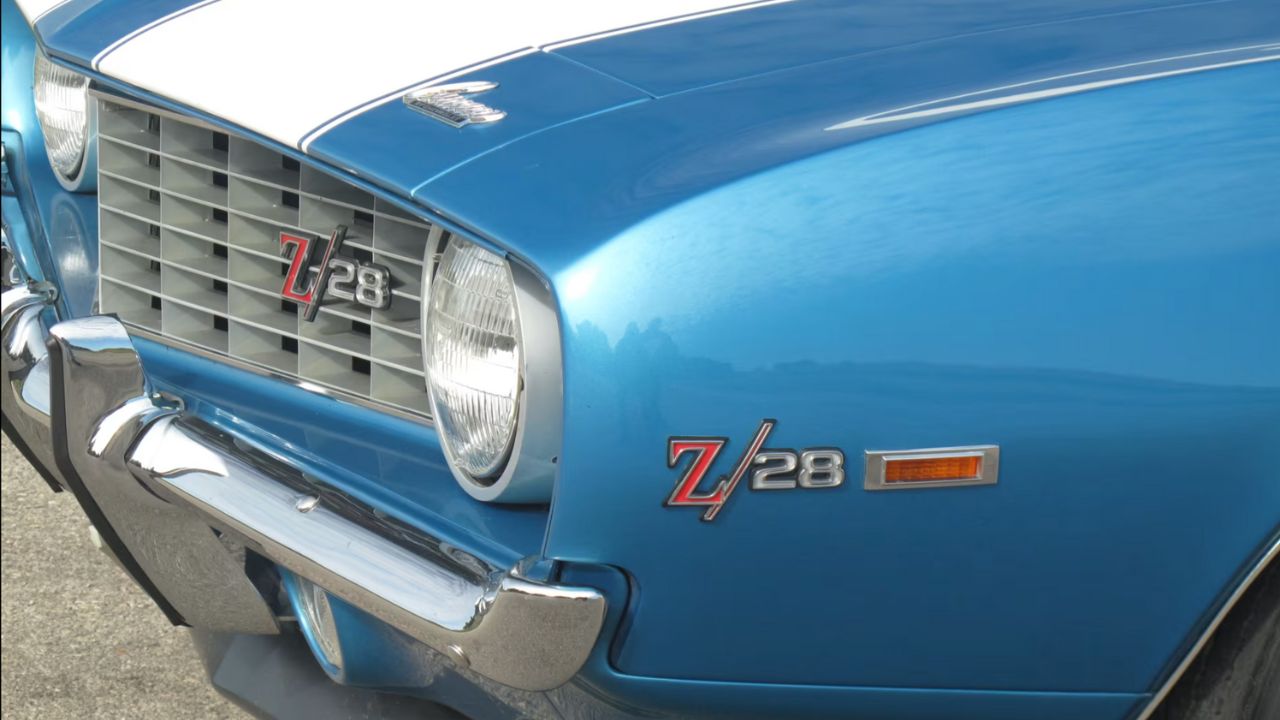
The Z28 package was born from Chevy’s desire to compete in the SCCA Trans-Am series, where engine displacement was limited to 5 liters. That 302 V8 fit perfectly within the rules, turning the Camaro into a competitive race car.
This racing focus shaped nearly every aspect of the Z28—from engine choice and suspension to weight savings—resulting in a car that was as capable on the track as it was exciting on the street.
Like what you read? Here’s more by us:
*Created with AI assistance and editor review.