In the automotive world, reliability is a critical factor when choosing between vehicle types. SUVs and pickup trucks dominate the market, each offering distinct advantages and challenges. Delving into how these two popular vehicle categories compare in terms of reliability reveals interesting insights.
SUV Reliability: The Essentials
Design and Engineering Factors
The construction of SUVs often involves a choice between unibody and body-on-frame designs, each with its own implications for durability. Unibody construction, seen in models like the 2023 Honda CR-V, offers a lighter and more car-like ride, which can be advantageous for fuel efficiency and handling. However, this design may be less durable under heavy loads compared to the body-on-frame construction used in more rugged SUVs like the 2022 Toyota 4Runner.
Modern SUVs are also equipped with a plethora of electronic systems and technology integrations, ranging from advanced infotainment systems to driver-assistance features. While these technologies enhance the driving experience, they can introduce new reliability concerns, as seen in the frequent software updates and recalls for models like the 2021 Ford Explorer.
Common Reliability Issues
Common mechanical issues in SUVs often involve engine and transmission components. For instance, the 2020 Chevrolet Equinox has faced reports of excessive oil consumption and transmission failures. Electronic problems, such as malfunctioning infotainment systems, are also prevalent, leading to significant consumer dissatisfaction.
Recalls are another indicator of reliability challenges. SUVs like the 2021 Jeep Grand Cherokee have experienced recalls for issues ranging from electrical system malfunctions to steering problems, highlighting areas where manufacturers struggle to maintain reliability.

Pickup Truck Reliability: The Essentials
Heavy-Duty Design Benefits
Pickup trucks are traditionally built using body-on-frame construction, which enhances their durability and towing capabilities. The 2023 Ford F-150, for example, benefits from this design, making it a popular choice for heavy-duty tasks and off-road adventures. This construction method generally contributes to a longer lifespan for pickups compared to unibody SUVs.
Drivetrain options also play a significant role in reliability. Pickup trucks offer various configurations, such as rear-wheel drive, four-wheel drive, and all-wheel drive, each affecting the vehicle’s performance and maintenance needs. The 2024 Chevrolet Silverado, with its range of engine and drivetrain options, illustrates how these choices can impact overall reliability.
Frequent Reliability Concerns
Despite their rugged construction, pickup trucks are not immune to mechanical failures. The 2022 RAM 1500 has been reported to have issues with its suspension system and electrical components, which can lead to costly repairs. Additionally, the complexity of modern diesel engines in pickups can pose reliability challenges.
Recalls are also common in the pickup truck segment. For instance, the 2021 Nissan Frontier faced recalls related to potential transmission fluid leaks and brake system concerns, reflecting some of the frequent issues found in this vehicle category.
Factors Influencing Reliability in Both Categories
Usage and Maintenance
How vehicles are used significantly impacts their reliability. SUVs are often chosen for family transport and urban driving, which can lead to different wear patterns compared to pickups, which are frequently used for towing and off-road activities. The 2025 Subaru Outback, for instance, might experience different reliability issues compared to a workhorse like the 2025 GMC Sierra 2500.
Regular maintenance is crucial for improving the longevity of both SUVs and pickup trucks. Adhering to the maintenance schedules for oil changes, tire rotations, and other routine services can prevent many common issues. The 2026 Toyota Tacoma, known for its durability, exemplifies how consistent maintenance contributes to long-term reliability.
Technological Advancements
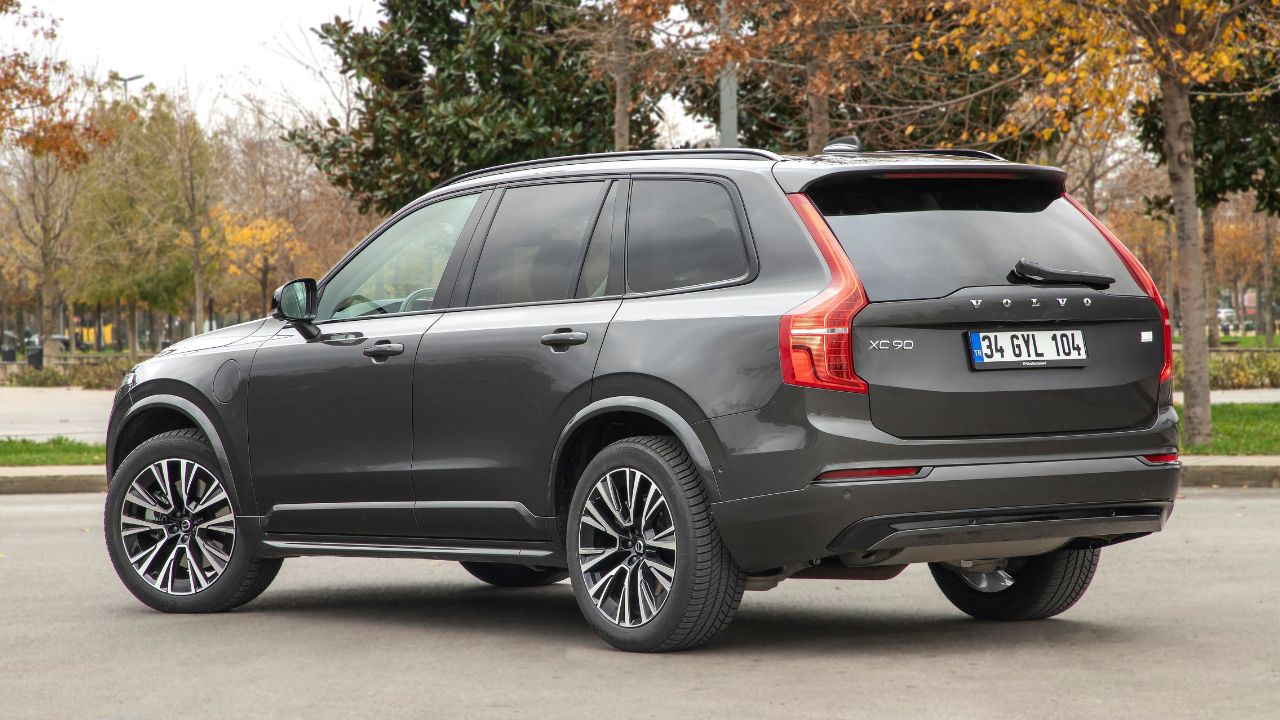
Advanced technology plays a dual role in vehicle reliability. While features such as advanced driver-assistance systems (ADAS) in the 2024 Volvo XC90 can enhance safety and driving convenience, they also introduce new points of failure. The integration of hybrid and electric powertrains, as seen in the 2023 Rivian R1T, further complicates the reliability landscape by adding complex systems that require specialized knowledge and care.
Consumer Perspectives and Expert Opinions
Surveys and Consumer Reports
Consumer satisfaction surveys often reflect the reliability trends in SUVs and pickup trucks. According to a recent survey, the 2021 Kia Telluride received high marks for reliability, thanks to its strong performance and limited number of reported issues. In contrast, the 2020 Ford Ranger faced criticism for frequent electronic malfunctions.
Industry experts also weigh in on reliability trends. Analysts often point to the increasing complexity of vehicles as a challenge, while also noting that brands like Toyota continue to uphold strong reliability records in both SUVs and pickups.
Real-World Reliability Experiences
Anecdotal evidence from vehicle owners adds another layer of insight. Owners of the 2022 Hyundai Palisade have reported satisfaction with its reliability, citing minimal repair needs and downtime. Conversely, some 2020 RAM 2500 owners have expressed frustration over repeated visits to the service center for engine-related repairs.
Repair costs and vehicle downtime are significant considerations for consumers. While SUVs may incur higher repair costs for electronic systems, pickup trucks often face expensive repairs related to drivetrain and suspension components. For example, the 2023 Chevrolet Silverado 1500 has been noted for its costly repairs when suspension issues arise.
Future Trends in Vehicle Reliability
Innovations in Automotive Technology
Looking ahead, technological advancements promise to reshape vehicle reliability. Autonomous driving features, such as those being tested in the 2025 Tesla Cybertruck, aim to reduce human error and improve safety. However, these systems also add complexity that could impact long-term reliability.
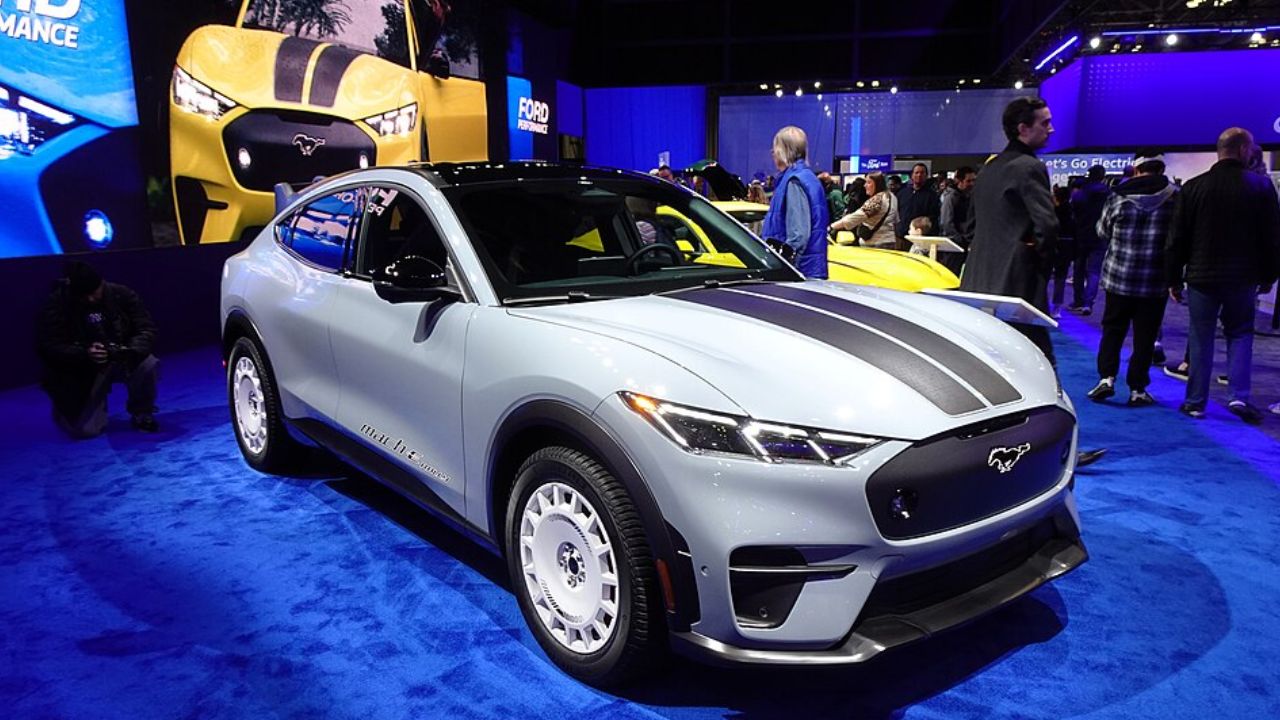
Electric vehicles (EVs) and hybrids are also expected to influence reliability trends. The 2024 Ford Mustang Mach-E represents a shift towards electric powertrains, which offer fewer moving parts and potentially lower maintenance needs, but require a robust charging infrastructure and expertise.
Shifts in Market Preferences
Market preferences are evolving, with consumers increasingly prioritizing sustainability and technology in their vehicle choices. This shift may lead to a rise in hybrid and electric SUV and pickup models, as manufacturers like Rivian and Ford expand their offerings.
Predictions for future vehicle reliability suggest that as technology advances, cars will become more dependable, though possibly at the cost of increased complexity. The balance between durability, performance, and technological innovation will continue to shape the landscape of SUV and pickup truck reliability.