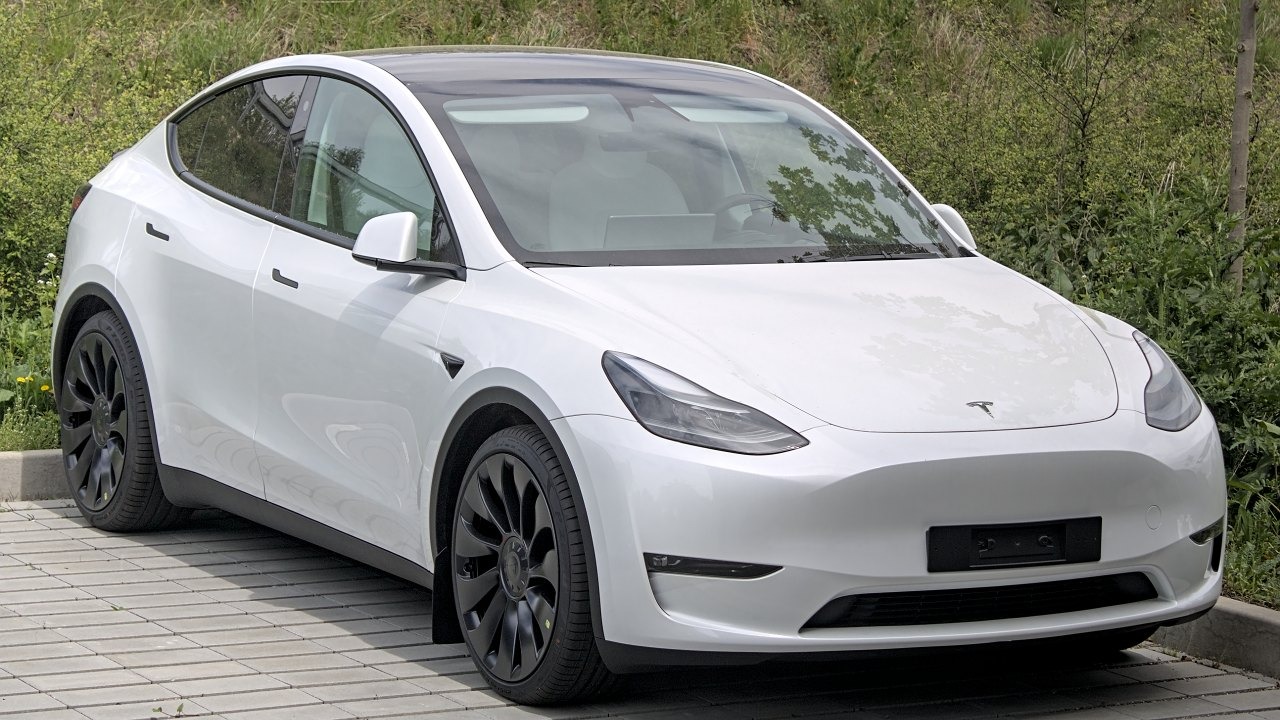
Tesla has long framed suspension failures as the result of how you drive, not how the company designs or builds its cars. Yet federal safety files, overseas recalls, and even Tesla’s own internal records point to a more complicated story, one in which fragile parts and delayed fixes collide with aggressive spin. If you own or are considering a Tesla, you are being asked to shoulder risks that regulators and engineers have been quietly mapping for years.
At the center of the dispute is a simple question with high stakes: when a front wheel folds under a car at low speed, is that “abuse,” or is it a defect? The answer matters not just for who pays the repair bill, but for how much you can trust a company that is also asking you to hand over steering and braking to its software.
How “whompy wheels” went from rumor to federal case
You first saw the phrase “whompy wheels” in online forums, where photos of collapsed front suspensions on Model S and Model X cars circulated faster than official explanations. What began as a meme eventually drew the attention of The National Highway Traffic Safety Administration, which opened a preliminary evaluation into front suspension fore links on roughly 74,918 vehicles from the 2015 to 2017 model years. That probe focused on whether the parts connecting the front wheels to the body were failing too early, and whether those failures were being blamed on you instead of the hardware.
Regulators ultimately closed that preliminary evaluation without ordering a recall, but they did not exactly give Tesla a clean bill of health. In Aug, the agency urged the company to expand its existing service bulletins so more Model S and Model X owners could get their front suspension fore links replaced, effectively telling Tesla it should “probably fix more of those whompy wheels” rather than waiting for drivers to complain. That recommendation, detailed in NHTSA records, underscored that the agency saw a pattern worth addressing even if it stopped short of forcing a formal campaign.
Blaming drivers while parts quietly fail
Throughout this saga, Tesla has leaned on a familiar narrative: if your suspension fails, you must have hit something, driven too fast over a bump, or otherwise mistreated the car. Internal documents described in Dec reporting show The Musk led automaker labeling broken components as the result of “abuse” and “misuse,” even as it tracked high failure rates on specific parts. According to those records, Tesla knew some of its suspension and steering pieces were failing at elevated rates, yet still told many owners that they were at fault when they came in with broken hardware, a pattern laid out in detail in one investigation.
You can see the same tension in China, where regulators forced the issue more aggressively. In Oct, authorities in China ordered a recall of imported Model S and Model X vehicles over front suspension link problems, compelling Tesla to replace parts that could fracture under load. That move, which some observers expected would push the NHTSA toward a similar action in the United States, showed how different jurisdictions can read the same engineering data in very different ways. The Chinese recall, described in detail in a China focused report, undercut the idea that every broken fore link is simply a reckless driver’s fault.
What NHTSA actually found, and what it did not
When you read that a federal probe has been “closed,” it is tempting to assume regulators found nothing. The reality in this case is more nuanced. In Aug, a summary of the evaluation noted that NHTSA staff had reviewed field data, warranty claims, and engineering analyses related to front suspension failures. They concluded that while the fore links were breaking, the agency had not documented crashes in which those failures caused a loss of control during testing or in reported incidents. That finding gave NHTSA cover to close the case without a recall, even as it acknowledged that Tesla had long known some of the parts were defective.
Regulators did not, however, endorse Tesla’s driver blame strategy. In a separate Aug account of the same process, federal staff recommended that Tesla expand its service bulletins so more owners could receive upgraded fore links before they failed, a step described in detail in a Federal focused report. Another analysis of the decision emphasized that NHTSA’s conclusion rested heavily on the absence of documented loss of control, not on a clean bill of health for the parts themselves, and noted that reports have suggested Tesla sometimes asked owners to sign nondisclosure agreements when covering suspension repairs, a detail highlighted in an Aug breakdown.
Early warning signs and the culture war over risk
If you zoom out, the suspension story did not start with the recent fore link probe. As far back as Jun, the nation’s top auto safety regulator said it was looking into a series of suspension failures involving the Model S, after owners reported front control arms and other components breaking at relatively low speeds. At the time, officials described some of the legal documents Tesla required from customers as “troublesome,” particularly any language that might discourage you from reporting safety issues to regulators. Those early concerns, captured in a Share era report, foreshadowed the later fight over how much of the problem was design and how much was driver behavior.
That culture clash is still playing out in the way Tesla fans and critics talk about “whompy wheels.” In Aug, a video titled “The END of Whompy Wheels” circulated on YouTube, in which a commentator insisted that Wampy wheels on a Tesla Model 3 were “never an issue” and the product of “one crazy person” online. The clip, which you can find on Wampy themed channels, reflects a broader push by some owners to dismiss suspension failures as overblown anecdotes. Yet that narrative sits uneasily alongside formal evaluations by The National Highway Traffic Safety Administration and documented recalls in other countries, leaving you to sort out which risks are real and which are tribal talking points.
From broken parts to software violations
The suspension debate also fits into a larger pattern in which Tesla attributes problems to how you drive, even when regulators see systemic issues. Over the past two years, NHTSA has shifted significant attention to Tesla’s driver assistance features, including Autopilot and so called Full Self Driving. One detailed report noted that NHTSA Finds 80 Tesla FSD Violations, Expands Safety Investigation, with Federal regulators identifying 80 instances in which Tesla FSD traffic violations occurred while the system was engaged. Those findings fed into a broader safety investigation that could affect millions of vehicles, underscoring that the question of who is in control, you or the software, is no longer theoretical.
By Oct, the scope of that scrutiny had widened further, with nearly 2.9M Tesla cars probed over traffic offenses linked to the self driving system. According to one account, regulators were examining whether the software contributed to vehicles running stop signs, failing to yield, or committing other violations reported to the NHTSA, a scale of inquiry captured in a Tesla focused summary. In parallel, Tesla itself has begun investigating whether its self driving technology caused thousands of traffic violations, including incidents tied to its Fremont operations and testing, a process described in a Tesla investigation that cites plant level oversight by Paul Kurod in Fremont. Once again, you are being asked to trust a system that is still under active federal and internal review.
More from Fast Lane Only