Tesla is quietly sketching out a future where the glass above your head is more than a panoramic sunroof. In a series of patent filings, the company is exploring ways to turn vehicle roofs into radio-friendly shells that can talk directly to satellites, effectively turning every car into a rolling Starlink node. If the technology makes it from diagrams to driveways, it could reshape how drivers think about connectivity, navigation, and even what it means to go off-grid.
Instead of relying on patchy cellular coverage, Tesla is testing how to bake satellite hardware into the structure of its vehicles, using new materials and clever packaging to keep the sleek silhouette intact. The result, if it works, would be a car that treats the sky as its primary network, with the roof acting as both a design statement and a high-bandwidth antenna array.
From glass roof to satellite gateway
The core idea behind Tesla’s latest patent work is deceptively simple: make the roof transparent not just to light, but to radio signals. Traditional metal body panels block or distort high frequency satellite links, which is why current Starlink terminals sit in exposed “dishes” on homes, businesses, and RVs. Tesla’s filing describes using radio-frequency transparent materials in the roof structure so that antennas can hide underneath while still maintaining a clean exterior profile, a concept that directly targets the packaging and performance limits of conventional satellite hardware in vehicles, as outlined in the Tesla Looks to the Skies discussion of RF-transparent polymer blends.
In the patent, Tesla describes polymer blends that allow satellite signals to pass through more easily while still meeting structural and noise, vibration, and harshness (NVH) requirements for a modern EV. The company’s engineers explicitly frame these materials as a way to improve communication with satellites by reducing interference and signal loss, a point that is echoed in a separate analysis of how such materials can make satellite links clearer and more stable in automotive environments, as detailed in the plans for satellite-based car connectivity breakdown.
What the patent actually promises
At the heart of the filing is a vision of a vehicle roof that doubles as a protective shell and a communications window. Tesla’s patent, identified in the reporting as a published application focused on RF-transparent roof structures, outlines how antennas could be embedded beneath the outer surface, shielded from weather and road debris while still maintaining a clear line of sight to satellites. The document describes how carefully tuned polymer blends can balance mechanical strength with electromagnetic transparency, allowing the roof to serve as both a structural component and a high frequency gateway, a balance that the Tesla patent commentary highlights in detail.
The patent language also hints at a broader ambition: a standardized platform for satellite connectivity that could be applied across multiple vehicle types, not just premium models with full glass roofs. By focusing on materials and integration strategies rather than a single antenna design, Tesla leaves room for future Starlink hardware revisions to slot into the same basic roof architecture. That flexibility is underscored in a separate analysis that notes how the application is raising speculation about Starlink hardware being embedded directly into vehicles, in much the same way it is already deployed on homes, businesses, and RVs, a comparison drawn in the application coverage.
Starlink baked into the Tesla experience
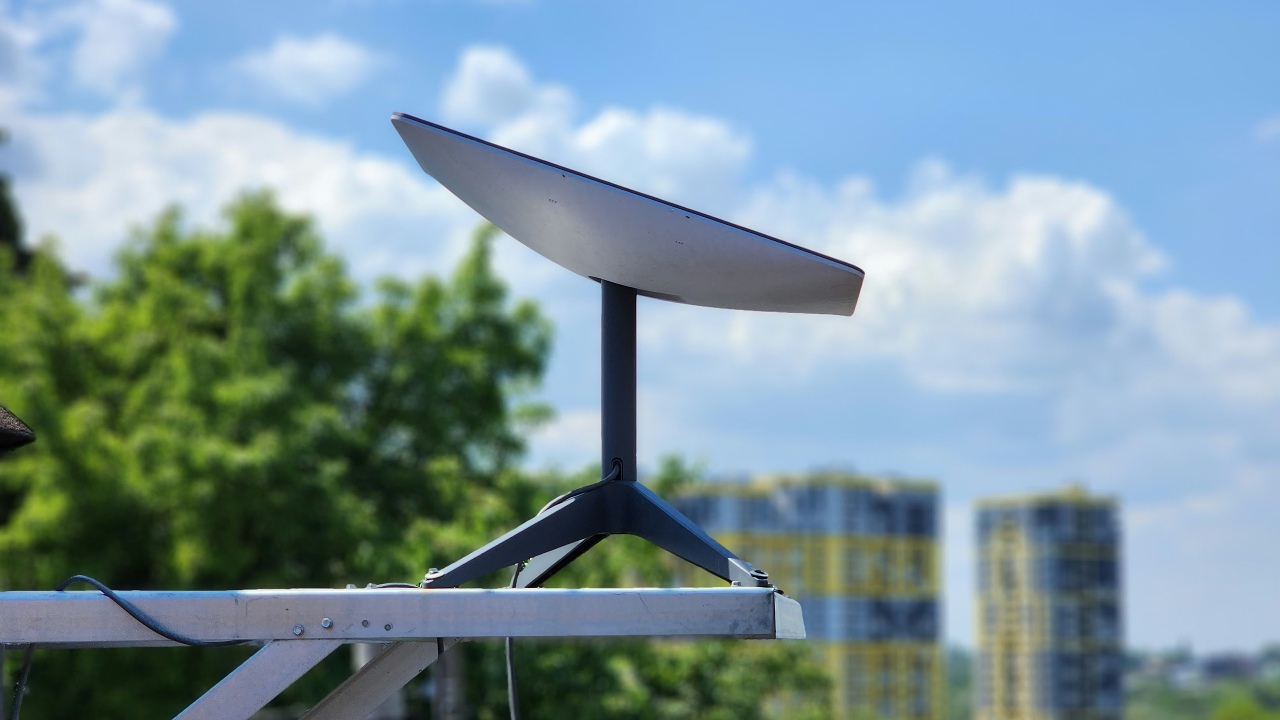
The patent work does not mention Starlink by name, but the ecosystem context is impossible to ignore. Tesla and Starlink sit under the same broader corporate orbit, and reporting has already linked the roof patent to plans for direct satellite connectivity in Tesla vehicles. One analysis notes that the EV maker may soon add Starlink internet directly into its vehicles, framing the patent as a technical stepping stone toward that goal and explicitly tying the idea to Tesla’s push to differentiate its in-car experience, as described in the Tesla and TSLA coverage.
Hints of that integration have already surfaced in the public conversation. A widely shared social media post, referenced in multiple reports, claimed that the “Tesla fleet is getting @Starlink connectivity integration soon” and tagged both Tesla and Elon Musk, a message that was amplified with the shorthand “LFG” to signal enthusiasm, as noted in the Tesla roof of the future analysis. Another report points out that This Tweet is currently unavailable, but its impact lingers in the speculation around how quickly Tesla might move from patent drawings to production hardware, a dynamic captured in the Starlink in your Tesla discussion of the missing post.
Off-grid connectivity and the limits of cell towers
The strategic appeal of a Starlink-ready roof becomes clearest once you look beyond city limits. Tesla’s patent is explicitly framed as a way to support off-grid connectivity, with the RF-transparent roof enabling satellite links in places where ground-based cellular networks are weak or nonexistent. Reporting on the patent notes that the company is targeting drivers in remote areas who currently struggle with patchy coverage, positioning satellite connectivity as a way to keep navigation, software updates, and safety features online even when the nearest tower is far away, a use case emphasized in the Tesla Hints at Starlink Integration breakdown.
That off-grid promise also dovetails with Starlink’s existing footprint. The satellite network is already marketed for homes, businesses, and RVs that sit outside dense urban cores, and the patent-driven speculation suggests that vehicles could be the next logical extension of that strategy. Analysts note that the application is naturally raising questions about how Starlink hardware might be adapted for automotive use, building on its current deployments in fixed and mobile land-based installations, a progression laid out in the application coverage that compares potential in-car terminals to existing dishes.
Engineering hurdles between patent and production
Turning a patent into a production-ready roof is not trivial, and Tesla’s own filings acknowledge the trade-offs. Embedding satellite antennas under a roof panel introduces structural and compliance challenges, particularly around crash safety, rigidity, and NVH performance. The patent describes how polymer blends and layered structures can be tuned to maintain strength while still allowing RF transparency, but it also concedes that these materials must be carefully engineered to avoid compromising the vehicle’s durability and acoustic comfort, a tension spelled out in the Tesla patent analysis.
There are also regulatory and integration questions that the patent alone cannot answer. Satellite connectivity in moving vehicles raises issues around spectrum use, interference management, and coordination with existing communications systems, and Tesla will need to align its hardware with Starlink’s evolving terminal designs. Commentary on the patent stresses that while the materials approach is promising, the company still faces a series of real-world challenges before satellite-based car connectivity can be widely deployed, a caveat highlighted in the World Challenges section of the patent breakdown.
What it means for Tesla, TSLA, and the broader auto market
If Tesla succeeds in turning its roofs into satellite hubs, the move could deepen the company’s ecosystem lock-in and reshape investor expectations around TSLA. Analysts already frame the potential addition of Starlink internet as a differentiator that could boost the perceived value of Tesla vehicles, particularly for buyers who prioritize connectivity and software features. Reporting that ties the patent to possible in-car Starlink service notes that such integration would give Tesla a unique selling point against rivals that still rely entirely on cellular partnerships, a strategic angle highlighted in the TSLA focused coverage.
For the rest of the auto industry, Tesla’s patent work serves as both a warning shot and a blueprint. The detailed discussion of RF-transparent materials, antenna placement, and off-grid use cases shows how a vertically aligned company can fuse vehicle design with satellite infrastructure in ways that are hard to copy quickly. Commentary that introduces the patent as a move that could revolutionize in-car connectivity underscores how drivers in remote areas stand to benefit most, but it also hints at a broader shift in expectations, where buyers come to see always-on satellite links as a standard feature rather than a niche add-on, a perspective captured in the Recent Patent and Introduction sections of the analysis.