

Motorsports have long been a testing ground for automotive innovations, with tire development standing out as a key area of advancement. The extreme conditions of racing provide invaluable insights into performance, durability, and safety, directly influencing the consumer tire market. The high-speed world of motorsport has significantly shaped the tires we use today.
Historical Context of Motorsport Tire Development

The history of motorsport tire development is rich with innovation and driven by the need for speed and safety. In the early days, tires were simple rubber constructions, but as racing became more competitive, the demand for better performance led to significant advancements. Key figures in motorsport history, such as Harvey Firestone and André Michelin, played pivotal roles in transforming basic rubber tires into high-performance compounds capable of withstanding the rigors of racing.
Major racing events like the 24 Hours of Le Mans and Formula 1 have been instrumental in driving tire technology advancements. These events push tires to their limits, requiring manufacturers to innovate continuously. The transition from bias-ply to radial tires, for example, was largely influenced by the need for improved durability and performance in these demanding races. As a result, the lessons learned on the track have directly contributed to the evolution of consumer tires.
Technical Innovations in Racing Tires
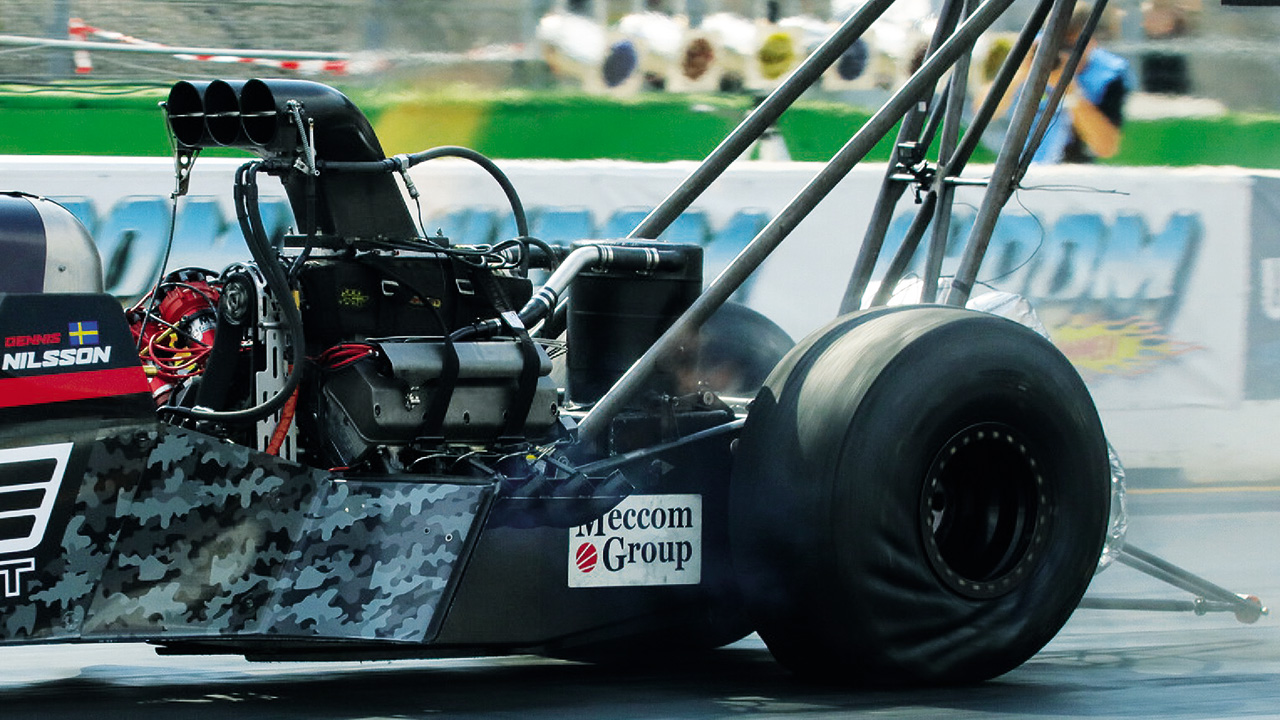
Racing tires have undergone significant technical innovations over the years, particularly in the materials and compounds used. Modern racing tires are designed to provide maximum grip and longevity, utilizing advanced rubber compounds that enhance performance. These compounds are often developed through extensive research and testing, ensuring they can withstand the high temperatures and stresses of competitive racing.
Advancements in tread design have also played a crucial role in optimizing performance across various track conditions. For instance, slick tires are used for dry conditions to maximize contact with the track, while treaded tires are designed to channel water away in wet conditions, reducing the risk of hydroplaning. Additionally, the role of aerodynamics and tire structure is critical in enhancing both speed and safety, with innovations such as asymmetric tread patterns and reinforced sidewalls contributing to better handling and stability.
Impact of Motorsport on Consumer Tire Technology
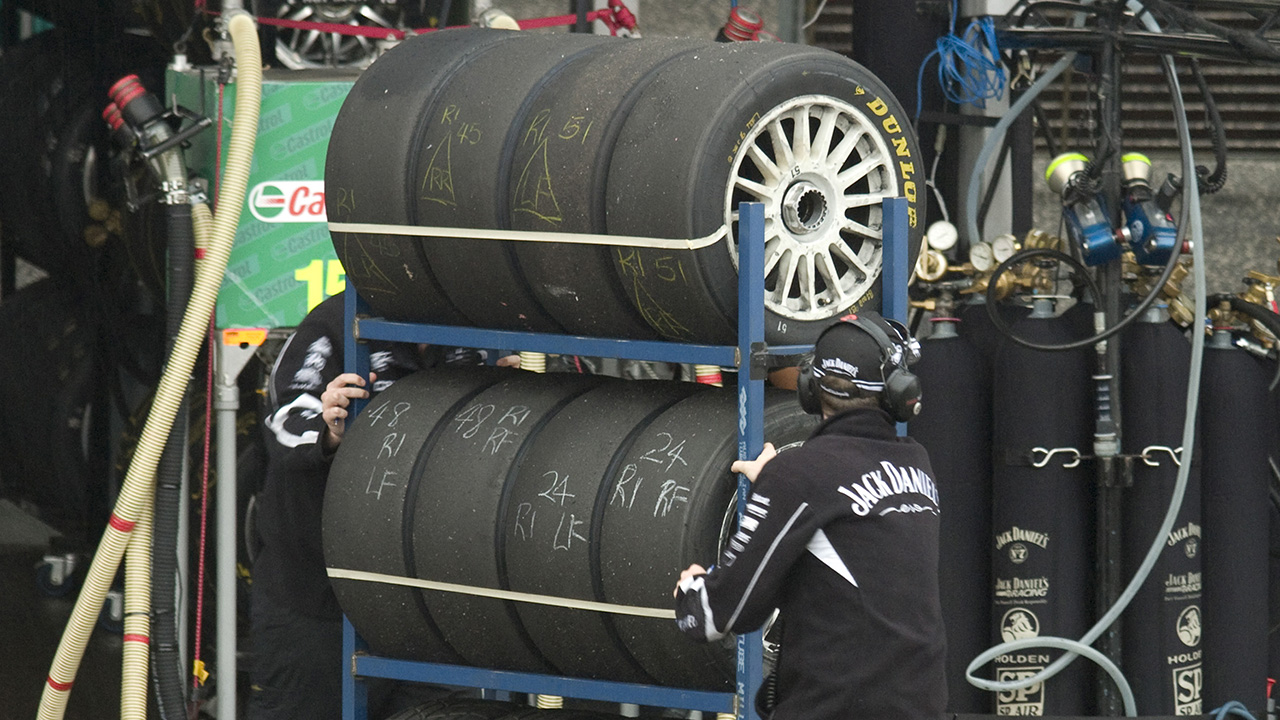
The technology transfer from racetrack to road is a significant benefit of motorsport, with many racing innovations finding their way into consumer tires. For example, the development of silica compounds in racing tires has improved wet grip and fuel efficiency in everyday tires. Similarly, the use of Kevlar and other advanced materials in racing tires has led to more durable and puncture-resistant consumer tires.
Motorsport partnerships also play a vital role in shaping brand reputation and consumer trust. Companies like Michelin, Pirelli, and Bridgestone leverage their involvement in motorsport to showcase their technological prowess and commitment to safety. This not only enhances their brand image but also assures consumers that they are purchasing products developed with cutting-edge technology and rigorous testing.
Sustainability and Future Trends in Tire Development
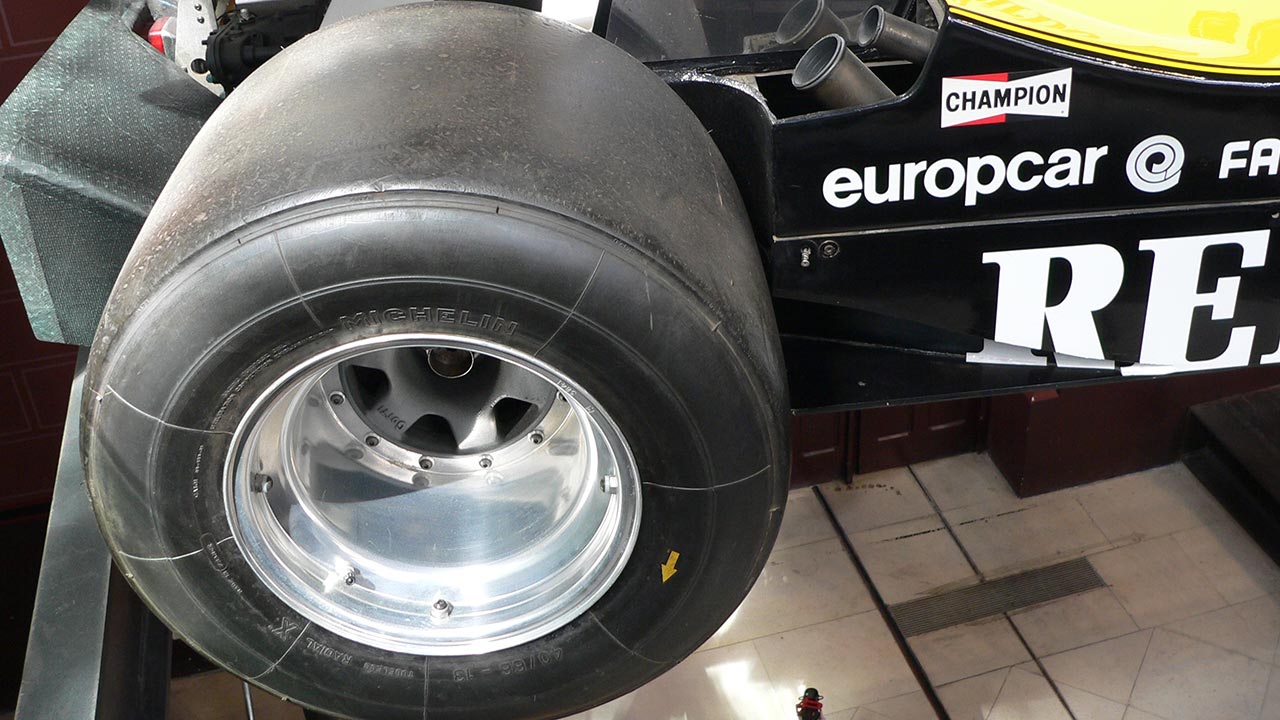
As the automotive industry moves towards sustainability, tire manufacturers are increasingly focusing on eco-friendly materials and sustainable practices. Motorsport serves as a valuable platform for testing these innovations, with manufacturers experimenting with renewable materials and processes that reduce environmental impact. The push for sustainability is evident in the development of tires that offer lower rolling resistance, thereby improving fuel efficiency and reducing carbon emissions.
Emerging technologies such as smart tires are also being tested in motorsport settings. These tires are equipped with sensors that provide real-time data on tire pressure, temperature, and wear, allowing for more precise adjustments and improved performance. As these technologies mature, they are expected to become more prevalent in consumer tires, offering drivers enhanced safety and efficiency.
Challenges and Considerations in Motorsport Tire Development
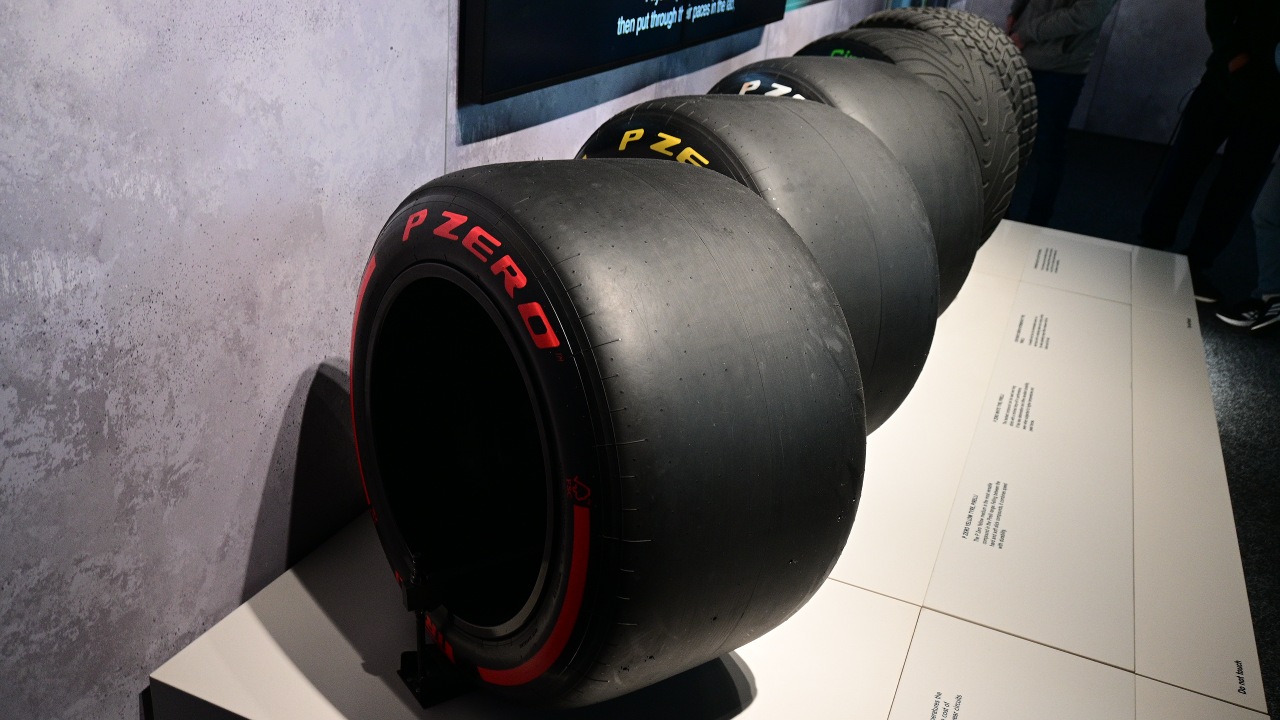
Developing tires for motorsport involves balancing performance with safety, a challenge that tire manufacturers continually face. The need to create tires that can withstand extreme conditions while ensuring driver safety is paramount. This requires extensive research and testing, often under tight economic and logistical constraints. The cost of developing and testing new tire technologies can be significant, but the potential benefits in terms of performance and safety make it a worthwhile investment.
Regulations and governing bodies also play a crucial role in shaping tire development in motorsports. Organizations like the Fédération Internationale de l’Automobile (FIA) set stringent standards for tire performance and safety, ensuring that manufacturers adhere to high-quality benchmarks. These regulations not only ensure fair competition but also drive innovation, as manufacturers strive to meet and exceed these standards.
Like Fast Lane Only’s content? Be sure to follow us.
Here’s more from us:
*Created with AI assistance and editor review.






Leave a Reply