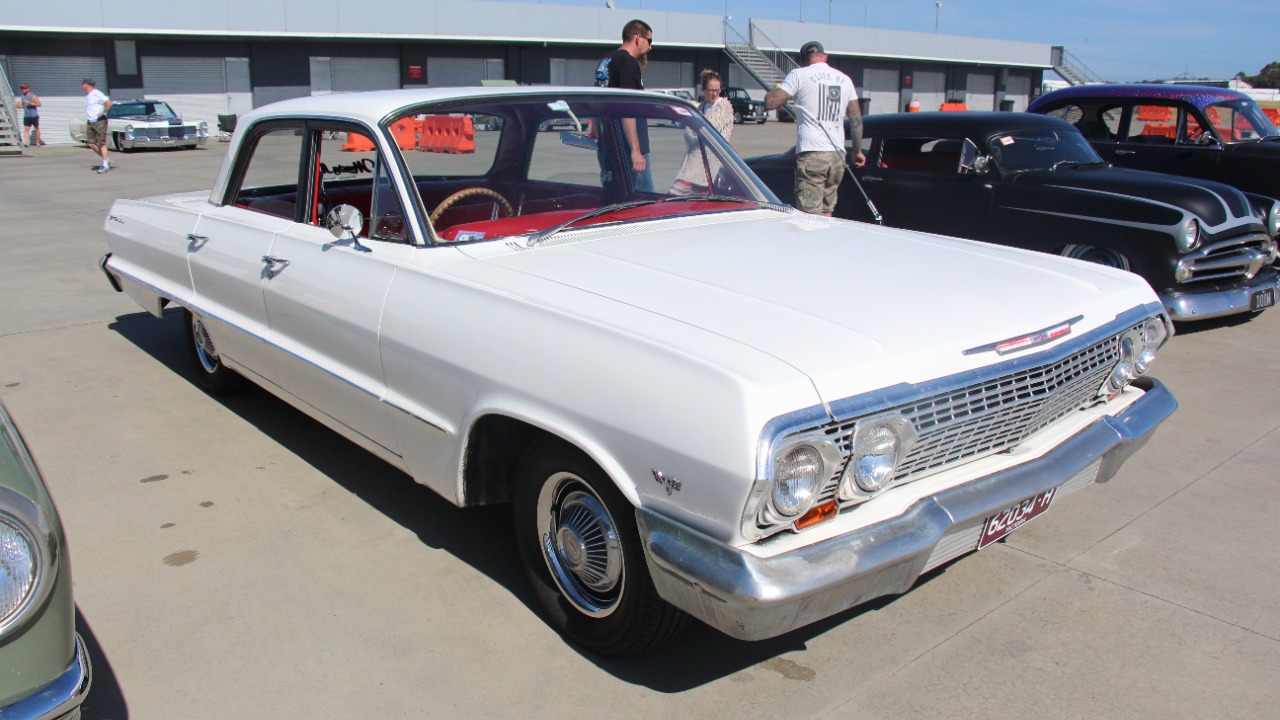
Building a supercar can earn a company global fame, but the costs involved often outweigh the rewards. Throughout history, several exotics dazzled the world with engineering and design brilliance while quietly draining their creators’ finances. Some brands collapsed, others limped along, and a few only survived because of deep-pocketed owners. Here are five supercars that proved just how risky chasing glory can be.
Bugatti Veyron
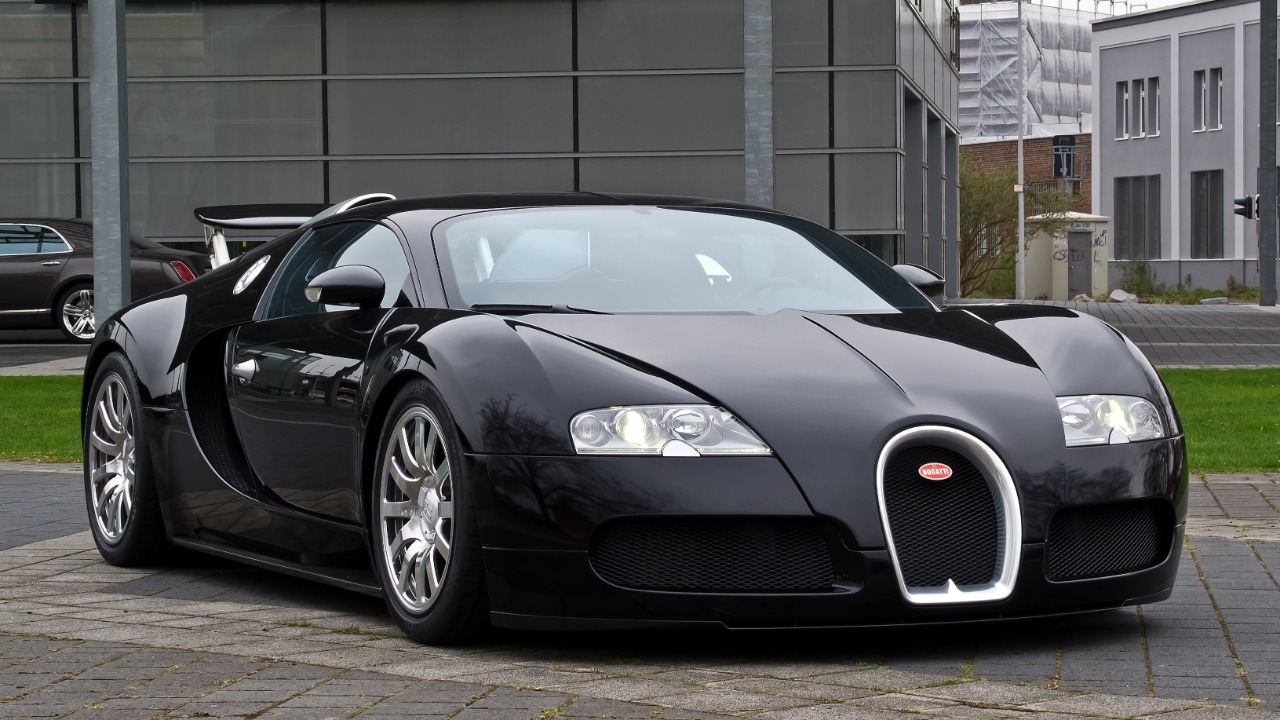
The Bugatti Veyron, launched in 2005, remains one of the most audacious engineering projects ever attempted. With its 8.0-liter quad-turbo W16, 1,001 horsepower, and a top speed beyond 250 mph, it redefined what a road car could be. But every Veyron reportedly cost Volkswagen far more to build than it sold for, with losses estimated at millions of dollars per unit.
While Volkswagen Group’s size absorbed the financial hit, the Veyron showed how even a technological marvel could be a money-loser. It didn’t sink Bugatti outright, but it was a cautionary tale of how uncompromising engineering comes at a staggering price.
DeLorean DMC-12
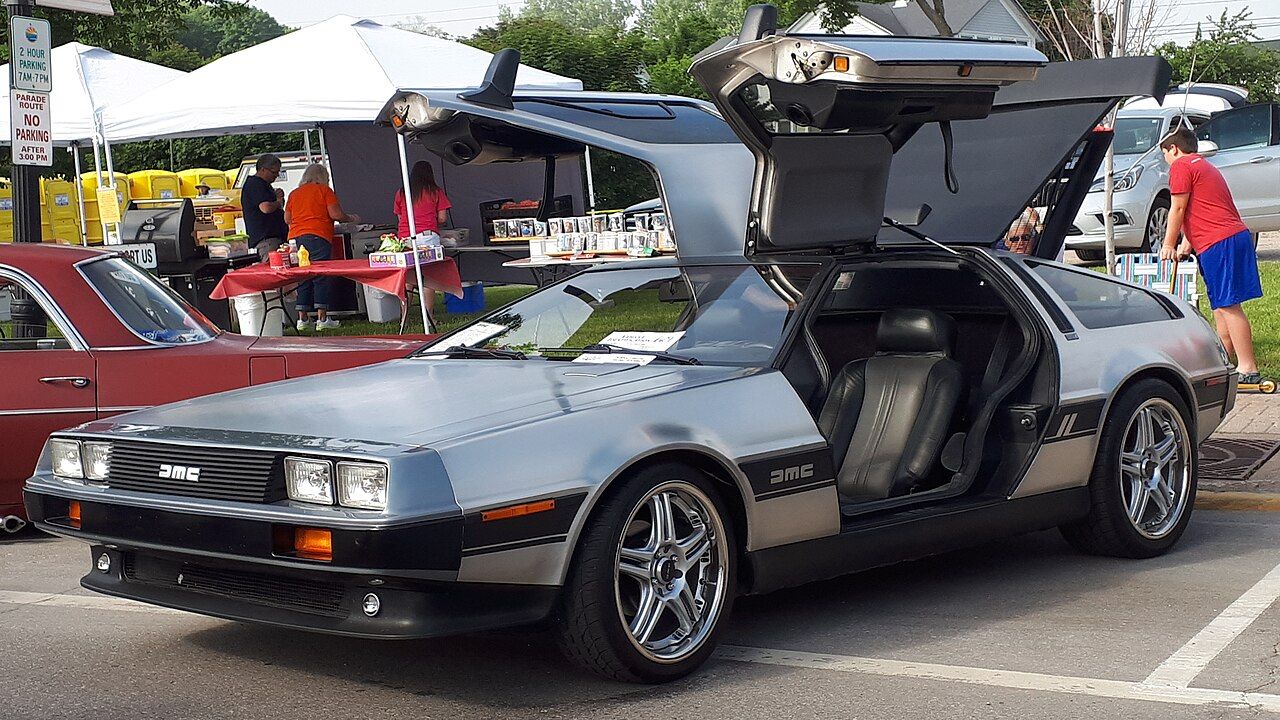
Few cars are as recognizable as the stainless-steel DeLorean DMC-12, made famous by Back to the Future. But when it launched in 1981, its futuristic gull-wing looks couldn’t mask lackluster performance and production delays. Sales fell well short of expectations, and costs ballooned.
The DeLorean Motor Company collapsed in 1982 after only about 9,000 cars were built. Mismanagement, weak demand, and founder John DeLorean’s legal troubles sealed the company’s fate. Today, the DMC-12 is a cult classic, but its creation was a financial disaster.
Vector W8
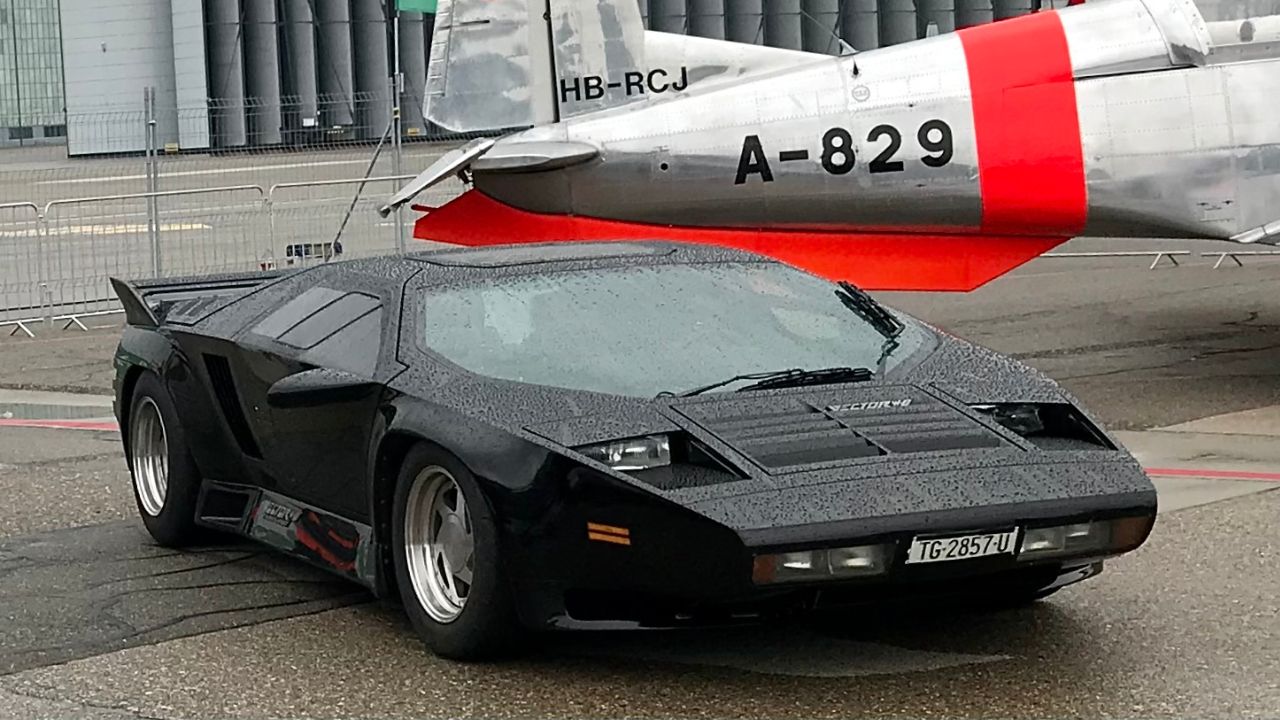
Vector Aeromotive set out to build an all-American supercar to rival Ferrari and Lamborghini. The W8, which entered production in 1989, was radical in both design and engineering, using aerospace-grade materials and twin-turbo V8 power rated at over 600 hp.
But the company lacked the capital to sustain such an ambitious program. Fewer than two dozen W8s were ever made, and high development costs drained resources. Lawsuits, mismanagement, and a hostile takeover eventually ended the dream, leaving Vector as a case study in how ambition can outrun funding.
Cizeta-Moroder V16T
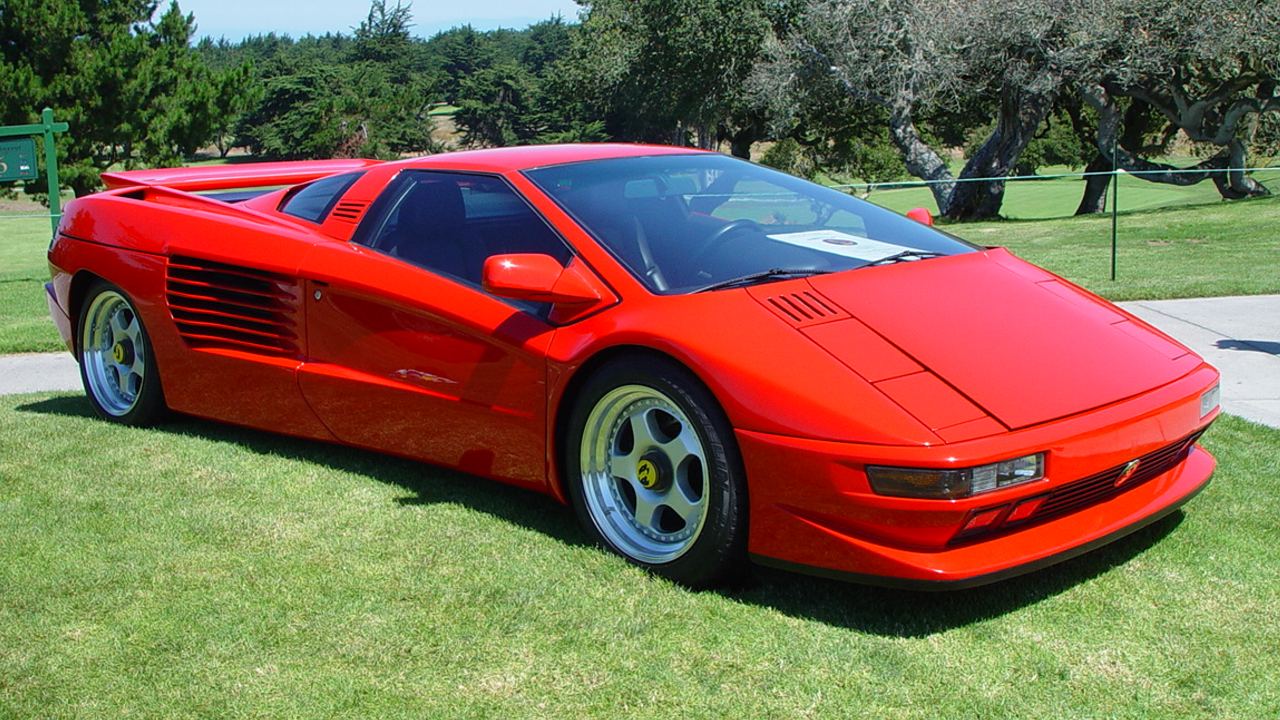
When engineer Claudio Zampolli and music producer Giorgio Moroder teamed up in the late 1980s, the result was one of the wildest supercars ever — the Cizeta V16T. With its transverse 16-cylinder engine and dramatic styling, it pushed the envelope of exotic car design.
But the V16T’s $300,000-plus price tag and limited production capacity doomed it. Only a handful were built in the early 1990s, and Moroder soon distanced himself from the project. The company folded, leaving behind a rare and fascinating reminder of how uncompromising design can break a small automaker.
Spyker C8
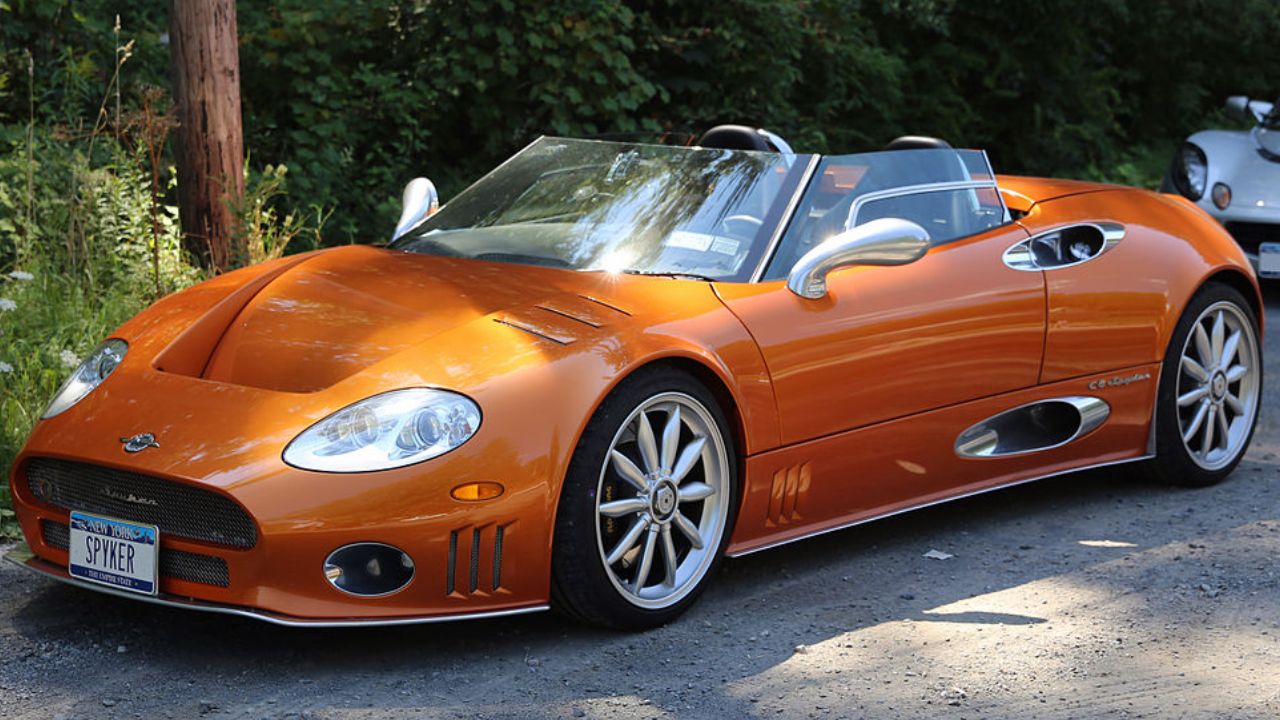
The reborn Dutch brand Spyker launched the C8 in 2000 with aircraft-inspired styling and jewel-like interiors. For a time, it won praise for its craftsmanship and exclusivity, putting the century-old marque back in the spotlight.
But limited sales and high production costs meant the C8 never generated enough revenue to sustain Spyker long-term. The company’s bigger mistake was overreaching by buying Saab in 2010 — a move that drained finances and ultimately led to bankruptcy in 2014. The C8 was admired, but it couldn’t keep the brand afloat.
Like Fast Lane Only’s content? Be sure to follow us.
Here’s more from us:
*Created with AI assistance and editor review.