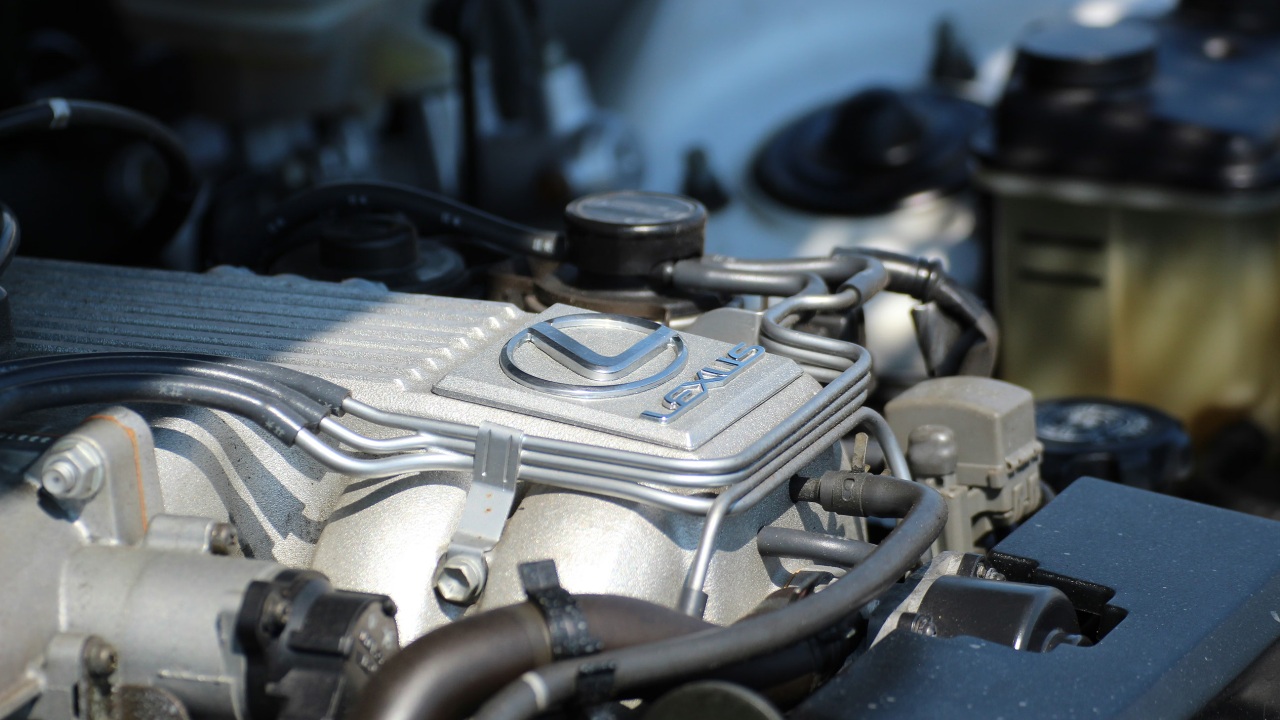
The Lexus V8 story is not about headline horsepower, it is about engines that simply refuse to die. While Detroit’s toughest pickup motors built their reputations on towing and torque, the Lexus LS sedans quietly racked up odometer readings that would make a fleet manager blink. The result is a family of V8s that, in real-world use, has matched or outlasted the gasoline workhorses that once defined American durability.
The quiet birth of an overbuilt V8
The foundation of Lexus longevity was laid with a clean-sheet V8 created specifically for the original LS luxury sedan. Engineers developed a New 4.0 liter V8 Engine for the LEXUS LS 400 that prioritized smoothness, low vibration, and long-term reliability rather than raw output, a philosophy that would shape the brand’s reputation for decades. Internal documents on the Engine for the LEXUS LS describe a powerplant designed for high-speed cruising and minimal wear, a stark contrast to the truck-focused big blocks that were optimized for short bursts of heavy work.
That early LS program treated durability as a core product feature, not an afterthought. The 400 badge on the trunk signaled more than displacement, it represented a car built around a V8 that had been tested to extreme duty cycles before a single customer turned the key. By the time the Lexus LS reached showrooms, the company had already embedded the idea that a luxury sedan could be as mechanically trustworthy as a commercial vehicle, a claim that later real-world mileage would back up in dramatic fashion.
The million‑mile LS that proved the point
The most famous proof of Lexus V8 toughness arrived when auto journalist Matt Farah set out to see how far an early LS could go. His high-mileage Lexus LS 400 eventually crossed the 1,000,000 mile mark, a milestone that would be remarkable for a heavy-duty pickup, let alone a softly sprung luxury sedan. Coverage of the achievement noted that the car reached seven figures on the odometer with remarkably few major mechanical failures, with one report highlighting that the only real drama involved anything besides a dead battery.
That million-mile Lexus LS did more than generate a viral headline, it validated the original engineering brief behind the 4.0 liter V8. When a car built for quiet highway comfort can match the kind of lifetime usage usually associated with commercial fleets, it reframes what durability looks like in the passenger-car world. The story also gave shoppers a tangible benchmark: if a well-maintained LS 400 could survive that kind of abuse, then 300,000 miles in normal use suddenly looked conservative rather than ambitious.
From LS 400 to LS 460, a V8 lineage built to last
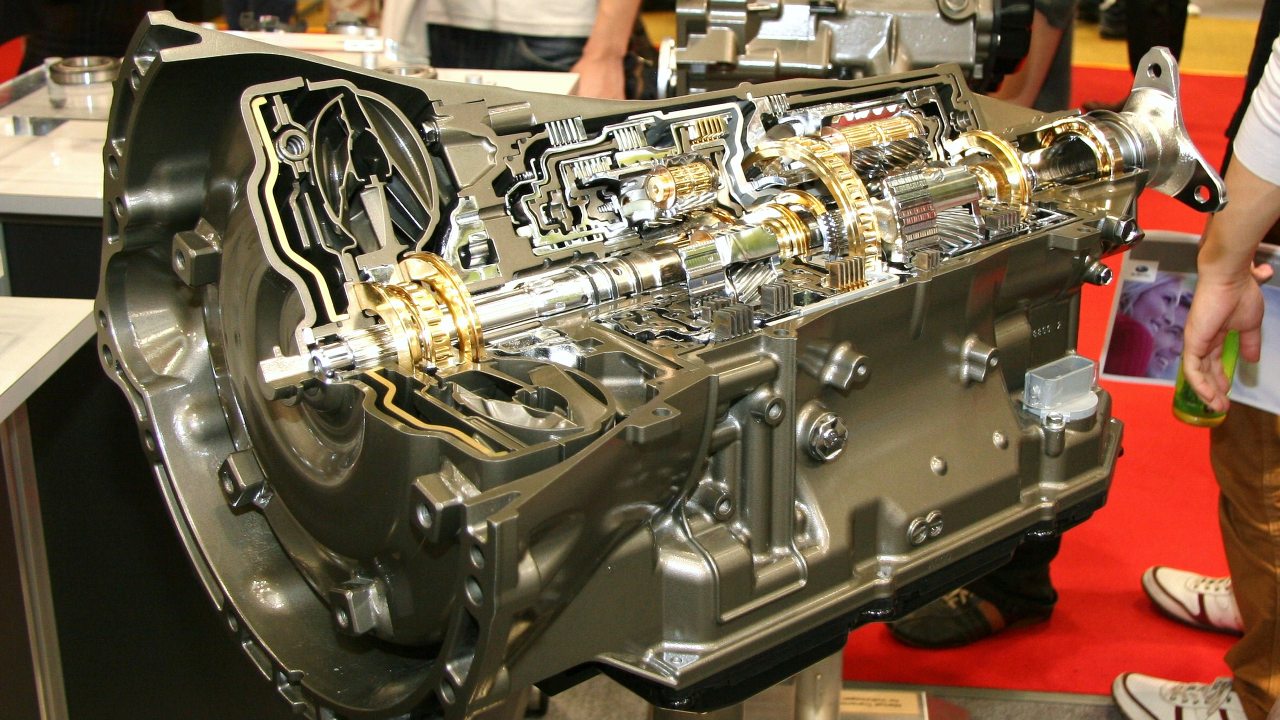
The first-generation LS did not remain an outlier, it became the template for a series of long-lived Lexus V8 sedans. Analysts looking at ownership data have pointed to the LS400 as One of the best Lexus models for longevity, noting that There are plenty of examples of Lexus cars running well into the high hundreds of thousands of miles and beyond. That pattern continued as the brand evolved its engines, with later designs like the 3UZ-FE and the larger 4.7-liter 2UZ-FE carrying the same emphasis on smooth, low-stress operation across a wide range of models.
By the time The LS 460 arrived, the formula had been refined rather than abandoned. Reports describe the LS 460’s Bulletproof 4.6L V8 as Smooth, Powerful, Nearly Indestructible, a combination that undercuts the stereotype that durability requires crude engineering. The Lexus flagship managed to deliver quiet, high-rev refinement while still earning a reputation for shrugging off mileage that would send many German rivals into a cycle of expensive repairs. In practice, that meant owners could enjoy modern performance and technology without sacrificing the long-haul confidence that defined the original LS 400.
Pickup‑grade toughness, luxury‑car manners
What makes the Lexus V8 story so striking is how closely its durability record mirrors that of engines built for America’s hardest-working trucks. The Lexus V8 engine is often described as iconic, with reliability, power, and efficiency all cohesively working together, a balance that mirrors the best pickup powertrains but in a very different context. Enthusiasts and technicians routinely cite the 1UZ-FE, the 4.0 liter v8 used in early LS models, as an example of overengineering, with one discussion noting that this Lexus design is one of a handful of engines approved by the FAA for use in aircraft, a level of trust rarely extended to passenger-car hardware.
That kind of endorsement places the Lexus V8 in the same conversation as legendary truck engines that powered fleets and farm equipment. Yet the LS family delivered this robustness with luxury-car manners, from near-silent idle to minimal vibration at highway speeds. The contrast is stark: while many American pickup motors earned their stripes hauling trailers and payloads, the Lexus units quietly accumulated similar lifetime hours shuttling executives and families, proving that an engine does not need a bed and a tow rating to demonstrate true workhorse stamina.
How Toyota’s truck V8s echo the Lexus formula
The Lexus story also intersects directly with Toyota’s own truck-focused V8s, which adopted similar design priorities and have built their own reputations for extreme longevity. The Toyota 5.7 i-Force V8, better known as the 3UR-FE, is often described as an “All-American” truck engine that changed the game for the brand’s pickups and SUVs. Reporting on this 5.7 unit notes that it comes from the same global family of Toyo V8 designs that underpin Lexus models, and it is frequently compared to icons like the Chevy 350 small block for its blend of power and staying power.
Independent reliability rankings have gone further, placing the 3UR-FE among the 10 most dependable naturally aspirated V8s ever built. Analysts point out that There is a wealth of 500,000-mile units in service, and that There are a couple of million-mile 3UR-FE units out there as well, a claim that puts this truck engine in rare company. When You consider that these figures come from vehicles used for towing, hauling, and daily commuting, it reinforces the idea that Toyota and Lexus applied a shared durability philosophy across both luxury sedans and hard-working pickups, blurring the traditional line between comfort cars and work trucks.
Why the Lexus V8 still matters in a downsized, turbocharged era
In an era when many manufacturers are replacing large-displacement engines with smaller turbocharged units, the Lexus V8 family stands out as a case study in long-term value. Modern buyers are increasingly wary of complex drivetrains, from high-strung turbo fours to intricate dual-clutch transmissions, and some analysts have contrasted the LS 460’s proven V8 and conventional automatic with the fragility of dual-clutch systems in rival luxury sedans. For shoppers who plan to keep a car well past the warranty period, the track record of Lexus V8 sedans and related Toyota truck engines offers a compelling argument for choosing proven hardware over the latest efficiency experiment.
The broader lesson is that durability is not an accident, it is a product of conservative engineering choices, rigorous testing, and a willingness to overbuild critical components. From the New 4.0 liter V8 Engine for the LEXUS LS 400 to the 4.7-liter 2UZ-FE and the 5.7 3UR-FE, Toyota and Lexus have consistently treated their V8s as long-term assets rather than disposable performance options. That philosophy has produced engines that can credibly claim to outlast America’s toughest pickup motors, not by out-pulling them on a job site, but by quietly surviving decade after decade of real-world use without losing the refinement that made the LS nameplate famous.
More from Fast Lane Only: