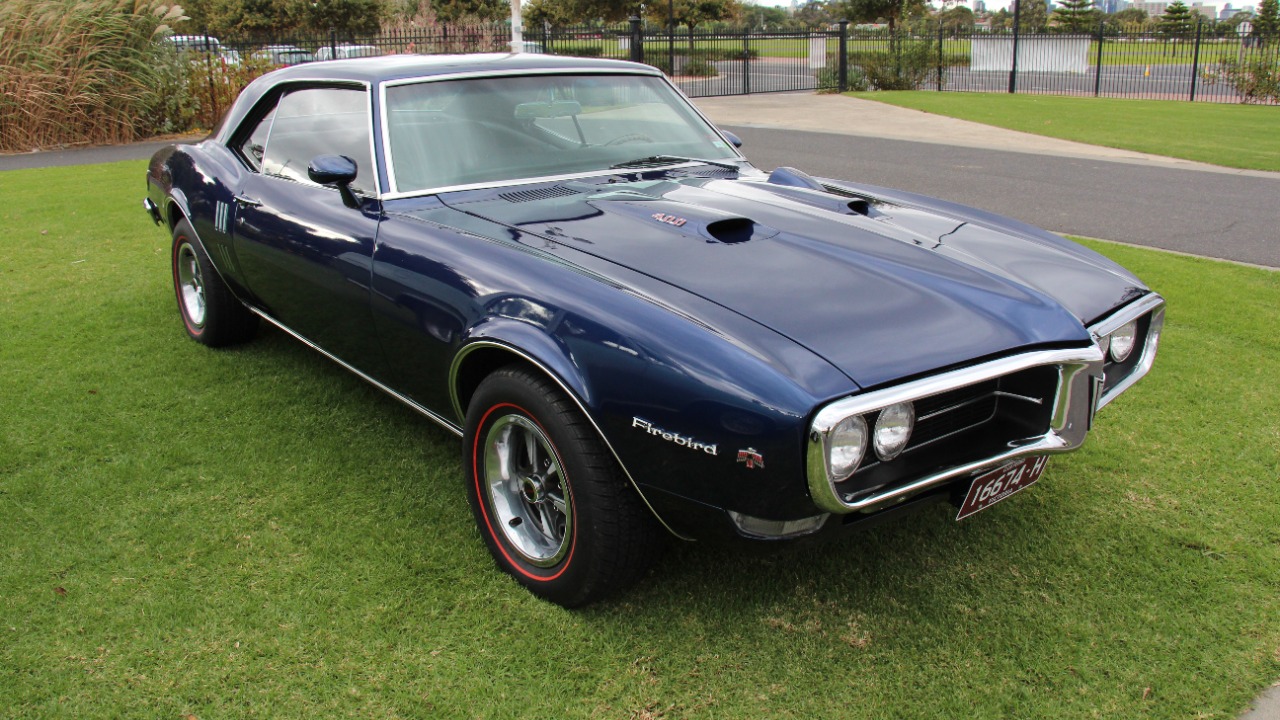
When people think of Pontiac performance, the usual names come up fast—Trans Am, GTO, maybe even the Grand Prix. But tucked behind the flashy bodywork and marketing hype was a limited-run sleeper that didn’t need to shout. The Firehawk wasn’t about posing—it was about performance.
Born out of a partnership with SLP Engineering, the Firehawk took Pontiac’s already capable Firebird platform and sharpened it with serious hardware. Lightweight, fast, and built in small numbers, it quietly became one of the most potent—and overlooked—factory-backed muscle cars of its era. Here’s what makes it worth remembering.
1. It Started as a Tuner Project

The Firehawk wasn’t originally a factory Pontiac model—it began as a limited-production project from SLP Engineering (Street Legal Performance) in 1991. Working closely with Pontiac, SLP took stock Firebirds and turned them into street-legal bruisers with improved power, handling, and brakes.
The idea was simple: take the already capable Firebird Formula and give it the kind of hardware typically reserved for factory race programs. The result was a car that could handle daily driving while holding its own at the drag strip or autocross.
2. The First Firehawk Was Built for the Track

In 1991, SLP produced just 25 Firehawk R1s—purpose-built road course weapons. They featured a modified 350 TPI V8, roll cage, Recaro seats, 17-inch wheels, and unique graphics. These cars were built for the Firestone Firehawk racing series, and they were anything but subtle.
Rated at 350 horsepower, the Firehawk R1 came with all the heavy-duty cooling, suspension, and braking systems needed to survive real competition. They were expensive and raw—but they laid the groundwork for what would become a recurring high-performance package.
3. Production Grew in 1993 with the Fourth Gen

The Firehawk returned in 1993 alongside the debut of the fourth-generation Firebird. This time, it was available in more configurations, including both Formula and Trans Am trims. SLP tuned the 5.7L LT1 to 300 hp—up from the stock 275—thanks to freer-flowing intake and exhaust systems.
Buyers could also add options like a Bilstein suspension package, larger brakes, and composite hood with functional heat extractors. It was still a low-production car—only 201 were made in 1993—but it marked the beginning of the Firehawk as a serious showroom option.
4. Every Firehawk Came Through SLP
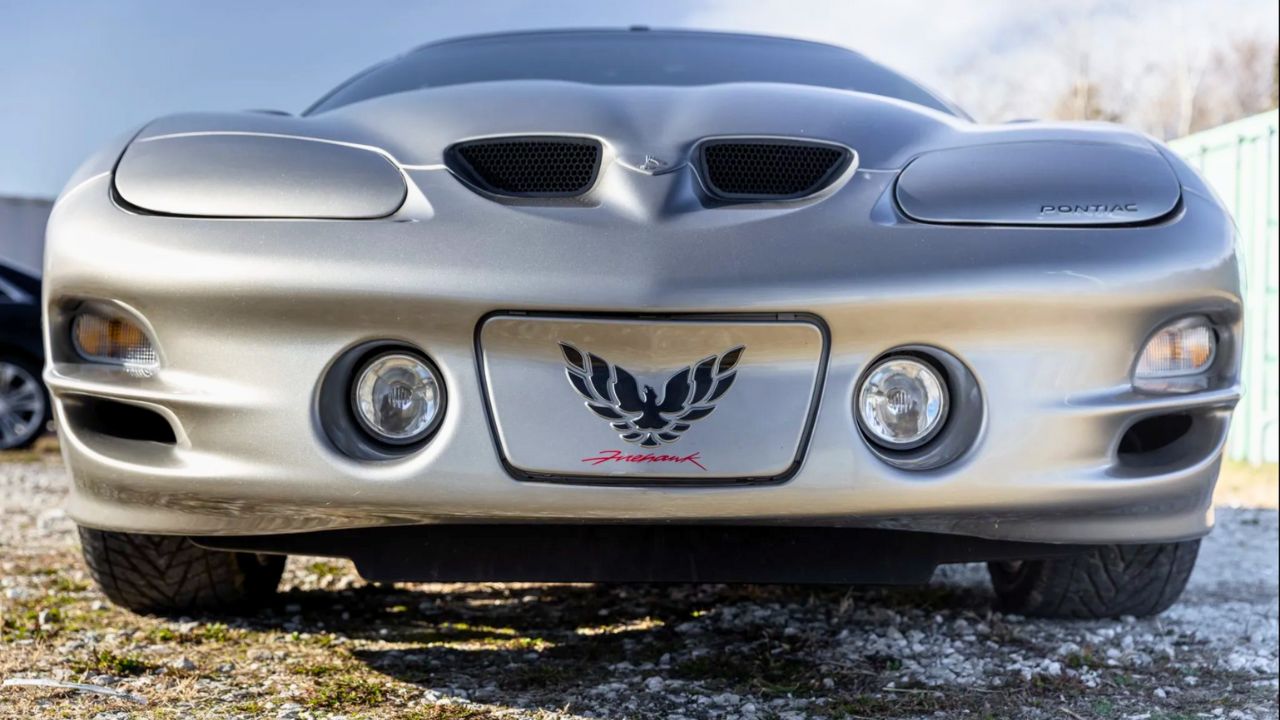
Even though you could order a Firehawk through your Pontiac dealer, each one was shipped from the factory to SLP’s facility in New Jersey for modification. This kept the cars street-legal while allowing for specialized upgrades not available on standard Firebirds.
The VIN still read “Pontiac,” but the finished product was very much an SLP collaboration. Each car came with a plaque and paperwork verifying its build number, and most received upgraded components you wouldn’t find on your average WS6 Trans Am.
5. The LT1 Firehawks Were No Joke

From 1993 to 1997, the Firehawk was based on the LT1 V8 platform. Power ratings varied slightly, but the general rule was 300–315 hp depending on options. That gave it a 25–40 hp bump over a standard Formula or Trans Am.
Combined with less restrictive exhaust, bigger sway bars, and optional cold-air induction, the Firehawk became a legitimate sleeper. It didn’t wear wild bodywork, but it could run with Cobras, Z28s, and sometimes even C4 Corvettes. It was all go, with less show.
6. LS1 Firehawks Took It Even Further

In 1998, the Firehawk followed the rest of the F-body world into LS1 territory. SLP didn’t waste time—power climbed to 327 hp initially and reached 345 hp by 2002. That made it one of the fastest Pontiacs you could buy, period.
Optional Bilstein suspension, SLP’s high-flow exhaust, and a lightweight composite hood kept it sharp on the track, while interior appointments stayed relatively stock. For drivers who wanted something faster than a WS6 but weren’t into flashy styling, the Firehawk delivered.
7. They Were Built in Limited Numbers
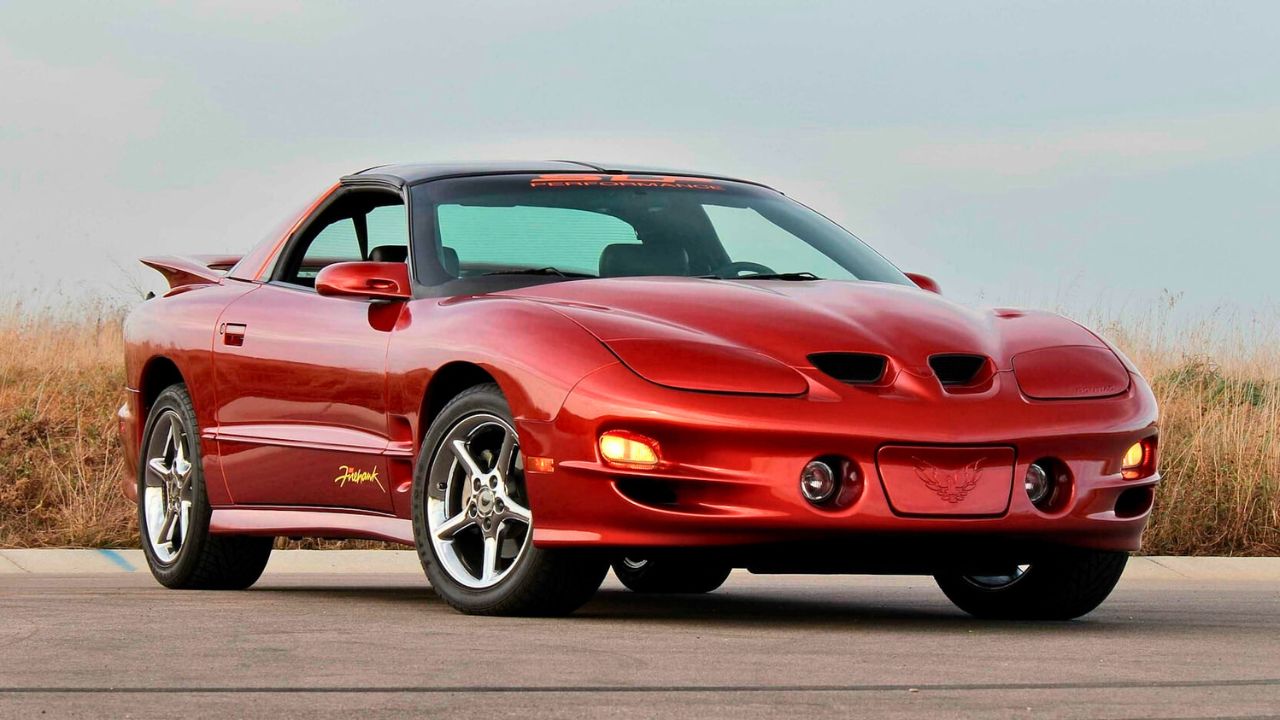
Part of what makes Firehawks so collectible today is how few were built. Total production from 1991 to 2002 sits just north of 5,000 cars. That’s a fraction of Trans Am and Formula output during the same years.
Some years were especially scarce—only 25 built in 1991, just 201 in 1993, and fewer than 100 in some later model years with specific options. Even today, spotting a real Firehawk in the wild is rare, and verifying authenticity is key when shopping.
8. The Firehawk Could Be Optioned for Street or Strip
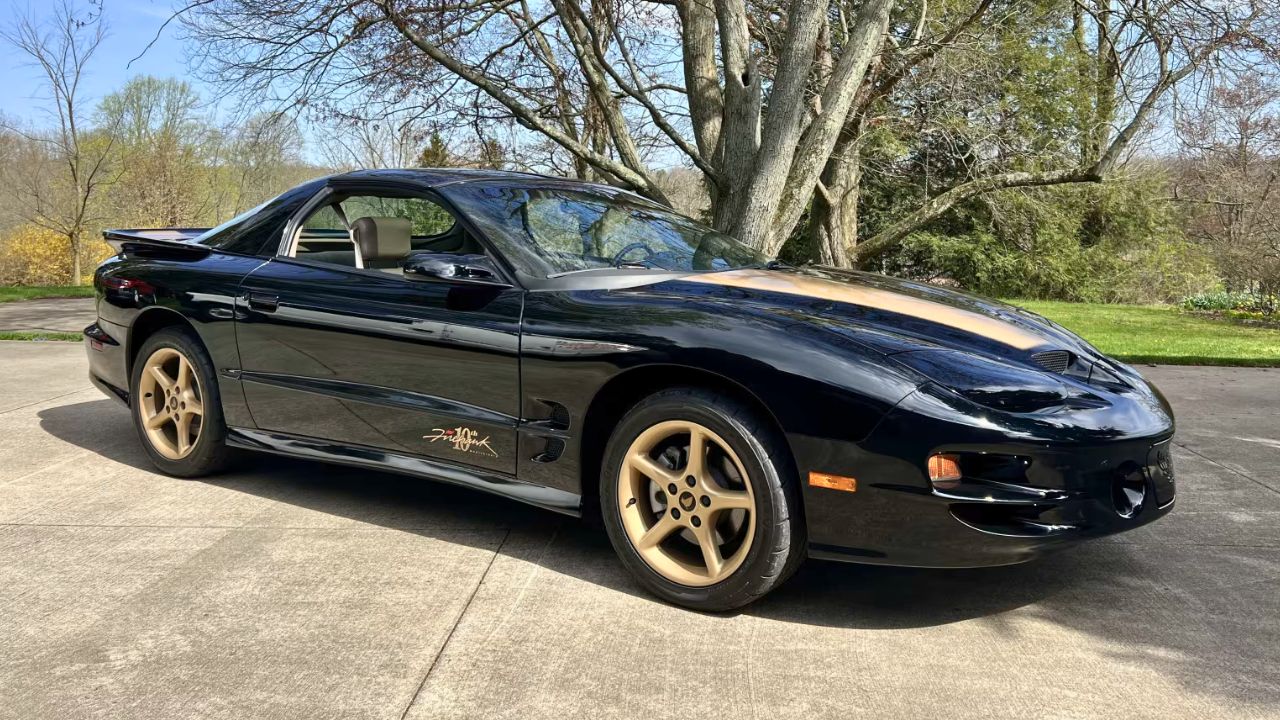
SLP offered a range of options that allowed you to tailor the Firehawk to your driving style. You could go with a more aggressive suspension, different rear-end gear ratios, and even drag-style torsen differentials for improved launch control.
Some buyers stuck with the stock automatic and highway gears for cruisability, while others went full-send with the 6-speed manual, 3.73 gears, and SLP’s intake/exhaust package. The result was a car that could hit low 13s—or high 12s—with the right setup.
9. Appearance Was Subtle—but Effective
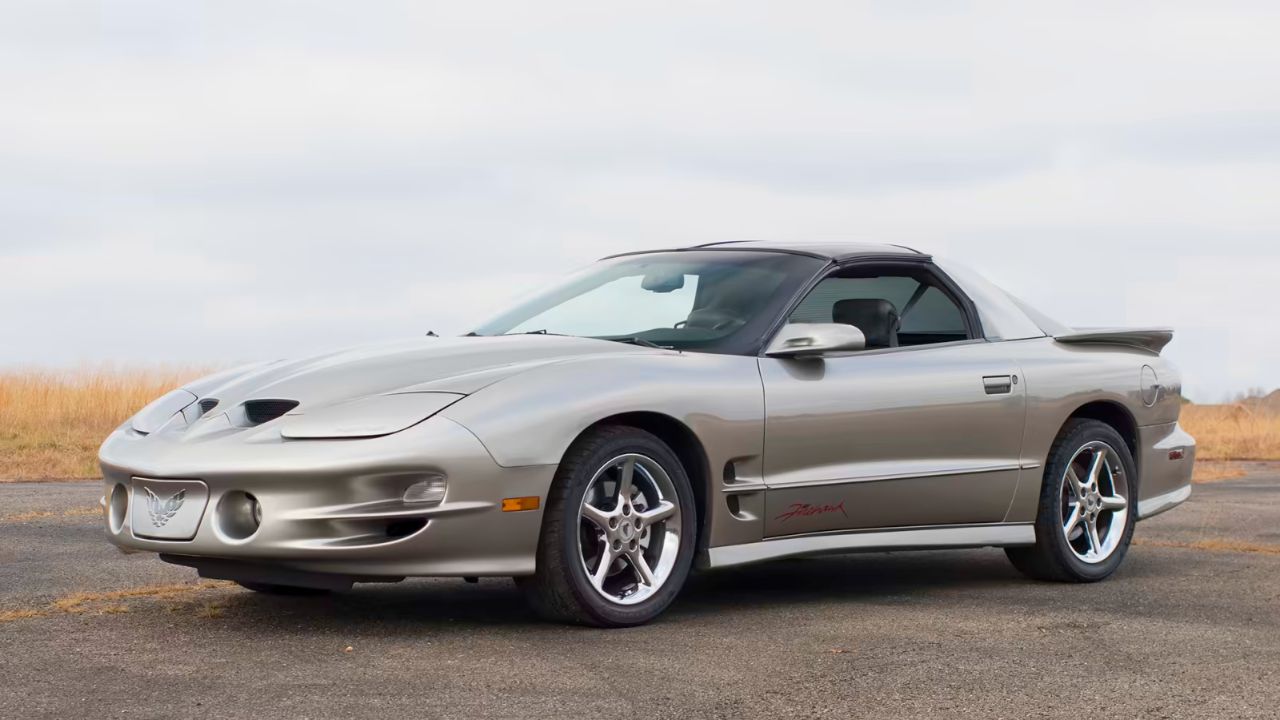
Unlike the flamboyant WS6 Ram Air Trans Am, the Firehawk kept things cleaner. It had unique badging, a lightweight hood with heat extractors, and SLP-specific wheels. Beyond that, most of the upgrades were under the skin.
This stealthy approach was part of the appeal. The Firehawk didn’t scream for attention—it earned it with real performance. For many buyers, that quiet confidence was the whole point. It was the factory hot rod for people who didn’t need to prove anything.
10. The Firehawk Left Behind a Quiet Legacy
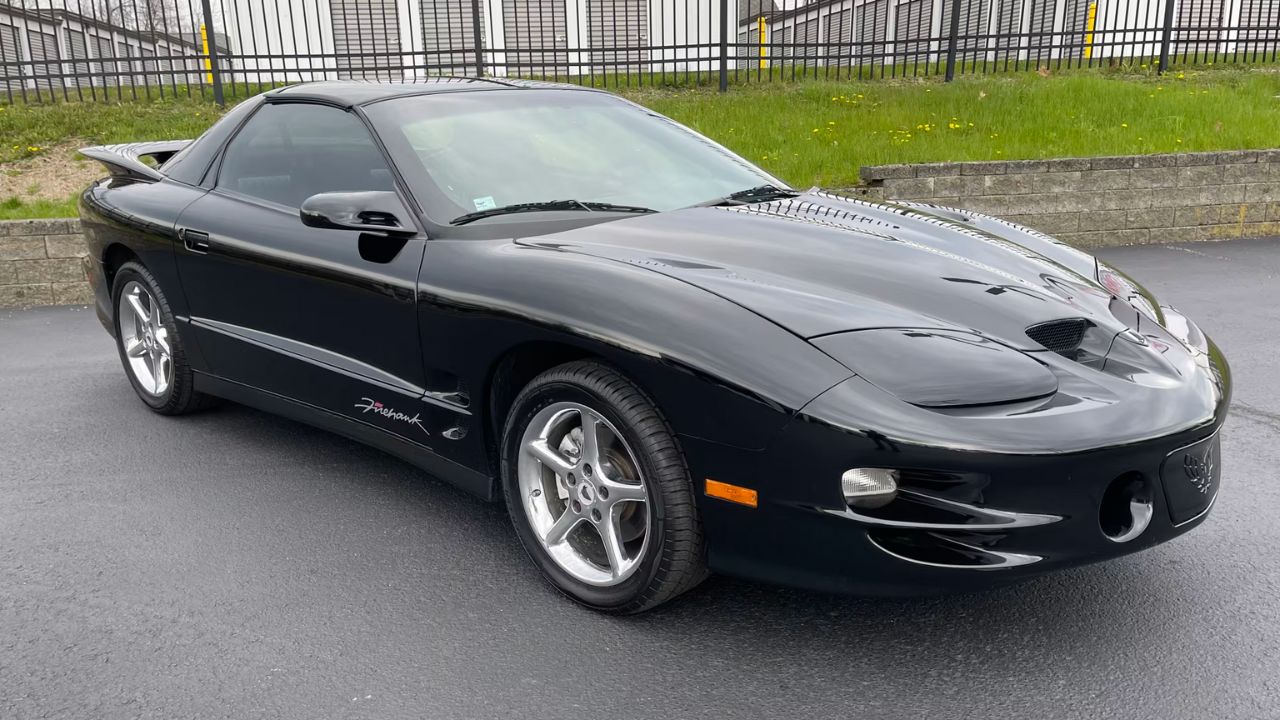
The Firehawk faded out with the end of the F-body line in 2002, the same year Pontiac built its last Firebird. It never got the marketing muscle of the Trans Am or the nostalgia boost of the GTO, but it remains one of the sharpest street machines Pontiac ever backed.
Today, clean Firehawks are becoming harder to find, especially with original paperwork and SLP parts intact. They’re a smart buy for anyone who wants real performance, proven rarity, and a piece of Pontiac’s late-model performance story.
*This article was hand crafted with AI-powered tools and has been car-fully, I mean carefully, reviewed by our editors.