In a world where bigger usually means better, Japan’s kei cars have always gone against the grain. Born from strict regulations and tight urban spaces, these tiny machines were designed to be practical—but some went way beyond that. Whether through clever engineering, sharp styling, or sheer driving fun, a few kei cars proved that small doesn’t have to mean boring.
From mid-engine roadsters to turbocharged hatchbacks, these cars punched above their weight in more ways than one. Here are 10 kei cars that showed just how cool compact can be.
1. Honda Beat (1991–1996)
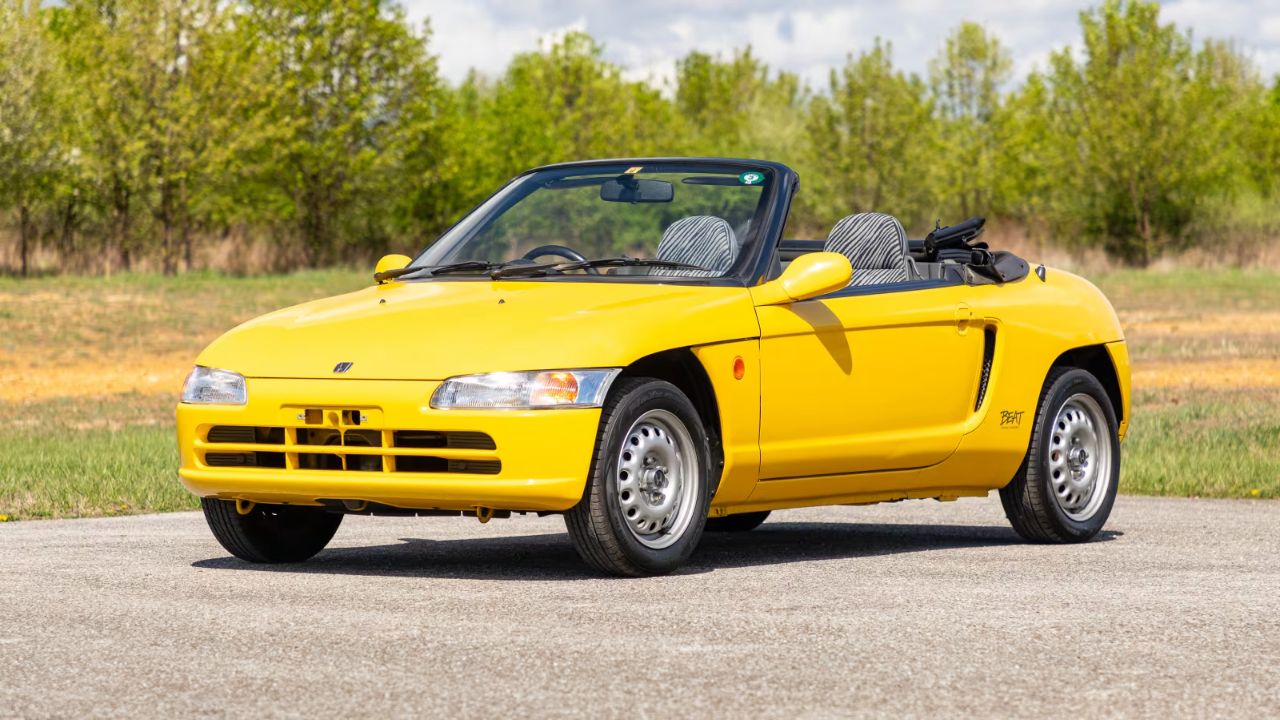
Mid-engine, rear-wheel drive, and redline at 8,500 rpm—the Honda Beat delivered all the driving fun of a sports car in kei car packaging. Powered by a 656cc three-cylinder engine with individual throttle bodies, it made just 63 hp, but it didn’t need much more.
With a five-speed manual, tight handling, and a curb weight under 1,700 pounds, it was built for backroads and city streets alike. It also had one of the cleanest roadster designs of the early ’90s, penned with help from Pininfarina.
2. Suzuki Cappuccino (1991–1998)
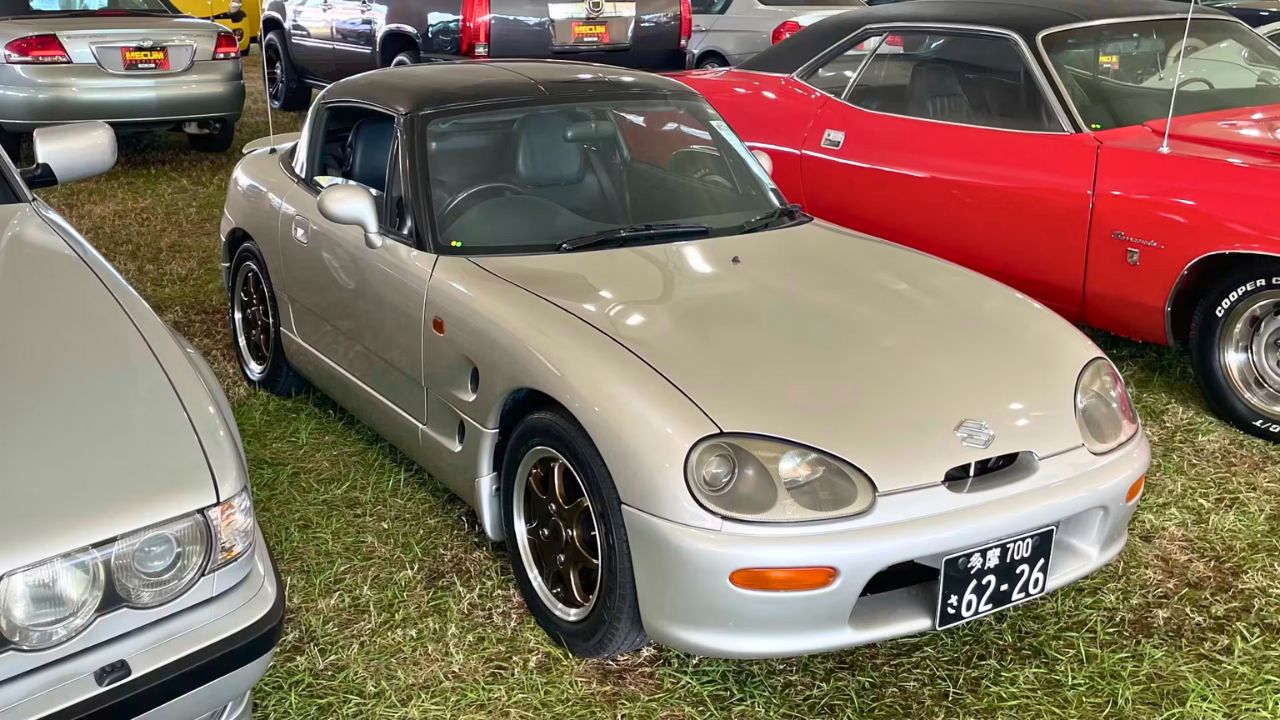
Another kei roadster that made a name for itself, the Suzuki Cappuccino was front-engine and rear-drive, with perfect 50/50 weight distribution. Its turbocharged 657cc inline-three made 63 hp, backed by a five-speed manual and optional limited-slip differential.
It featured a clever three-piece roof that could turn it from a hardtop to a targa or full convertible. Despite its tiny size, it handled with genuine balance and feel—earning it comparisons to the Miata, but in a far smaller package.
3. Autozam AZ-1 (1992–1994)

If kei cars ever had a wild child, this was it. Built by Mazda under its Autozam brand and powered by a turbocharged Suzuki-sourced 657cc engine, the AZ-1 was a mid-engine, rear-wheel-drive coupe with gullwing doors.
The styling was aggressive, almost cartoonish, but the chassis was serious. With a curb weight around 1,600 pounds and a short wheelbase, it delivered quick reflexes. It never sold in big numbers, but it’s one of the most collectible kei cars today.
4. Daihatsu Copen (2002–2012)
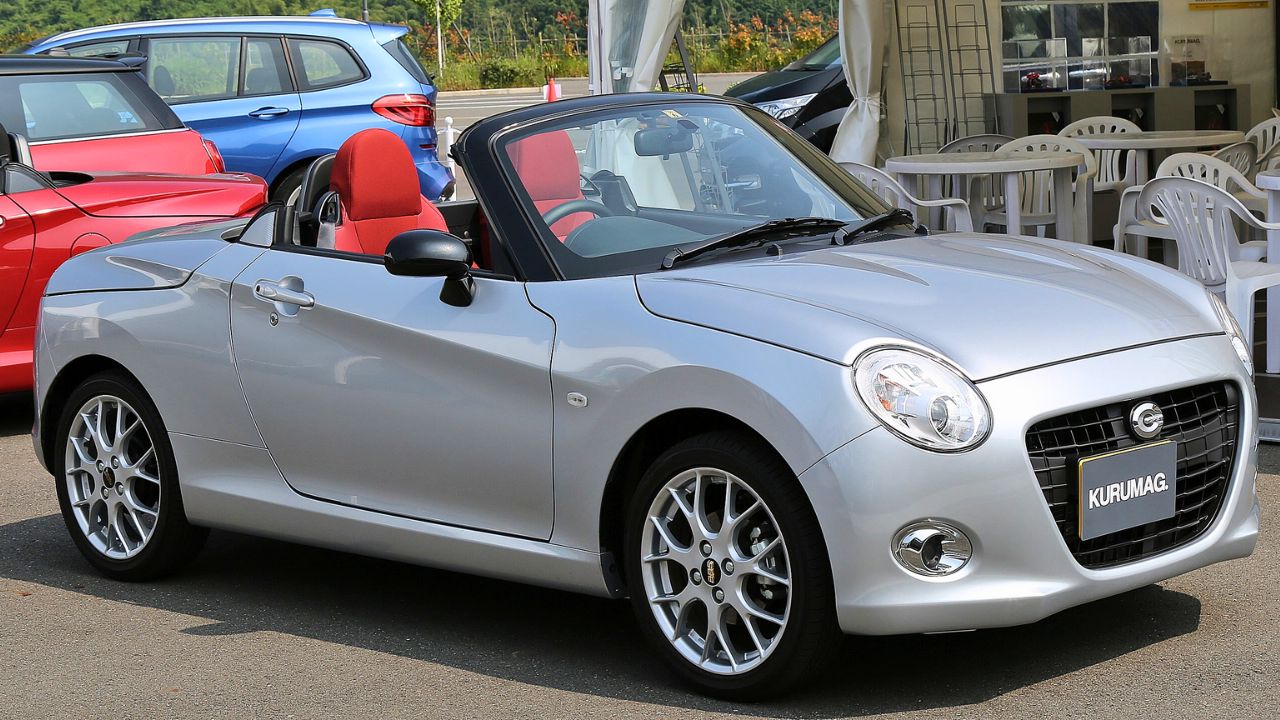
The Copen kept the kei roadster tradition alive into the 2000s, offering a turbocharged 659cc engine and a retractable hardtop that gave it surprising practicality. Paired with either a five-speed manual or a CVT, it delivered just enough power to make everyday drives entertaining.
Later models got a more powerful 1.3L engine for export, but the original kei-spec Copen remains a clever mix of fun and function. For drivers who wanted open-air driving without the footprint of a full-size convertible, this was the answer.
5. Honda N360 (1967–1972)
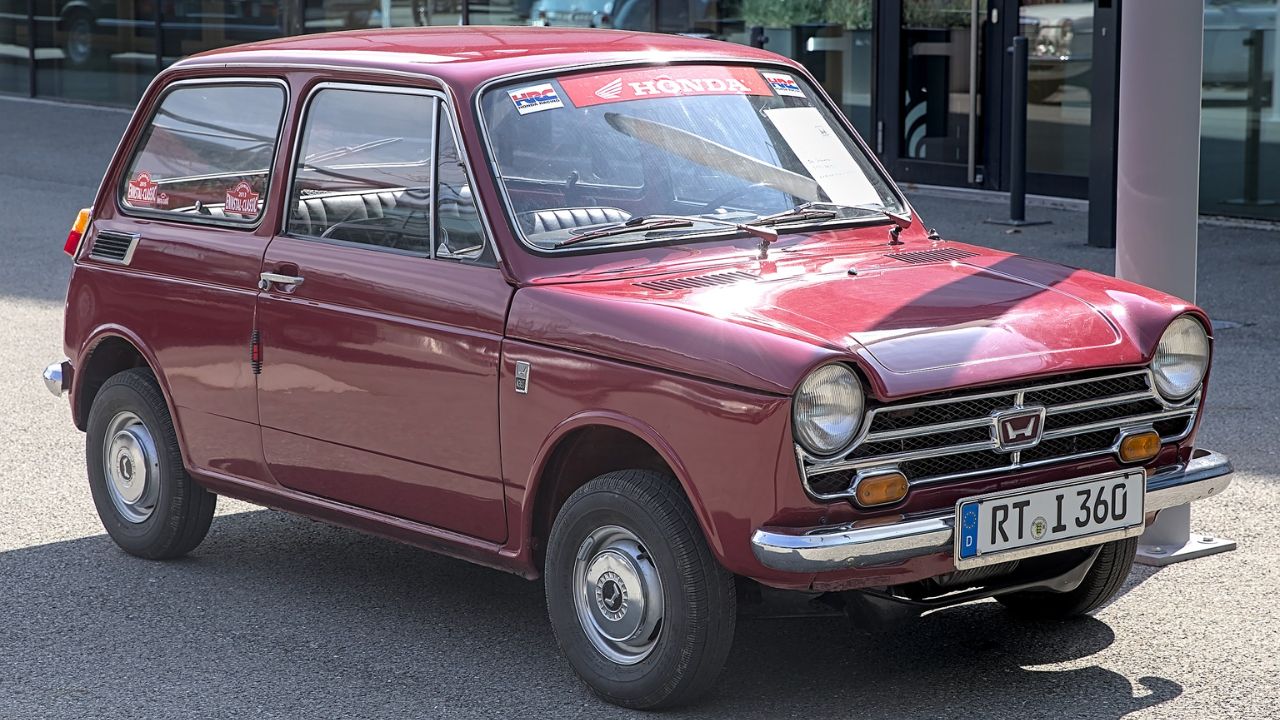
Long before the Fit or Civic, the N360 showed Honda knew how to make compact cars cool. It came with a 354cc air-cooled two-cylinder engine making around 30 horsepower, paired to a 4-speed manual.
With front-wheel drive, a 1,300-pound curb weight, and surprising space efficiency, it was one of the first kei cars to offer a car-like experience instead of just motorcycle-based transport. It was also the first Honda to sell in meaningful numbers outside Japan.
6. Subaru 360 (1958–1971)
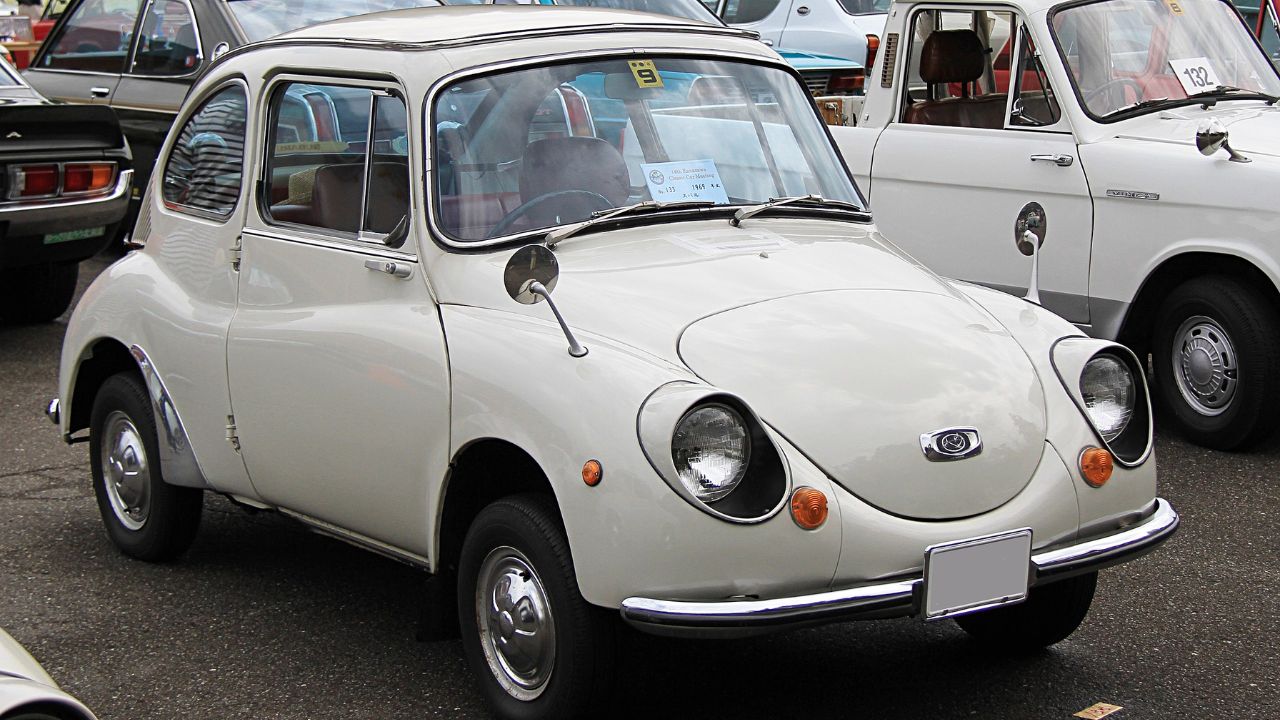
Nicknamed the “ladybug,” the Subaru 360 was Japan’s first real people’s car. It weighed just over 900 pounds and used a 356cc two-stroke twin-cylinder engine that made 16–25 hp depending on the year.
It had a four-speed manual, independent suspension, and room for four—barely. More than 390,000 were built, making it one of the most successful early kei cars. It even made its way to the U.S. briefly, though not without controversy due to its size and safety.
7. Suzuki Alto Works RS/R (1987–1994)
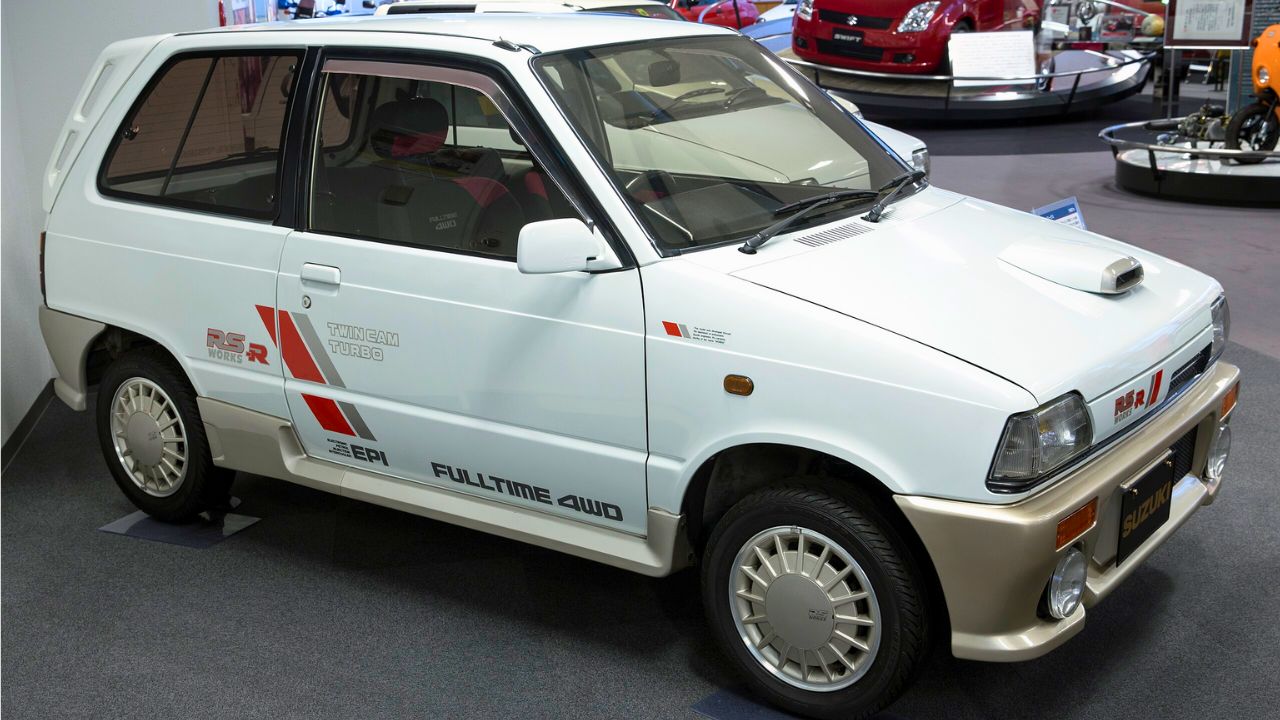
The Alto Works RS/R took the basic Suzuki Alto and gave it a serious performance edge. It had a turbocharged and intercooled 660cc engine pushing 64 hp to all four wheels, making it one of the first AWD kei hot hatches.
With a five-speed manual, firm suspension, and rally-style looks, it was built for spirited driving in tight spaces. It could hit 60 mph in under 10 seconds—not bad for a car smaller than a Smart—and was a favorite among tuners and street racers in Japan.
8. Mitsubishi Minica Dangan ZZ (1989–1993)
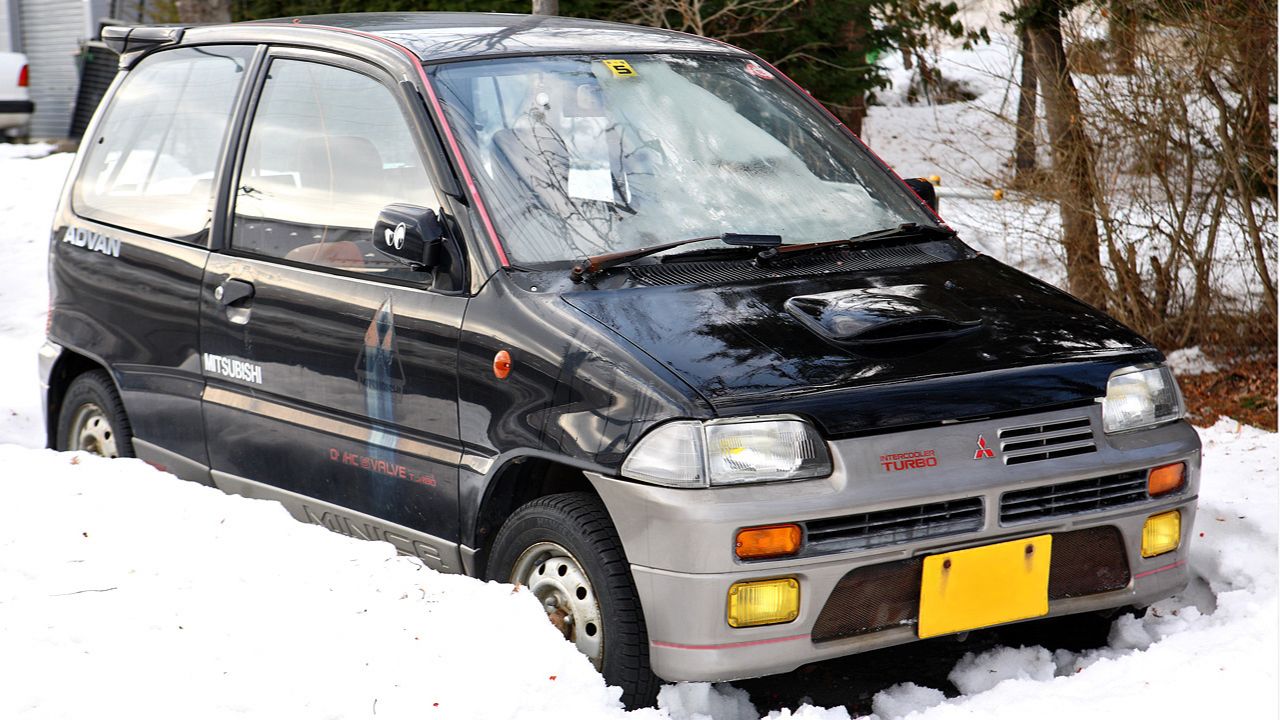
The Minica Dangan ZZ stood out as one of the few kei cars to feature a DOHC 5-valve engine—something that even performance cars at the time didn’t always offer. Its 657cc turbocharged inline-three made 64 hp and sent power to the front wheels through a five-speed manual.
It had lightweight construction, sharp steering, and sportier suspension, which made it more than just a curiosity. With subtle styling and punchy performance, it offered genuine driving fun for buyers on a budget.
9. Mazda Carol 360 (1962–1970)
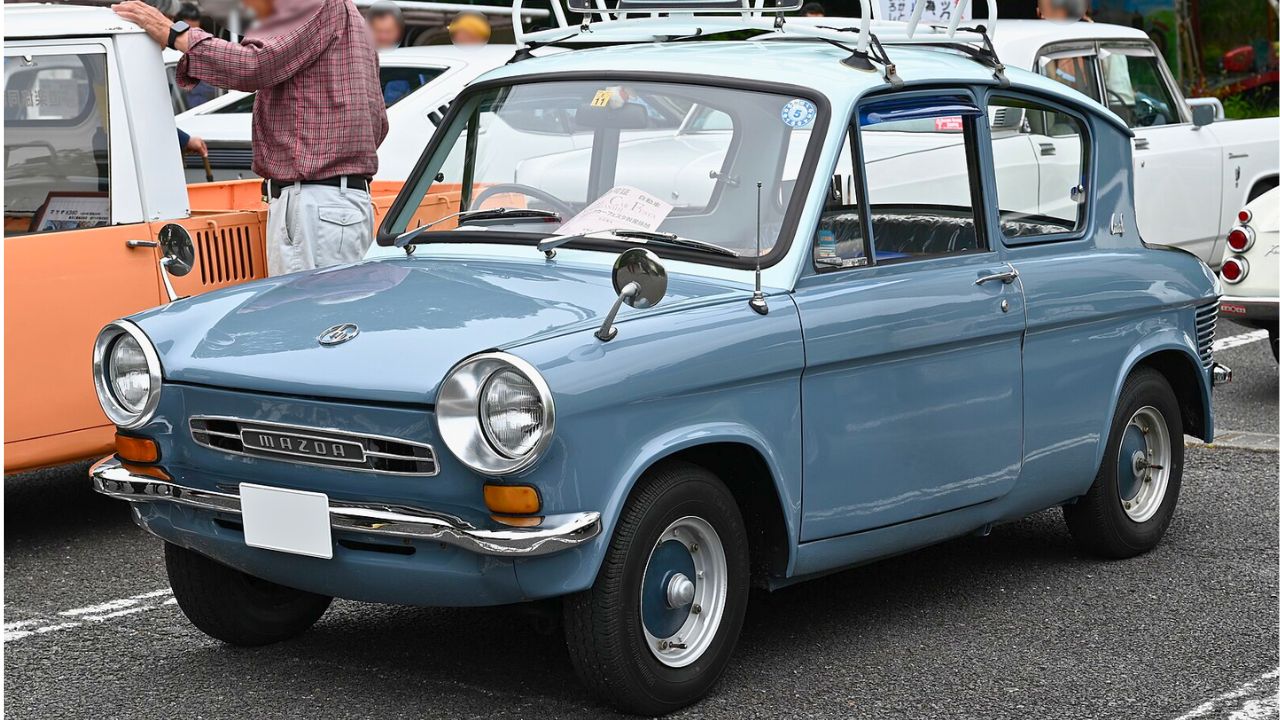
The original Mazda Carol 360 looked mild, but it was engineered with surprising care. It used a 358cc 4-cylinder engine—rare for kei cars at the time—and featured four-wheel independent suspension, which helped give it a better ride and handling than expected.
Despite only making about 18 hp, it could cruise at highway speeds (just barely), and was a hit among Japanese buyers looking for a reliable commuter. Its rounded styling and tidy dimensions made it a staple of early 1960s city life.
10. Honda S660 (2015–2022)
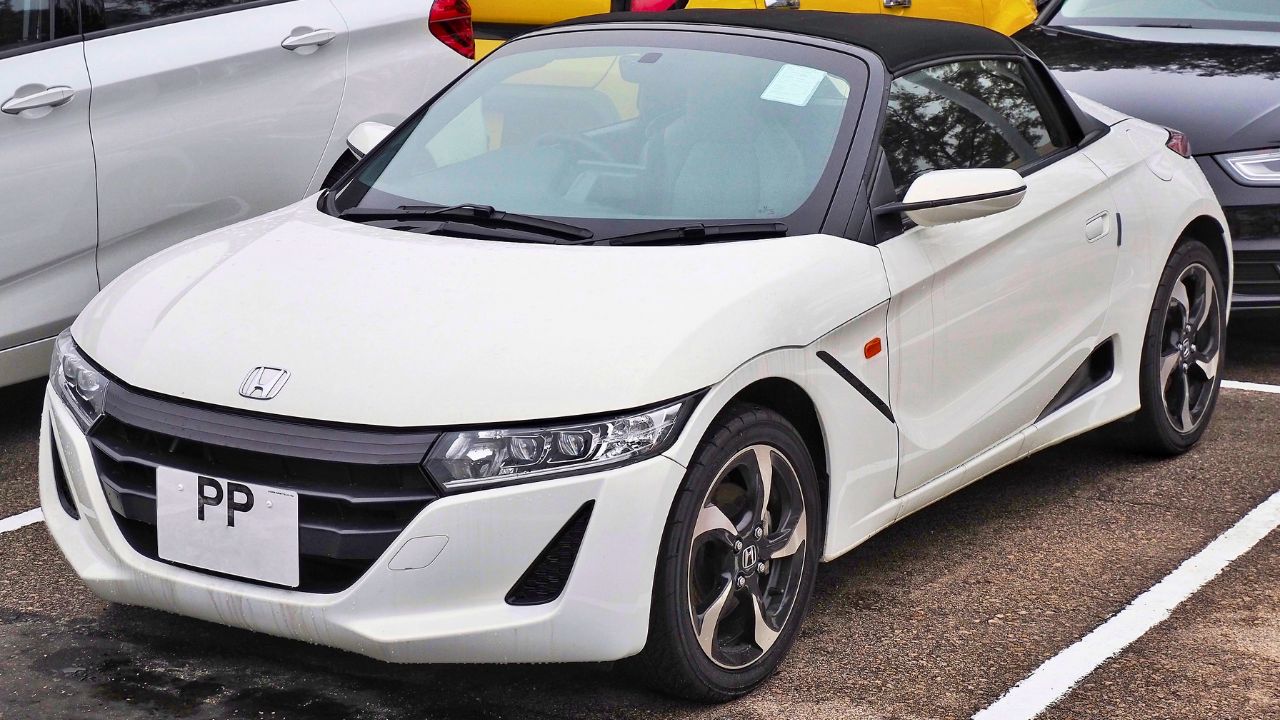
A modern nod to the Beat, the S660 brought mid-engine, rear-drive performance back to the kei segment. Its turbocharged 660cc three-cylinder made 63 hp and was available with a six-speed manual—a rarity in its class.
With a low center of gravity, sport-tuned suspension, and compact proportions, it handled like a proper sports car. Though it was never sold outside Japan, the S660 built a cult following and proved that kei cars could still offer real driving thrills in the modern age.
*This article was hand crafted with AI-powered tools and has been car-fully, I mean carefully, reviewed by our editors.