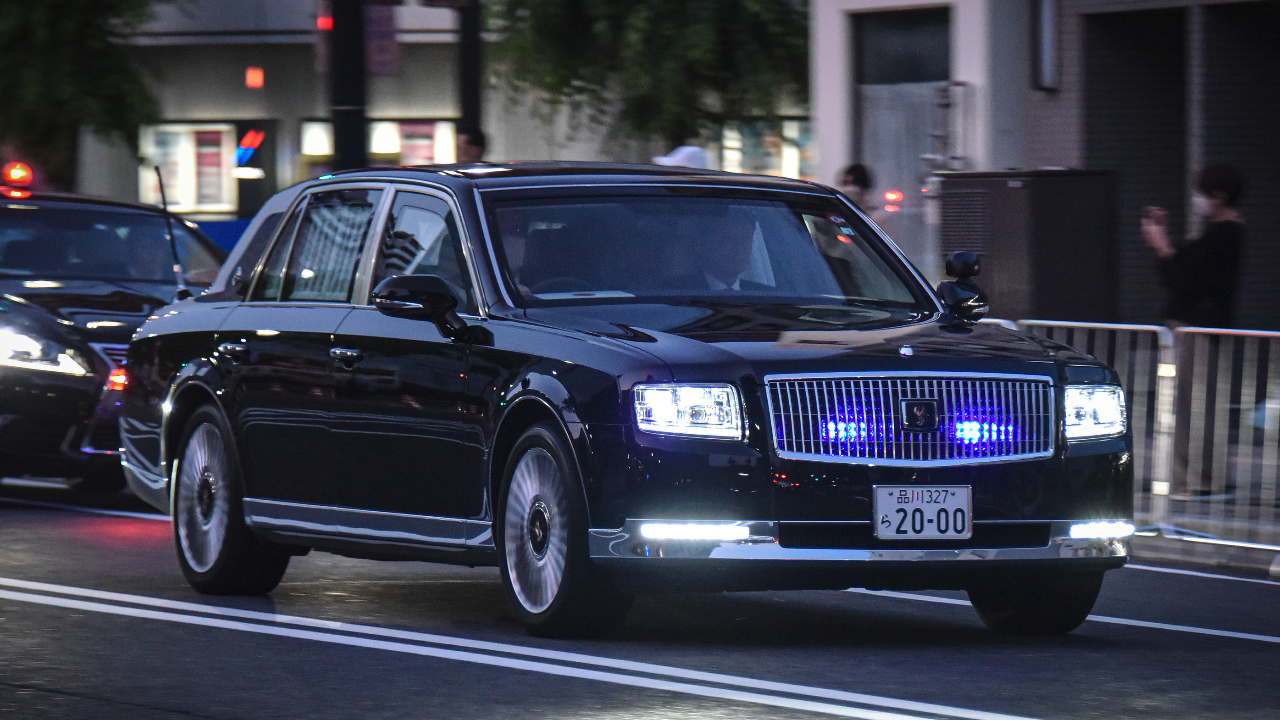
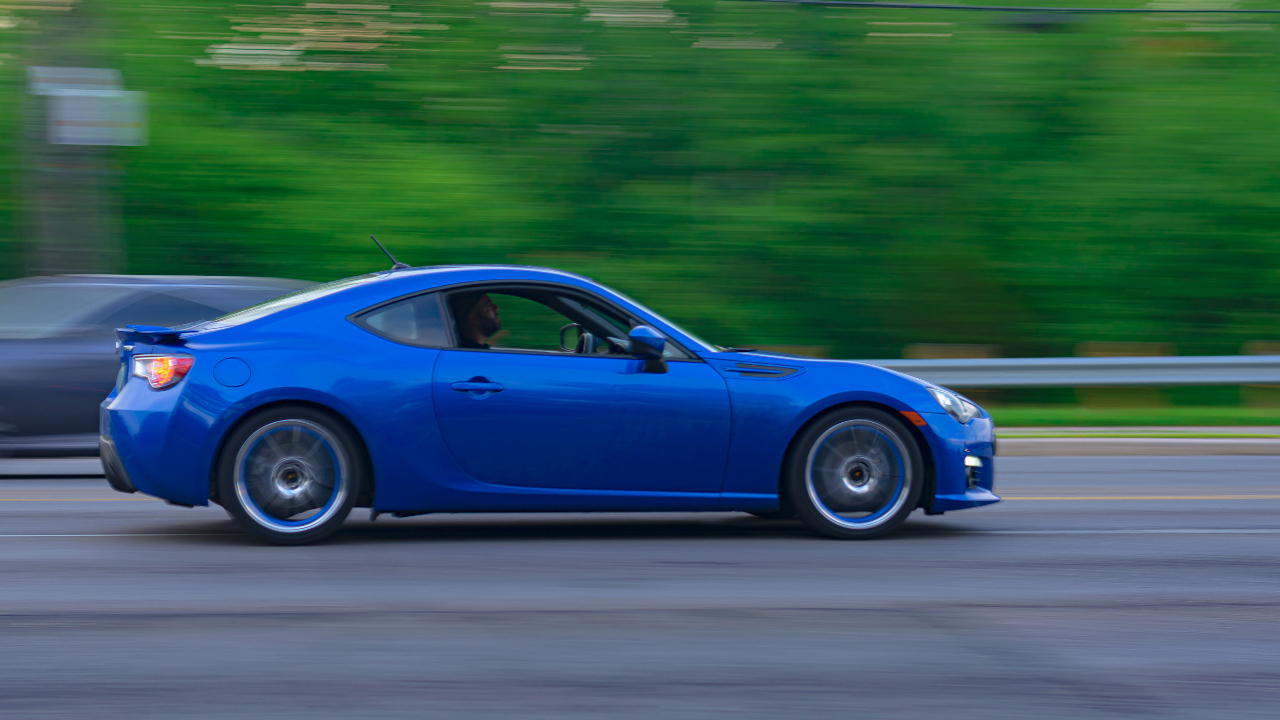
In recent years, the automotive industry has witnessed a resurgence of retro-inspired styling, blending nostalgic design elements with modern technology. This trend has captivated car enthusiasts and casual drivers alike, as manufacturers pay homage to iconic models of the past. We’ll explore the motivations behind this movement, highlight some standout examples, and consider the implications for the future of car design.
The Appeal of Nostalgia

The allure of nostalgia in car design goes beyond mere aesthetics; it taps into the deep emotional bond that many car enthusiasts have with classic models. For those who grew up idolizing the rumble of a 1965 Mustang or the distinctive silhouette of a vintage Volkswagen Beetle, the modern reincarnations offer a tangible connection to cherished memories. These vehicles serve as a bridge between the past and present, allowing drivers to relive the golden eras of automotive history with the added benefits of contemporary comfort and safety.
Popular culture has also played a significant role in fueling this renaissance of retro-inspired styling. Iconic cars from movies, television, and music videos have become cultural symbols, influencing the collective imagination and creating a lasting impact on automotive design. Films like “Bullitt” with its famous Mustang chase scenes or “The Italian Job,” which showcased the nimble Mini Cooper, have left indelible marks on popular culture, driving the demand for their modern counterparts.
Consumer preferences have naturally gravitated towards these retro-inspired models, prompting manufacturers to revisit and reinvent classic styles. Market research indicates a growing segment of buyers who value the nostalgic design ethos, often viewing these vehicles as both collector’s items and daily drivers. This trend reflects a broader societal shift towards valuing authenticity and heritage, with car buyers seeking vehicles that resonate on a personal and emotional level.
Iconic Models Reimagined

The Ford Mustang is a prime example of how modern vehicles are reimagining their classic predecessors. The current generation Mustang pays homage to its 1960s roots with design elements like the fastback roofline and signature tri-bar taillights. However, it’s not just about looks; the latest models come equipped with cutting-edge technology such as Ford’s SYNC infotainment system and advanced driver-assist features. This blend of old and new makes the Mustang an enduring icon that appeals to both purists and tech-savvy drivers.
The Mini Cooper is another standout example, maintaining its classic charm while embracing new-age features and functionality. Since its relaunch by BMW in 2001, the Mini has successfully captured the essence of its original design—compact dimensions, playful styling, and go-kart-like handling. Modern iterations offer a range of high-tech options, from customizable ambient lighting to MINI Connected, a suite of digital services designed to enhance the driving experience. The Mini remains a beloved choice for those who appreciate its heritage yet crave modern conveniences.
The Volkswagen Beetle has seen a remarkable evolution in its design, transitioning from the utilitarian “People’s Car” of the 1930s to a chic, contemporary vehicle. The modern Beetle retains its iconic rounded shape and friendly demeanor, while incorporating advancements like touchscreen infotainment and turbocharged engines. Although the Beetle was discontinued in 2019, its legacy lives on in models like the ID. Buzz, an electric homage to the classic VW Microbus, proving that the spirit of the Beetle continues to inspire future designs.
Blending Retro Design with Modern Technology

Manufacturers are skillfully integrating modern technology into retro-styled vehicles, ensuring that these cars are not just echoes of the past but also pioneers of the present. Advanced features such as state-of-the-art infotainment systems, adaptive cruise control, and enhanced connectivity options are now standard in many retro-inspired models. For instance, the Chevrolet Camaro offers a head-up display and a customizable digital instrument cluster, combining the thrill of a classic muscle car with the convenience of modern tech.
Sustainability has emerged as a key consideration in the design of retro-inspired vehicles. Many manufacturers are adopting eco-friendly materials and electric powertrains to reduce the environmental impact of these cars. The Fiat 500, for example, is available as an all-electric model, aligning with the brand’s commitment to sustainable mobility while preserving the iconic design elements that made it a classic. This approach ensures that retro designs can meet contemporary environmental standards without sacrificing their nostalgic appeal.
Customization has become a significant aspect of the retro-inspired car market, with manufacturers offering a wide range of personalization options to suit individual tastes. From unique paint colors and vintage-style upholstery to bespoke interior trim and performance upgrades, there’s a wealth of choices available to consumers. This trend reflects a growing desire for individuality in car ownership, allowing drivers to create vehicles that are as unique as their memories and aspirations.
Implications for the Future of Automotive Design

The resurgence of retro styling is likely to influence future design innovations, as carmakers strive to balance tradition with technology. This trend encourages designers to draw inspiration from the past while pushing the boundaries of what’s possible in automotive engineering. As a result, we may see a new wave of vehicles that seamlessly blend vintage aesthetics with futuristic functionalities, creating an exciting landscape for car enthusiasts and designers alike.
Embracing retro styling can also have a profound impact on a brand’s identity and heritage. By revisiting and reimagining classic models, manufacturers can strengthen their brand narrative and attract new demographics. Younger consumers, who may not have direct experience with the original models, are often drawn to the retro aesthetic for its authenticity and character. This strategy can help brands differentiate themselves in a competitive market, fostering loyalty among both new and existing customers.
The competitive landscape of the automotive industry is evolving as more manufacturers adopt retro-inspired designs. This trend has created a niche market where brands vie for attention by offering unique interpretations of their historical models. As competition intensifies, manufacturers are likely to innovate further, experimenting with new materials, technologies, and design philosophies to capture the imagination of car buyers. Ultimately, the revival of retro styling is not just a nostalgic nod to the past but a dynamic and evolving chapter in the story of automotive design.
Like Fast Lane Only’s content? Be sure to follow us.
Here’s more from us:
*Created with AI assistance and editor review.