Originality in collector cars is a critical factor that significantly influences their value, appeal, and historical significance. While modifications and restorations can enhance certain aspects, the unique authenticity of a vehicle as it was originally produced is what truly captivates collectors and enthusiasts. Exploring the reasons why originality holds such paramount importance in the realm of collector cars reveals insights into history, market dynamics, and the intrinsic value of these timeless machines.
Historical Significance
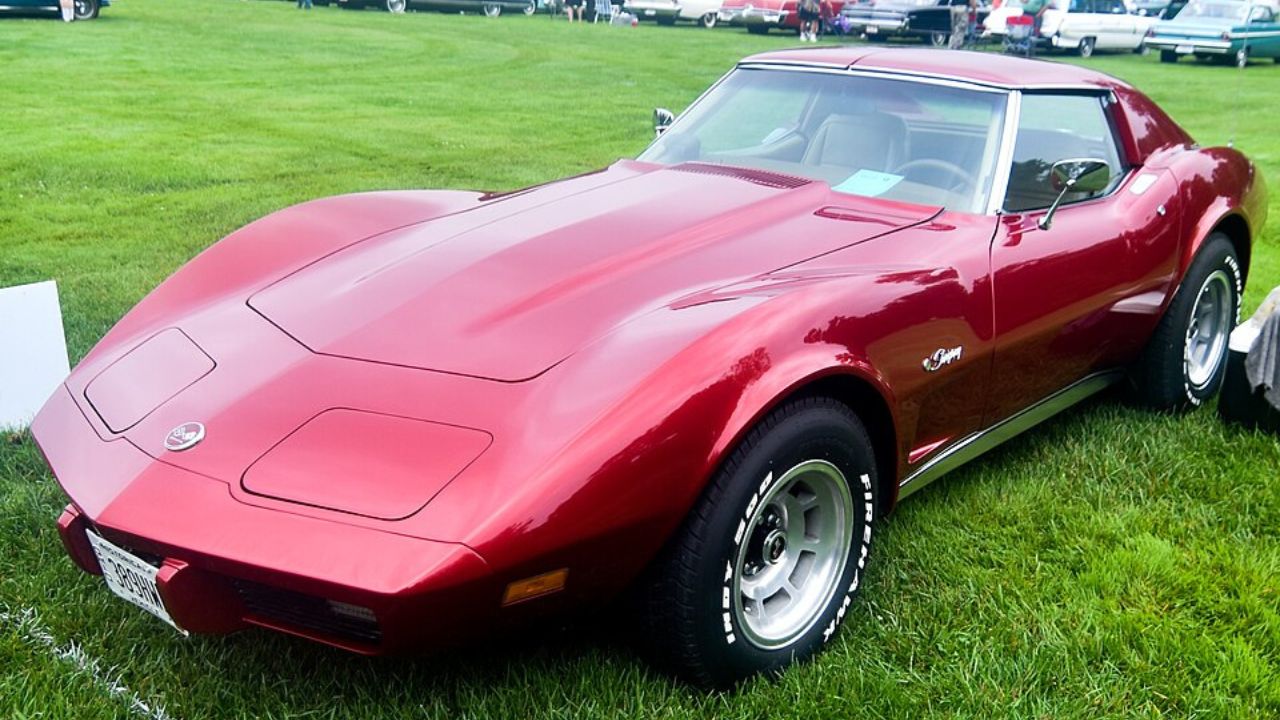
Original collector cars offer an unmatched level of authenticity in design and production. These vehicles maintain the exact specifications and design features as intended by the manufacturer, which is crucial for preserving the historical context and technological advancements of the time. For instance, the 1963 Chevrolet Corvette Stingray, with its split rear window, is a testament to the design ethos of its era. Retaining such original elements provides enthusiasts and historians with a snapshot of automotive history, preserving the artistry and innovation of past decades.
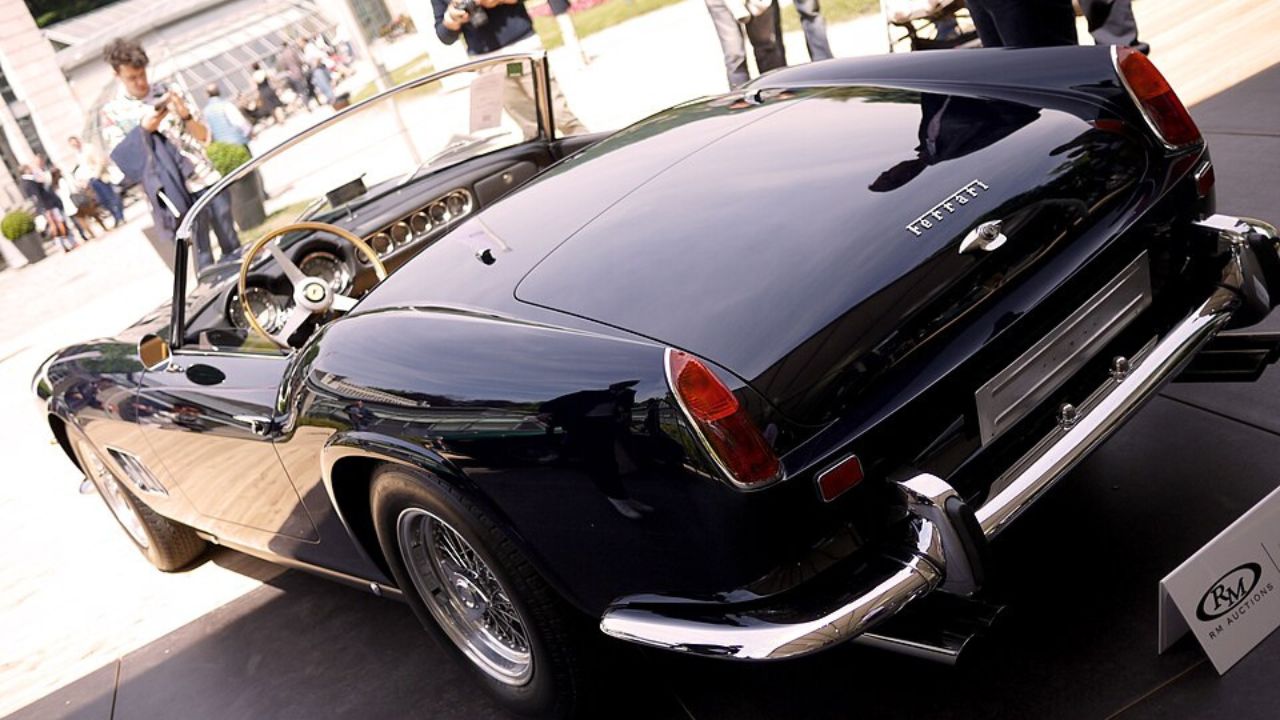
Provenance and lineage are additional factors enhancing the historical significance of original cars. A well-documented history can trace a vehicle’s journey through time, often linking it to notable owners, events, or achievements that further elevate its desirability. Consider the 1961 Ferrari 250 GT California Spider, famously owned by actor James Coburn. Its provenance not only adds to its allure but also to its monetary value, highlighting the importance of an unaltered lineage.
Original collector cars also serve as cultural artifacts, reflecting the societal and economic conditions of their era. They offer insights into the evolution of automotive design and engineering, illustrating how vehicles have adapted to meet changing consumer expectations and technological capabilities. A prime example is the Ford Model T, which revolutionized transportation and reflected the industrial boom of the early 20th century. Such vehicles are more than mere modes of transportation; they are historical narratives on wheels.
Market Value
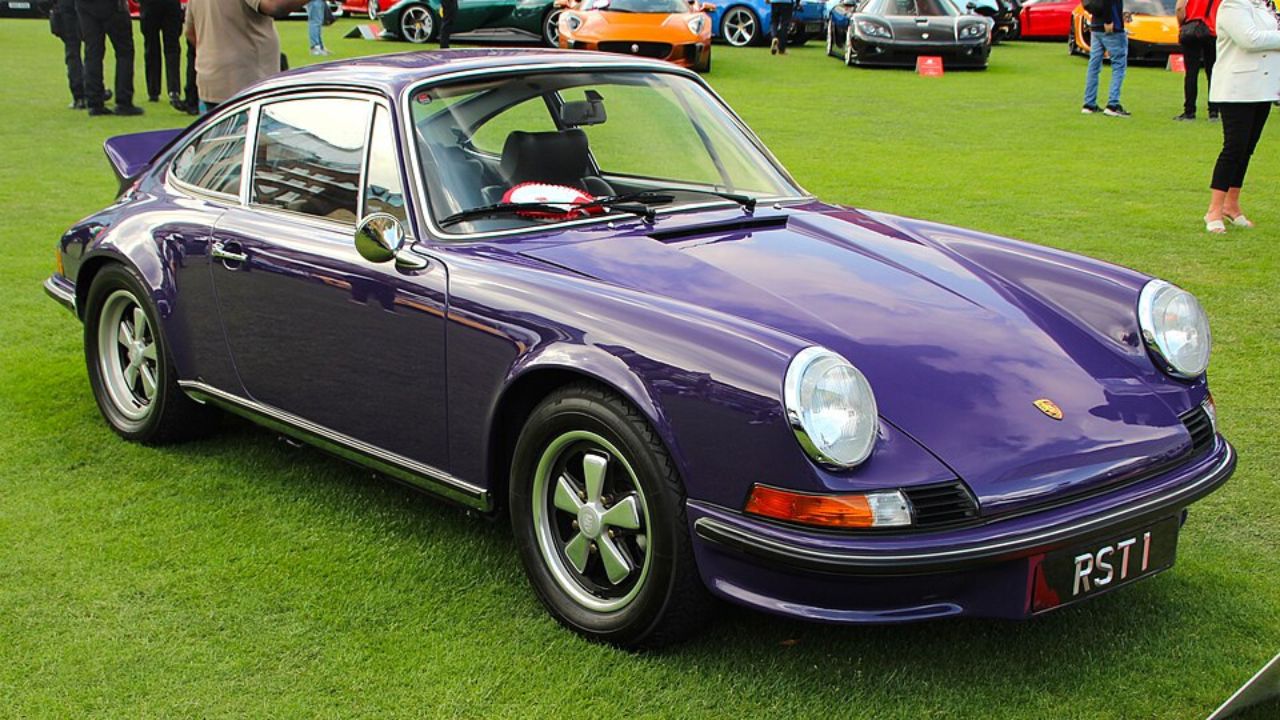
In the collector car market, rarity and exclusivity are key drivers of value, and original cars, especially those in good condition, are often rare finds. This rarity makes them highly sought-after by collectors, commanding significantly higher prices. The Porsche 911 Carrera RS 2.7, produced in limited numbers in the early 1970s, illustrates how scarcity, coupled with originality, can lead to astronomical valuations in auctions and private sales.
Originality is also closely linked with investment potential. As these cars often correlate with higher market value, collectors view them as sound investments that are likely to appreciate over time. The market for classic cars has shown consistent growth, and vehicles that have maintained their original parts, paint, and interior tend to achieve a premium in sales. For example, a classic Jaguar E-Type with its original components can see a significant increase in value compared to a restored counterpart.
The authenticity premium is another aspect that enhances market value. Vehicles that retain their original features are scarce and unaltered, appealing to purists who value the car’s true form. This premium is evident in the sales of cars like the Shelby Cobra, where originality can mean the difference between a high six-figure and a seven-figure sale. The market rewards those cars that stand as untouched relics from the past, reinforcing the financial benefits of maintaining originality.
Aesthetic and Mechanical Integrity
Preserving the craftsmanship of original cars is essential for showcasing the artistry and materials used during their production. These vehicles offer a genuine representation of the era’s automotive design and engineering, highlighting the attention to detail and skill that went into creating them. The 1955 Mercedes-Benz 300SL Gullwing is a perfect example, where its original gullwing doors and intricate interior are celebrated for their exceptional craftsmanship.
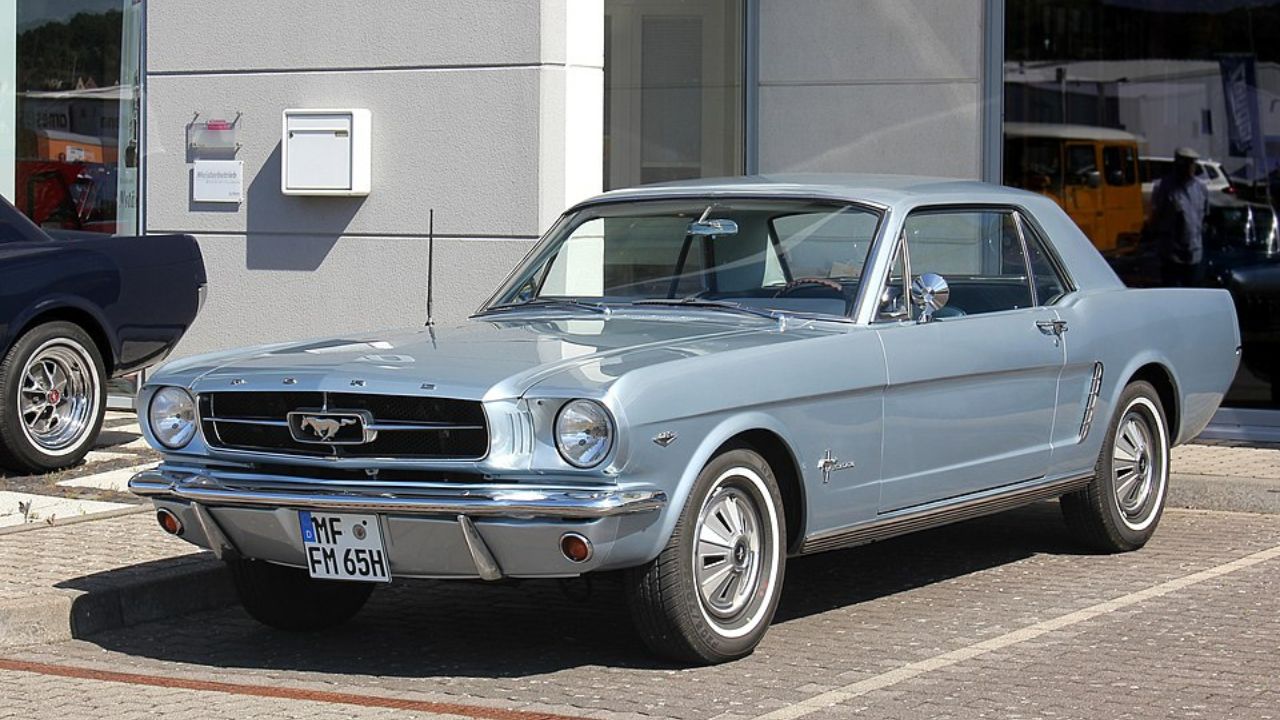
Beyond aesthetics, original mechanical components allow for an authentic driving experience. Enthusiasts relish the opportunity to feel how these cars were intended to perform, providing a tangible connection to the past. Driving a car like the 1965 Ford Mustang in its original state offers a sense of nostalgia and authenticity, unmatched by modern reconstructions or heavily modified versions.
Furthermore, the patina and character of original cars contribute to their unique appeal. The natural wear and aging tell a story, resonating with collectors who appreciate the vehicle’s journey through time. The weathered leather seats and worn steering wheels of a classic Aston Martin DB5, for example, narrate tales of its past adventures, adding a layer of depth that cannot be replicated by restoration.
Community and Recognition
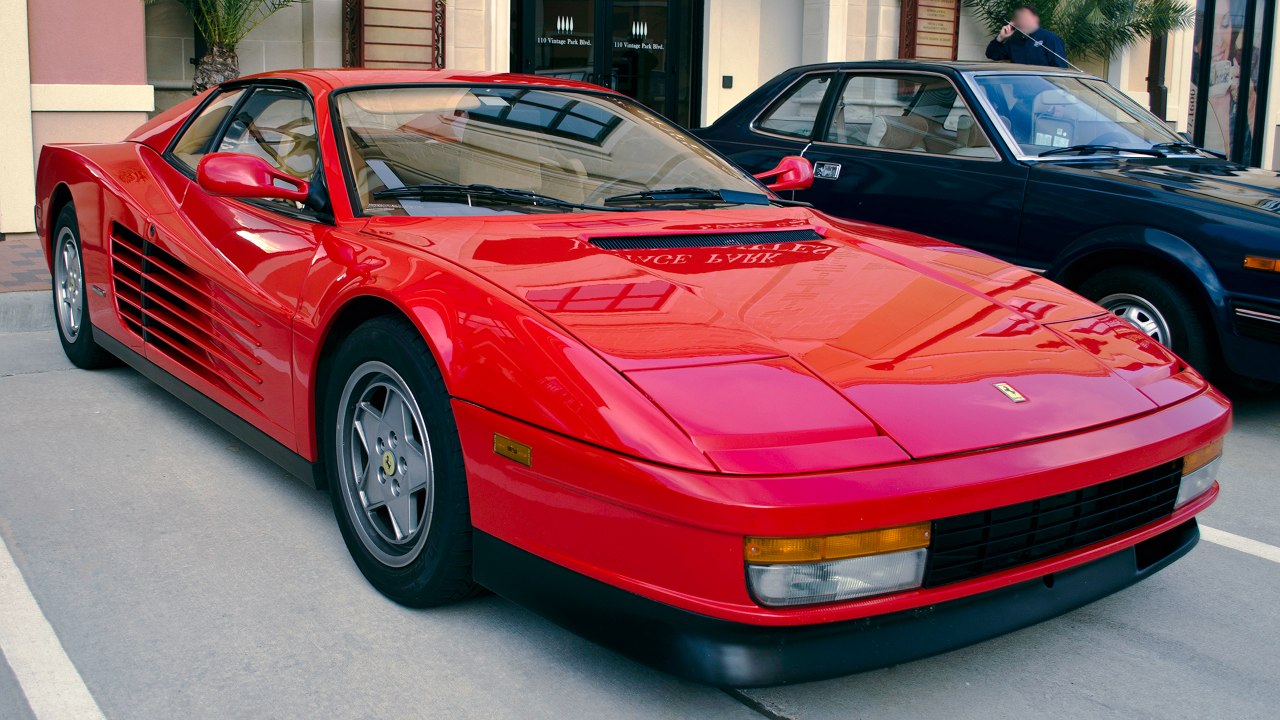
Original cars often enjoy high esteem among enthusiasts, garnering respect and admiration within collector circles. They represent a commitment to preserving automotive history and are celebrated for their authenticity. This respect is evident in the gatherings of car clubs and societies, where original vehicles are often the stars of the show. The Ferrari Club of America, for instance, frequently highlights members’ original cars, emphasizing their importance in the community.
Participation in prestigious car shows and events is another perk for owners of original cars. These events often favor original vehicles, offering exclusive opportunities for recognition and awards that further enhance the vehicle’s prestige. The Pebble Beach Concours d’Elegance, one of the most esteemed automotive events, regularly awards prizes to cars that have maintained their originality, underscoring the value placed on authenticity.
Original vehicles also serve as valuable educational tools, providing insight into historical automotive practices and inspiring future generations of car enthusiasts and restorers. Museums like the Petersen Automotive Museum in Los Angeles showcase original cars to educate visitors on the evolution of the automobile, fostering appreciation and understanding of automotive history.
Challenges and Considerations
Despite their allure, maintaining originality in collector cars presents challenges. Preservation requires careful techniques and sourcing rare parts, posing difficulties for collectors dedicated to keeping their vehicles authentic. The search for original parts can be a daunting task, as seen with the 1969 Dodge Charger, where finding untouched components often requires extensive networking and research.
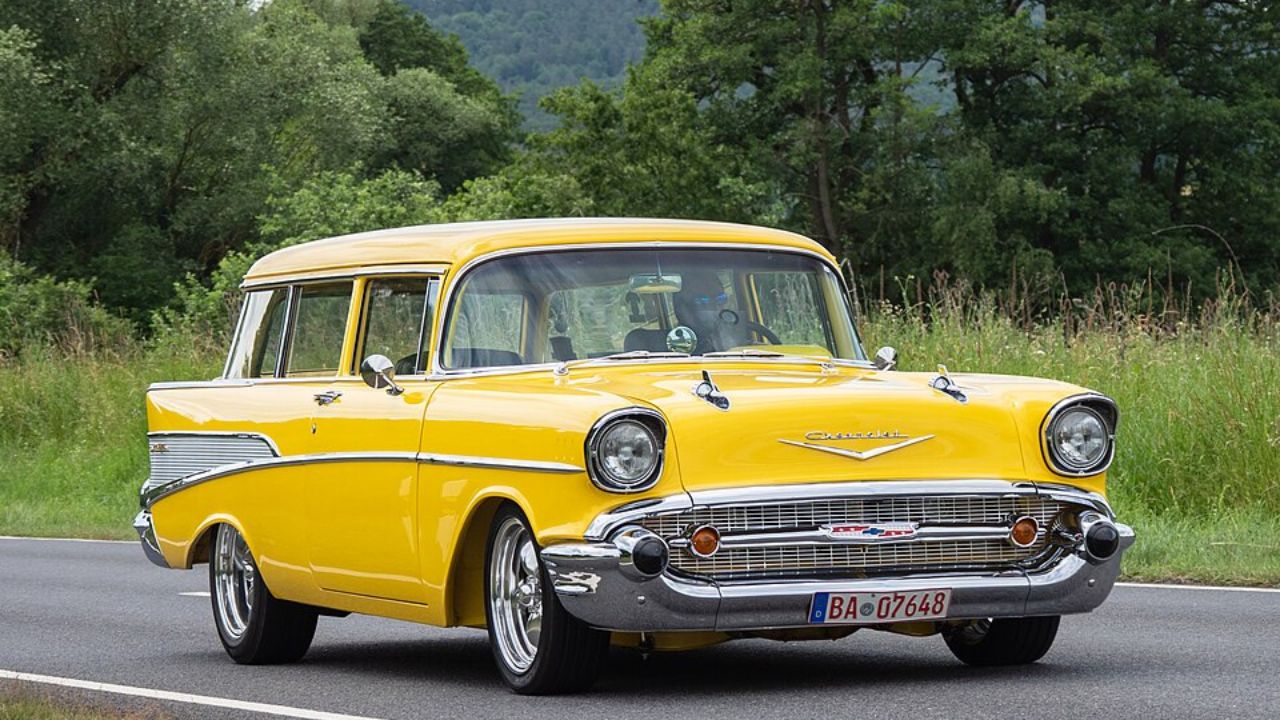
Collectors must also navigate the delicate balance between necessary restoration work and preserving originality. Making informed choices about which elements to conserve and which to restore is crucial. A car like the 1957 Chevrolet Bel Air may require some restoration to remain functional, but preserving key original features is essential to maintain its authenticity and value.
Furthermore, the debate over originality versus restoration raises ethical questions about the responsibilities of collectors to uphold historical integrity versus personalizing their vehicles. This ethical dilemma is a point of contention within the collector community, where opinions vary on the extent to which a car should be restored or modified. Ultimately, the decision rests with the individual collector, but the impact on the car’s historical and market value is undeniable.
Like Fast Lane Only’s content? Be sure to follow us.
Here’s more from us:
*Created with AI assistance and editor review.