When most people think “Chevelle,” their minds jump straight to SS 396s and LS6-powered tire shredders from the late ’60s. But buried in the shadows of that muscle car heyday is a name you rarely hear: the Chevelle Laguna. Built for a brief stint in the mid-’70s, the Laguna had more to do with NASCAR than boulevard cruising—and that’s exactly what makes it interesting.
Between its unusual styling, short production run, and real track pedigree, the Laguna carved out a strange little niche in Chevrolet history. It wasn’t flashy, and it wasn’t around long, but it played a bigger role than most people remember.
Born to Race, Not to Last
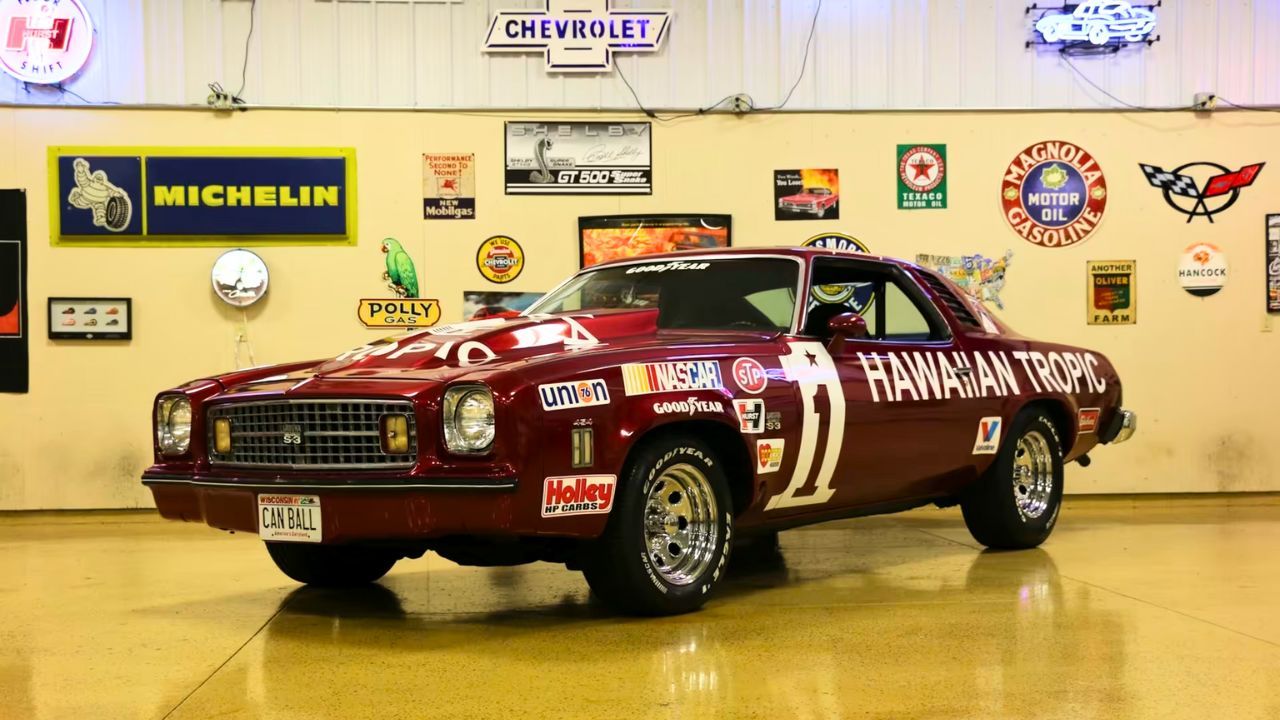
The Chevelle Laguna first appeared in 1973 as a premium trim above the Malibu, but it wasn’t just about vinyl roofs and opera windows. By 1974, it became the Laguna Type S-3, Chevy’s secret weapon for NASCAR. With sleeker urethane nose pieces and better aerodynamics, it gave GM a fighting chance against the Mopars and Blue Ovals tearing up the track.
On the street, the S-3 was a solid performer, especially with the optional 454 big-block V8. It wasn’t a Camaro, but it wasn’t supposed to be. It was a big coupe with muscle, built for speed and surprisingly good handling—at least by mid-’70s standards.
A NASCAR Darling in Disguise
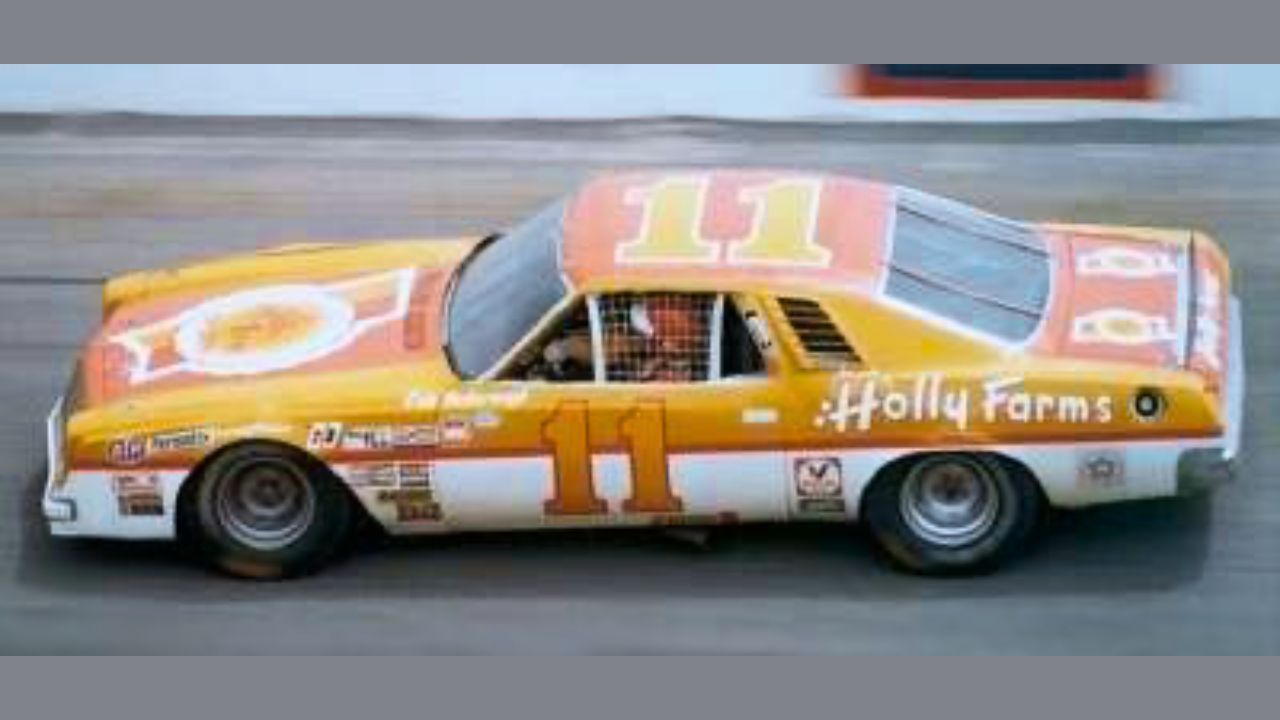
In NASCAR, the Laguna Type S-3 punched above its weight. With the revised front-end design, it cut through the air better than other A-bodies. Cale Yarborough took full advantage, grabbing wins and making it clear that the Laguna was more than a grocery-getter in disguise.
Its success on the oval led to a short burst of popularity with performance-minded buyers, but emissions rules, fuel prices, and insurance premiums were working against it. Chevy had a potential hero on its hands, but the timing couldn’t have been worse.
Urethane Nose, Steel Backbone
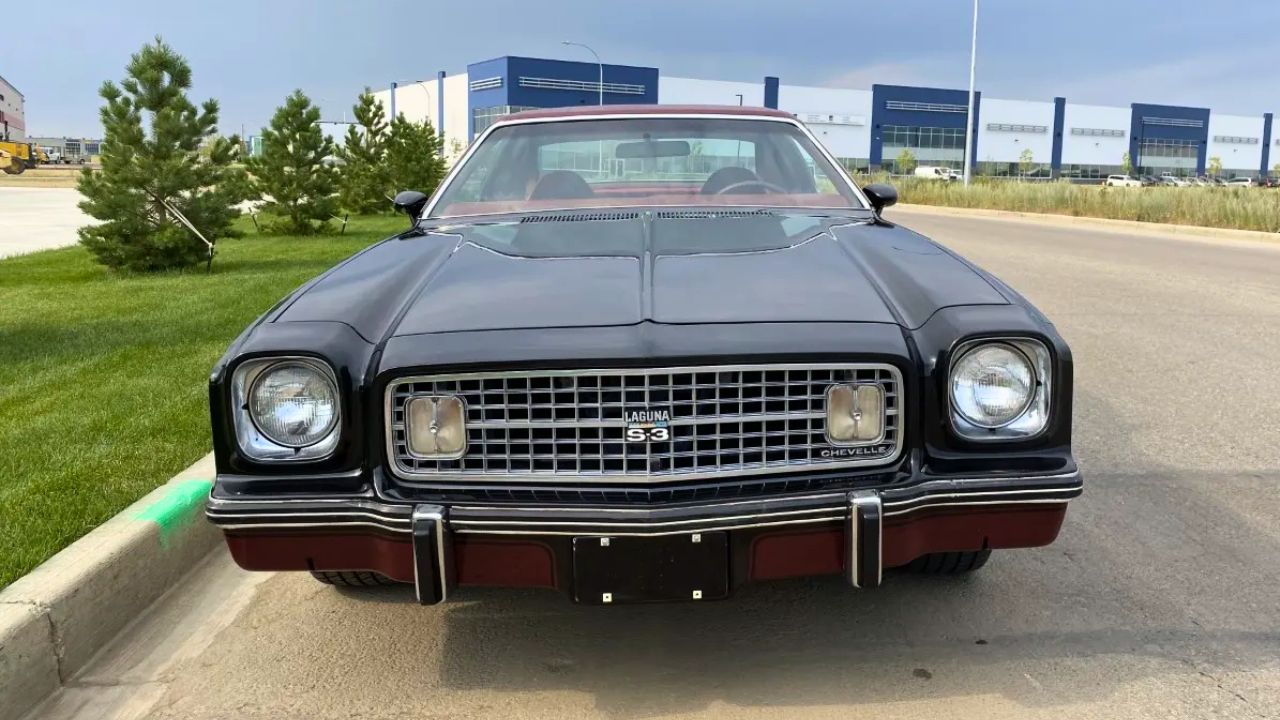
One thing that separated the Laguna from other Chevelles was its urethane front end. It wasn’t just for style—it helped reduce drag and gave the car a cleaner, more modern face. Underneath, though, it still rode on the A-body chassis with coil springs and rear-wheel drive.
You could spec it out with a Turbo Hydra-Matic, power front discs, and even swivel bucket seats. Despite being a mid-’70s machine, it didn’t feel completely neutered. The big 454 V8 was still good for 270 horsepower—decent for a time when muscle cars were wheezing through smog gear.
A Victim of Its Own Success
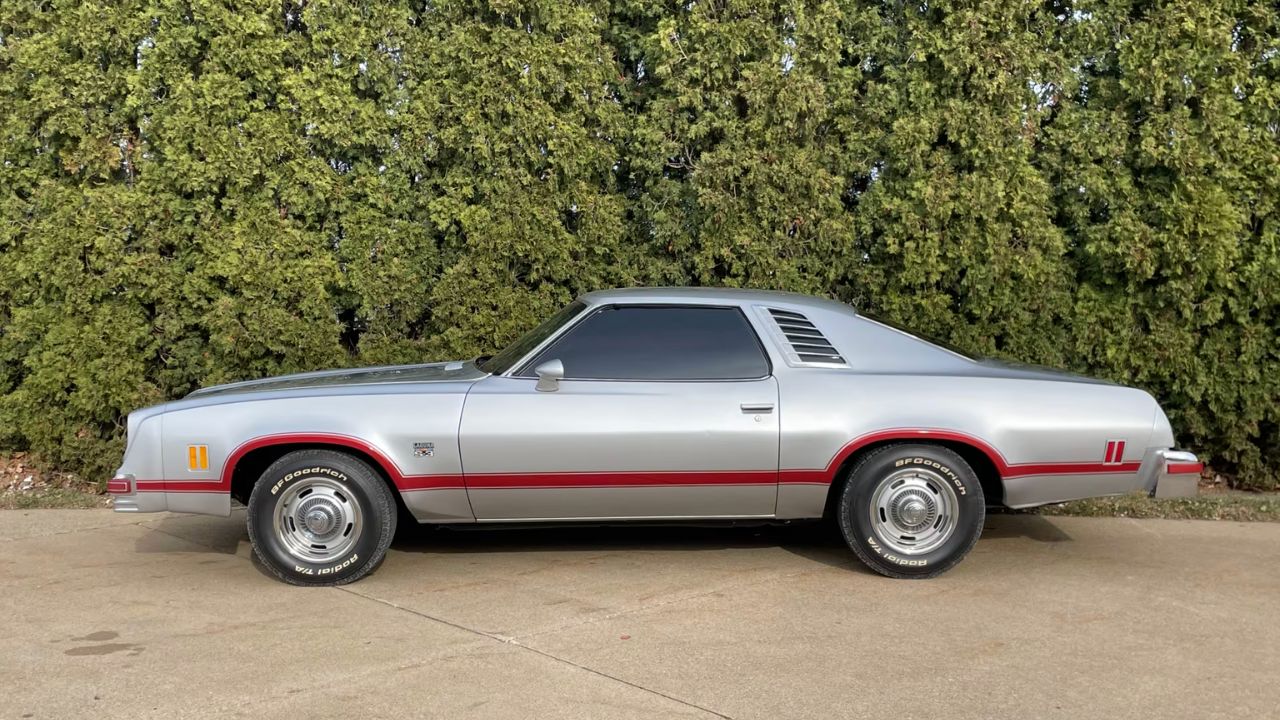
Ironically, the Laguna’s short run in NASCAR may have helped doom it. After two seasons of dominance, NASCAR changed its homologation rules. The Laguna’s aerodynamic edge became a problem, not a perk, and just like that, the party was over.
Without racing glory to lean on, and with performance fading across the board, Chevy quietly pulled the plug. By 1976, the Laguna was done. The Malibu carried on, but the Laguna name never came back—not even as a badge-engineered trim.
Forgotten by Most, Respected by Few
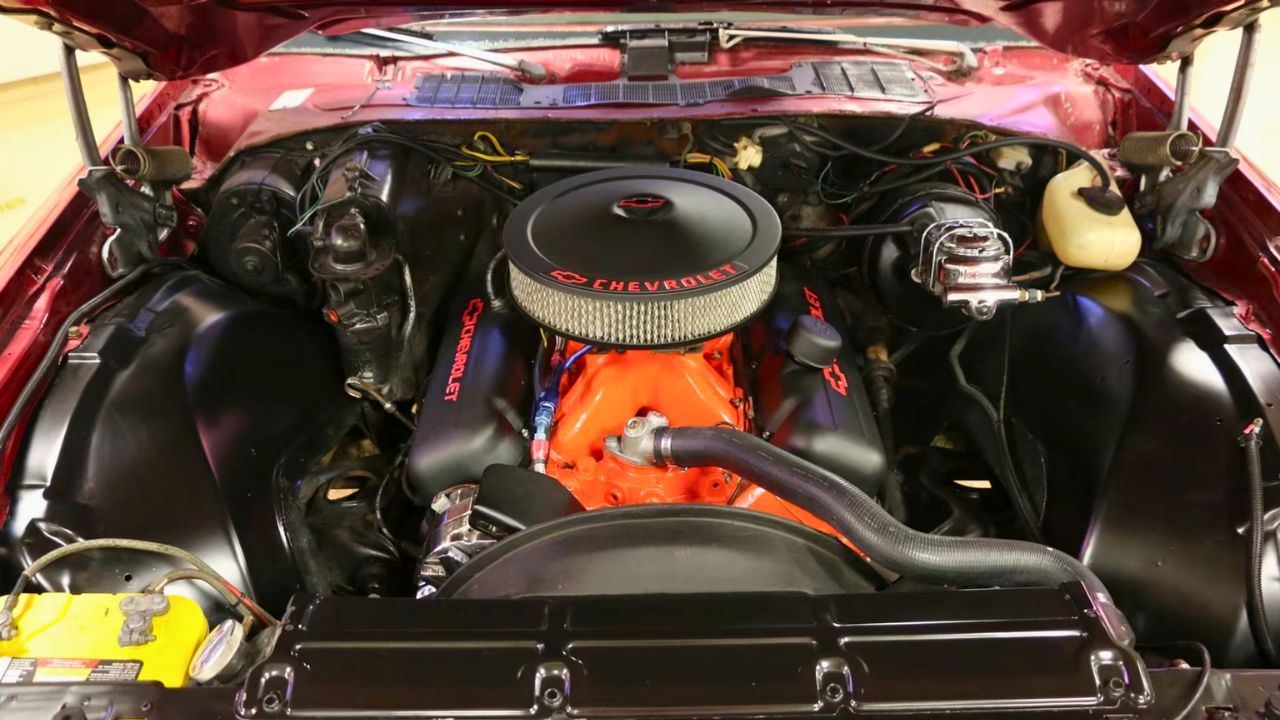
These days, the Chevelle Laguna is rarely mentioned in the same breath as the SS 396 or the LS6, but it should be. For a brief moment, it was the fastest car Chevy built—on the track, anyway. And it looked different doing it, with smoother lines and unique details you won’t find on any other Chevelle.
Finding a clean S-3 now isn’t easy. Most were daily driven into the ground or scrapped for parts. But for those who remember what it did on Sunday—and what it stood for on Monday—it’s a forgotten hero worth saving.
Factory Options Few People Ordered
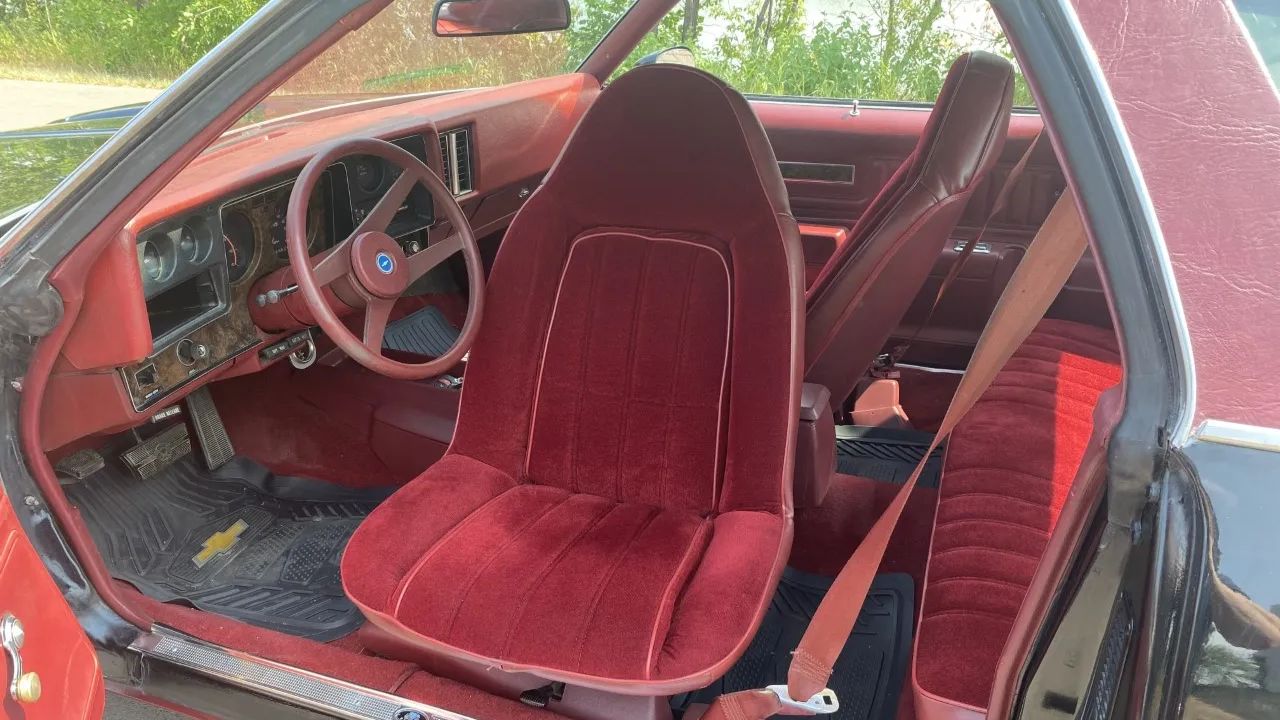
While the Laguna was marketed as a sporty, upscale Chevelle, buyers could spec it with some surprisingly rare options. Think tilt-wheel, cruise control, AM/FM stereo with an 8-track, or even the Z50 appearance package, which added pinstripes and special badging.
A few Type S-3 models were ordered with swivel bucket seats and full center consoles, giving the cabin a near-Corvette feel. These loaded cars were expensive for the time and not common on dealer lots. Today, the rare option combinations make surviving examples even more collectible.
Its Aerodynamics Were Game-Changing
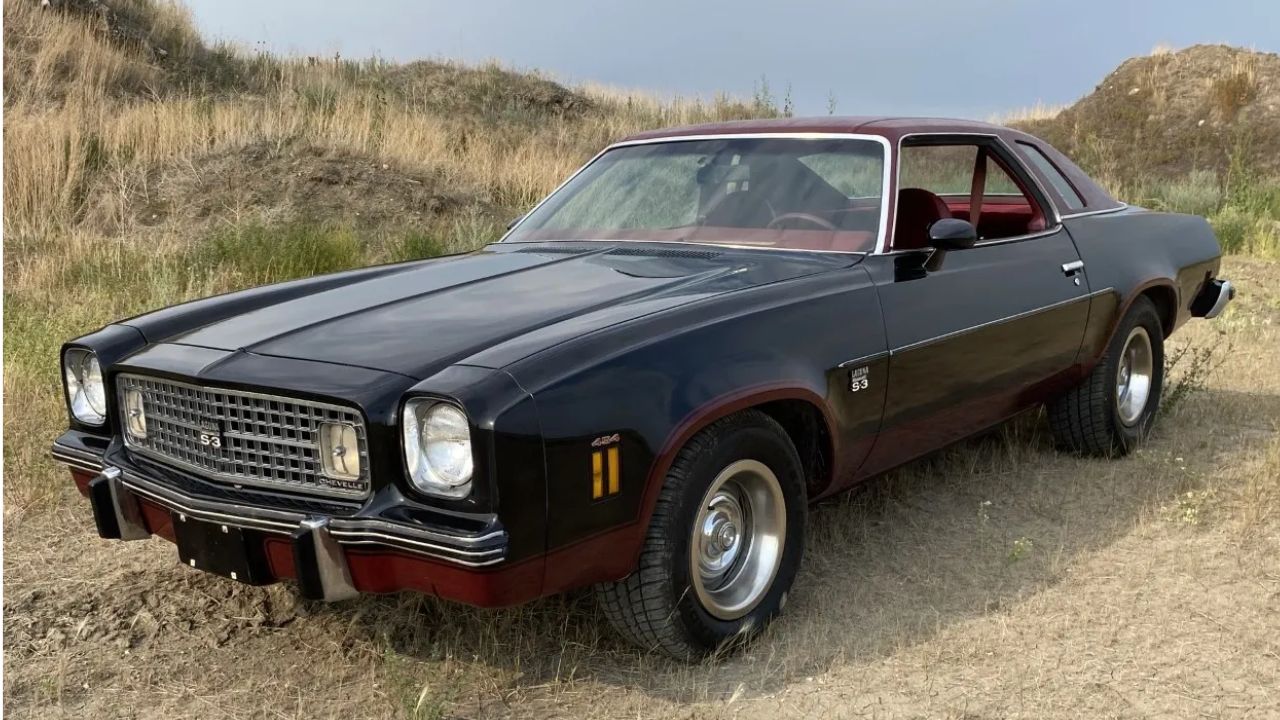
Before wind tunnels became standard practice, GM relied on stylists and instinct. The Laguna S-3’s rounded nose and sloped roofline weren’t just about aesthetics—they worked. It had a drag coefficient that was significantly better than other Chevelles.
That translated directly into speed on the superspeedways. The car’s slippery shape helped reduce lift at high speeds, which gave NASCAR teams a handling advantage. While that may sound minor now, it was a major leap forward in 1974, when most muscle cars still had boxy front ends and minimal aero thought.
The Final Year Was a Quiet Exit
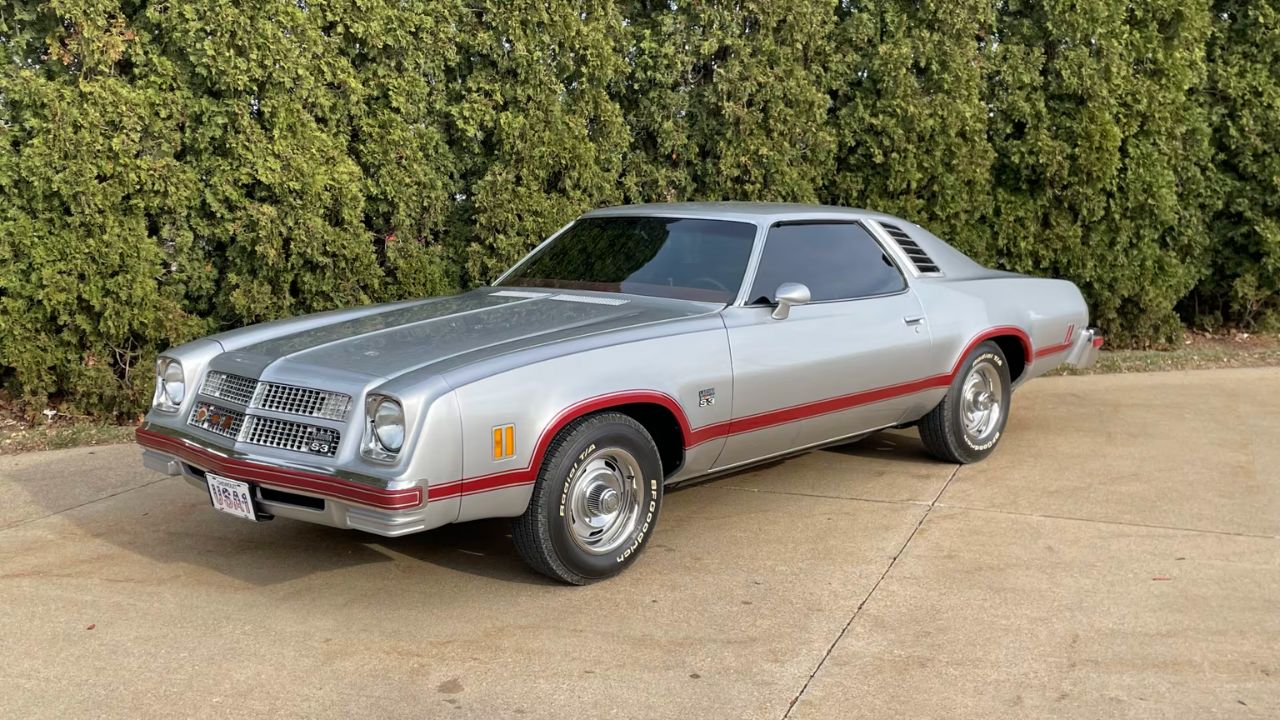
By 1976, the Laguna had lost much of its momentum. Sales slowed as fuel economy and insurance rates made buyers wary of performance coupes. The Laguna S-3 was still available with a 400 or 454, but it no longer led Chevy’s performance image.
There was no grand farewell—no limited edition, no special sendoff trim. Just a quiet disappearance from the order sheet. It didn’t help that the styling updates in ’76 made the car look heavier and more sedate. For a model that had once ruled NASCAR, it was a surprisingly uneventful sendoff.
It’s a Rare Sight at Car Shows
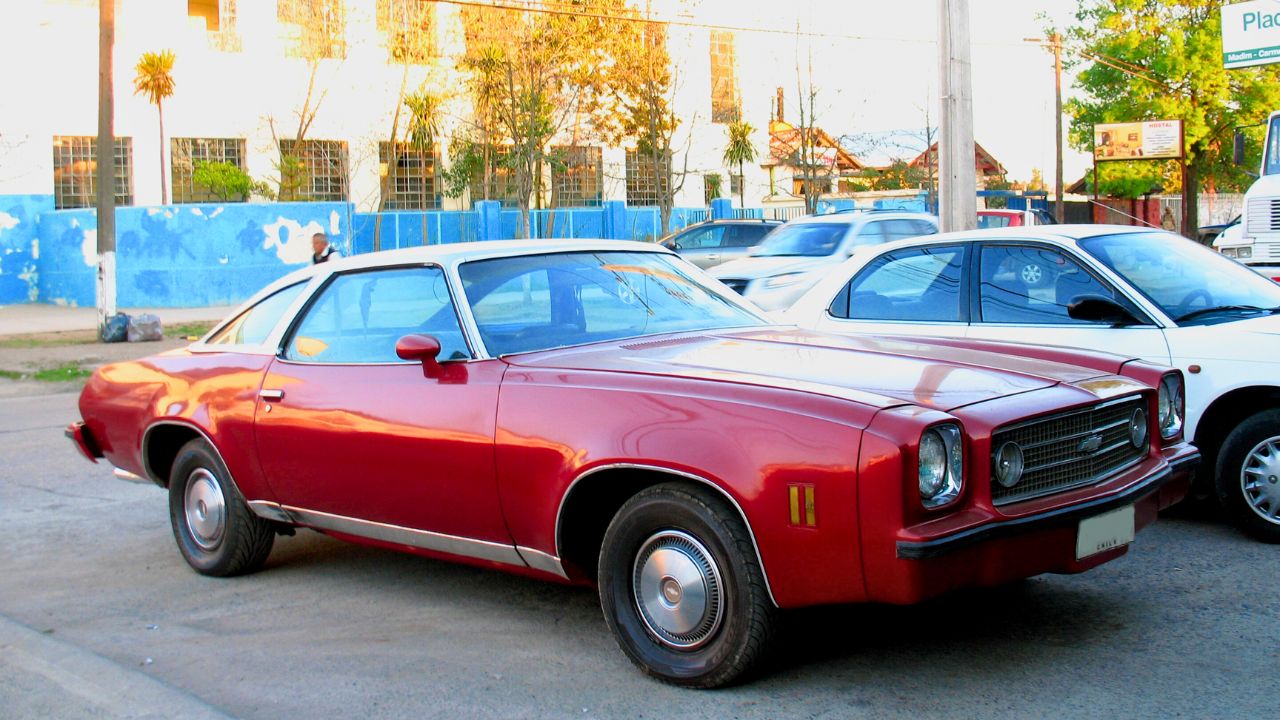
While Chevelles from the late ’60s dominate the classic car world, finding a clean Laguna is a different story. These cars were rarely preserved, and most ended up as beaters, derby cars, or forgotten rust buckets in someone’s backyard.
That scarcity makes spotting one in the wild an event. When restored, especially with period-correct colors and options, a Laguna draws attention—especially from folks who remember its NASCAR roots. It’s not just another muscle car—it’s a forgotten curveball in the Chevelle lineup.
A Future Classic That’s Already Hard to Find
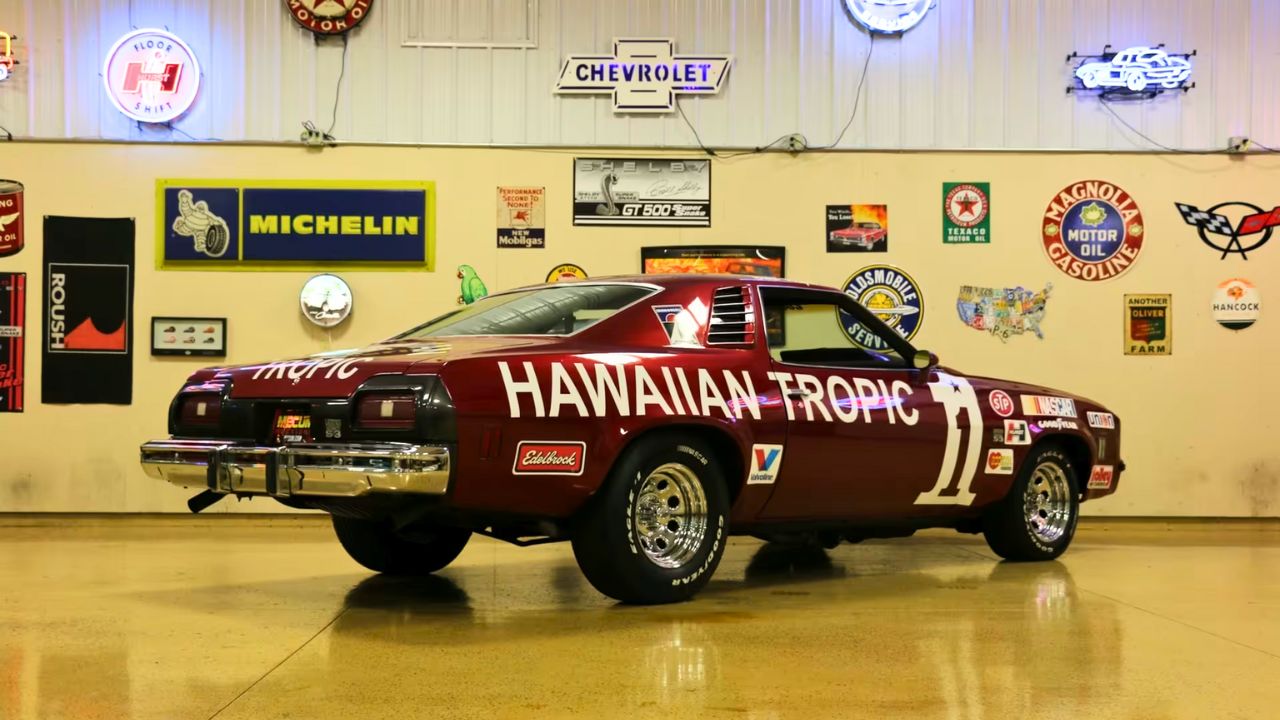
With the rising cost of earlier Chevelles and the growing appreciation for ’70s oddballs, the Laguna S-3 is finally starting to get some attention. Especially the big-block cars with documentation and rare options. They’re not skyrocketing yet, but they’re no longer cheap, either.
Collectors who want something different—and with real racing history—are starting to take notice. It might not have the name recognition of an SS 396, but the Laguna Type S-3 is a sleeper in the collector world. If you’re thinking about grabbing one, the window might be closing.
Like what you read? Here’s more by us:
*Created with AI assistance and editor review.