

For years, Mopar big blocks have lived in the shadow of their small-block cousins and the more glamorous HEMIs, but the truth is—they deserve a second look. These engines weren’t just brute force stuffed under a hood; they were a calculated mix of displacement, durability, and muscle car heritage. From the 350-horsepower street cruisers to the underappreciated torque monsters, Mopar’s big block lineup was more versatile than people give it credit for. Whether you’re into B-bodies, C-bodies, or something rarer, there’s more to this story than just the 440 Magnum.
The B Block vs. RB Block Confusion
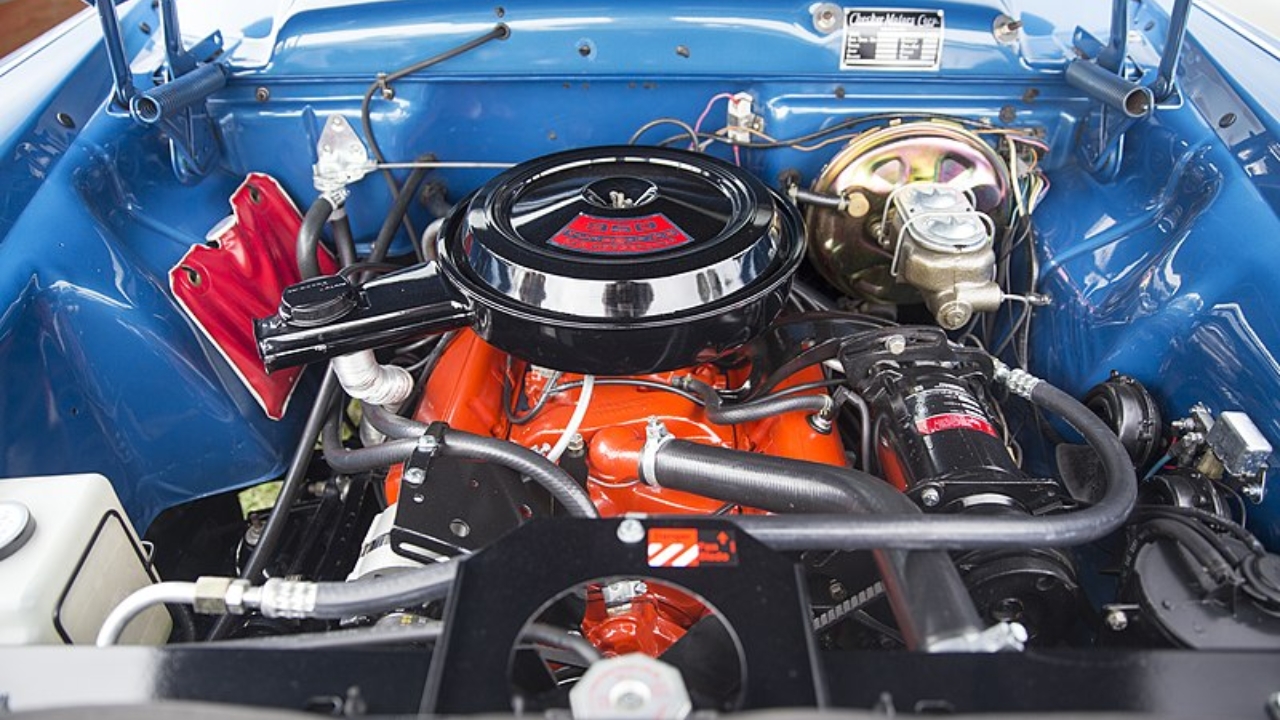
Mopar’s big block family is split into two main architectures: the B block and the RB (Raised Block). The B block included displacements like 350, 361, 383, and 400 cubic inches, while the RB lineup covered 383 (rare), 413, 426 (wedge), and 440. RBs have a taller deck height, meaning longer connecting rods and different intakes. That small change created big mix-ups over the years, especially among backyard mechanics and rebuilders trying to match parts that don’t quite fit.
The Underrated 383 Magnum

In the shadow of the 440 and the HEMI, the 383 Magnum quietly got the job done. It made 335 horsepower in stock trim with a 4-barrel carb and dual exhausts. The torque hit early, making it a great street motor. It was also widely available across the Dodge and Plymouth lineup. Chargers, Road Runners, Super Bees—you name it, the 383 found its way into it. It may not get the hype, but it delivered consistent performance at a price point that made it accessible.
The 400: Built for Emissions, Tuned for Speed
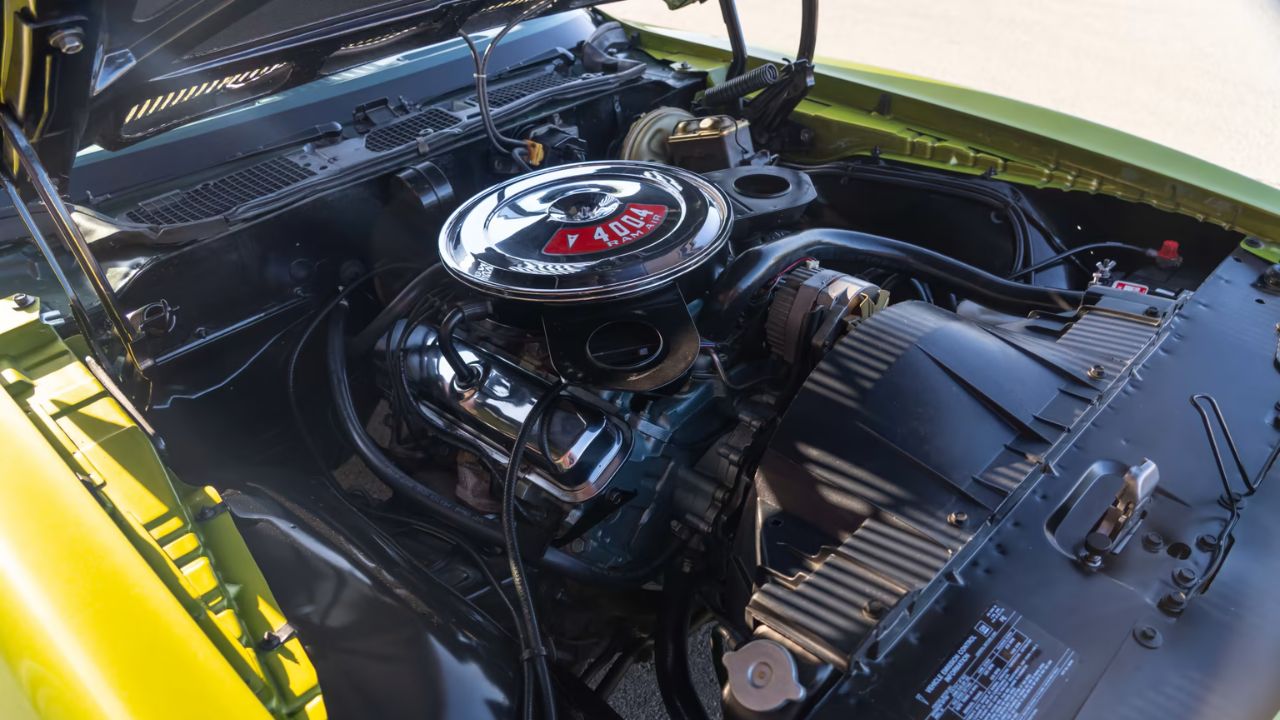
The 400 cubic-inch big block arrived in the early ’70s as emissions standards tightened. Stock, it wasn’t all that exciting—typically 190 to 260 horsepower depending on trim and year. But its thick cylinder walls and big bore made it perfect for high-performance builds. Builders love it for stroker kits and big-inch upgrades. When emissions choked out the high-compression engines, the 400 quietly kept the platform alive for those willing to wrench.
The 413 Max Wedge Started It All

Before the 426 HEMI stole the headlines, there was the 413 Max Wedge. Built for drag racing, this RB engine featured high-rise intakes, big ports, and aggressive cams. The 1962–64 cars that used it were factory hot rods, complete with tuned headers and dual quads. It was loud, twitchy, and not at all street friendly, but it changed the game. This engine was Mopar’s opening shot in the horsepower wars.
The 426 Wedge: Not the HEMI, but Still Wild

Overshadowed by the 426 HEMI, the 426 Max Wedge was a serious performer in its own right. With up to 425 horsepower straight from the factory, it was built for NHRA Super Stock racing. While it didn’t have hemispherical combustion chambers, it did have massive ports, forged internals, and a single purpose: beat everything else on the strip. It wasn’t built in huge numbers, but it set the stage for what came next.
The 440 Magnum Was Everywhere

The 440 was the bread-and-butter big block of the late ’60s and early ’70s. Available in everything from Chargers and GTXs to Imperials and motorhomes, it delivered big torque—up to 480 lb-ft—with very little fuss. It was overbuilt, understressed, and often underrated. The Magnum version added a bit more cam and carb, making 375 horsepower and becoming the default choice for those who didn’t want to pay for a HEMI.
Six-Pack Setup Made It Even Meaner

Mopar introduced the 440 Six-Pack setup in 1969 to bridge the gap between the 440 Magnum and the expensive HEMI. With three Holley 2-barrel carbs, it bumped output to 390 horsepower. But the real trick was in the throttle response and mid-range torque. On a light car like the A12 Road Runner or Super Bee, it transformed the street manners. It wasn’t subtle, but it worked.
Big Blocks in the C-Body Sleepers

Not all big blocks lived under performance hoods. Many ended up in C-bodies—Furys, Polaras, Monacos—and quietly moved families down the highway. These cars are still hiding in plain sight at auctions and barns, often overlooked. The engines are typically low-mileage and unmolested, making them great donor candidates. Some of the highest surviving numbers of big blocks today sit in these forgotten sedans.
Rarity and Rebuildability Keep Values Rising

What makes Mopar big blocks increasingly desirable isn’t just nostalgia—it’s parts availability and rebuildability. These engines were overbuilt for their time. Forged cranks, heavy-duty rods, and thick castings mean they’ll take abuse. As the more exotic HEMI parts get harder to source, big blocks look like the smarter project. With crate kits, stroker assemblies, and aftermarket heads everywhere, these engines are having a resurgence.
They Sound Like They Mean It

Few engines have the same unmistakable bark as a Mopar big block with open headers. That deep, throaty idle. The roar at wide-open throttle. It’s not refined, but it doesn’t need to be. It’s part of the charm. Mopar big blocks deliver the kind of sound that makes people stop what they’re doing and look. It’s mechanical, it’s raw, and it still stirs something, even fifty years later.
Like Fast Lane Only’s content? Be sure to follow us.
Here’s more from us:


