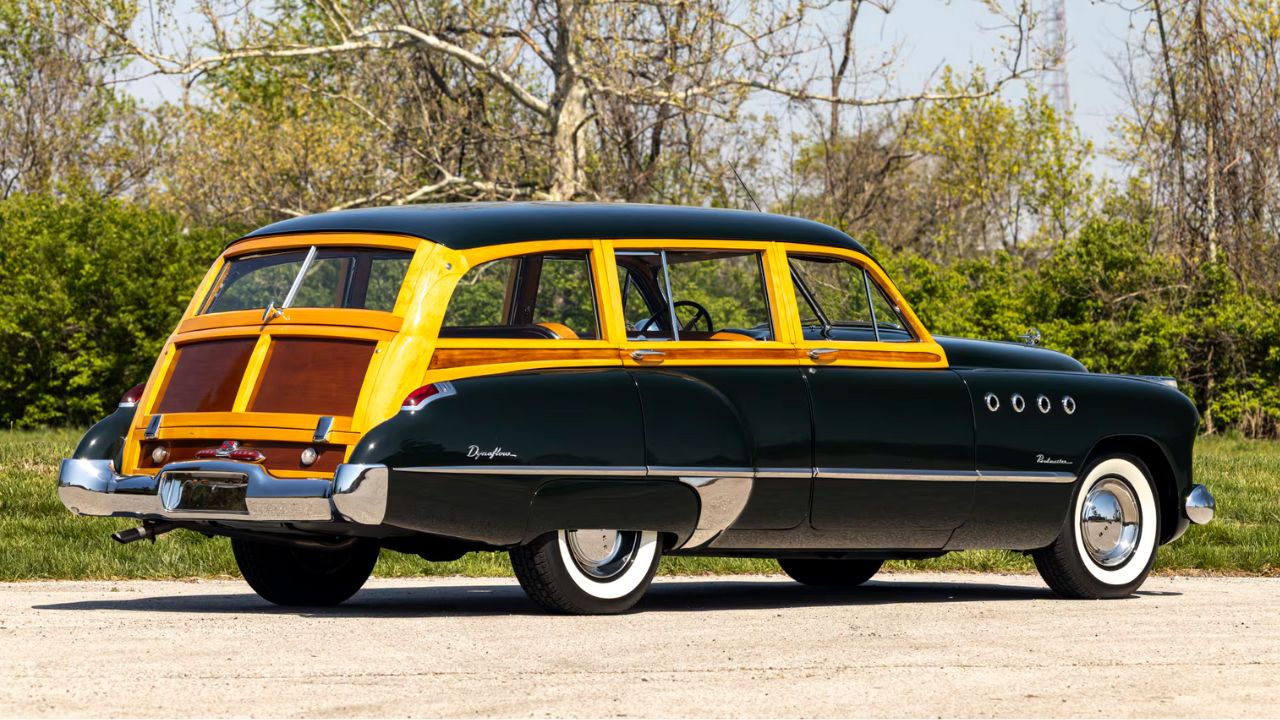
The 1949 Buick Roadmaster wasn’t just another postwar car—it was a rolling declaration that the American auto industry was fully back in business. With flowing lines, straight-eight power, and a newly refined look, it helped reestablish Buick’s image as a serious contender in the postwar luxury market. Today, it’s turning heads again—not just for its design, but for what it represents: style, size, and craftsmanship that feel increasingly rare.
New look for a new era

The 1949 Roadmaster marked the first complete postwar redesign for Buick. It ditched the prewar silhouette for a longer, lower profile with curvier lines and more integrated fenders. The “bombsight” hood ornament and signature VentiPorts were introduced this year, giving the Roadmaster a visual identity that stuck for decades. At 216.4 inches long, it had road presence to spare.
Powered by a straight-eight

Under the hood was Buick’s 320 cubic inch Fireball inline-eight. It made 150 horsepower—strong for the time—and was mated to a smooth Dynaflow automatic transmission. While not a tire-melter, it delivered impressive torque and quiet operation. Buick stuck with the straight-eight longer than most, but in a car this heavy, the low-end pull made sense.
Dynaflow changed the game

Buick’s Dynaflow transmission wasn’t just smooth—it was different. Unlike competitors’ automatics, Dynaflow used a torque converter with no gear shifts. It prioritized seamless acceleration over performance. Critics called it sluggish, but buyers liked the quiet glide. For 1949, this setup made the Roadmaster feel more like a rolling living room than a conventional sedan.
A Buick you could stretch out in

Inside, the Roadmaster was all about comfort. Wide bench seats, real chrome trim, and deep-pile carpeting gave it an upscale feel. The instrument panel featured art-deco styling cues and easy-to-read dials. Buyers could choose from multiple interior materials, including leather and Bedford cord. It was Buick luxury without Cadillac’s price tag.
Heavyweight status, literally

Curb weight for the 1949 Roadmaster ranged from 4,150 to 4,400 pounds, depending on the body style. This wasn’t a car built for efficiency—it was built to feel substantial. And it did. The big Buick soaked up bumps like nothing else on the road, thanks in part to long wheelbases and wide tracks.
It came in four body styles
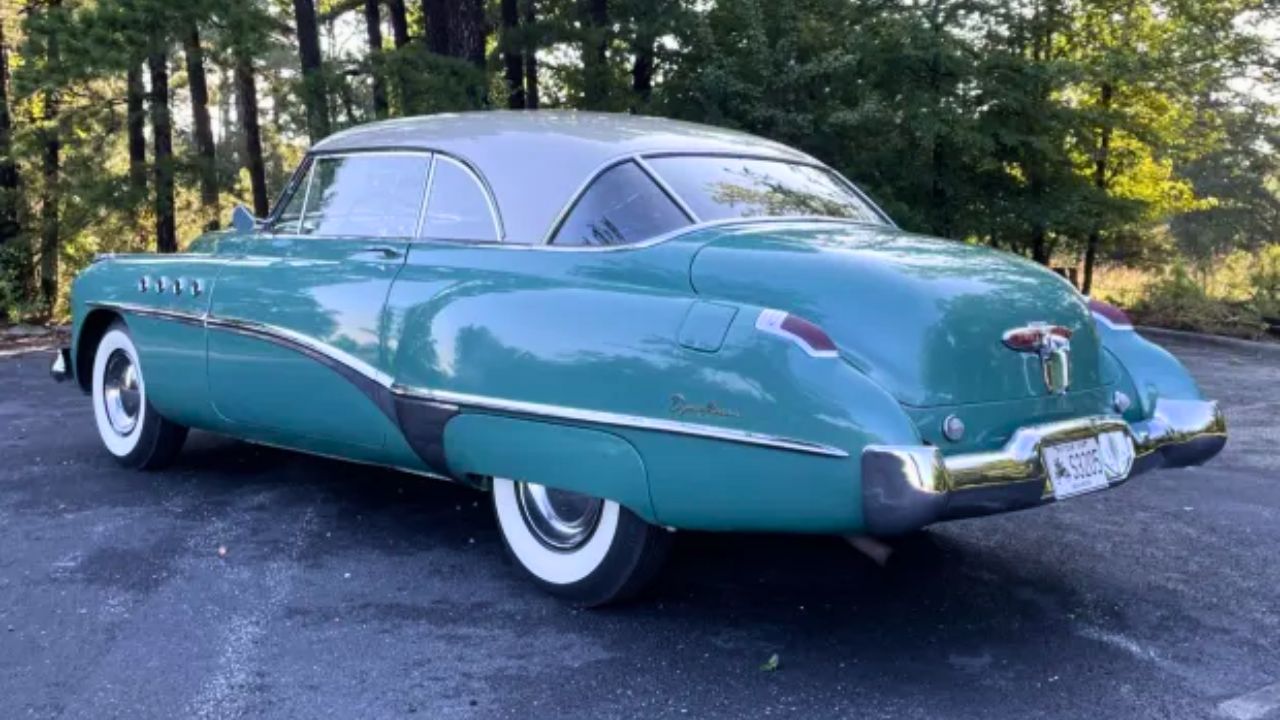
Buyers could choose from four configurations: sedan, Riviera hardtop, convertible, and Estate Wagon. The Riviera hardtop was new for ’49 and a big hit—it combined the look of a convertible with a fixed roof. The Estate Wagon, with its real wood trim, was expensive and rare. Fewer than 700 were built.
Pricing was premium, not extravagant
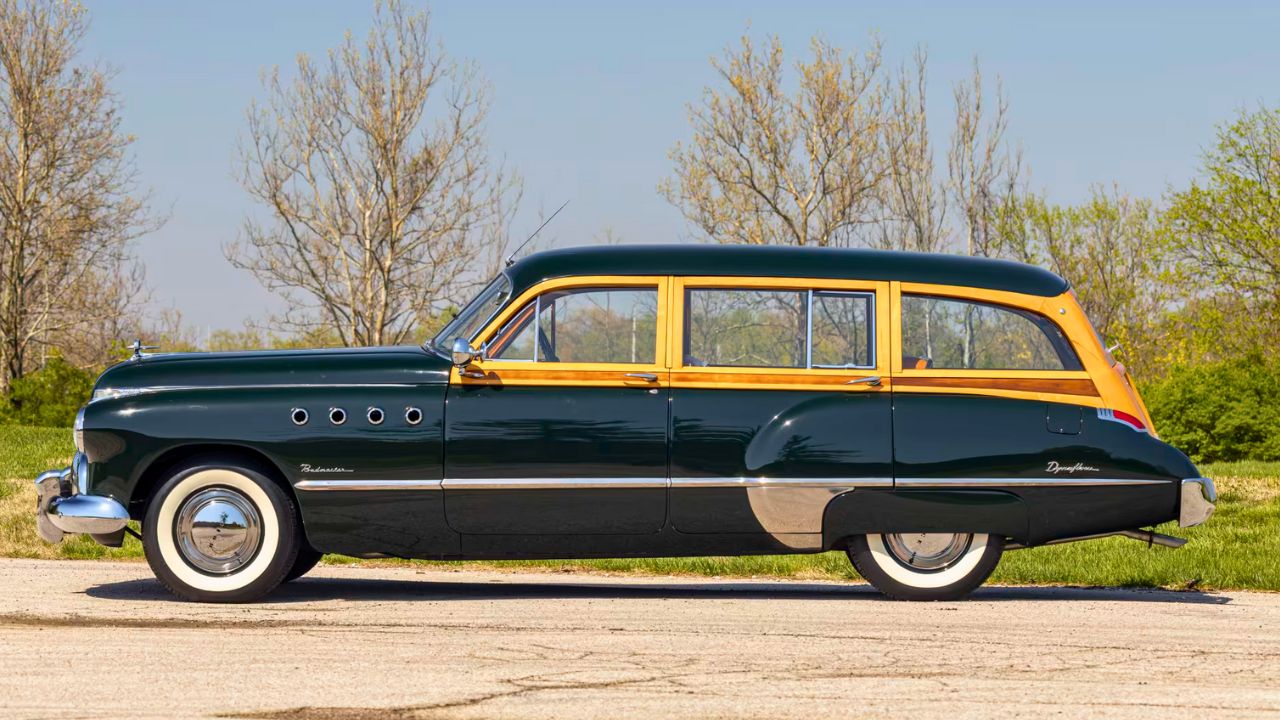
The 1949 Roadmaster wasn’t cheap, starting around $2,700—well above the average car but less than a Cadillac Series 62. The Estate Wagon topped $3,200. That price included Buick prestige, premium features, and room for six adults. It was the upper-middle class family car before that term even existed.
Buick was back on top

By 1949, Buick was the fourth-best-selling car brand in the U.S., and the Roadmaster played a key role in that success. It offered Cadillac looks and size at a lower price, and its wide range of body styles gave it broad appeal. Buick moved nearly 88,000 Roadmasters that year—no small feat for a premium model.
Style that stuck around
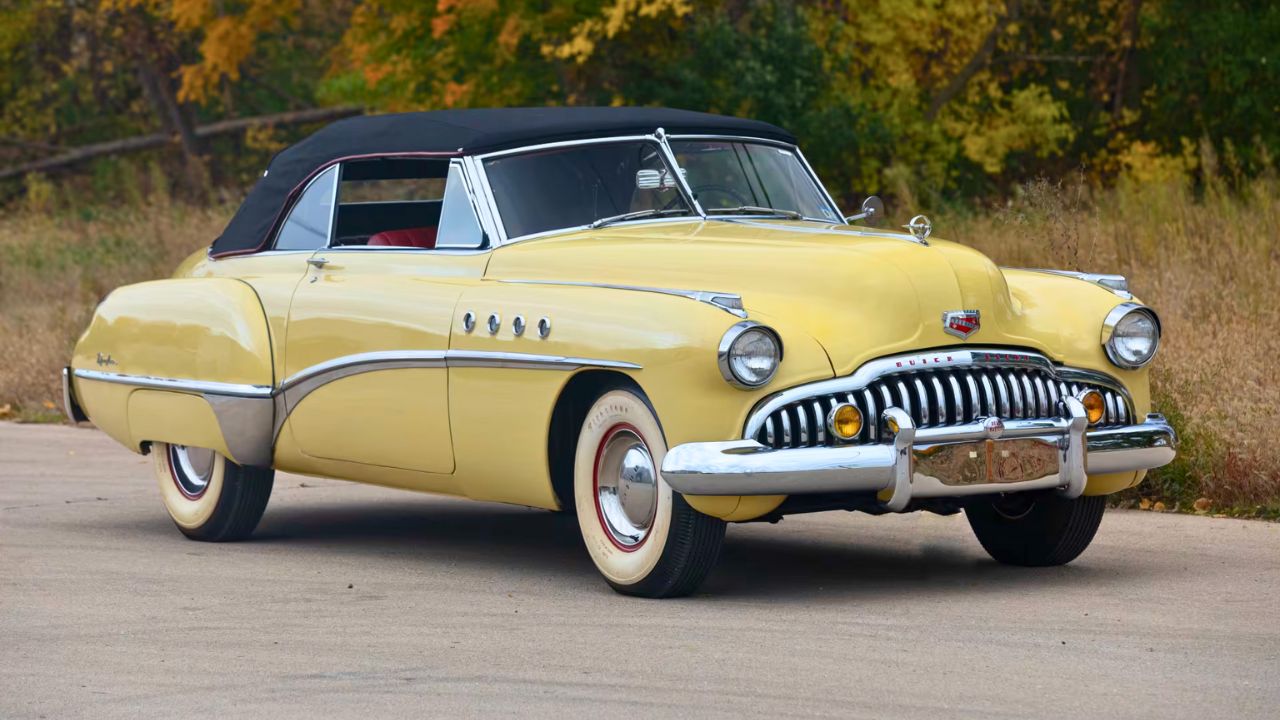
The ’49 Roadmaster set design trends that lasted into the 1950s. The toothy grille, the VentiPorts, and the low-slung roofline became Buick trademarks. Even today, collectors and custom builders are still drawn to its proportions. It’s one of the few postwar cars that can still fill a street with presence.
Hollywood approved
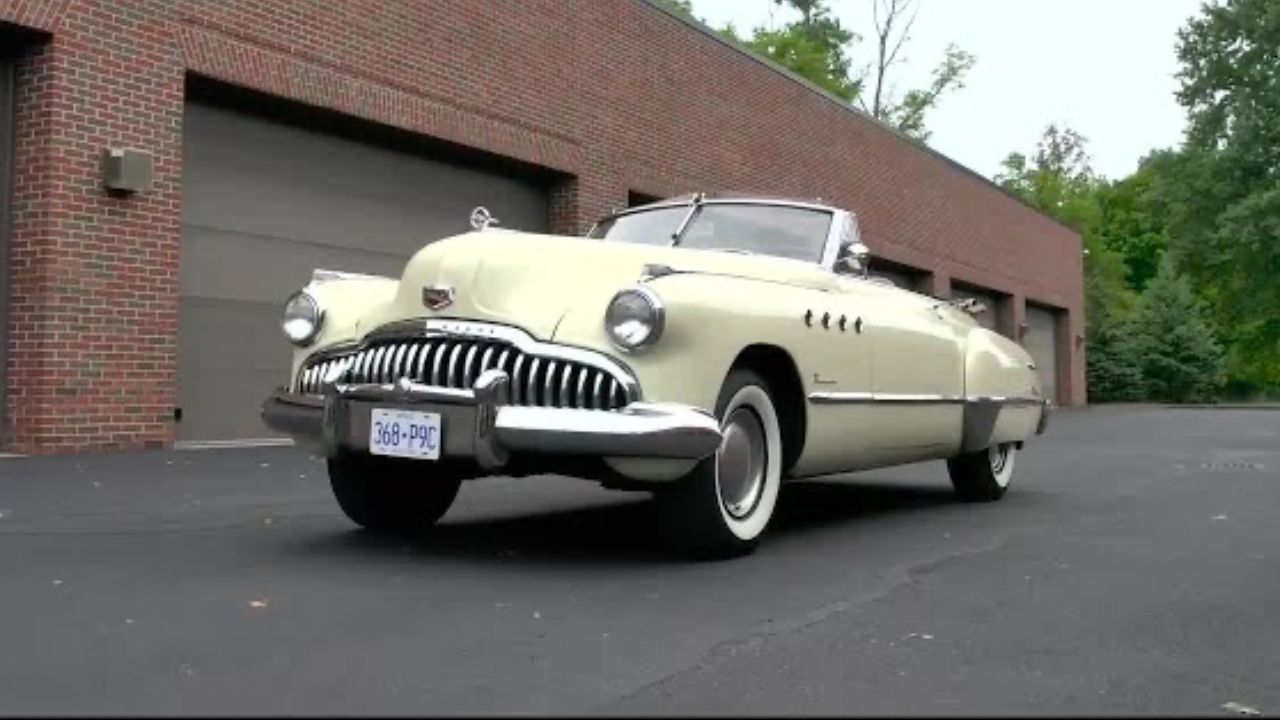
The Roadmaster got a second round of attention thanks to its role in Rain Man (1988). Tom Cruise and Dustin Hoffman cruised across America in a ’49 convertible, reminding a new generation just how smooth—and stylish—this old Buick could be. Since then, it’s become a collector favorite all over again.
Like Fast Lane Only’s content? Be sure to follow us.
Here’s more from us: