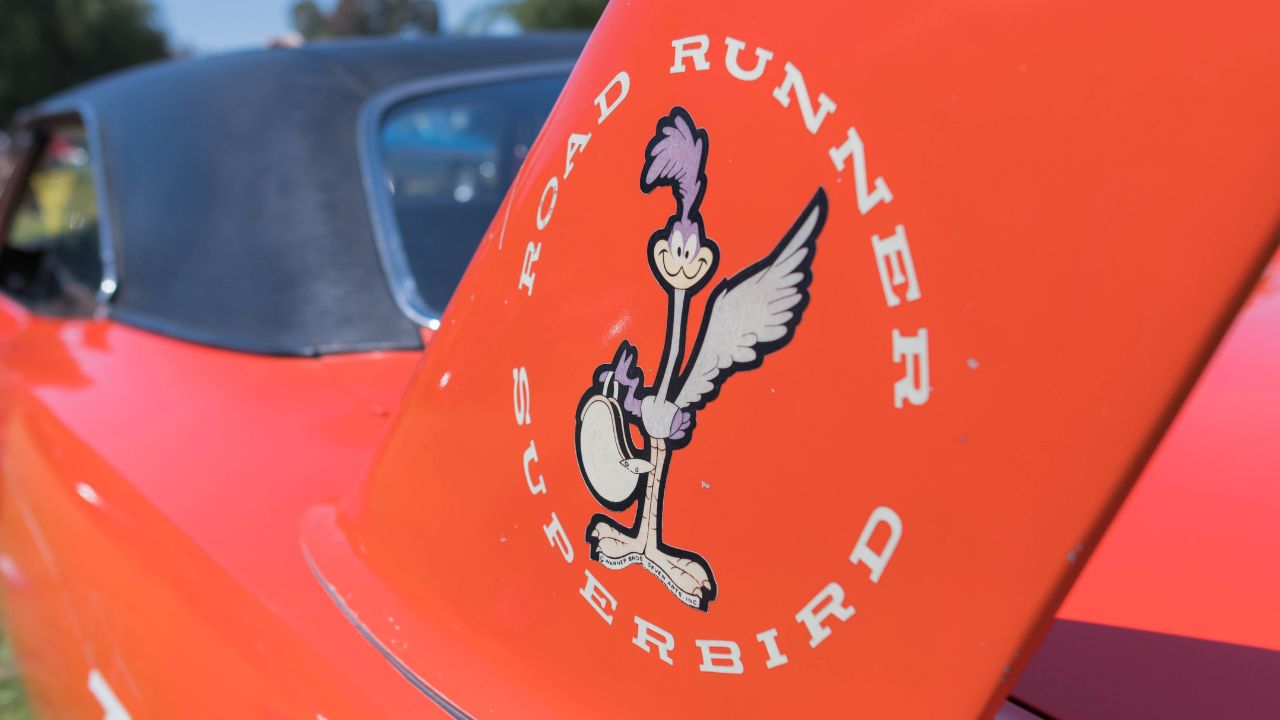
The Plymouth Superbird is one of those rare cars whose production run was over almost as soon as it began, yet its shadow over racing and collector values has only grown. Built as a single-year homologation special, it went from showroom oddity to blue-chip auction star, and the gap between what buyers thought of it then and what they will pay now tells a larger story about how the muscle-car Market has changed.
I want to trace the brief window when Plymouth actually made the Superbird, explain why it disappeared so quickly, and then look at what collectors are spending today for everything from driver-grade examples to record-setting HEMI cars. Along the way, the numbers, the personalities, and the auction results show how a misunderstood Road Runner spin-off became one of the most closely watched American performance cars on the block.
One wild model year: how long Plymouth built the Superbird
The Superbird’s production life was as short as its reputation is long. Plymouth created the car specifically to satisfy stock-car rules that required a certain number of road-going versions, and as a result the model existed only in 1970. Reporting on its origins notes that Its vehicular life was so short that it only lasted a single production year (1970) with 1,935 units built, a figure that has become central to its mystique.
That one-year run was not an accident but a calculated response to racing politics. A detailed history describes how the Plymouth Superbird was Developed specifically for NASCAR competition, a highly modified version of the Road Runner that Chrysler built in 1970 just to lure Richard Petty back after his stint with Ford in 1969, a move that is spelled out in coverage of how Chrysler and Richard Petty collided over the season-opening Daytona 500. Once the sanctioning body reacted to the aero wars and the sales reality became clear, Plymouth had little incentive to keep such a specialized Road Runner variant in the catalog beyond that single model year.
From Road Runner to Superbird: what made it different
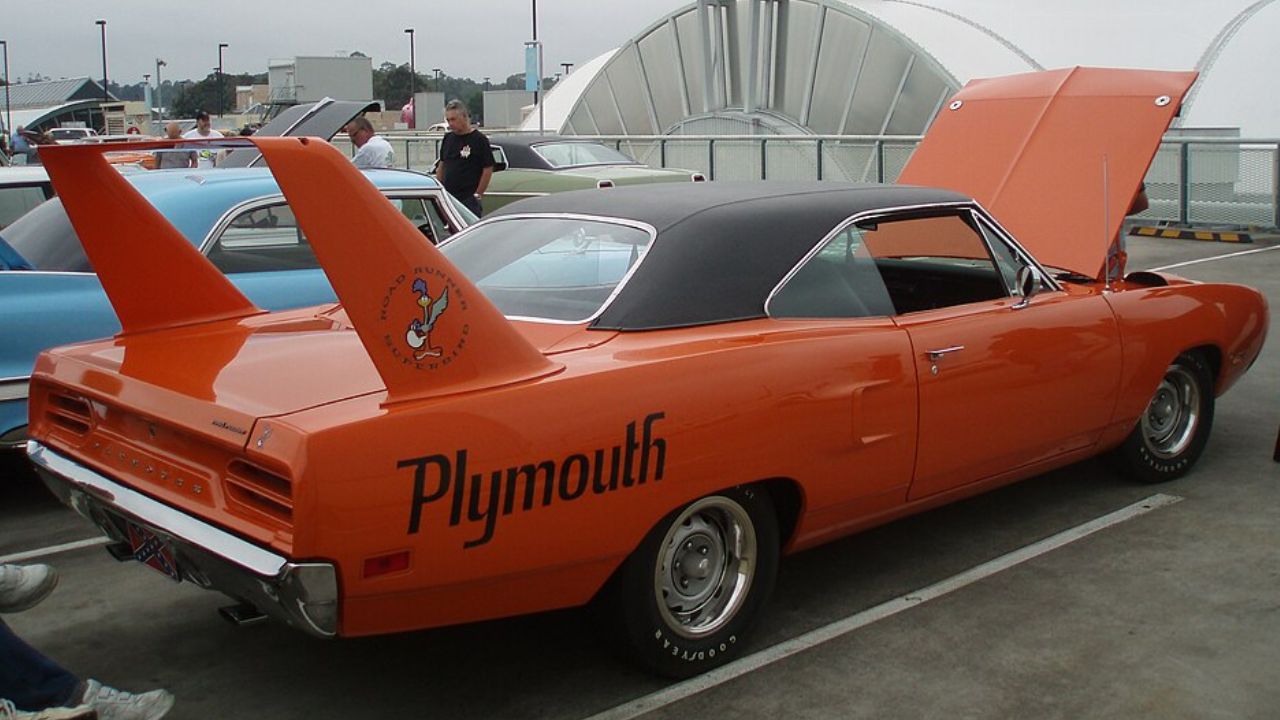
Underneath the outrageous bodywork, the Superbird started life as a Plymouth Road Runner, but the transformation was extensive. The Plymouth Superbird and its sibling from Dodge were conceived as wind-cheating evolutions of existing muscle cars, and the production version emerged as a highly modified, short-lived version of the first-generation Plym performance coupe, a point underscored in model overviews of the Plymouth Superbird. The car’s long nose cone, towering rear wing, and smoothed body seams were not styling flourishes so much as functional add-ons designed to keep the car stable at NASCAR speeds.
Museum and enthusiast histories describe how The Plymouth Superbird evolved from the Plymouth Road Runner Superbird concept, with a focus on aerodynamic front nose cones, flush rear window treatments, and that signature high-mounted spoiler that turned the already cartoon-inspired Road Runner into something closer to a race car for the street. One such account of the History of the Plymouth Superbird emphasizes how the Plymouth Road Runner Superbird package was engineered to slice through the air in a way no standard muscle car of the era could match, even if that meant pushing the limits of what typical buyers were ready to accept in their driveways.
Too extreme for its time: why the Superbird struggled in showrooms
For all its racing purpose, the Superbird landed in dealerships as a tough sell. Period and retrospective accounts agree that the styling proved to be too extreme for 1970s tastes, with many customers preferring the regular Road Runner to the winged variant that looked more at home on a superspeedway than in a supermarket parking lot. Analyses of the Market at the time note that The Superbird’s radical appearance, from its nose to its rear wing, limited its appeal to a narrow slice of buyers even as it delivered real performance benefits.
That disconnect between engineering and everyday desirability had consequences. Dealers reportedly struggled to move inventory, sometimes removing wings or nose cones to make the cars look more like standard Road Runners, and some unsold examples lingered on lots well past the 1970 model year. A modern social-media clip of a high-profile auction, where the commentator notes that there were dealerships where these languished in showrooms while the bidding climbs quickly through figures like 400 and 425, captures how far perceptions have shifted since those days, and the video of that sale on Jun 21, 2025, underlines the irony that a car once discounted is now fought over in the auction tent.
NASCAR glory and the Richard Petty effect
If the street buyers were hesitant, the racing world understood exactly what Plymouth had built. The Superbird was Developed for NASCAR, and coverage of its competition history highlights how the Superbird, a modified Road Runner, was Plymouth’s answer to the aero cars that had begun to dominate stock-car racing. One enthusiast post from Oct 13, 2025, notes that the Plymouth Superbird was a highly tuned version of the Road Runner created for NASCAR, and that although only 1,935 Superbirds were produced, it is believed that more than half of them are still out there, a testament to how seriously fans and collectors have treated these Superbird survivors.
Richard Petty’s involvement amplified that aura. Reports on the period explain that Chrysler Built the car in 1970 specifically to lure Richard Petty back from Ford, after he had spent time with Ford a year earlier in 1969, and that the resulting 1970 Plymouth Road Runner in Superbird trim became a headline act at the season-opening Daytona 500. Later retrospectives on Plymouth Superbird and 1971 Plymouth Road Runner race cars describe how The Superbird, in particular, has become a museum-grade artifact of NASCAR history, its connection to Richard Petty and his championship runs turning what might have been a quirky footnote into a cornerstone of American motorsport lore.
From overlooked to outrageous: how collectors now see the Superbird
Over the past two decades, the Superbird has shifted from curiosity to cornerstone in the muscle-car world. Commentators now routinely describe the 1970 Plymouth Superbird as one of the first muscle cars to take aerodynamic bodywork seriously, and a Dec 15, 2024, enthusiast post calls the 1970 Plymouth Superbird, a highly modified version of the Plymouth Road Runner, one of the most valuable muscle cars ever built, underscoring how far its reputation has come since those slow-selling days in period showrooms. That same discussion of the Plymouth Superbird and Plymouth Road Runner pairing frames the car as a pioneer that anticipated the aero focus of later performance machines.
That sense of awe is not limited to written histories. A widely shared video from Oct 10, 2024, features Rick Droll walking around a bright example and remarking that whenever he sees a Plymouth Superbird, the first word that comes to mind is outrageous, a sentiment that mirrors how many enthusiasts react when they encounter the car in person. His tour of the Plymouth Superbird highlights the sheer visual drama of the nose cone and rear wing, and it helps explain why, in an era when collectors prize distinctive design as much as raw performance, this once-awkward outlier has become a must-have centerpiece for serious American muscle collections.
What they sell for now: recent prices and value trends
Today, the Superbird’s values reflect that mix of rarity, racing pedigree, and visual shock. Market trackers that focus on the Plymouth Superbird describe it as a highly modified, short-lived version of the first-generation Plym Road Runner, and they show a steady climb in average sale prices as more collectors chase a finite pool of cars. One such overview of The Plymouth Superbird Market notes that the model’s brief production window and strong auction performance have cemented it as a benchmark among aero cars, with condition, originality, and engine choice driving significant spreads between individual sales.
Concrete auction data backs that up. A valuation snapshot for the 1970 Plymouth Road Runner Superbird lists Past sales that include a car that Sold for $459,000, an Automatic example in North America that crossed the block on Nov 8, 2025, alongside another result recorded at $363,0xx for a different configuration, illustrating the range even within ostensibly similar cars. Those figures, documented in the Plymouth Road Runner Superbird valuation tools, show that well-presented, numbers-matching cars with desirable drivetrains now routinely command mid-six-figure prices, with the very best examples pushing higher still.
The HEMI premium and the million-dollar question
Within the Superbird universe, HEMI-powered cars occupy a different financial planet. Coverage of a recent Market shock details how a HEMI Superbird that had auctioned in 2022 for a whopping $1.5 million, setting a world record at the time, later crossed the block again and failed to match that earlier high, a sign that even halo cars are not immune to broader shifts in collector sentiment. The report notes that After auctioning in 2022 for $1.5 m, the same car pulled in significantly less three years later, a reversal captured in a piece that urges readers to Read the full breakdown on Backfire News. That swing illustrates how thinly traded, headline-grabbing examples can be especially volatile when the broader market cools.
Even so, six-figure and seven-figure asks for top-spec Superbirds are no longer outliers. A Jun 1, 2025, analysis of a high-dollar muscle car sale describes a Hefty Sum, But It is Not Uncommon for rare, well-documented aero cars to be priced in the $600,000 range, and it cites valuation data indicating that the average example of this breed, at least in its base configuration, now sits firmly in the upper tiers of the collector hierarchy. That discussion of how While a $600,000 ask might seem steep, it is increasingly aligned with market norms for rare American performance icons, helps frame the Superbird’s current pricing not as an anomaly but as part of a broader recalibration of what serious collectors are willing to pay for historically significant muscle.
Why one-year cars like the Superbird keep climbing
Part of the Superbird’s enduring appeal lies in the simple arithmetic of supply and demand. With only 1,935 units built and a significant share preserved by enthusiasts who understand their importance, the pool of available cars is inherently limited, and each high-profile sale reinforces the perception that these are long-term holds rather than speculative flips. A profile from Sep 27, 2017, that examines the Vehicle and its SCM Valuation for a 1970 Plymouth Superbir notes that even decades ago, informed buyers recognized that paying a premium over more common muscle cars made sense for a model whose production was capped from the start, and that logic has only intensified as more collectors chase fewer surviving examples documented in SCM guides.
At the same time, the car’s cultural footprint keeps expanding. Enthusiast groups continue to share stories and images of surviving cars, from pairs of winged coupes spotted in Texas to museum displays that pair a race-used Plymouth Superbird with a 1971 Plymouth Road Runner to tell the story of NASCAR’s aero era. A May 11, 2021, feature titled The Plymouth Superbird and subtitled History of the Plymouth Superbird underscores how the Plymouth Road Runner Superbird has moved from being a niche curiosity to a central exhibit in discussions of American racing technology, and that kind of sustained attention, captured in the History of the Plymouth Superbird, helps explain why collectors now treat the car less as a speculative play and more as a historically anchored asset whose value is likely to endure even as individual auction results rise and fall.