The 1970s were a turbulent decade for performance cars. Emissions regulations, insurance crackdowns, and the looming oil crisis put the squeeze on traditional muscle and sports cars. But amid the chaos, a few bold manufacturers aimed higher—chasing the style, speed, and swagger of true supercars. These weren’t just fast for their time; they were engineered with exotic flair, advanced tech, and sleek profiles that could rival anything from Italy. Here are eight standout cars from the ’70s that didn’t just dream of supercar status—they went for it.
De Tomaso Pantera
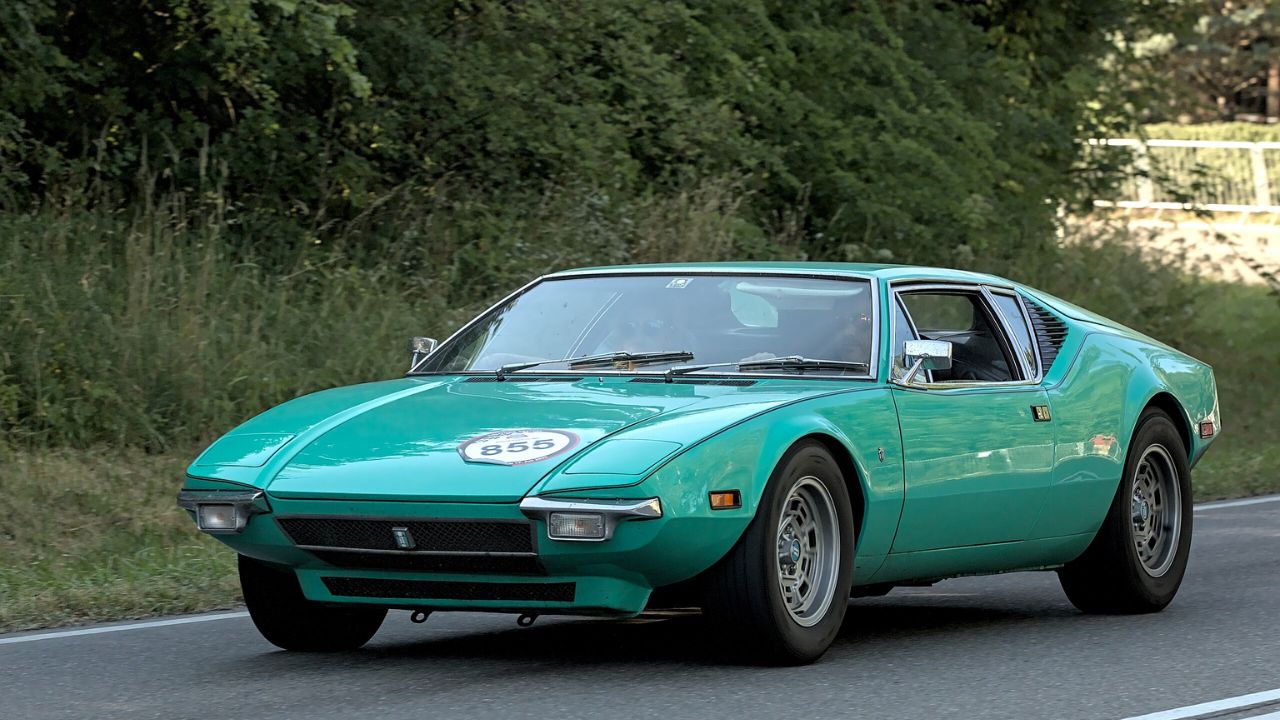
The De Tomaso Pantera, a collaboration between American power and Italian design, captured the spirit of the 1970s with its bold styling and performance. Introduced in 1971, the Pantera featured a Ford 351 Cleveland V8 engine, offering a powerful punch that could compete with contemporaries. Its blend of Italian flair and American muscle made it an icon of the era.
Despite some issues with overheating and build quality, the Pantera’s affordability compared to other supercars of the time contributed to its success. Its unique design and performance have made it a beloved classic among car enthusiasts today, with fans praising its distinctive character and thrilling drive.
Maserati Bora

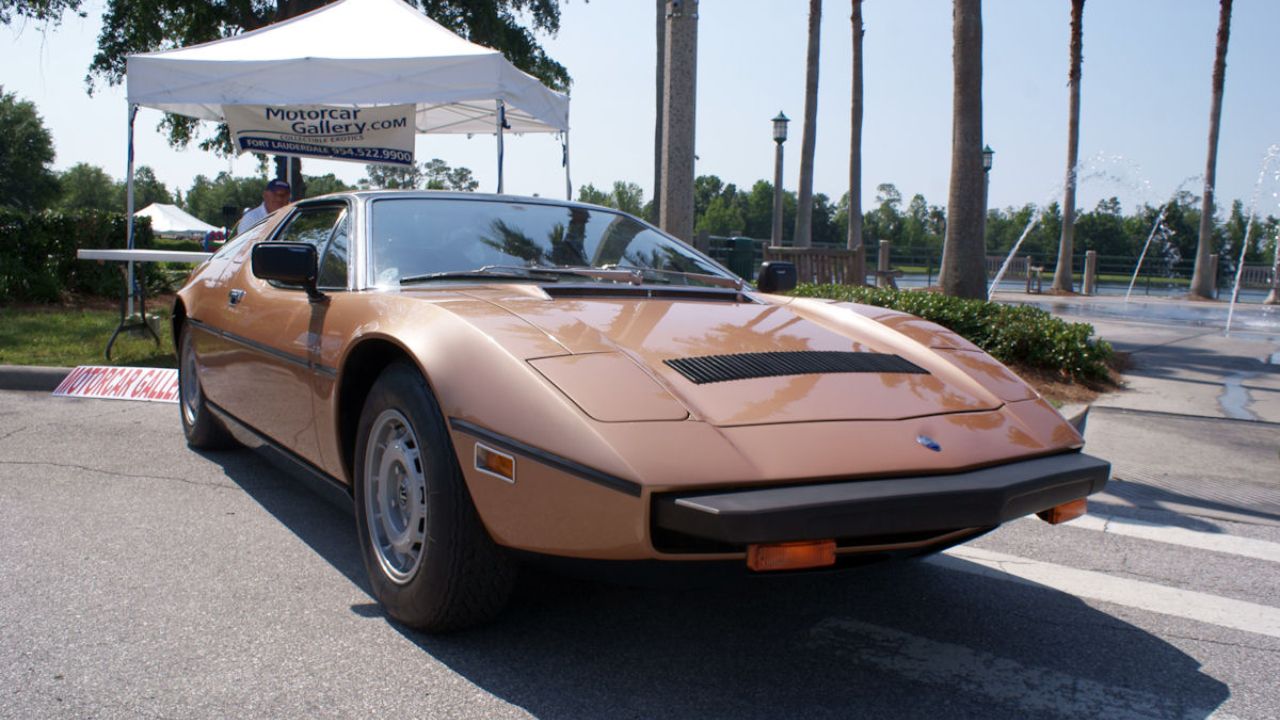
Launched in 1971, the Maserati Bora was Maserati’s first mid-engine production car, aiming to rival the likes of Ferrari and Lamborghini. It featured a sleek Giorgetto Giugiaro design and a powerful V8 engine, which allowed it to reach impressive speeds with ease. The Bora’s innovative design included adjustable pedals and a hydraulic braking system, which set it apart from its competitors.
Despite its innovative features, the Bora faced stiff competition and struggled to achieve the same commercial success as its rivals. However, its contribution to the evolution of supercars remains undeniable, and it holds a special place in automotive history.
Lamborghini Urraco
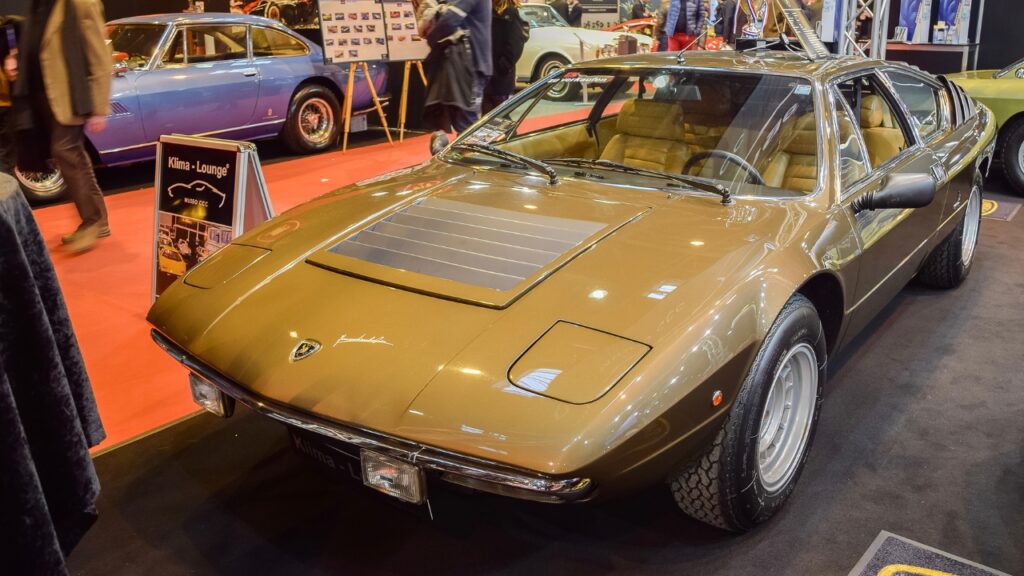
The Lamborghini Urraco, introduced in 1972, was designed to bring the Lamborghini experience to a broader audience. It was a compact, mid-engine sports car powered by a V8 engine, allowing for agile handling and respectable performance. Its Bertone-styled bodywork gave it an appealing look that still turns heads today.
Despite its aspirations, the Urraco faced challenges, such as competition from Ferrari’s Dino and Porsche’s 911. Production issues and economic factors also hindered its success. However, the Urraco’s innovative design and unique approach to sports car engineering continue to make it a fascinating piece of Lamborghini’s history.
Ferrari Dino 246 GT
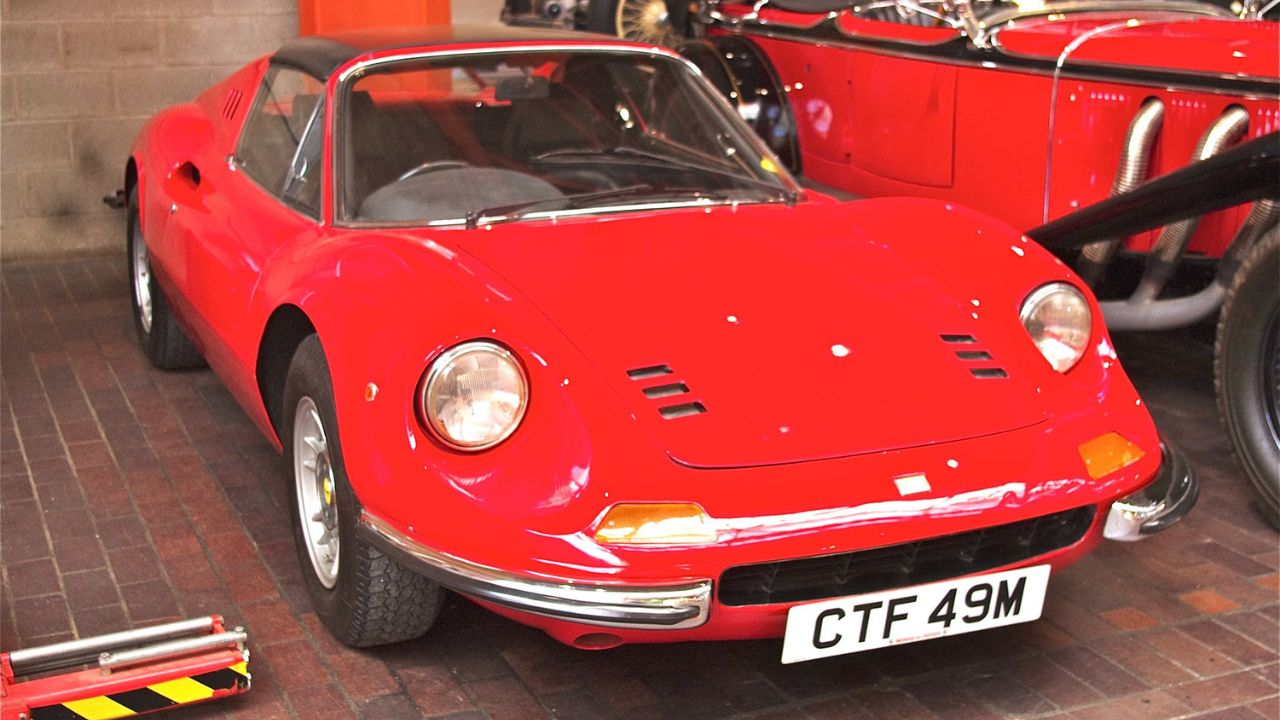
The Ferrari Dino 246 GT, introduced in 1969 and produced through the early 1970s, was named after Enzo Ferrari’s late son, Alfredo “Dino” Ferrari. It was one of the first Ferraris to feature a V6 engine, aiming to deliver a more affordable yet thrilling driving experience. Its timeless design and excellent handling won it many admirers.
While some purists initially questioned its non-V12 engine, the Dino’s performance and aesthetic appeal eventually won over critics. It has since become a highly sought-after collector’s item, celebrated for its historical significance and driving pleasure. Learn more about iconic models from this era in Jay Leno’s Garage.
BMW M1
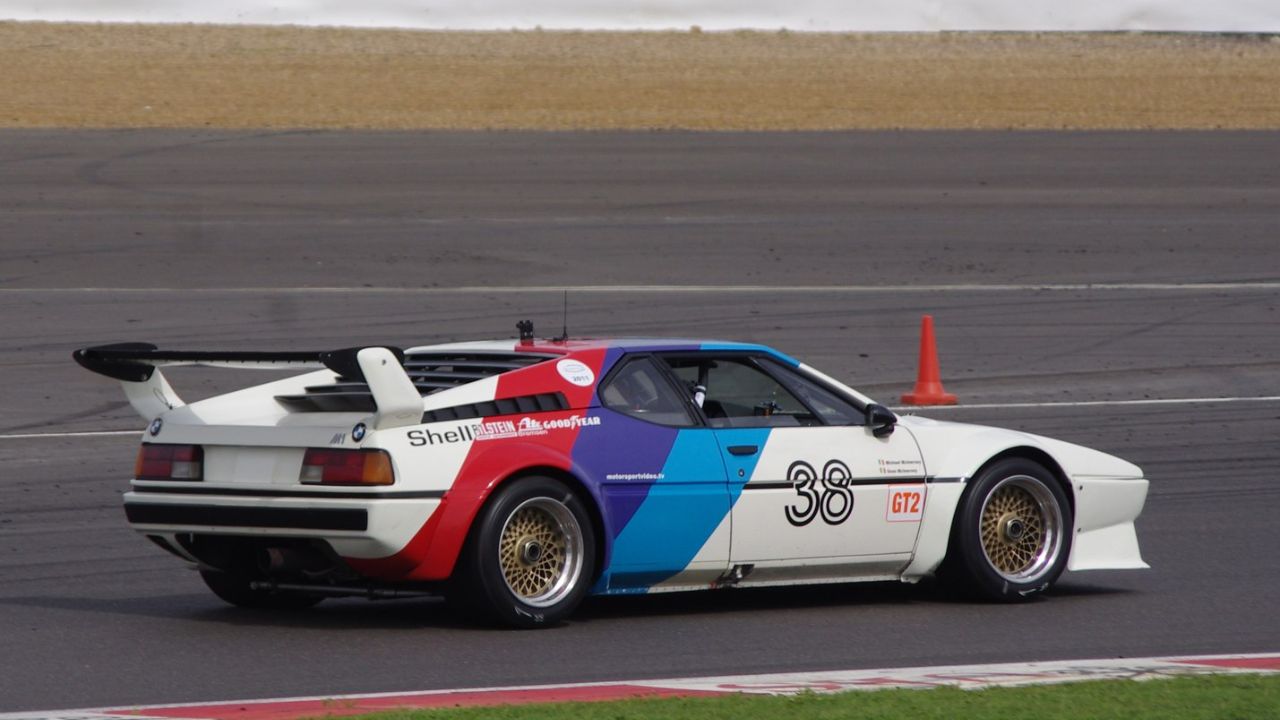
The BMW M1, produced from 1978 to 1981, was BMW’s first and only mid-engine sports car, developed in collaboration with Lamborghini. It featured a distinctive design by Giorgetto Giugiaro and a 3.5-liter inline-six engine, delivering impressive performance. The M1 was designed to compete in motorsports, specifically the Group 4 and Group 5 racing categories.
While production delays and financial difficulties limited its commercial success, the M1 laid the groundwork for BMW’s M division and remains an iconic piece of automotive history. Its rarity and performance make it a prized collector’s item today.
Lotus Esprit Series 1
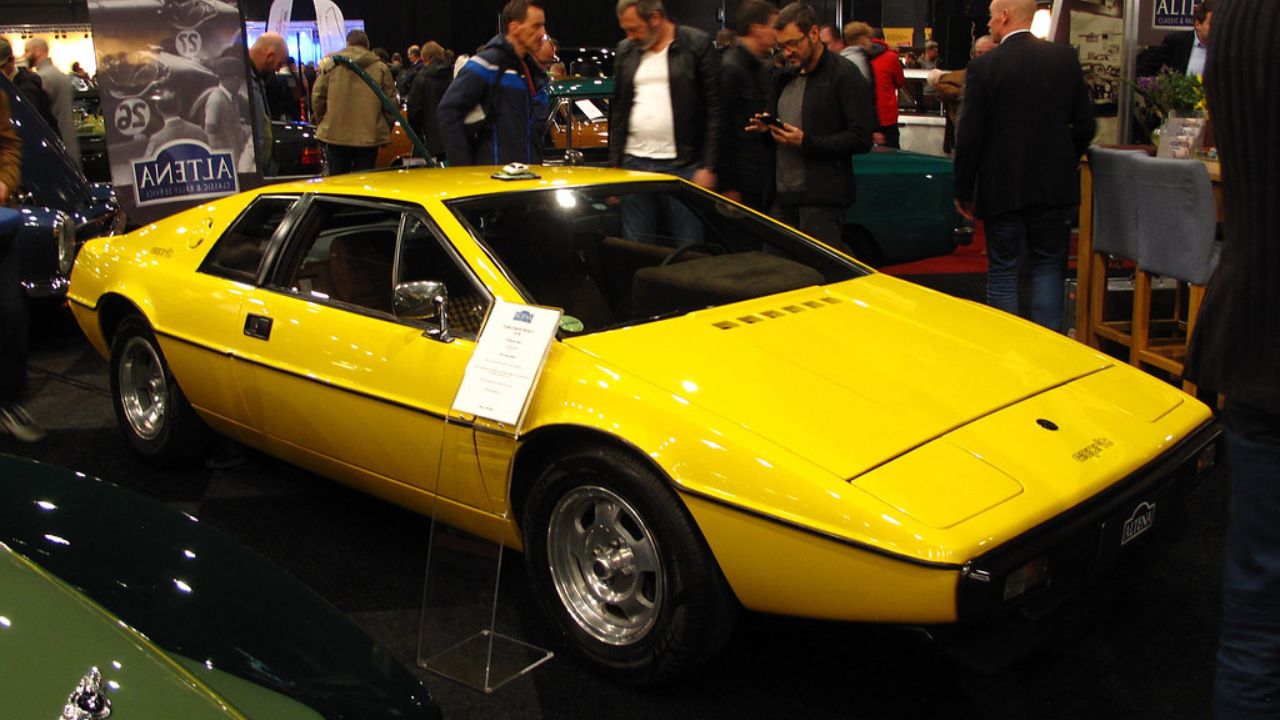
The Lotus Esprit Series 1, launched in 1976, was a revelation with its futuristic design and innovative engineering. Powered by a 2.0-liter inline-four engine, the Esprit was all about balance and handling, embodying Lotus’s philosophy of lightweight construction for superior performance.
Its sleek design by Giorgetto Giugiaro became an icon after its appearance in the James Bond film “The Spy Who Loved Me.” While the Esprit’s power output wasn’t as high as some competitors, its agility and design ensured it left a lasting impression. The Esprit’s legacy continues to influence sports car design to this day.
Aston Martin V8 Vantage
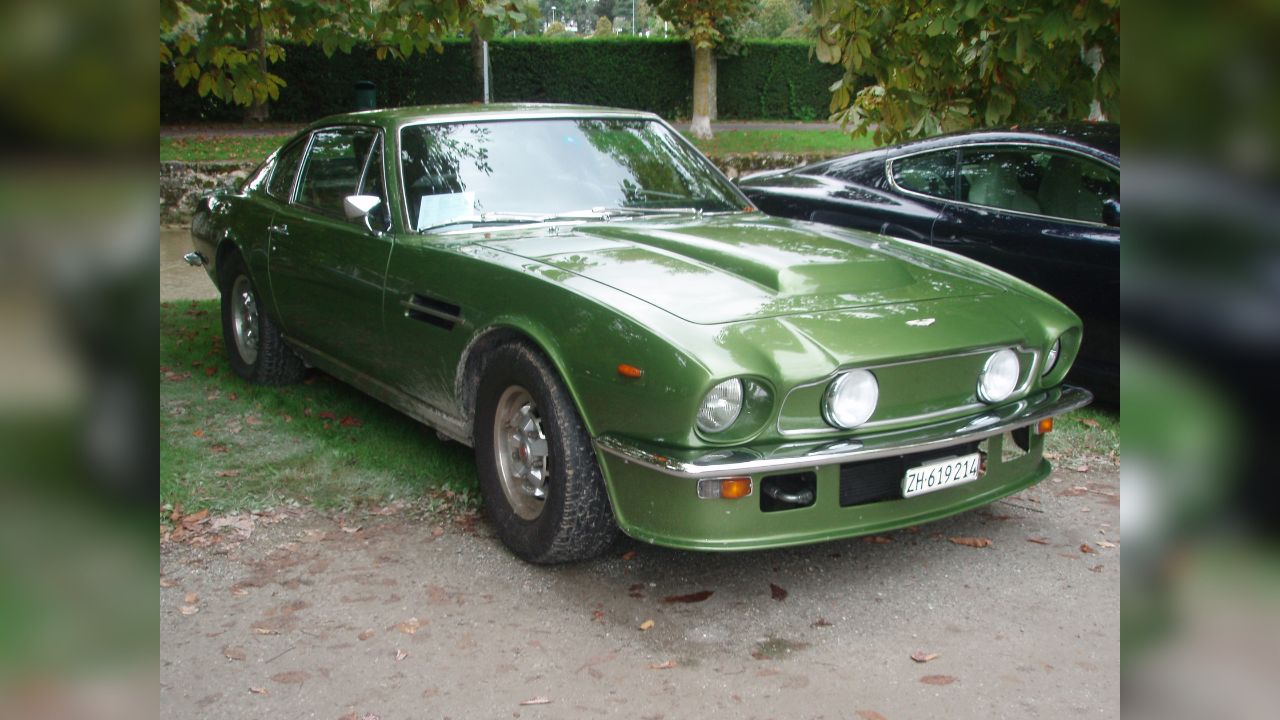
The Aston Martin V8 Vantage, introduced in 1977, was hailed as “Britain’s First Supercar” for its impressive top speed and acceleration. Powered by a 5.3-liter V8 engine, it was capable of reaching 170 mph, making it one of the fastest cars of its time.
Its muscular design and luxurious interior offered a perfect blend of performance and comfort, appealing to those who desired both speed and sophistication. The V8 Vantage set the stage for future Aston Martin models, solidifying its place in the pantheon of great British sports cars.
Porsche 911 Turbo 930
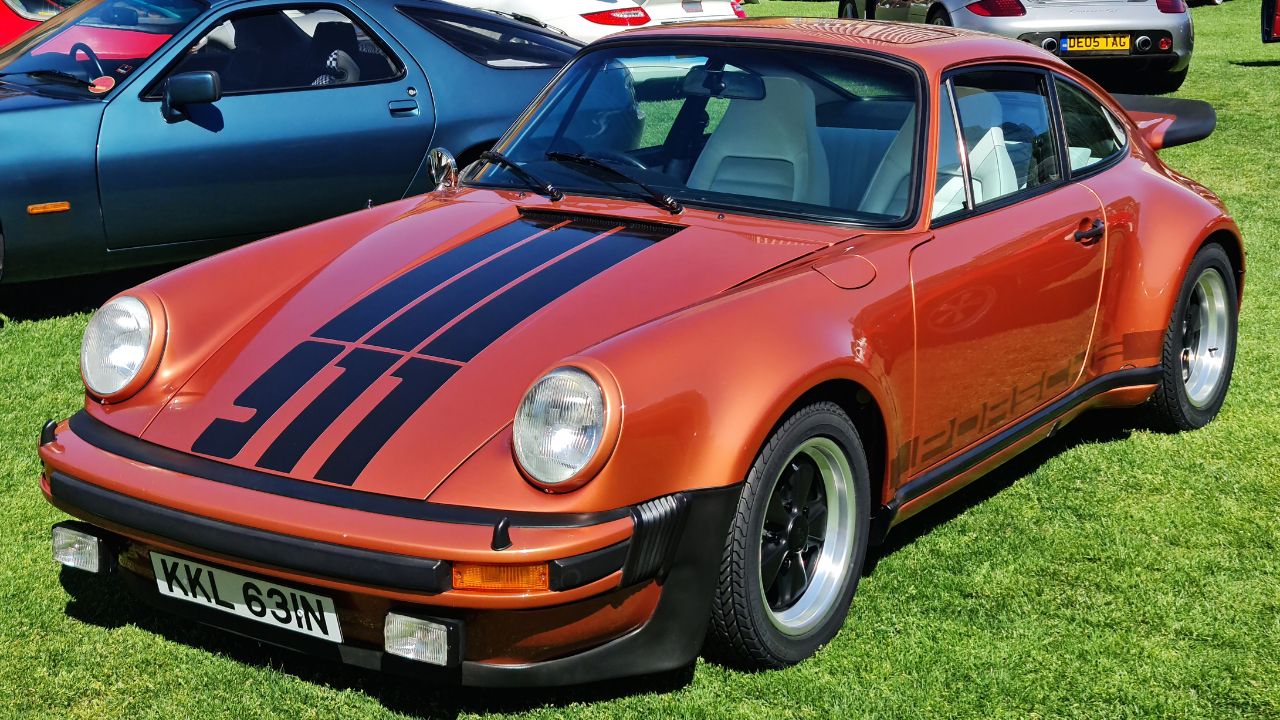
The Porsche 911 Turbo, known internally as the 930, debuted in 1975 and quickly became a symbol of Porsche’s engineering prowess. With its turbocharged flat-six engine, it delivered exhilarating performance and introduced the world to the concept of the everyday supercar.
While its reputation for being challenging to handle earned it the nickname “the Widowmaker,” enthusiasts appreciated its raw power and driving excitement. The 930’s influence on the evolution of the 911 series is profound, cementing its status as a cornerstone of Porsche’s legacy.
Like Fast Lane Only’s content? Be sure to follow us.
Here’s more from us:
*Created with AI assistance and editor review.