Muscle cars have long captured the imagination of automotive enthusiasts with their powerful engines and sleek designs. However, a lesser-known aspect that further enhances their performance is the rear-end gear ratio. Rare rear-end ratios can significantly influence a vehicle’s acceleration and top speed, making these muscle cars even more coveted among collectors and racers alike.
Understanding Rear-End Ratios in Muscle Cars
The rear-end ratio, also known as the axle ratio, is a key component in a vehicle’s drivetrain, dictating how power is distributed from the engine to the wheels. Essentially, it indicates the number of times the driveshaft must rotate to turn the wheels once. A lower ratio (e.g., 3.08:1) generally favors higher top speeds, while a higher ratio (e.g., 4.10:1) enhances acceleration. This balance between speed and torque is crucial for optimizing a muscle car’s performance.
During the muscle car era of the 1960s and 1970s, rear-end ratios became a defining feature of a vehicle’s character. Manufacturers offered a range of gear ratios to cater to different driving preferences and racing needs. Buyers could select a configuration that suited their desire for rapid acceleration or cruising speed. The choice of a rare or unique rear-end ratio was often a reflection of a car’s intended use, whether for street racing, drag strips, or highway driving.
Noteworthy Muscle Cars with Rare Rear-End Ratios

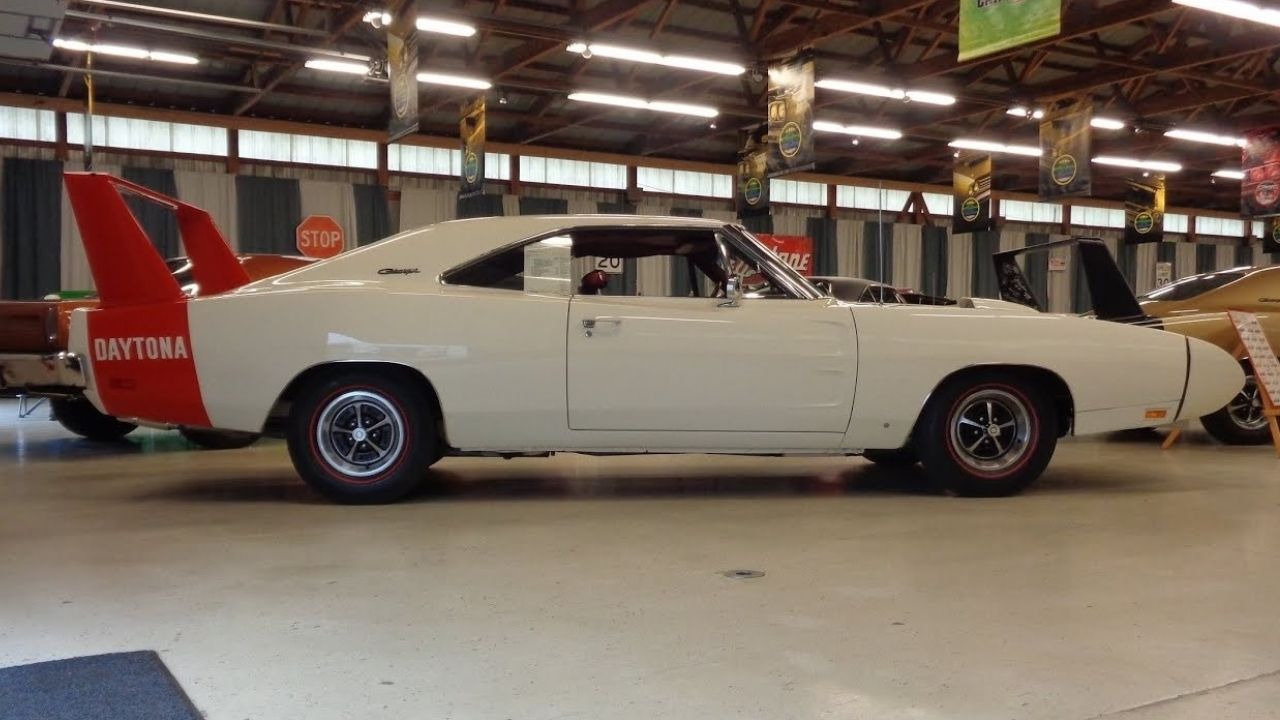
The legendary Mopar models like the Dodge Charger and Plymouth Road Runner are examples of vehicles that offered unusual rear-end ratios. These configurations provided exceptional acceleration, making them favorites at drag strips. The 1969 Dodge Charger Daytona, for instance, could be equipped with a 4.10:1 gear ratio, allowing it to excel in quarter-mile races.
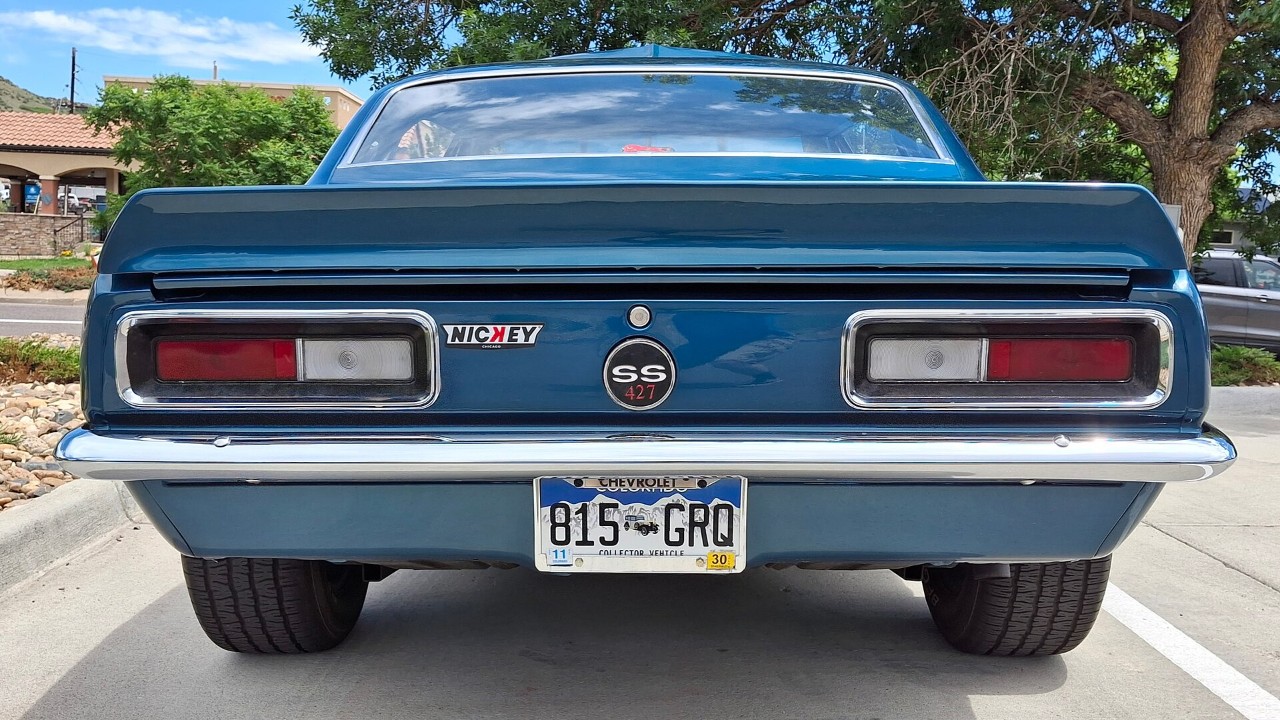
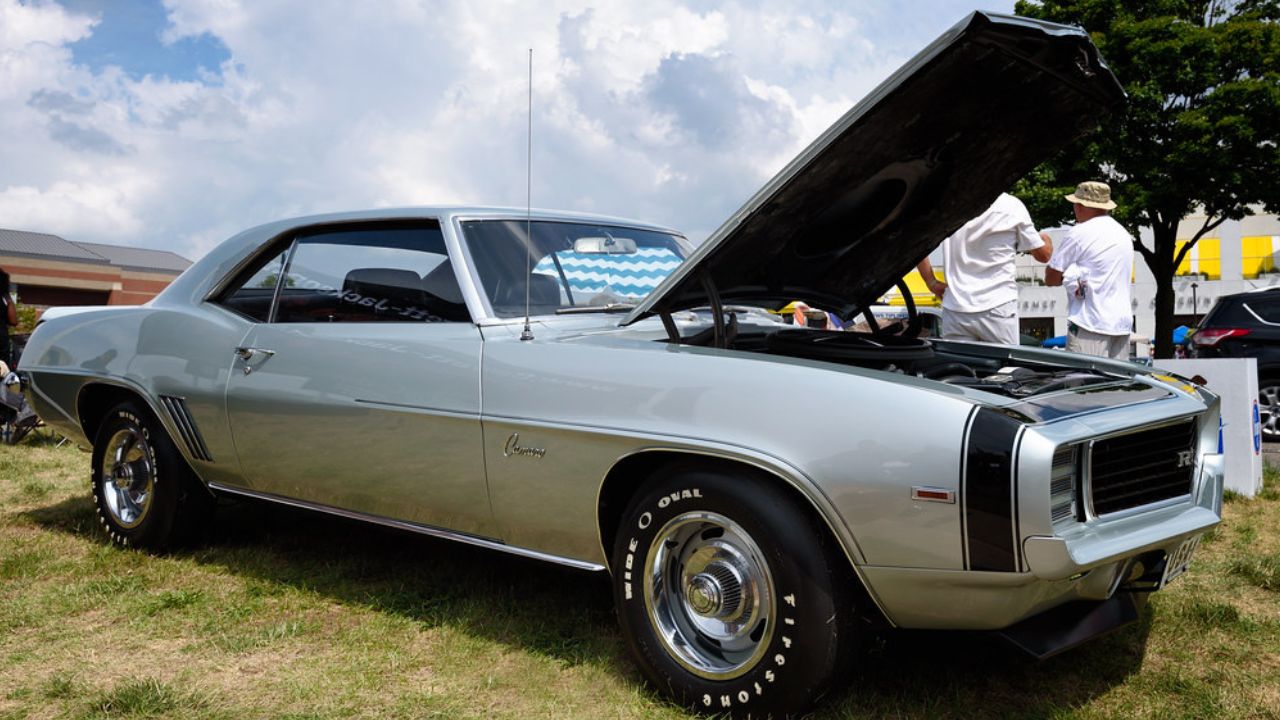
Chevrolet also produced muscle cars with distinctive rear-end setups. The 1969 Chevrolet Camaro ZL1 is one such car that featured a rare 4.10:1 axle ratio, designed to deliver impressive performance on the track. Such unique configurations contributed to the rarity and allure of these models among collectors.
Collectibility and Market Value
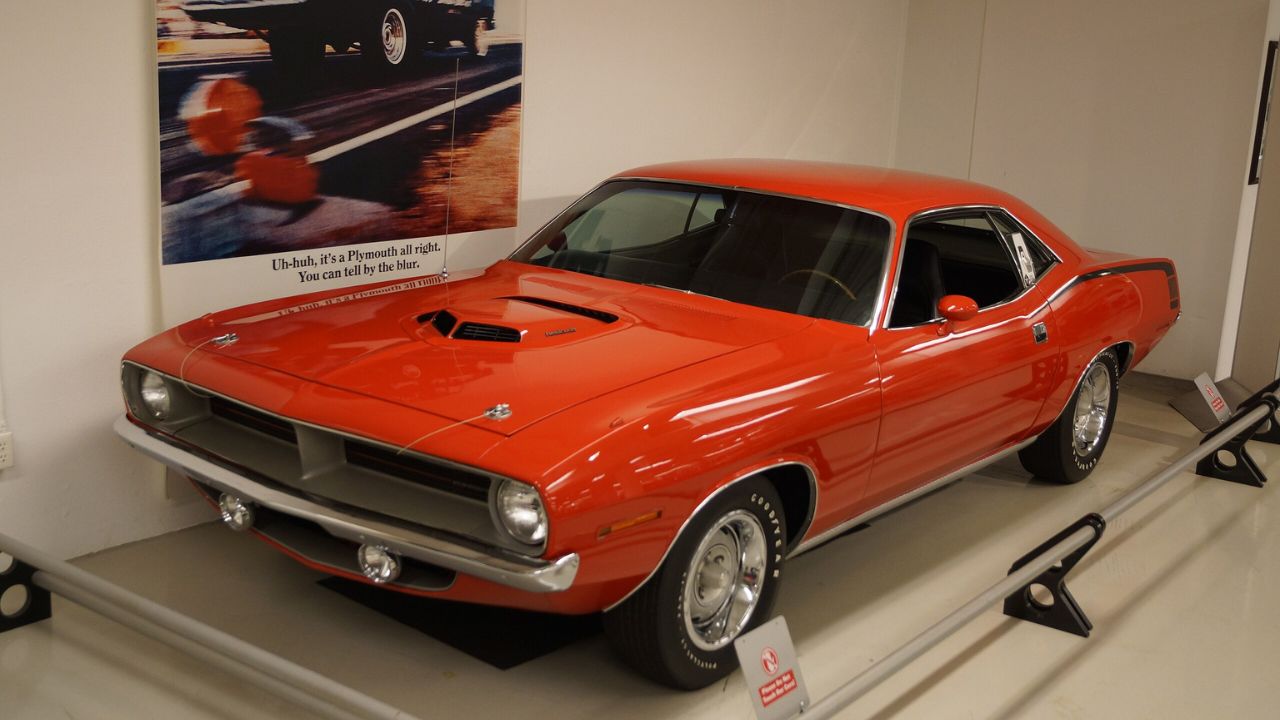
Muscle cars with rare rear-end ratios are often highly sought after by collectors, not only for their performance but also for their rarity. The scarcity of these configurations drives up demand and, consequently, market value. Cars with factory-installed rare ratios can fetch premium prices at auctions. For instance, a 1970 Plymouth Hemi ‘Cuda with a 4.10:1 ratio recently garnered significant attention at a major auction, highlighting the desirability of these unique setups.
Restoring and maintaining these distinctive gear systems can be a challenge, as original parts may be hard to find. Enthusiasts often rely on specialized forums and clubs, such as the First Generation Monte Carlo Club, to exchange knowledge and locate rare components. The dedication to preserving these cars’ authenticity underscores their cultural and historical significance.
Modern Influence and Legacy

The legacy of rare rear-end ratios continues to influence modern muscle car designs and engineering. Manufacturers today often incorporate adjustable gear ratios in performance models, allowing drivers to customize their driving experience. This nod to classic muscle cars ensures that their spirit lives on in contemporary designs.
Enthusiast communities play a crucial role in preserving the history and knowledge surrounding these rare configurations. Online forums and clubs are invaluable resources for sharing insights and fostering a sense of community among like-minded individuals. As technology evolves, the allure of rare rear-end ratios may shift, but their impact on automotive culture remains undeniable.
Like Fast Lane Only’s content? Be sure to follow us.
Here’s more from us:
*Created with AI assistance and editor review.