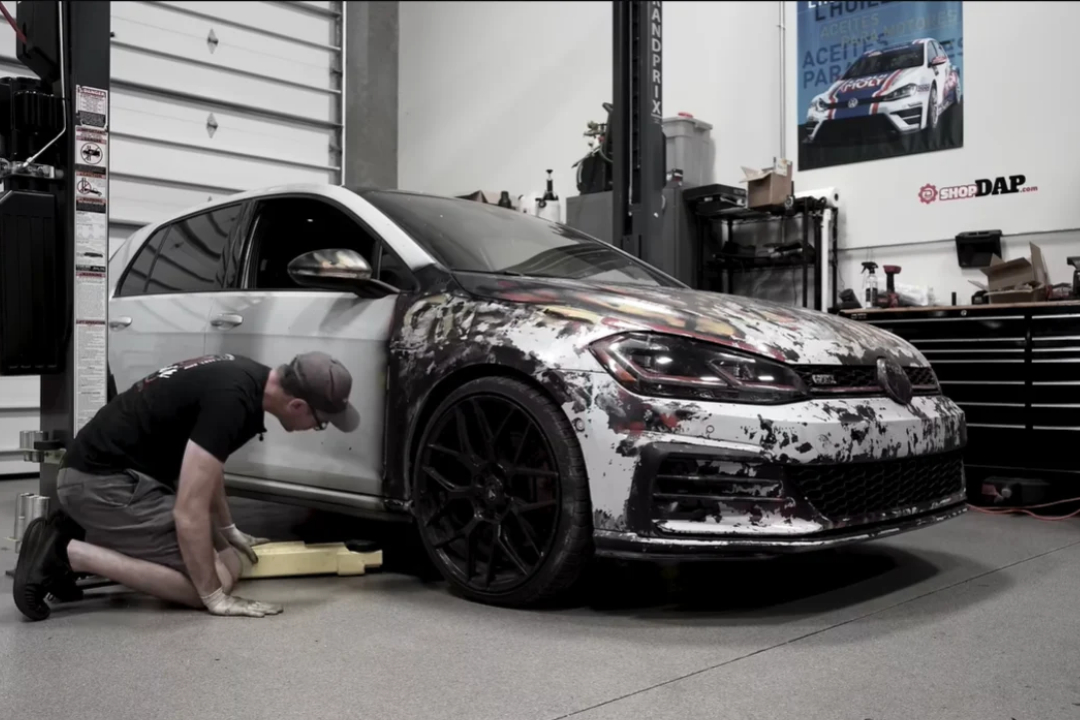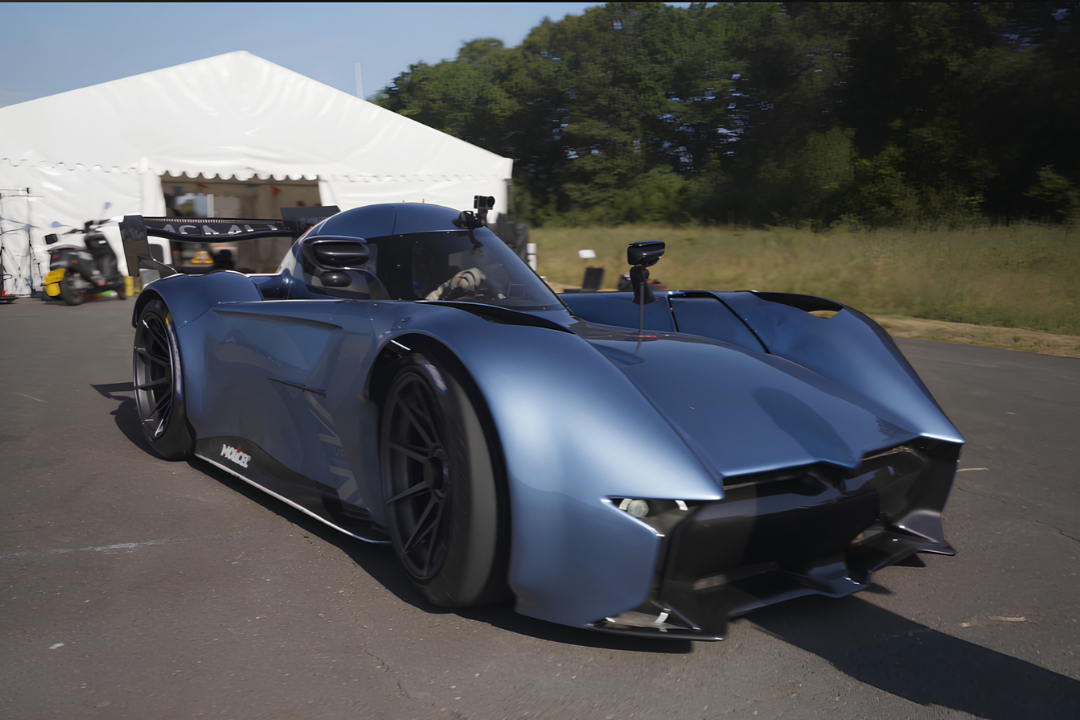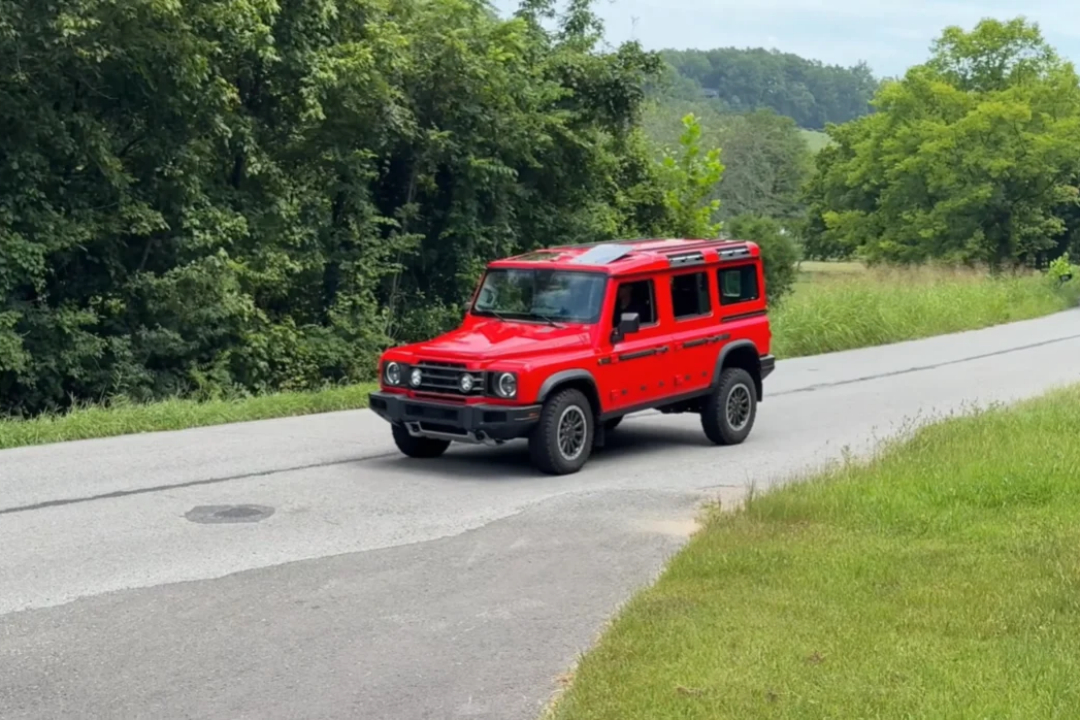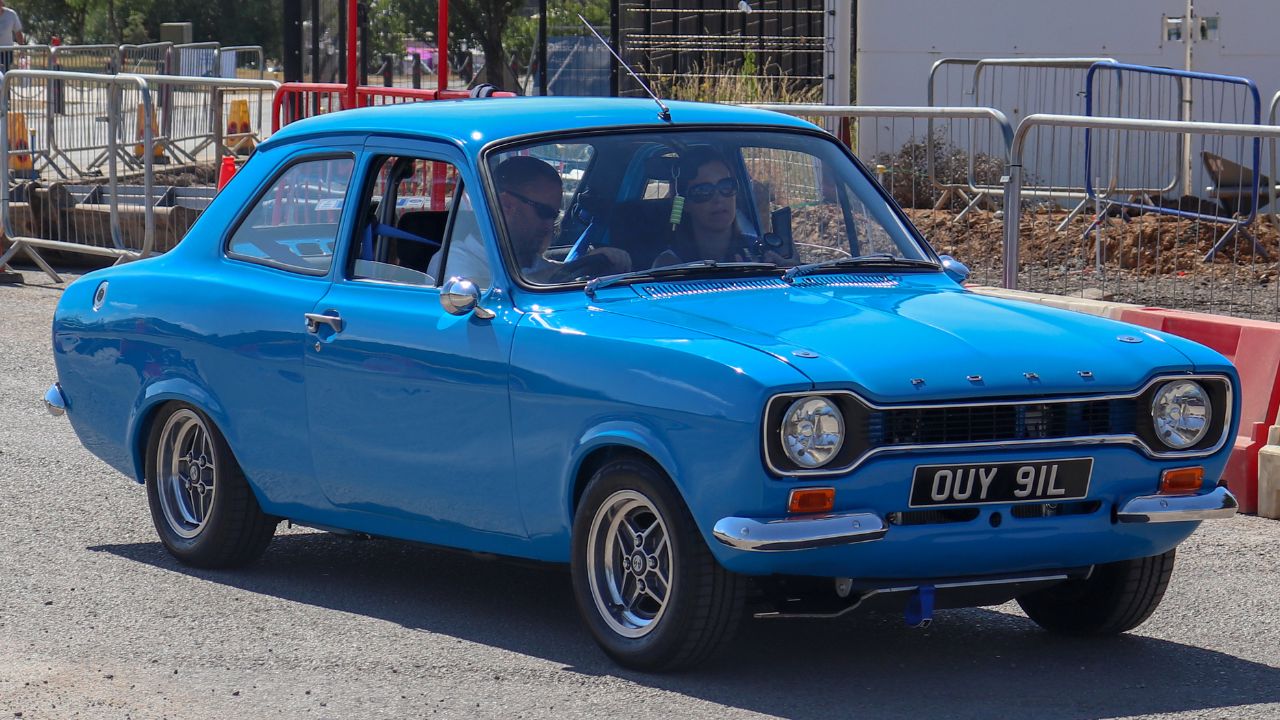
It started as a tidy, sensible idea: build an affordable car for regular roads, keep it simple, keep it light, and let people live their lives. Then, somehow, that same car began popping up in the least sensible places imaginable—muddy rally stages, endurance races that ran through the night, and tight circuits full of machines that cost multiples more. It didn’t ask for permission. It just arrived, grinning like it knew a shortcut.
The odd part wasn’t that it could be modified. Every car can be modified if someone’s stubborn enough. The odd part was how often this particular classic kept turning up and how rarely it embarrassed itself once it got there.
A road car with a reputation it didn’t request
When it rolled out as a compact performance coupe, the pitch was straightforward: a lively engine, rear-wheel drive, low weight, and handling that rewarded anyone brave enough to stay in the throttle. It wasn’t exotic, and it wasn’t pretending to be. It was the kind of car that made you take the long way home because the long way had corners.
But those same traits—lightness, balance, and a chassis that didn’t feel like it was fighting you—also meant it could be pushed into competition without needing a blank-check budget. People noticed. And once people notice a car that’s both fun and attainable, they start doing wonderfully questionable things with it.
It kept getting “borrowed” by motorsport
Motorsport has a habit of adopting cars like stray cats: if it shows up, looks useful, and doesn’t complain too much, it might never leave. This classic became that kind of stray. Week after week, it appeared at local events, then bigger ones, then places where you’d expect only purpose-built monsters to survive.
Part of the appeal was that it didn’t demand delicate treatment. It could take abuse, get repaired, and go back out. When you’re racing on a budget, that’s not a nice-to-have feature—it’s the whole plan.
Rally: when “light and tossable” becomes a superpower
On rally stages, power is great, but confidence is better. A car that’s predictable over loose gravel, quick to rotate, and honest about what the tires are doing can embarrass something much faster on paper. This classic had that kind of honesty, and it loved changing direction like it had something to prove.
It wasn’t designed to be a rally weapon, yet it kept showing up anyway—wearing extra lights, chunkier tires, and suspension travel that looked just barely legal. Drivers leaned on its balance, and the car responded like it had been waiting for someone to ask. If a stage got rough, it didn’t always win, but it rarely quit quietly.
Track days to serious circuit racing: the accidental corner king
On a circuit, lap times can come from horsepower, sure. But they also come from braking late, carrying speed, and not wasting motion. This classic’s low weight and tidy footprint made it a menace in the corners, especially in the hands of someone who knew how to keep momentum.
It also made sense financially. Tires lasted longer than on heavier cars. Brakes didn’t melt as quickly. And if something broke, the fix usually didn’t involve rare parts flown in from another continent with a bill that made your stomach drop.
Endurance racing: the place it really shouldn’t have worked
Endurance events are where romantic ideas go to get audited. Heat, fatigue, night driving, and endless laps expose every weakness—cooling, fueling, electrical gremlins, and the tiny rattles that turn into big problems at 2 a.m. That’s why it was so strange to see this classic lining up next to cars with bigger teams, bigger wings, and bigger everything.
And yet, there it was, circulating steadily like a metronome. It wasn’t always the fastest car in a straight line, but it was often the car still moving while others sat in the paddock with their hoods up. Endurance racing rewards consistency and simplicity, and this car had both in its bones.
How it kept punching above its weight
The formula wasn’t magic; it was just unusually well-balanced. A lightweight chassis means every component works less hard—tires, brakes, drivetrain, even the driver. Add a responsive engine and predictable handling, and you get a car that flatters good technique while still being approachable for newer racers.
There was also the “garage factor.” This car welcomed tinkering. You could change suspension settings without needing a degree in aerospace engineering, and upgrades tended to do what you expected them to do. That’s a big reason it became a common sight: it let people learn, improve, and come back stronger next weekend.
The culture behind the car: why it kept returning
Cars don’t show up in weird places by themselves—people bring them. And this one attracted the kind of crowd that likes solving problems with creativity and late nights. It became a shared language at events: if someone had one, someone else had spare parts, advice, or at least a story about the time theirs survived something it probably shouldn’t have.
That community effect matters. It lowers the barrier to entry and raises the odds that a car stays on track instead of retiring early. When a platform gets that kind of support, it stops being “a car” and starts being a dependable teammate.
It wasn’t perfect, which somehow helped
Of course it had limitations. On fast tracks, it could get walked on the straights by higher-powered cars. In rough conditions, it needed protection and setup work to stay happy. And if you pushed too hard without the right cooling, brakes, or maintenance, it would remind you that physics doesn’t care about vibes.
But its flaws were the manageable kind. They didn’t feel mysterious; they felt like a checklist. Fix the weak points, keep it light, don’t overcomplicate it, and it would go right back to doing what it does best—making speed feel attainable.
Why it still shows up where it “doesn’t belong”
Today, you’ll still spot this classic in surprising grids and offbeat builds, sometimes looking almost stock except for the stance and the sound. People keep bringing it because it’s honest fun, and because it turns effort into results faster than many newer, heavier cars. It’s the rare classic that isn’t just nostalgic—it’s still useful.
And that’s the real story: it wasn’t meant to compete in half the places it’s become famous for. It simply had the right bones, the right balance, and the kind of personality that makes people think, “Yeah… I bet it can do that.” Then it goes out and proves them right, one improbable appearance at a time.
More from Fast Lane Only