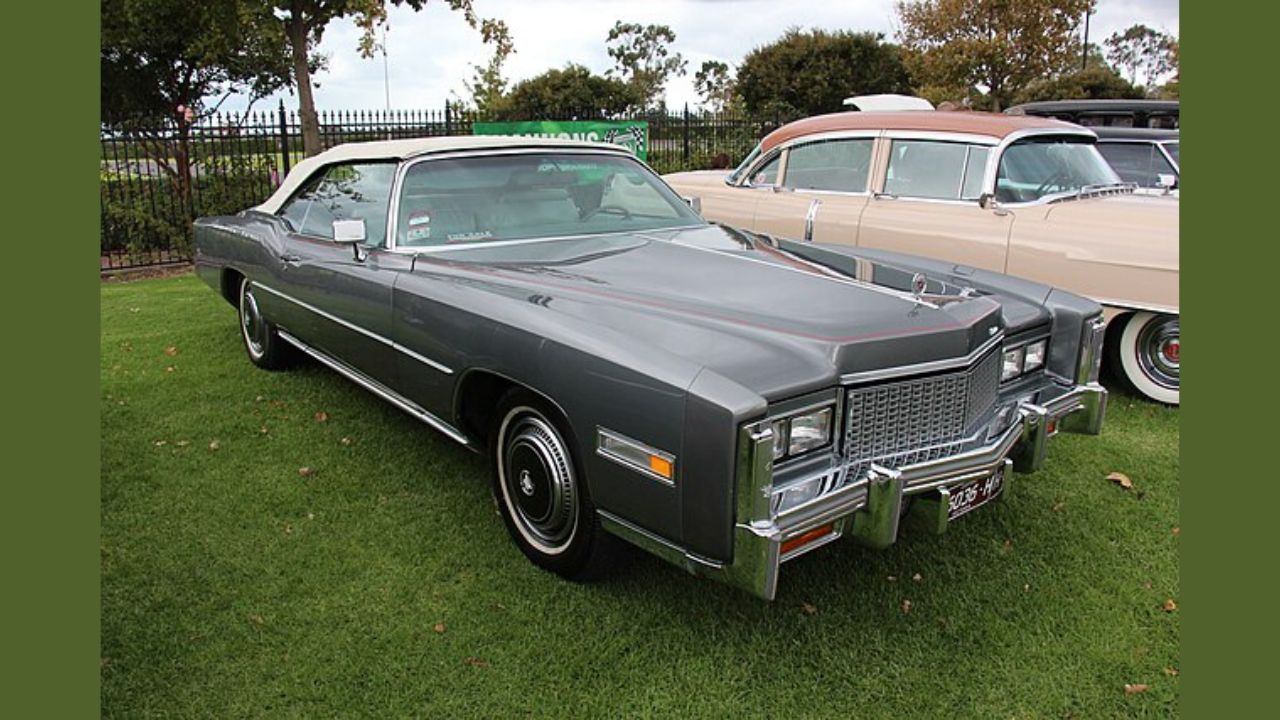
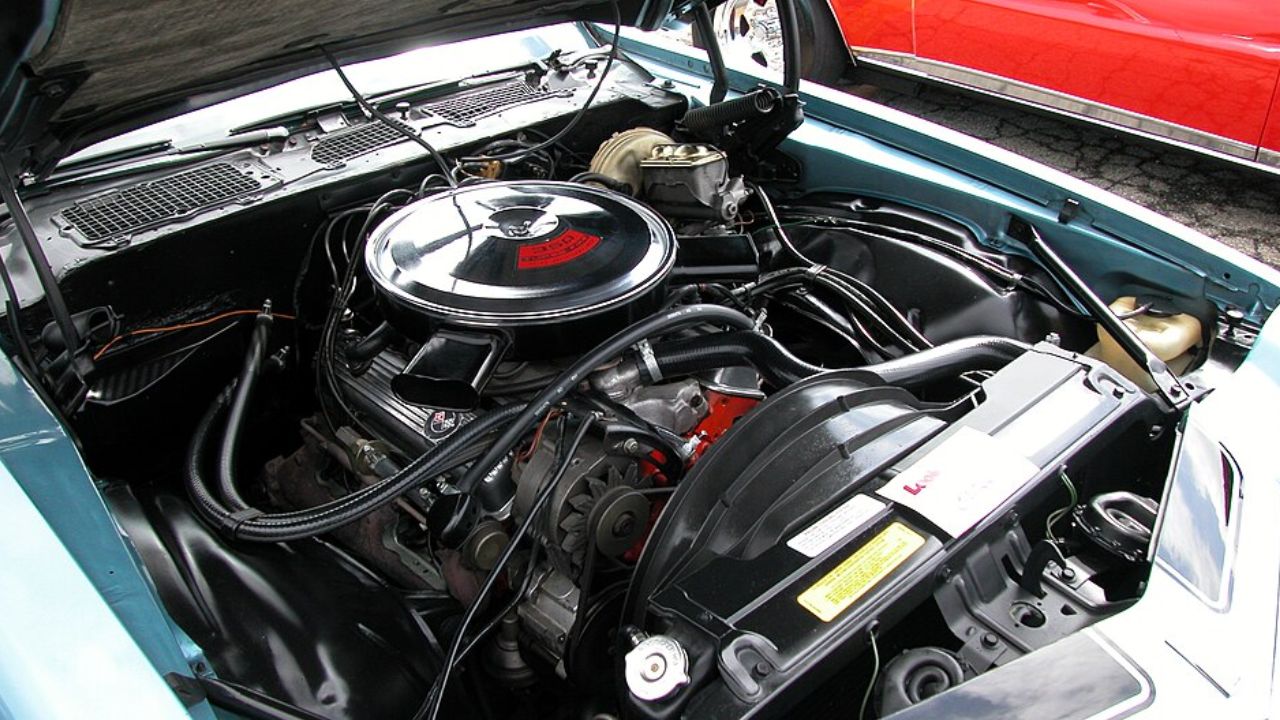
The charm of classic model automobiles lies in their simplicity and timeless appeal. As modern vehicles become increasingly complex, one classic model continues to demonstrate that simplicity can be both functional and captivating. This enduring automobile still stands out due to its straightforward design, which remains effective and compelling.
The Timeless Appeal of Simplicity
In the early days of automotive design, simplicity was not just a choice; it was a necessity. Cars like the Ford Model T, introduced in 1908, revolutionized the industry by making automobiles accessible to the masses. With its straightforward assembly and operation, the Model T embodied the essence of simplicity. During a time when engineering was still finding its feet, simplicity meant reliability and ease of production. This historical context highlights how simplicity was once the norm, setting a foundation for future advancements.
Visually, classic cars often possess a minimalist elegance that appeals to enthusiasts and casual observers alike. Think of the Volkswagen Beetle, with its iconic rounded shape and uncomplicated design, or the sleek lines of a 1960s Jaguar E-Type, once described by Enzo Ferrari as “the most beautiful car ever made.” These designs eschew unnecessary flair, focusing instead on balance and proportion. They evoke an emotional response, resembling works of art that capture the imagination through their understated beauty.
Moreover, the emotional connection people feel with these cars cannot be overstated. Simple designs often evoke nostalgia, reminding owners of a time when life seemed less complicated. The familiarity of turning a key in an ignition, feeling the mechanical feedback, or hearing the engine’s roar brings back memories of road trips, first cars, and family outings. It’s a connection that transcends generations, making these classic models perpetually endearing.
Engineering Marvels of a Bygone Era
The engineering behind classic automobiles often relied on fewer components, which contributed to their mechanical reliability. For instance, the simplicity of the air-cooled engine in the original Porsche 911 meant fewer parts that could fail. This design philosophy resulted in a car that was easier to maintain and repair, often with basic tools. Classic cars like the Morris Minor or the Citroën 2CV were built with the idea that owners could perform much of the maintenance themselves, making car ownership more accessible.
Beyond reliability, the user-friendly design of these vehicles made them accessible to a broad audience. The straightforward layout of controls and instrumentation in cars like the Mini Cooper or the Fiat 500 meant that drivers could focus on the road rather than be bogged down by complex technology. Even mechanics appreciate this simplicity, as it allows for quicker diagnostics and repairs. The ease of use extends to driving experience, where the absence of electronic aids means a purer connection between driver and machine.
Durability is another hallmark of classic automobile engineering. Unlike their modern counterparts, which often face obsolescence due to technological advancements, classic cars were built to last. Their robust construction means that many models, such as the Land Rover Series I, are still on the road today, decades after their production. This durability speaks to the quality of workmanship and materials used, ensuring that these cars remain functional and cherished for generations.
The Modern Relevance of Classic Design
Today’s automotive designers often look to the past for inspiration, drawing from the simplicity and elegance of classic models. Brands like Fiat and MINI have successfully revived their classic models with a modern twist, maintaining the original’s charm while incorporating contemporary features. The Fiat 500 and the MINI Cooper are prime examples of how classic design elements can be seamlessly integrated into modern vehicles, offering a nostalgic yet fresh experience for drivers.
Sustainability is another area where classic design principles are making a comeback. In an age where environmental concerns are paramount, the less-is-more approach of classic automobiles offers valuable lessons. The production of fewer components not only reduces resource consumption but also minimizes waste. Manufacturers are increasingly adopting these principles, emphasizing sustainable materials and efficient production processes, making classic design relevant in today’s eco-conscious market.
Financially, maintaining a simpler vehicle often proves more cost-effective. Owners of classic cars tend to spend less on repairs and maintenance, as the straightforward engineering allows for easier fixes. Additionally, classic cars often appreciate over time, unlike most modern vehicles that depreciate rapidly. This financial advantage is a compelling reason for many to invest in and preserve these iconic models, further solidifying their place in the automotive landscape.
Community and Culture Surrounding Classic Models
The classic car community is a vibrant and passionate group, united by their love for these timeless vehicles. Enthusiast clubs and events provide a social platform for owners to share their experiences, knowledge, and enthusiasm. Events like the Goodwood Revival in the UK or the Pebble Beach Concours d’Elegance in the US celebrate the history and beauty of classic automobiles, fostering a sense of camaraderie among participants. These gatherings are more than just car shows; they are cultural celebrations that bring together people from diverse backgrounds.
Restoration and preservation are central to the classic car culture. Owners often dedicate countless hours to restoring their vehicles to their former glory, preserving not just the car but the history and stories it carries. The restoration process is a labor of love, requiring both skill and patience. Companies specializing in restoration, such as Hemmels in the UK, have built reputations for meticulously restoring cars like the Mercedes-Benz 300SL to their original specifications, ensuring that these vehicles remain a part of our automotive heritage.
Classic cars have also left an indelible mark on media and popular culture. From iconic appearances in films like “Bullitt” with the Ford Mustang to the Aston Martin DB5 in James Bond films, these vehicles have become symbols of style and sophistication. Their presence in music videos, advertisements, and even video games continues to influence how they are perceived by new generations, cementing their status as cultural icons.
Lessons for the Future of Automotive Design
The enduring allure of classic automobiles offers valuable lessons for the future of automotive design. Balancing innovation with simplicity is a challenge modern designers face, as they strive to create vehicles that are both technologically advanced and user-friendly. By looking to the past, designers can find inspiration in the clean lines and functional elegance of classic models, applying these principles to create cars that meet contemporary needs without sacrificing ease of use.
Consumer preferences are also shifting, with a growing demand for vehicles that prioritize user experience over excess features. Many drivers seek straightforward, reliable transportation that connects them to the driving experience, free from the distractions of overly complex interfaces. Automakers are beginning to recognize this trend, offering models that emphasize simplicity and driver engagement, such as Mazda’s “Jinba Ittai” philosophy, which focuses on creating harmony between car and driver.
The potential for hybrid designs, combining classic simplicity with modern technology, is an exciting prospect for the automotive industry. Electric vehicles, for instance, offer a platform where the minimalist design ethos of classic cars can thrive. Concepts like the Honda E or the retro-inspired Renault 5 Prototype demonstrate how classic styling cues can be integrated with cutting-edge technology, providing a glimpse into the future of automotive design that respects the past while embracing innovation.
The Enduring Legacy of Simplicity
The iconic status of certain classic car models is a testament to their lasting appeal. Vehicles like the Chevrolet Corvette or the Ford Mustang have remained beloved for decades, with their timeless designs continuing to captivate new audiences. These models not only represent engineering and design excellence but also evoke personal stories and memories for their owners, adding to their enduring legacy.
Personal anecdotes from classic car owners often highlight the deep connection they feel with their vehicles. Whether it’s the story of a family heirloom passed down through generations or the tale of a first car lovingly restored, these narratives underscore the emotional bond between owner and machine. Such stories enrich the legacy of classic automobiles, making them more than just vehicles but cherished companions on life’s journey.
Beyond the automotive world, the lessons of simplicity and functionality found in classic cars resonate across various industries. Whether in technology, architecture, or fashion, the principles of straightforward design and enduring quality continue to influence how products are created and valued. The enduring legacy of classic automobiles serves as a reminder of the importance of these principles, encouraging industries to balance innovation with the timeless appeal of simplicity.
More from Fast Lane Only