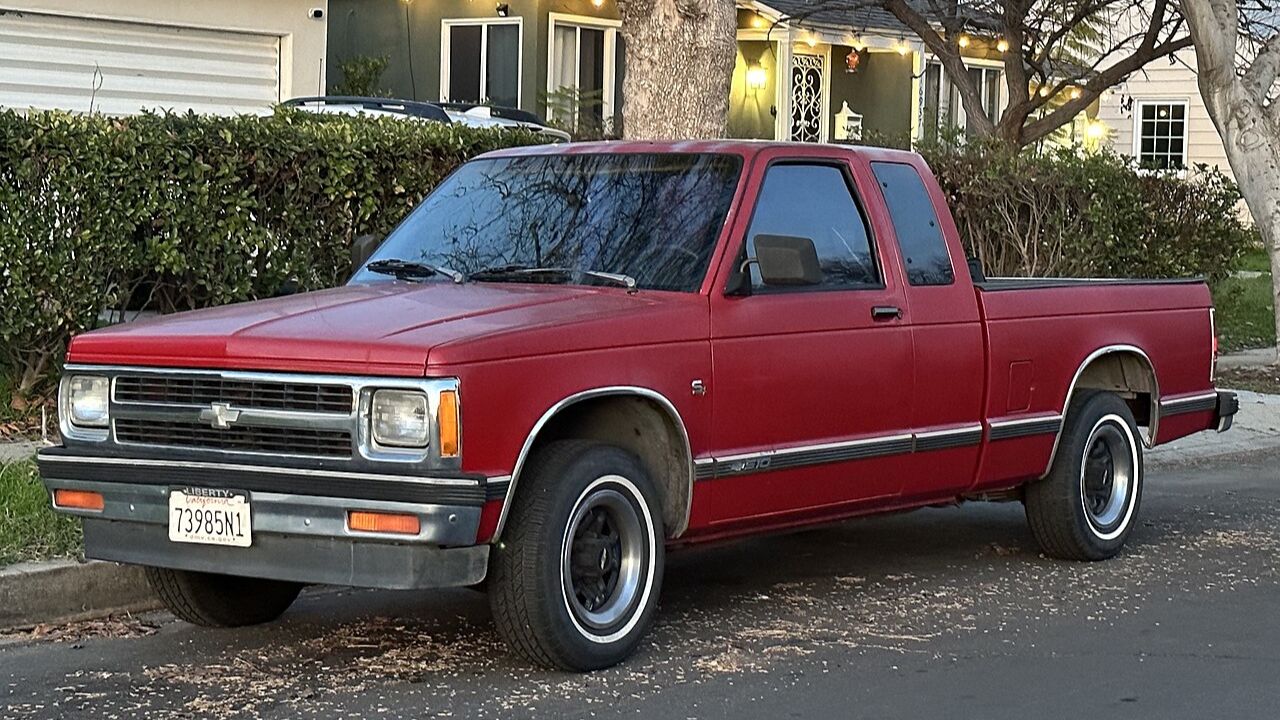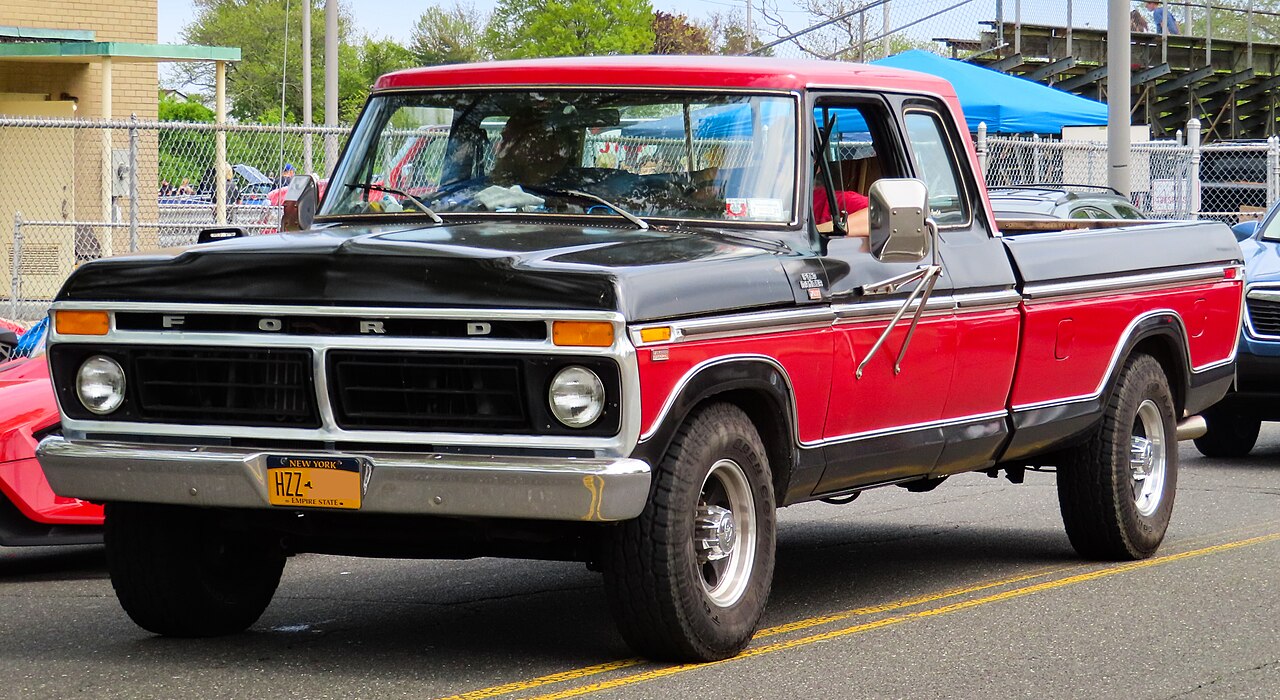
Every era has its “next big thing” truck. Some show up with flashy dashboards, clever driver aids, and enough sensors to make a smartphone feel underdressed. But once the novelty wears off, most owners end up caring about the same stuff their grandparents did: Will it start? Will it haul? Will it keep doing both when the calendar’s flipped a few thousand times?
That’s where a certain forgotten workhorse keeps quietly stealing the spotlight from modern marvels. It didn’t win many beauty contests, and it definitely didn’t come with a touchscreen. Yet it built a reputation the old-fashioned way—by refusing to die.
A truck that didn’t chase trends
Back when automakers were experimenting with new gadgets and bold styling, this truck leaned hard into “good enough, but tough.” The design was straightforward, almost stubbornly so. Big, simple controls. A cabin that favored wipe-clean practicality over soft-touch anything.
It wasn’t trying to be a luxury lounge or a rolling tech demo. It was trying to be a tool. And tools don’t need to impress you in the driveway; they need to work when the job gets ugly.
The secret sauce was boring—in the best way
The magic wasn’t one revolutionary feature. It was the absence of fragile complexity. Fewer electronic points of failure meant fewer surprise warning lights, fewer mysterious “limp modes,” and fewer weekend plans canceled by a sensor that decided it didn’t like humidity.
Its core hardware was the kind of stuff mechanics love: stout frames, conservative power, and parts that didn’t feel like they were engineered to last exactly one warranty period. Even when something did wear out, the fix was often straightforward, with plenty of room to actually reach the problem without disassembling half the truck.
Why it lasted: it was built for work, not hype
Durability isn’t just about thick metal and tough paint. It’s also about choices—gearing that doesn’t strain, cooling systems that don’t run on the edge, and engines that don’t demand perfection from every tiny component. This truck’s whole vibe was “leave some margin,” and that margin is what kept it alive.
Owners didn’t have to treat it like a museum piece, either. It got cold-started in winter, baked in summer, loaded, towed, idled, and generally lived a life that would make a pampered commuter car file a complaint.
Technology wasn’t the villain, but it wasn’t the hero
To be fair, technology has made newer trucks safer, more efficient, and often more comfortable. The problem is that not all tech is created equal. Some of it ages gracefully. Some of it turns into a game of “which module is upset today?” once the truck hits its teens.
This forgotten truck proved a simple point that still stings a little: you can’t Bluetooth your way out of worn ball joints. You can’t lane-keep assist your way past a transmission that hates towing. When the job is heavy and the miles are relentless, basic mechanical toughness still sets the rules.
The real-world legend: farms, fleets, and hand-me-downs
The reason this truck didn’t dominate glossy magazine covers is the same reason it survived: it lived in places where nobody had time for drama. Farms loved it because it could be ignored for a bit and still show up Monday morning ready to earn its keep. Fleets liked it because predictable maintenance beats fancy features when you’re tracking downtime and budgets.
And then there’s the hand-me-down effect. A durable truck doesn’t just last; it changes hands. It becomes the “extra vehicle” that turns into the main vehicle. It sits for a month, gets a fresh battery, and somehow goes right back to hauling like it never took a break.
Why it got forgotten anyway
Ironically, durability can be terrible marketing. If a truck keeps running for decades, it doesn’t force its owners back into showrooms very often. Meanwhile, flashier models pull attention with new grilles, big screens, and features that look great in a quick test drive.
There’s also the simple fact that “reliable” isn’t always exciting. A truck that starts every day doesn’t create many stories—until you notice it’s still starting every day while newer, smarter trucks are waiting on parts.
What modern buyers are rediscovering
Used-truck shoppers have been catching on. Prices for clean, well-kept examples of these no-nonsense rigs tend to surprise people who assume old equals cheap. The demand isn’t just nostalgia; it’s math. A paid-off, durable truck that keeps working can be cheaper than a newer one with higher payments and bigger repair bills.
Even folks who love modern features are starting to separate “nice to have” from “need to have.” Heated seats are great. A drivetrain that doesn’t flinch under load is better. And a truck that doesn’t punish you for living far from a dealership is best of all.
The maintenance mindset it encouraged
This truck also taught owners a certain rhythm: do the basics, and it’ll do the rest. Regular fluids. Simple wear items. Fix small leaks before they become big ones. Nothing glamorous—just steady care that pays back with years of service.
Because the design was approachable, people were more willing to maintain it properly. When you can actually see what you’re working on, you’re less likely to ignore it. And when repairs don’t feel like a software puzzle, you’re more likely to keep the truck healthy instead of replacing it.
Durability is making a comeback—quietly
Automakers are still going to push technology, because buyers want comfort and safety and because regulations demand efficiency. But the pendulum is swinging a little. More buyers are asking about long-term reliability, repairability, and what ownership looks like at 150,000 miles—not just what the screen looks like at night.
This forgotten truck didn’t predict the future with clever features. It predicted it with stubborn survival. And in a world where everything feels a bit disposable, that kind of durability doesn’t just matter—it feels like a small miracle on four wheels.
More from Fast Lane Only