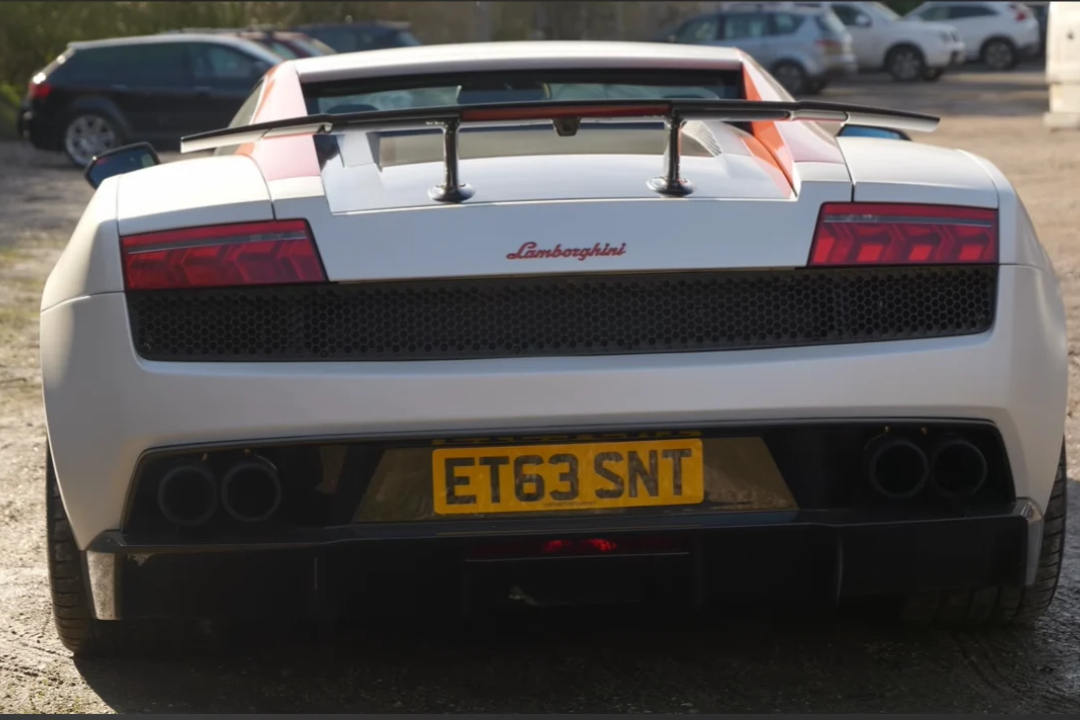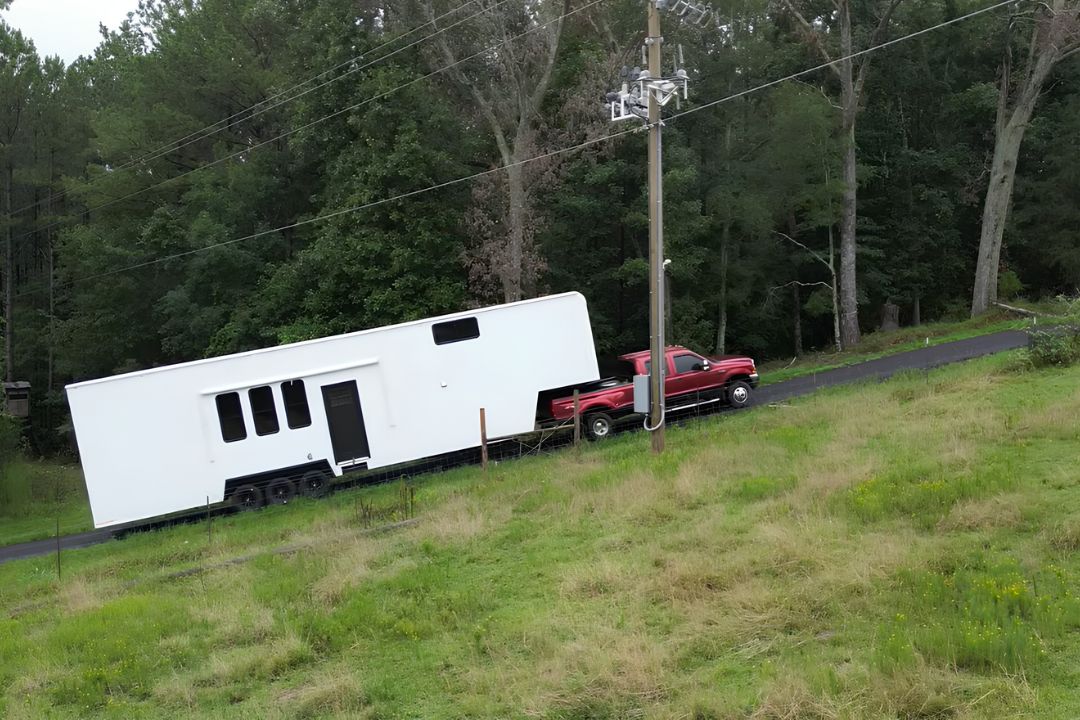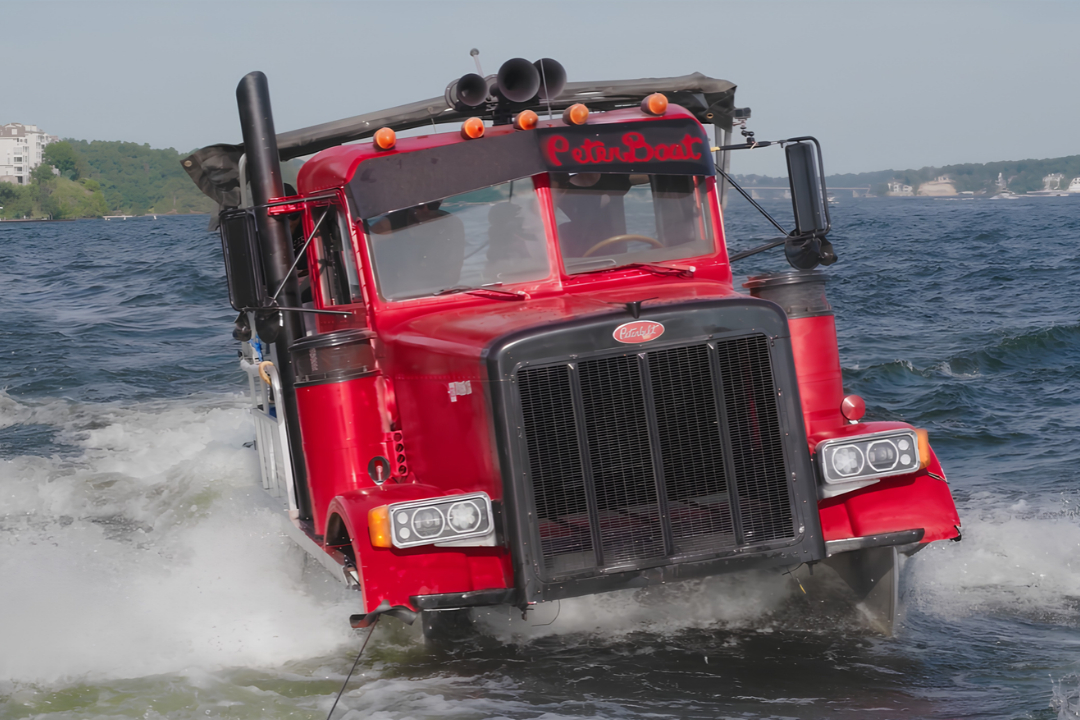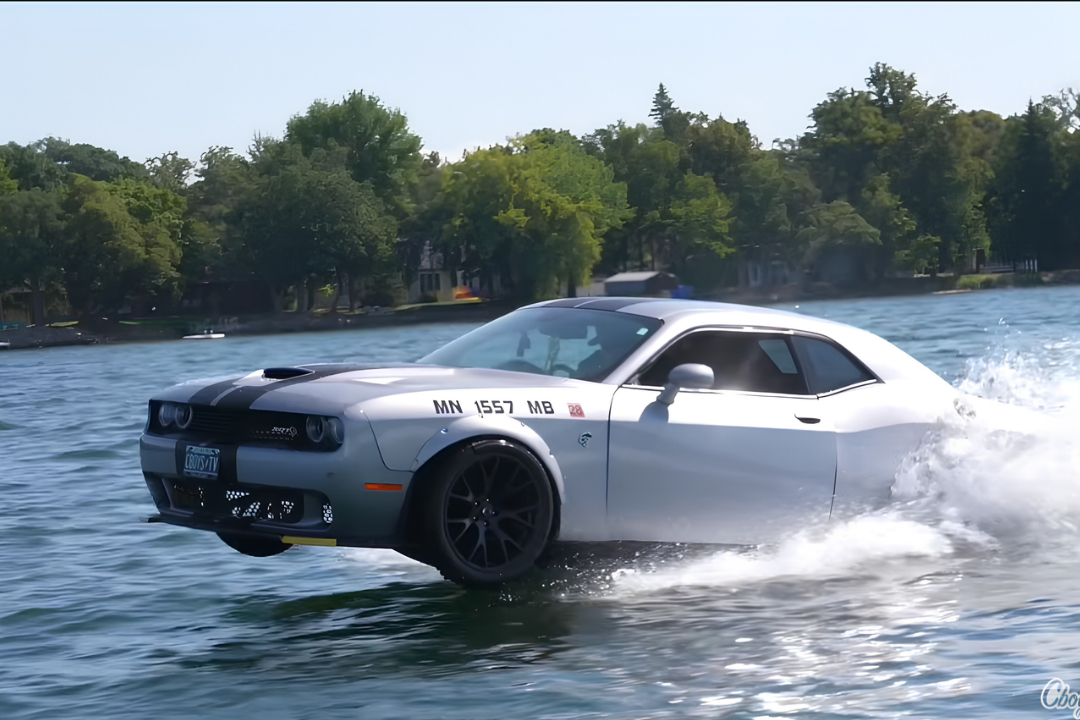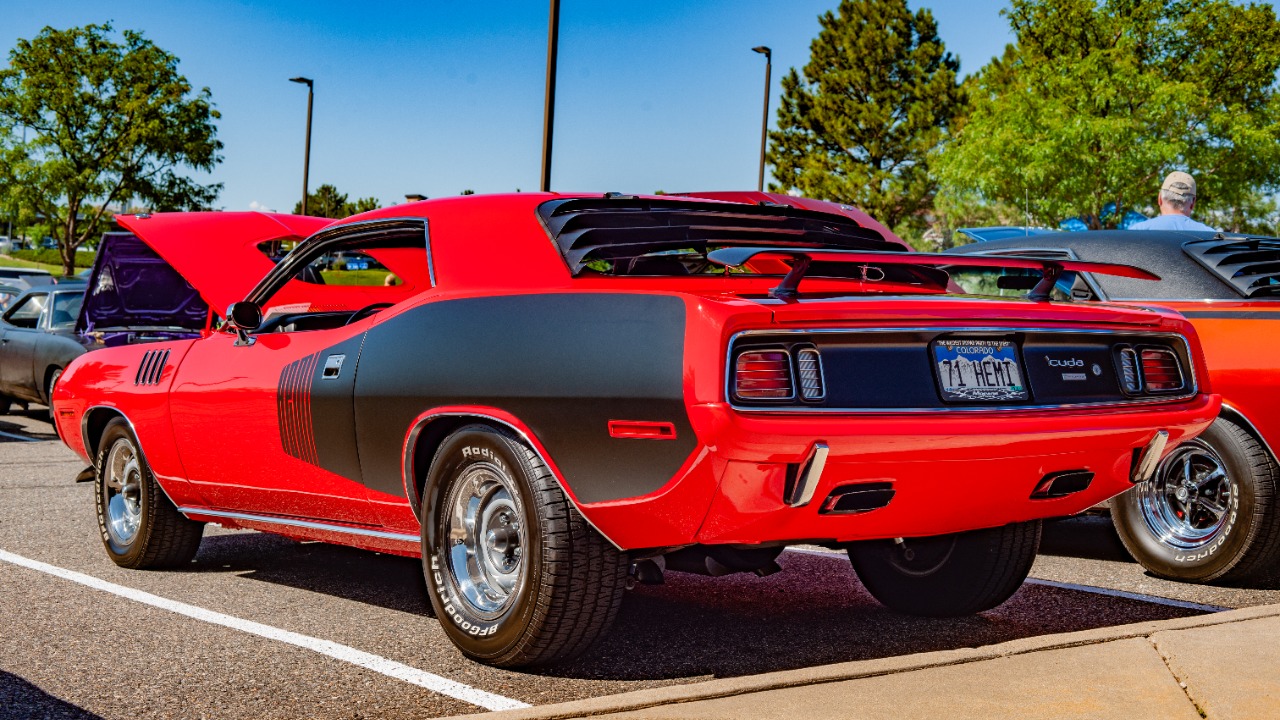
It started the way a lot of surprising car stories do: with a low-key listing, a few grainy photos, and a comment thread that went from “neat” to “wait… is that real?” in about ten minutes. The vehicle looked familiar at first glance, like something you’d have seen in a brochure years ago. Then the details began stacking up—parts that were never supposed to exist together, factory-style brackets where there should’ve been aftermarket improvisation, and a spec sheet that didn’t match any known trim.
By the time it rolled into public view, it wasn’t just a quirky one-off anymore. It was a rare build that suggested certain manufacturers didn’t merely “choose” a conservative path—they may have actively kept the most interesting version of their own product out of the spotlight. And once you notice that, it’s hard not to wonder what else got quietly shelved.
A car that shouldn’t have been possible (but clearly was)
The strange thing about this build wasn’t that it was modified. Plenty of enthusiasts build wild combos every weekend. What made people lean in was how “factory-correct” it looked, right down to wiring looms, mounting points, and calibration stickers that usually don’t survive outside an OEM workflow.
Under the hood sat an engine-transmission pairing that never appeared in any official catalog for that model. The interior had a mix of controls that normally belong to different trims, yet the layout looked cohesive, not cobbled together. Even the chassis components—brakes, subframe bits, cooling hardware—were the kind of upgrades manufacturers typically reserve for a halo version.
The paper trail didn’t line up with the marketing
Once the VIN and build codes started circulating among enthusiasts and parts specialists, the story got even weirder. The configuration didn’t match public ordering guides, and it didn’t neatly map to a press fleet or an obvious development mule. It looked like a legitimate production-adjacent build that somehow escaped the usual narrative.
That’s when the speculation shifted from “cool unicorn” to “evidence.” Because if this hardware was validated enough to be assembled with OEM-level fit and finish, it likely wasn’t a random experiment. It suggested there was, at some point, a real internal plan for a more capable version—and that plan was either toned down or never announced.
The quiet gap between what could be sold and what was sold
Manufacturers love to talk about “product strategy,” but this rare build highlights the unspoken part: sometimes the best version of a vehicle is the one they decide not to release. Not because it can’t be made, but because it complicates pricing, overlaps another model, or risks making the standard trims look like a bad deal. If you’ve ever wondered why a certain engine never got paired with a certain drivetrain even though it “should’ve,” this is that question with fingerprints on it.
The build also hints at a deeper truth about modern lineups. Many vehicles share platforms and components across brands and segments, which makes it easier than ever to create a higher-performance variant. And yet, those variants often arrive late, underpowered, or trimmed down—just enough to sell excitement, not enough to disrupt the hierarchy.
Why would a manufacturer hold back?
It’s tempting to imagine a smoky back room where someone twirls a mustache and cancels fun for sport. Reality’s usually more boring—and more frustrating. A more powerful trim can trigger extra certification costs, emissions complications, noise requirements, or durability testing that balloons budgets and timelines.
Then there’s internal competition. If a mainstream model gets too good, it can steal sales from a premium sibling or a larger vehicle with better margins. Even within a single brand, teams protect their territory, and product planners don’t love a surprise hero that makes their carefully tiered lineup look silly.
The engineering clues that gave it away
The biggest tell wasn’t just the powertrain. It was all the supporting hardware that normally gets overlooked in casual photos. Larger cooling capacity, stronger driveline components, and suspension geometry that suggests higher intended loads—those aren’t the kinds of things someone casually bolts on without a lot of trial and error.
Even more convincing was the way the software appeared to match the hardware. Modern vehicles live and die by calibration, and a mismatched ECU or stability system quickly turns a “swap” into a headache. This build behaved like it belonged together, which implies the integration work had already been done somewhere that had access to the full toolchain.
Enthusiasts noticed, and the questions got louder
Once the story spread, the reaction wasn’t outrage so much as a collective raised eyebrow. People weren’t just impressed—they felt slightly teased. Because it’s one thing to learn that a dream spec never existed, and another to find out it basically did exist, just not for everyone.
Forums and social feeds lit up with side-by-side comparisons: the released model’s modest cooling package versus this build’s beefier setup, the published torque limits versus what the hardware clearly could handle. The tone was half curiosity, half detective work, and half “so you’re telling me they could’ve done it the whole time?” (Yes, that’s three halves. The math is emotional.)
What this means for buyers right now
If you’re shopping today, the lesson isn’t “manufacturers are lying.” It’s more nuanced: marketing often tells a simplified story, and product decisions don’t always reflect engineering limits. Sometimes what you want is mechanically feasible, but strategically inconvenient.
This rare build also changes how people read trim walks and future announcements. When a brand says, “We’re listening” and launches a hotter version years later, it might not be a sudden breakthrough. It might be a delayed release of something that was already within reach—timed for the market, the regulations, and the lineup math.
The bigger ripple: a peek behind the curtain
Every now and then, a vehicle appears that acts like an X-ray of the industry. This one didn’t just show an unusual configuration; it revealed how flexible modern platforms really are. And it reminded everyone that “we can’t” sometimes means “we won’t, at least not yet.”
Will manufacturers change course because of one rare build surfacing? Probably not overnight. But it does make the public conversation sharper, and it gives enthusiasts a concrete example when they ask why certain obvious combinations never made it to the order sheet. Sometimes the real story isn’t missing—it’s parked quietly in the corner, waiting for someone to notice the badges don’t match the bones.
More from Fast Lane Only