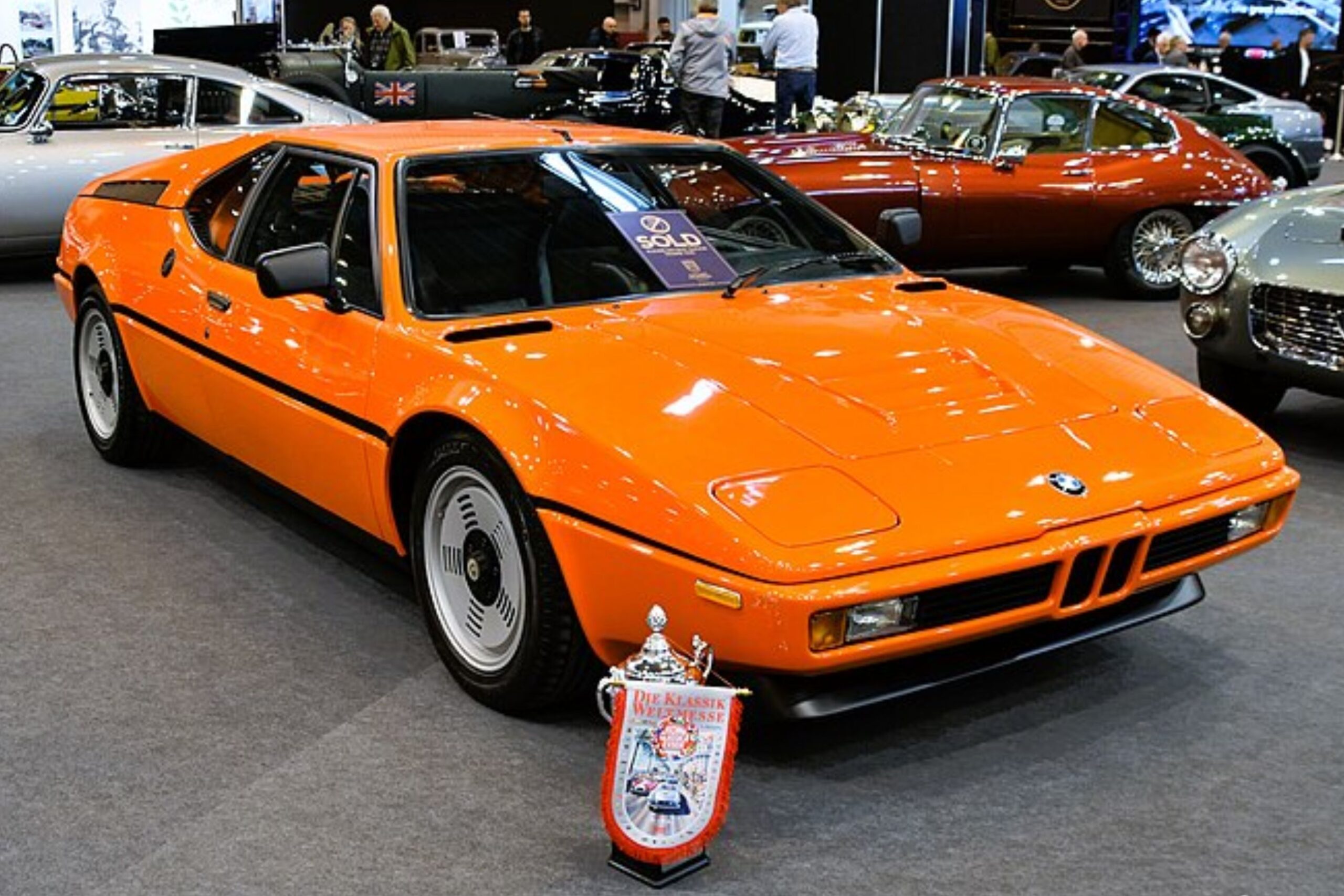
Every era has its loud heroes—the ones with posters, magazine covers, and a fan club that never sleeps. But every now and then, something slips through with almost zero fuss, then casually embarrasses the headliners. This is one of those stories: a rare factory build that wasn’t supposed to be a legend, yet ended up running with the quickest machines of its time.
It didn’t arrive with fireworks or a stadium tour. It showed up like a rumor—something you only heard about from the person who “knows a person,” or from a grainy photo tucked in the back pages of a magazine. And then the numbers started leaking out, and people had to recalibrate what “fast” meant.
A factory car that felt like a private club
Part of what made this build so easy to miss is that it wasn’t meant for everybody. It was factory-backed, yes, but it came out in tiny numbers—more like a carefully measured batch than a normal production run. If you didn’t follow the right channels, know the right options list, or get lucky with timing, it might as well not have existed.
That scarcity gave it a weird split personality. On paper it was just another model variant, one more line in a brochure. In the real world it felt like a handshake agreement between the manufacturer and a handful of people who wanted something sharper, stronger, and a little mischievous.
The trick: factory parts, race-car thinking
This wasn’t a “sticker package” pretending to be serious. The magic was that it mixed factory reliability with race-bred logic: reduce weak points, feed it more air and fuel, keep temperatures in check, and make sure the drivetrain doesn’t turn into metal confetti when the fun starts. The result was a car that could be driven daily, then show up at a track day and act like it had something to prove.
It usually starts with airflow—better breathing on the intake side and less restriction on the way out. Then comes stronger fueling and smarter engine management, the quiet brains behind the brawn. Add upgraded cooling and a tougher clutch or transmission pieces, and suddenly you’ve got a factory car that behaves like it’s already been “built,” without the owner spending weekends chasing vacuum leaks.
Why it didn’t shout about its power
Here’s the funny part: even when manufacturers make something spicy, they don’t always advertise the full story. Sometimes it’s politics—don’t overshadow a flagship model. Sometimes it’s insurance and emissions realities. Sometimes it’s simply that “official” power ratings are conservative because the company prefers fewer warranty claims and fewer angry phone calls.
So the build’s reputation grew the old-fashioned way: by running numbers. People started noticing it was trapping faster than expected, pulling harder than the badge suggested, and hanging onto higher-speed runs like it had an extra gear no one else got. The car wasn’t just quick; it was suspiciously quick.
Performance that didn’t need excuses
When it was new, the performance world was full of asterisks. Some cars were fast only with perfect conditions, perfect drivers, and a perfect tailwind. Others had big horsepower but struggled to put it down, so their real-world pace didn’t match the bench-racing hype.
This factory build stood out because it didn’t need a lot of storytelling. It accelerated hard, kept pulling up top, and didn’t fall apart when pushed. The kind of car that makes passengers do that involuntary laugh—half joy, half “wait, is this stock?”
The “fastest of its time” part wasn’t marketing, it was math
Calling something “one of the fastest” can sound like clickbait, but this is where the receipts matter. In period testing—whether it was independent magazines, track comparisons, or unofficial straight-line runs—this thing consistently landed in the same neighborhood as cars that cost more and bragged louder. Sometimes it even slipped ahead, which is the automotive version of showing up to a fancy party in thrifted clothes and somehow stealing the show.
It also benefited from being balanced. Power is great, but usable power is the cheat code. With the right gearing, traction, and cooling to repeat runs, it could deliver speed more than once, not just as a one-hit wonder.
Why rarity mattered more than anyone expected
Limited production didn’t just make it special; it made it hard to benchmark. If only a few exist in any given area, fewer people get seat time. Fewer people race them. Fewer tuners use them as a baseline. And fewer stories get told, so the legend grows slowly, like a song that takes years to become a classic.
That same rarity also meant many were owned by people who understood what they had. They were often kept stock, kept clean, and kept out of the spotlight. Not because they were fragile—more because the owners knew the best trick is having a fast car that nobody expects to be fast.
The driving feel: quick, calm, and a little sneaky
Plenty of fast cars feel like they’re always yelling. This one was different. It could be quiet when it needed to be, then instantly sharp when asked—like it had manners until you tapped the throttle with the wrong attitude.
That dual personality is what made it so lovable. It didn’t require constant attention or constant drama. You could commute in it without feeling like you were piloting a science project, and then, on an open stretch of road, it would remind you why the engineers stayed late to make it happen.
The legacy: a blueprint for modern “halo sleepers”
Today, the idea of a stealthy high-performance factory variant is more common—special editions, track packs, and limited-run monsters are basically a genre. But back then, this build helped define the template: keep it factory, make it durable, make it quick in the real world, and don’t necessarily tell everyone exactly what you did.
It also taught enthusiasts a lesson that still holds up: the badge doesn’t always tell the full story. Sometimes the quickest cars are the ones that look almost normal, sound almost normal, and then leave very abnormal gaps in traffic.
Why people are noticing it again now
As prices climb for the obvious legends, attention naturally shifts to the overlooked greats. And this one checks all the boxes: rare, fast, historically interesting, and tied to a moment when manufacturers were experimenting with how far they could go without making a big fuss about it. Nostalgia helps, sure, but the performance still holds up in a way that surprises people.
And maybe that’s the best part. It’s not just a collectible; it’s a reminder that some of the best engineering happens quietly. The kind that doesn’t need a speech—just a long straightaway and a driver who’s willing to find out.
More from Fast Lane Only