The allure of three-row SUVs lies in their ability to comfortably accommodate families, offer ample cargo space, and deliver a commanding road presence. However, purchasing such a vehicle involves more than just assessing its immediate features; understanding its reliability and long-term ownership costs is crucial. Potential buyers must consider various factors to ensure a wise investment.
Understanding Three-Row SUV Reliability
Factors Influencing Reliability
When evaluating the reliability of a three-row SUV, design and engineering quality play a pivotal role. Manufacturers like Toyota have built a reputation for reliability, with models such as the 2022 Toyota Highlander often praised for their robust engineering. Historical data from sources like J.D. Power and Consumer Reports can provide insights into how these vehicles perform over time.
Brand reputation also significantly impacts an SUV’s perceived reliability. For instance, Honda’s long-standing reputation for durability is evident in the 2023 Honda Pilot, which continues to garner positive reviews for its dependability. Buyers are encouraged to delve into brand histories and customer feedback to gauge reliability accurately.
Common Reliability Issues
Despite advancements in automotive technology, three-row SUVs are not immune to common reliability issues. Transmission problems are frequently reported, particularly in models like the 2021 Ford Explorer, which has had notable recalls and consumer complaints regarding its transmission system. Potential buyers should research past recalls and owner reports to identify prevalent issues.
Electrical system failures are another common concern, with models such as the 2020 Chevrolet Traverse experiencing issues in this area. These problems can lead to costly repairs and inconvenience, underscoring the importance of thorough research and pre-purchase inspections.
Evaluating Long-Term Ownership Costs
Depreciation Rates
Depreciation is a significant factor in long-term ownership costs, as it affects the vehicle’s overall value. For example, the 2022 Nissan Pathfinder experiences moderate depreciation, maintaining a reasonable resale value compared to some competitors. Understanding how different models depreciate over time can assist buyers in making financially sound decisions.
Comparing depreciation rates among popular models can be revealing. The 2024 Kia Telluride, for instance, tends to hold its value well due to its high demand and positive reviews. Prospective buyers should analyze market data to gauge how specific models have appreciated or depreciated over the years.
Maintenance and Repair Costs
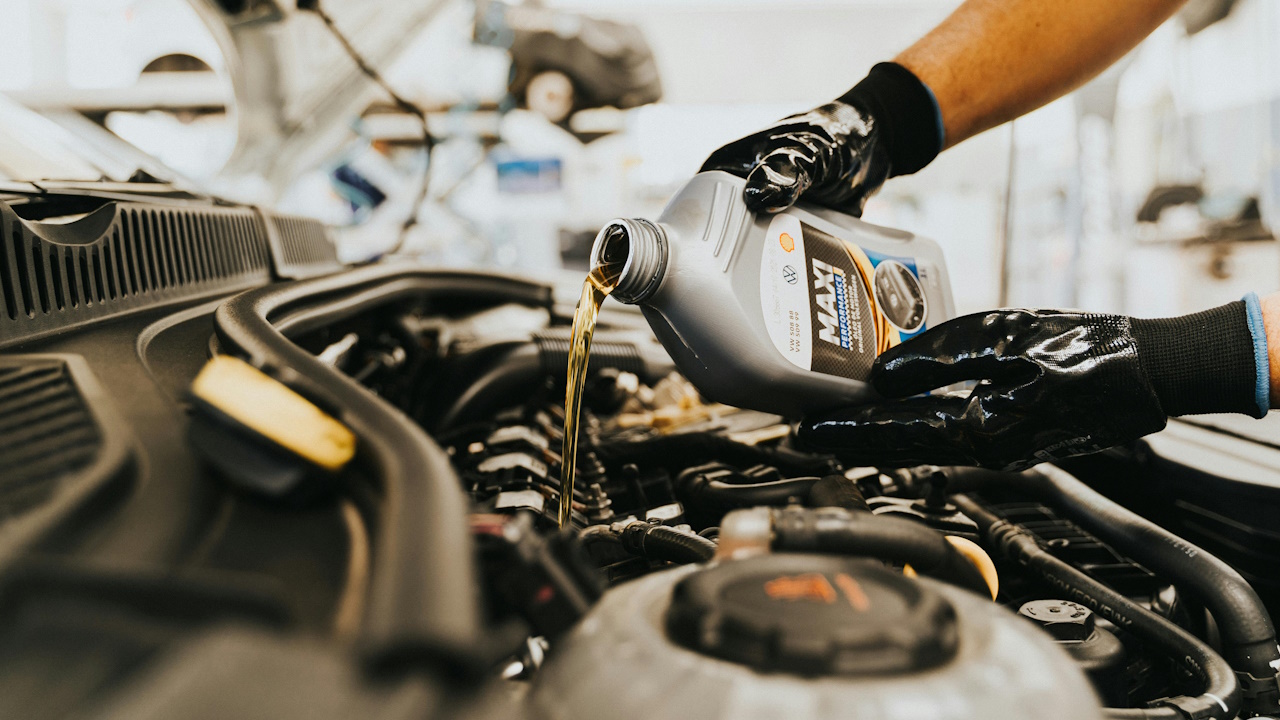
Regular maintenance is crucial for the longevity of any vehicle, and three-row SUVs typically require routine services such as oil changes, tire rotations, and brake inspections. The 2025 Subaru Ascent is known for its reasonable maintenance costs, making it an attractive option for budget-conscious consumers.
However, repair costs can vary significantly across models. The 2020 Volkswagen Atlas, for example, may incur higher repair costs due to its complex European engineering. Understanding the frequency and cost of common repairs can help buyers plan their budgets more effectively.
Fuel Efficiency and Its Impact on Costs
Comparative Fuel Economy
Fuel efficiency is a critical consideration for three-row SUVs, as these vehicles are typically less fuel-efficient than smaller cars. The 2023 Hyundai Palisade offers competitive fuel economy ratings, making it an appealing choice for those who prioritize efficiency. Comparing fuel efficiency ratings across models can help identify the most cost-effective options.
Driving habits and conditions also impact fuel economy. The 2026 Mazda CX-9, while efficient under ideal conditions, may see reduced mileage in urban settings. Buyers should consider their typical driving environment and habits when evaluating potential SUVs.
Fuel Costs Over Time
Projected fuel expenses can significantly affect the overall cost of ownership. Based on average usage, the 2024 Chevrolet Tahoe can incur substantial fuel costs, particularly for drivers with long commutes or frequent road trips. Prospective owners should calculate expected fuel expenses to determine the true cost of ownership.
Strategies to optimize fuel consumption, such as maintaining proper tire pressure and adhering to recommended maintenance schedules, can help reduce fuel costs. Additionally, choosing models with hybrid options, like the 2025 Toyota Sienna, can offer long-term savings on fuel.
Warranty and After-Sales Service
Manufacturer Warranties
Manufacturer warranties provide peace of mind by covering certain repairs and services. The 2026 Ford Expedition, for example, offers a comprehensive standard warranty that covers various components, ensuring buyers are protected against unexpected issues. Understanding warranty coverage specifics is essential for assessing potential long-term costs.
Extended warranties can offer additional protection, covering vehicles beyond the standard warranty period. The benefits of extended warranties vary, but they can be particularly advantageous for models with higher repair costs, such as the 2020 GMC Acadia.
After-Sales Support
The availability and quality of after-sales service can greatly influence ownership satisfaction. Manufacturers like Honda, with its 2024 Honda Pilot, are known for extensive service networks and high customer satisfaction ratings. Access to reliable service centers ensures timely repairs and maintenance.
Customer satisfaction with manufacturer support is another crucial consideration. The 2022 Mitsubishi Outlander has received mixed reviews regarding after-sales service, highlighting the importance of researching customer feedback and service reputation before making a purchase decision.

Resale Value and Market Trends
Predicting Resale Value
Resale value is influenced by several factors, including brand reputation, model popularity, and overall vehicle condition. The 2021 Toyota Sequoia, known for its durability, tends to retain a higher resale value compared to less reliable models. Buyers should consider these factors to ensure a good return on investment.
Current market trends also play a role in determining resale value. With the increasing popularity of SUVs, models like the 2023 Kia Sorento have seen strong demand in the used car market. Keeping abreast of market trends can help buyers anticipate future resale values.
Market Demand and Supply
The popularity of three-row SUVs in the used car market can impact pricing and availability. The 2025 Hyundai Santa Fe, for instance, has experienced high demand, leading to stable resale prices. Buyers should consider market demand when evaluating potential purchases.
Supply and demand dynamics affect pricing, as a high supply of a particular model can lead to lower prices. Conversely, limited availability, as seen with the 2024 Subaru Outback, can drive prices up. Understanding these dynamics can help buyers make informed purchasing decisions.