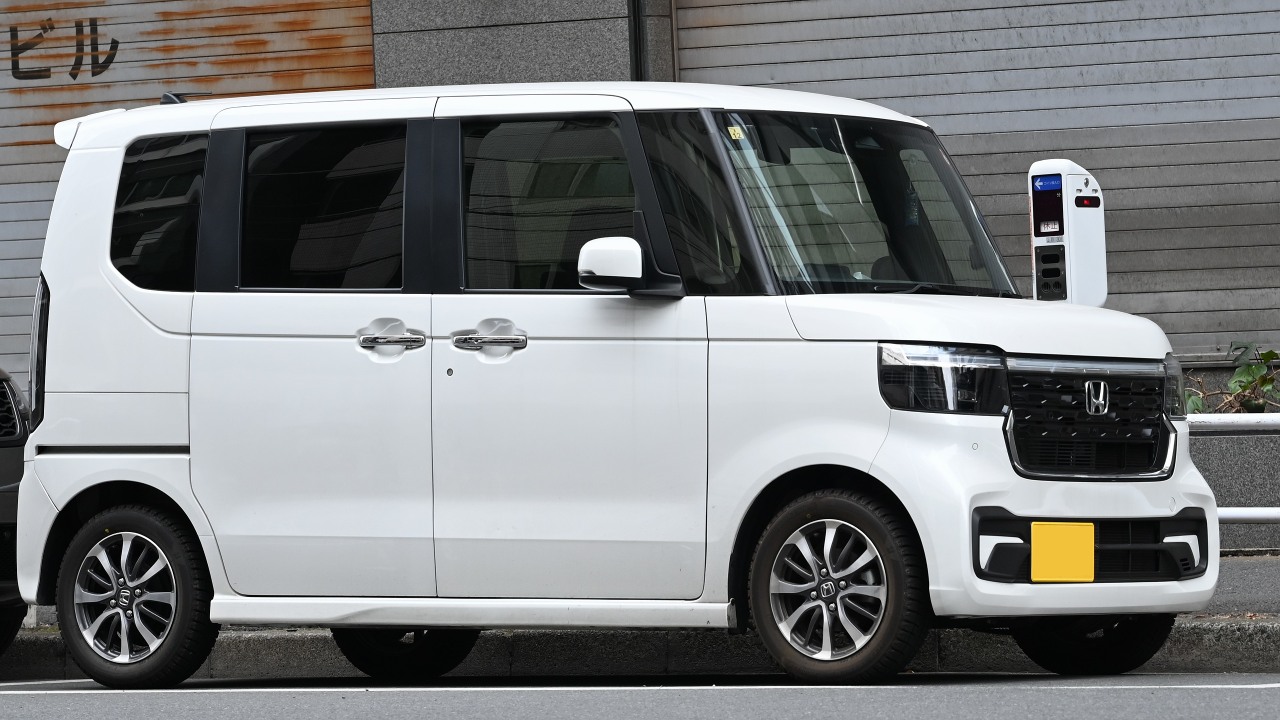
President Donald Trump has abruptly thrust Japan’s tiny kei cars into the center of American auto policy, pairing a rollback of fuel economy rules with a promise to open the door for these pint‑sized imports. His comments hint at a rare federal push to make ultra‑small, ultra‑efficient city cars a mainstream option in a market dominated by full‑size pickups and SUVs. If the administration follows through, it could reshape what Americans see on dealer lots and in crowded downtown streets.
Trump’s enthusiasm for kei cars, sparked by recent trips to Asia, collides with long‑standing regulatory and cultural barriers that have kept these vehicles on the fringes of U.S. car culture. I see a policy experiment taking shape: loosen national efficiency standards while simultaneously inviting some of the world’s smallest production cars into the mix, betting that consumer curiosity and lower prices can do what mandates have struggled to achieve.
Trump’s unexpected kei car pivot
Trump used an event on federal fuel economy rules to signal that he wants kei cars to have a formal path into the U.S. market, treating their current absence as a policy mistake rather than a niche quirk. In his remarks, he described the long‑standing ban on selling new kei‑class vehicles in the United States as “silly,” framing the change as a way to give drivers more choice rather than as a green initiative. Reporting on the announcement notes that President Trump folded this surprise into a broader proclamation on fuel economy regulations, turning what might have been a dry rulemaking update into a preview of a very different kind of American city car.
Speaking to reporters at the same event, Trump speculated that tiny urban runabouts could be a hit in dense neighborhoods and college towns if regulators clear a path for them. He has reportedly told aides that he “fell for” these cars during travel in Asia, where kei models are a common sight in crowded cities and rural villages alike, and now wants Americans to be able to buy them new. One account of his comments describes him calling the vehicles “really cute,” a rare instance of a president leaning on aesthetics and charm as justification for a regulatory shift.
From East Asia fascination to U.S. policy order
Trump’s pivot did not come out of nowhere. He has said he drew inspiration from recent visits to East Asia, where he was struck by how effectively kei cars navigate tight streets and limited parking. In that context, his directive to start producing smaller cars in the United States reads less like a technocratic fuel policy and more like an attempt to import a specific slice of Asian urban life. One detailed account notes that Trump wants Asia’s pint‑sized kei cars to be made and sold in the U.S., explicitly tying his order to what he saw on those trips.
That personal fascination has now been translated into a formal instruction to the Department of Transportation to legalize Asian‑style kei vehicles for American roads. According to reporting on the new order, the rule changes are meant to let companies such as Toyota Motor Corp and other carmakers build kei‑class models in the United States and sell them domestically, while also easing the way for U.S.‑assembled cars to enter markets in Asia. In other words, Trump’s affection for “cute” microcars is being woven into a broader trade and industrial strategy that links American factories, Japanese design, and Asian demand.
Fuel economy rollback collides with tiny car push
The kei car push is landing at the same moment Trump is cutting federal fuel economy targets, creating a policy mix that looks contradictory at first glance. New plans from the National Highway Traffic Safety Administration would reduce future fuel economy requirements, softening standards that had already been tightened during the first Trump administration. One analysis of the proposal highlights that instead of pushing toward 50 miles per gallon, the new target would be closer to 35, a shift that clearly benefits larger, less efficient vehicles.
Yet at the very announcement of those weaker standards, Trump was also talking up kei cars and other tiny Japanese‑style models as part of America’s automotive future. Coverage of the event describes his car policy as “chaotic,” noting that he is simultaneously making it easier for automakers to keep selling big trucks while inviting them to experiment with some of the smallest road‑legal vehicles on the planet. In practice, that means manufacturers could meet looser efficiency rules with their existing lineups, then treat kei‑inspired models as an optional side bet rather than a regulatory necessity.
How kei cars fit into America’s SUV‑obsessed market
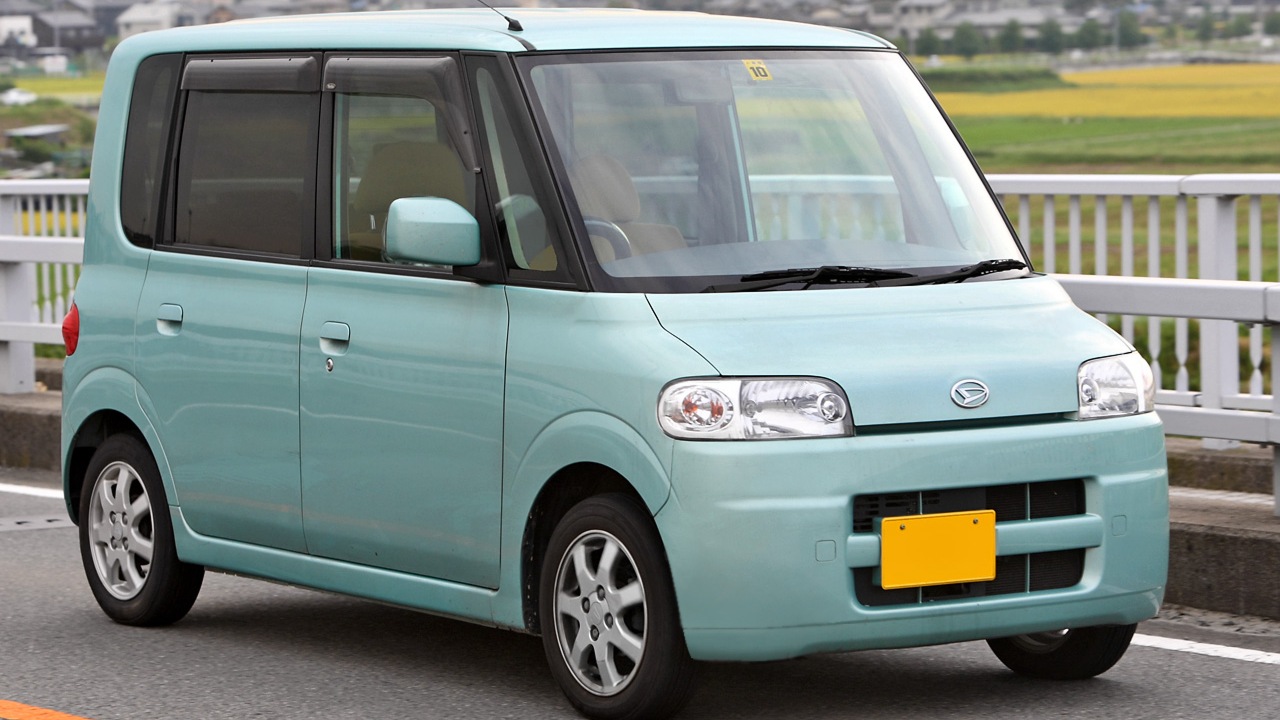
For decades, Americans have gravitated toward huge SUVs and trucks, a preference that has shaped both federal rules and state‑level policies. Reporting on the new kei initiative points out that regulators have often been reluctant to encourage very small cars, in part because of safety concerns and in part because the market has rewarded size and power. Trump is now arguing that this bias has gone too far, suggesting that small machines could be sold at more affordable prices if the rules allowed them to be built and marketed here.
That argument taps into a growing subculture of enthusiasts who already import used kei cars under the 25‑year rule. Current U.S. laws allow any car 25 years and older to be brought in with relatively few hurdles, a framework that has quietly filled some American garages with right‑hand‑drive Japanese microvans and trucks. Guides on kei imports emphasize that these older vehicles can generally be registered and driven without major trouble, but they remain a niche curiosity rather than a mass‑market option. Trump’s order aims to move kei cars from that gray‑market corner into mainstream showrooms, where they would compete directly with compact crossovers and subcompact hatchbacks.
Industry response and Toyota’s strategic opening
Automakers appear to see opportunity in Trump’s sudden enthusiasm for kei‑class vehicles, especially companies with deep roots in Asia. Reporting on the administration’s latest order notes that Duffy, a key trade official, has said the rule changes will allow Toyota Motor Corp and other carmakers to build kei‑style models in the United States. In parallel, Toyota has confirmed plans for up to a 10 billion dollar investment in U.S. operations, a figure that underscores how seriously the company is taking the prospect of new small‑car production on American soil.
Industry analysts are already sketching out what that might look like in practice. One overview of potential models suggests that five affordable Japanese microcars could arrive in the U.S. within about three years, assuming they clear safety testing and win state‑level approvals. Those vehicles would land in a market where the average new car price hovers around 48,000 dollars, so even modestly priced kei‑derived models could undercut mainstream offerings by a wide margin. If Toyota and its rivals can adapt their Asian designs to U.S. crash and emissions rules without losing the charm and low running costs that define kei cars, they may find a ready audience among urban drivers and budget‑conscious buyers.
Regulatory hurdles, safety questions, and what comes next
Even with a presidential push, kei cars face a thicket of regulatory and political challenges before they can become a common sight on American roads. Federal safety standards, including crashworthiness and airbag requirements, were written with larger vehicles in mind, and adapting tiny city cars to those rules is not trivial. Analysts note that the National Highway Traffic Safety Administration will have to translate Trump’s directive into detailed regulations, a process that could take years and invite legal challenges from consumer advocates or rival industries that benefit from the status quo.
State governments will also play a decisive role, since many of them control how vehicles are registered, where they can be driven, and how they are taxed. The same reporting that sketches out a three‑year timeline for new kei‑style models stresses that state‑level approvals are a critical gating factor, not a formality. Some states have already restricted the use of imported mini trucks and microvans on highways, citing safety concerns, and they could take a similarly cautious approach to newly built kei cars. Until those questions are resolved, Trump’s vision of “really cute” Japanese‑inspired city cars zipping through American downtowns remains a work in progress, ambitious in scope but unverified based on available sources when it comes to final on‑the‑ground outcomes.