Ford is quietly sketching the outline of something it has not sold in the United States for years: an attainable, enthusiast-focused sedan that runs on electrons instead of gasoline. Hints from Ford CEO Jim Farley, combined with the company’s broader low-cost EV strategy, suggest that an affordable electric performance four-door is moving from daydream to serious internal discussion.
If Ford follows through, the result would not just be another battery-powered model, but a statement about where performance and practicality meet in the EV era, and about how much the brand is willing to bet on drivers who still care about how a car feels in a corner.
Farley’s sedan tease and what it really signals

Jim Farley has started to talk about sedans again, and he is doing it in a way that sounds less like nostalgia and more like product planning. In a conversation with automotive influencer Forrest Jones, the Ford CEO described his interest in a rear-drive performance four-door that would be electric and relatively attainable, framing it as a modern answer to the kind of cars enthusiasts used to buy from the brand. That interview, shared by Forrest Jones, underscored that Farley is not only thinking about trucks and SUVs, but also about a lower, lighter shape that could appeal to drivers who miss the way traditional sedans drive.
Farley has gone further on social channels, where he has openly asked followers whether they would buy an affordable high performance rear-wheel-drive sedan and made clear that he is “thinking about a sedan” as part of Ford’s skunkworks EV effort. In those comments, captured in coverage of his outreach, he tied the idea to a car that would be fun to drive, relatively low cost, and shaped like a sedan rather than a crossover, even as he acknowledged that Sedans have become scarce in the United States market. The way he framed the question, as Ford CEO Jim Farley Asks If You Want An Affordable High Performance RWD Sedan, sounded less like idle curiosity and more like early-stage market research for a project that already has internal champions.
A rear-drive electric performance four-door, not a retro sedan
The sedan Farley is hinting at is not a simple reboot of a past nameplate, but a different kind of EV than the tall crossovers that dominate today’s lineups. In his discussion with Forrest Jones, Farley described a rear-drive performance sedan that would prioritize driving dynamics, with a low center of gravity and a chassis tuned for engagement rather than sheer straight-line speed. Reporting on that interview notes that he contrasted this idea with the current wave of heavy, high-riding electric SUVs, positioning the sedan as a lighter, more agile alternative that could still carry a family and their gear.
Other coverage of Farley’s comments reinforces that the car he has in mind would be electric from the outset and aimed at enthusiasts who want something more playful than a typical commuter EV. One report describes how the Ford CEO wants to build a rear-drive performance sedan again and places that ambition squarely in the Home ELECTRIC context, highlighting that he sees room for a battery-powered four-door that feels closer to a classic sports sedan than to a lifted utility vehicle. Another analysis notes that a High performance model could ride on a new EV platform that Ford is already developing, which would give engineers the flexibility to package motors and batteries in a way that favors balance and rear-drive character rather than simply maximizing range.
How an affordable EV sedan fits Ford’s low-cost strategy
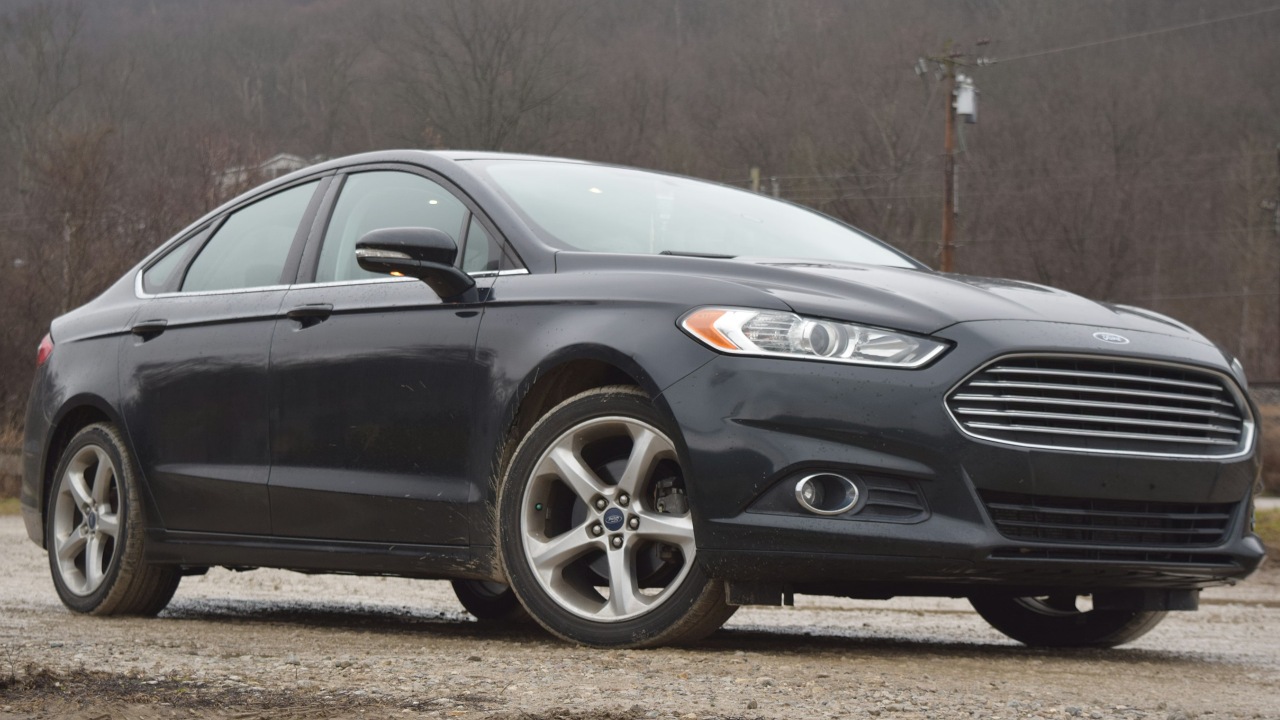
Farley’s sedan talk only makes sense when viewed alongside Ford’s broader push into lower cost electric vehicles. The company has already outlined a New EV Platform that is designed to underpin a range of affordable models, part of what it has described as Ford’s 5 billion dollar Bet on America, Innovation Meets Efficiency in New EV Platform and midsize truck production. That initiative is focused on cutting complexity out of the manufacturing process, shrinking vehicle footprints, and using a common architecture to support multiple body styles, all in service of getting EV prices down without sacrificing quality.
Ford has also been explicit about its price targets. Farley has said that the company would “bet the company” on its skunk works EV team and that this group is shooting for a 30,000 dollar electric vehicle, a figure that would put a compact or midsize sedan squarely in reach of buyers who currently shop mainstream gasoline models. In that same context, he framed the effort as a response to what he sees as an American love of monster cars, arguing that the future has to include smaller, more affordable EVs. When I connect those dots with his public question about an affordable high performance rear-drive sedan, the sedan starts to look like a natural halo for that low-cost platform, a car that proves a budget-friendly EV does not have to be dull.
Lessons from Ford’s compact EV truck and low-cost pickup
Ford’s work on smaller electric trucks offers a preview of how it might execute a budget performance sedan. The company has already revealed more details about a compact affordable EV truck that is expected to start around 30,000 dollars, with the ability to function as a mobile generator that can power a house for up to 6 days. Early information about that truck emphasizes that it will have significantly lower energy consumption than larger EV pickups, a result of its smaller size and more efficient packaging. Those same principles, applied to a low, slippery sedan body, could yield a car that delivers strong performance without requiring an enormous battery.
At the same time, Ford is moving a Low Cost Electric Pickup Enters Testing Phase Ahead of a 2027 Launch, with Farley telling investors that vehicles based on the new platform are already in testing. That timeline matters for the sedan conversation, because it shows that the underlying technology for a cheaper EV is not theoretical. If Ford can validate the platform in a compact truck and a low cost pickup, it can reuse much of that hardware for a rear-drive sedan, adjusting wheelbase, suspension tuning, and motor output to suit a performance brief. The fact that the compact truck is being engineered with features like bidirectional power and a focus on efficiency suggests that Ford is thinking about value in a holistic way, something that would be just as attractive to sedan buyers who want both fun and practicality.
Why a performance sedan could be Ford’s EV differentiator
In a market crowded with electric crossovers, a rear-drive performance sedan could give Ford a distinct identity and tap into a pocket of demand that other automakers have largely abandoned. Sedans have become scarce, particularly from American brands, yet Farley’s decision to ask directly whether customers want an affordable high performance rear-wheel-drive sedan indicates that he believes there is still a meaningful audience for a low, sporty four-door. Coverage of his outreach notes that he framed the sedan shape as a logical fit for the skunkworks EV project, precisely because it allows engineers to keep weight down and aerodynamics efficient while still offering usable space.
There is also a brand story at stake. Reports on Farley’s comments to Forrest Jones and other outlets point out that he has a personal history with performance cars and that he sees a rear-drive sedan as a way to reconnect Ford with drivers who care about steering feel and chassis balance. When I look at the company’s 5 billion dollar Bet on America and its focus on a New EV Platform, I see a strategy that pairs cost discipline with a desire to build products that enthusiasts can get excited about. A relatively affordable electric performance sedan would sit at the intersection of those goals, using the same cost-optimized hardware as Ford’s compact truck and Low Cost Electric Pickup Enters Testing Phase Ahead of Launch, but tuned to deliver the kind of driving experience that keeps people talking about the brand.