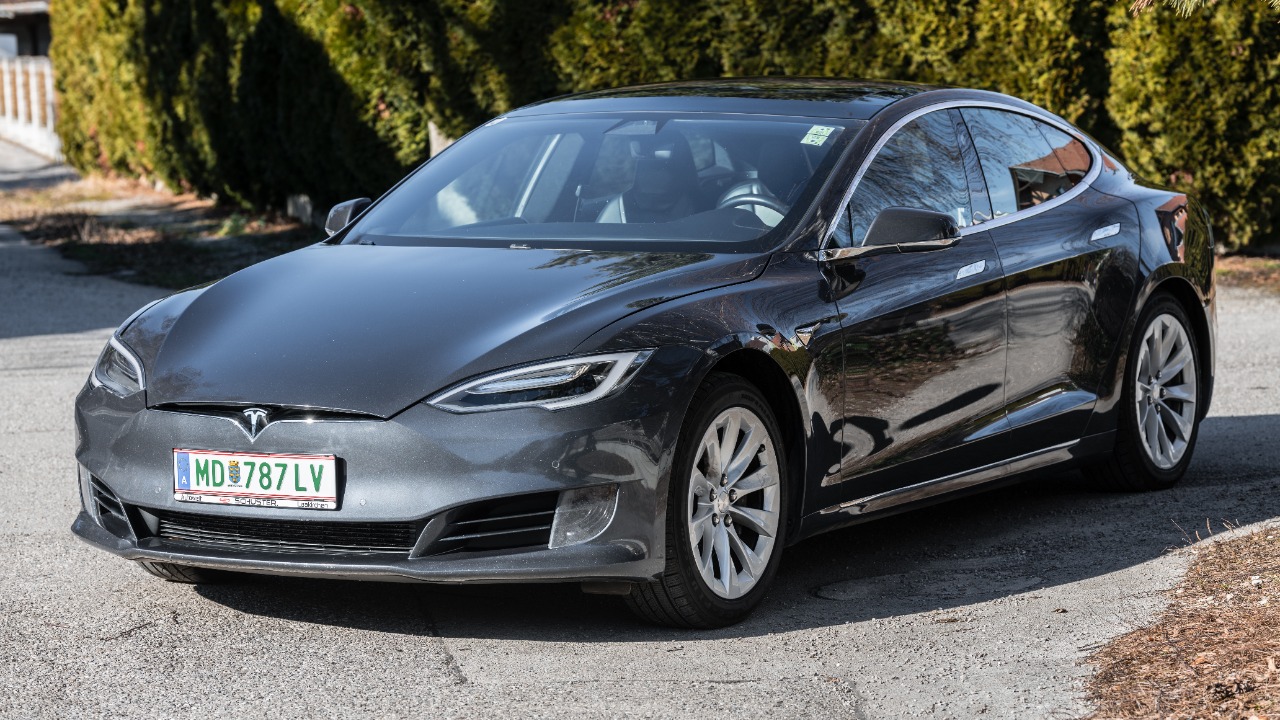
Used Tesla values are moving in the opposite direction from much of the electric market, and you feel that split every time you scan listings. While rival EVs slide in price, you now face a strange reality: your older Model 3 or Model Y might be appreciating, at least on paper, even as the broader segment softens.
That divergence is not a quirk of a few auctions. It reflects how policy shifts, brand power, and inventory management are reshaping what you can expect to pay for an electric car, and what you can realistically get back when you sell.
How a vanished tax credit flipped used EV pricing
You watched the federal incentive structure change, but you might not have expected the effect to show up first in the used market. When the federal $7,500 EV tax credit ended for many buyers, demand that had been focused on new cars spilled into the secondhand channel. Shoppers who suddenly lost that $7,500 cushion on a factory-fresh vehicle began chasing nearly new cars instead, which pushed up prices on the most in-demand used models.
The shift shows up clearly in pricing data. Analysts at iSeeCars report that used Tesla prices have gone up 4.3% since the EV credit ended on September 30, 2025, while nearly every other used electric model has lost value over the same period. A separate breakdown of the same trend notes that the average price of used non-Tesla EVs fell 3.6% between September and January, dropping to an average price of $25,700 as the rest of the segment adjusted to softer demand and heavier discounting.
Why your Used Tesla is suddenly holding its value
When you look at your own car, the numbers feel personal. If you own a Used Tesla, you are now sitting on a product that behaves more like a strong gasoline truck than a typical tech-heavy EV that depreciates quickly. The data behind that story is stark: used Tesla prices have risen even as the broader used EV market cools, and that rise has been strong enough to stand out against falling values for nearly every rival badge.
One analysis finds that Used Tesla prices have gone up 4.3% since the credit ended, while the average used non-Tesla EV has dropped 3.6%. Another report on used Tesla prices highlights how this spike arrived just as other EVs were getting cheaper, turning Tesla into an outlier that behaves more like a scarce luxury product than a commodity appliance. A separate look at the same trend emphasizes that Used Tesla prices are rising as the secondhand EV market booms following the end of the $7,500 tax credit, giving you a rare pocket of strength in a segment many shoppers assume is weakening.
What the wider EV market tells you about timing
You cannot judge your own car in isolation, so you need to understand how the rest of the electric segment is moving. Market trackers that follow New and Used EV Sales show that EV share of total new-vehicle sales came in at 6.0% in January, with the top five brands by unit volume still dominated by familiar names. At the same time, used EV listing prices have been edging down as dealers try to stimulate interest without reigniting excess inventory, which means that your Tesla is climbing in value against a backdrop of broad discounting.
Those same reports from EV market monitors describe a segment where used EV market share is slipping even as certain models defy the trend. Tesla prices are up in both the used and new segments despite a decline in used-EV market share, and prices of all four Tesla models have contributed to the overall EV price increase. Combined with data showing that most other used EVs lost value as demand cooled, that pattern helps explain why timing your move matters more now than it did when all electric models seemed to follow the same curve.
How rivals and traditional automakers shape your choices
You also have to factor in how competing brands and legacy manufacturers influence what your Tesla is worth. As rival EVs from companies such as General Motors become more common and more heavily incentivized on the new side, their used values tend to soften. GM has been investing in electric platforms and promoting a lineup that includes everything from compact crossovers to full-size trucks, and that growing supply of alternatives helps pull down prices on non-Tesla models that lack the same brand pull or software ecosystem.
When you see GM highlight its electric push on its corporate site, you are looking at the front edge of a pipeline that will eventually feed the used market with more options and more price competition. Analysts tracking used EV resale values already see that effect in the numbers, with most other used EVs losing value as demand cooled, while the Porsc Taycan and other high-end models have taken particularly sharp hits. Against that backdrop, your Used Tesla benefits from a perception of stronger charging access, over-the-air software support, and a more stable brand identity, which helps it resist the pull of cheaper alternatives.
What you should do if you own or want a Used Tesla
As a current owner, you now face a decision that feels more like managing an asset than simply driving a depreciating appliance. If your car is in good condition and you have no urgent need to sell, the recent 4.3% rise in used Tesla prices gives you leverage with both dealers and private buyers. You can use the spread between your car and the broader 3.6% drop in non-Tesla EVs as a talking point, especially if you are trading into another vehicle and want to push for a stronger valuation than the initial offer suggests.
If you are shopping for a Used Tesla instead, you need to prepare for a tighter, more competitive market. Listings in the United States show Used Tesla prices climbing noticeably after the federal $7,500 EV tax credit expired, with some cars now advertised at higher prices than several rival electric models. Analysts such as Tom Carter and Chris Chilton have highlighted how this pattern has unfolded between September and January, using iSeeCars data to show that the spike in Tesla values arrived even as other EVs got cheaper. When you see names like Feb, Tom Carter, Fri, PST, TSLA, USD and metrics such as 43 and 4.3% embedded in those reports, you are looking at a clear signal that this is not a short-lived blip but a structural response to policy, supply, and brand power.
More from Fast Lane Only