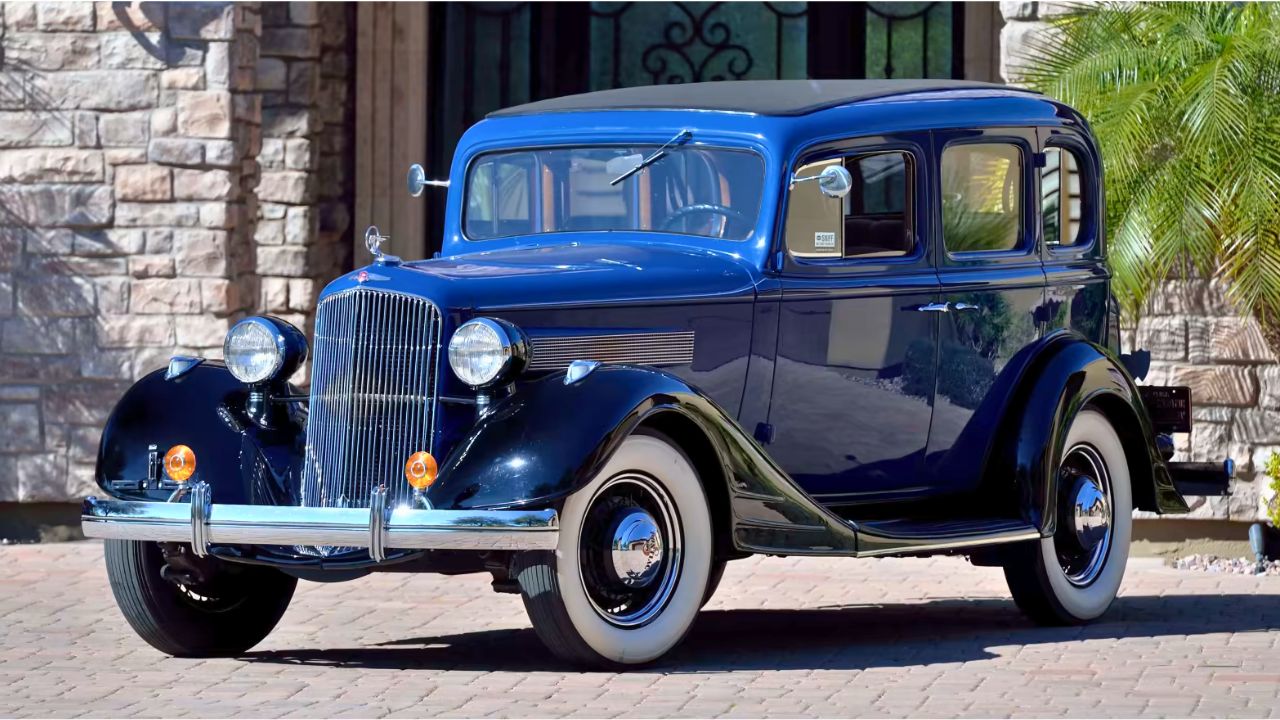
Long before wide-track GTOs and screaming Trans Ams, Pontiac was quietly building a reputation as a reliable, stylish, and surprisingly capable brand. Introduced in 1926 as a companion make to Oakland, Pontiac quickly found its footing by offering solid engineering with just enough flair—positioned perfectly between Chevrolet’s affordability and Oldsmobile’s refinement.
From the Great Depression through the late 1930s, Pontiac evolved from a practical six-cylinder value car into a competitive brand with design cues and straight-eight power that hinted at things to come. These early models helped Pontiac survive when many others folded, paving the way for the muscle car glory that would follow decades later.
The 1926 Pontiac Series 6-27: Where It All Began
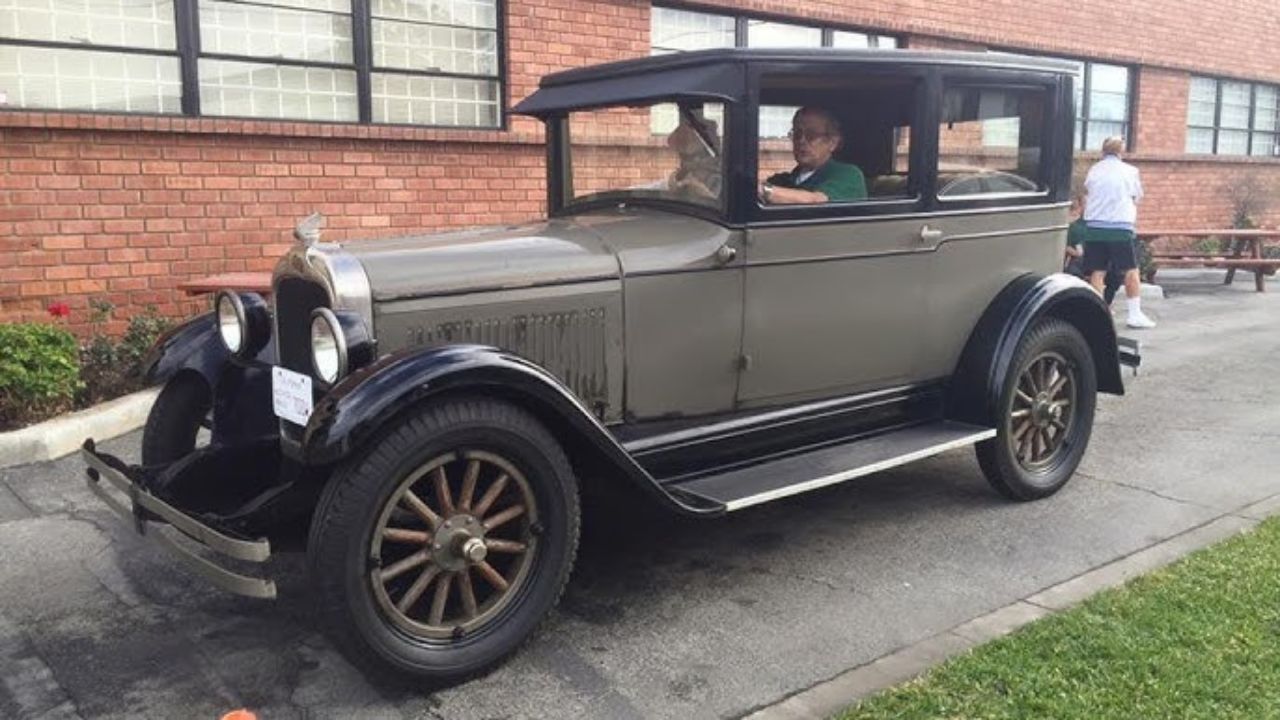
Pontiac’s story starts in 1926 with the Series 6-27, built as a companion brand to Oakland under General Motors. It featured a 3.2L L-head straight-six engine and was priced to sit between Chevrolet and Oldsmobile in GM’s lineup. It wasn’t flashy, but it was solid and dependable.
Priced at just $825, it hit the market with perfect timing. Pontiac sold over 76,000 units in its first year—an unheard-of number for a new brand. By 1927, that number doubled. The 6-27 proved there was room for a value-focused six-cylinder car with a bit more polish.
The 1928 Series 6-28: Refining the Formula
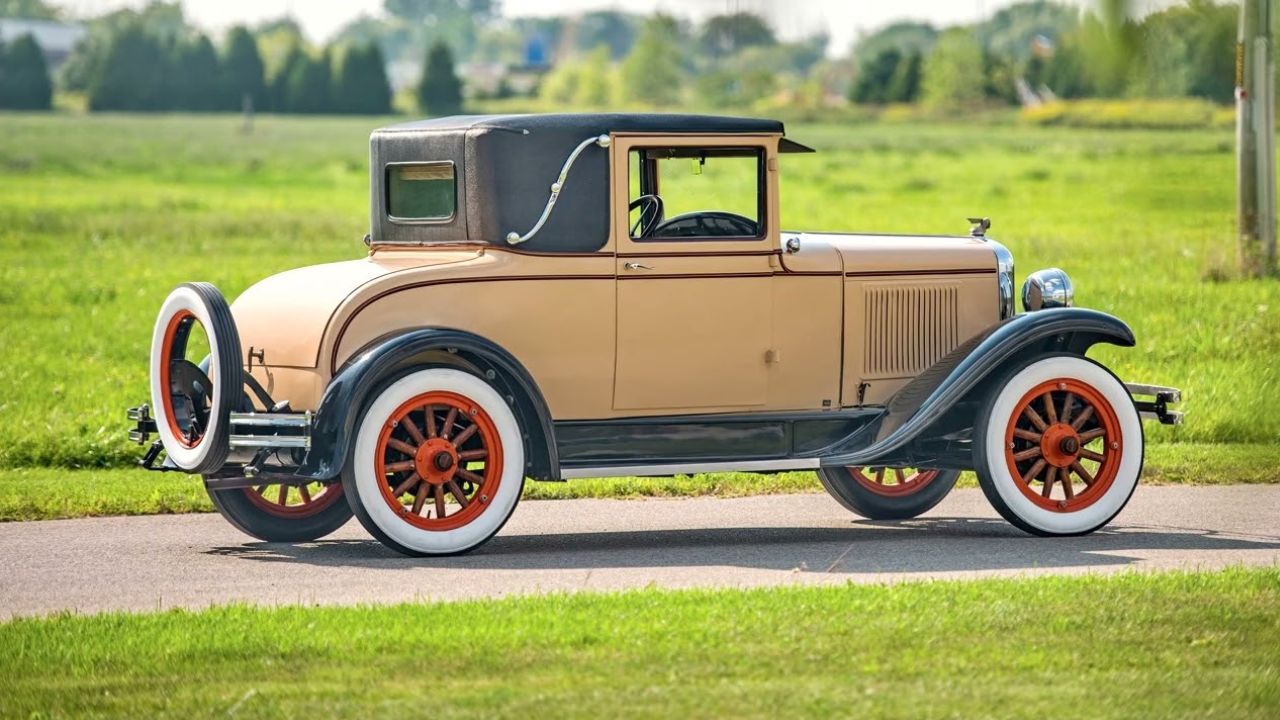
Pontiac followed up with the 6-28, offering more body styles and minor styling tweaks. Under the hood, the same straight-six returned, but reliability and durability were improved. It was still simple—manual brakes, wood wheels, and minimal luxury—but that was part of the appeal.
What made the 6-28 matter was its consistency. GM was still figuring out how to layer its brands, and Pontiac filled a niche that had been empty. With just enough size and performance to feel like a step up, it carved out loyal buyers early.
1929 Series 6-29: Sales Surge, Design Shifts
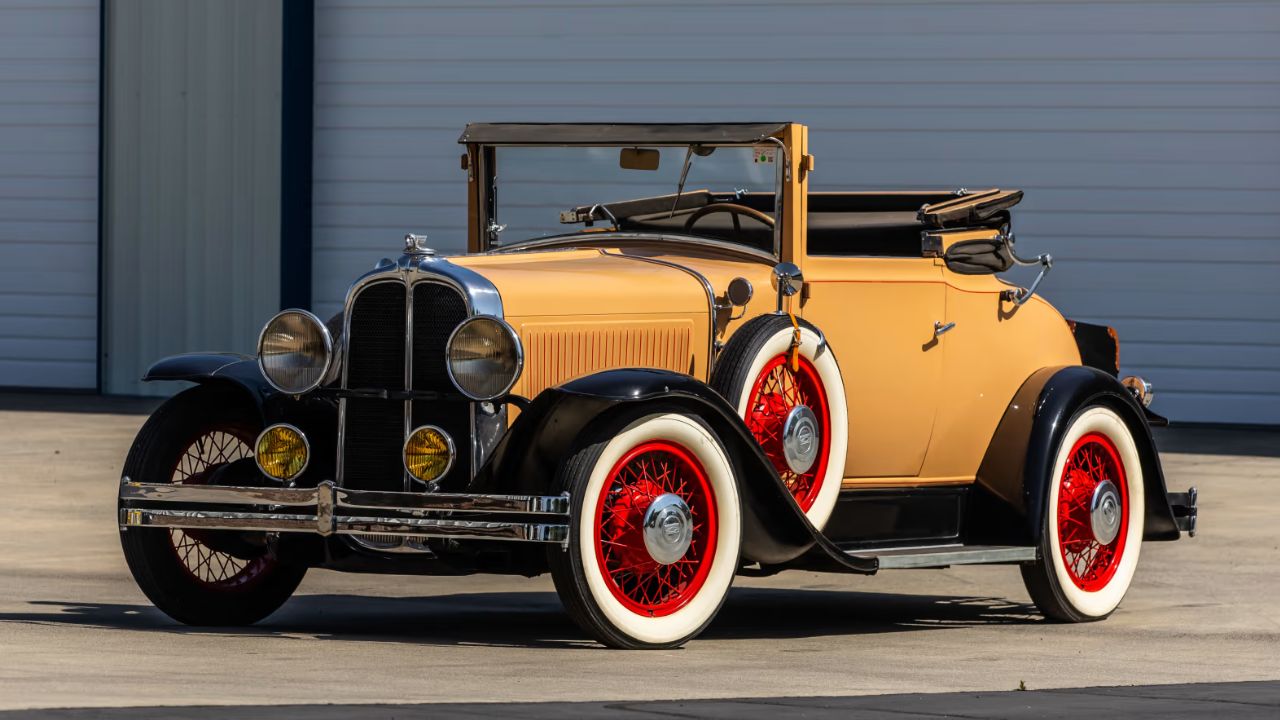
As the Roaring Twenties came to a close, Pontiac’s Series 6-29 helped push total sales to over 200,000 units. The design shifted slightly toward a more streamlined look, with a rounded grille and sleeker fenders. It still used mechanical brakes and basic amenities, but it was evolving.
Optional accessories became more common this year—bumpers, dual horns, and even heater options. Pontiac wasn’t just a cheap car anymore. It was showing signs of identity, which was crucial as the country headed into economic uncertainty.
1930 Series 6-30B: A V8 Sneaks In
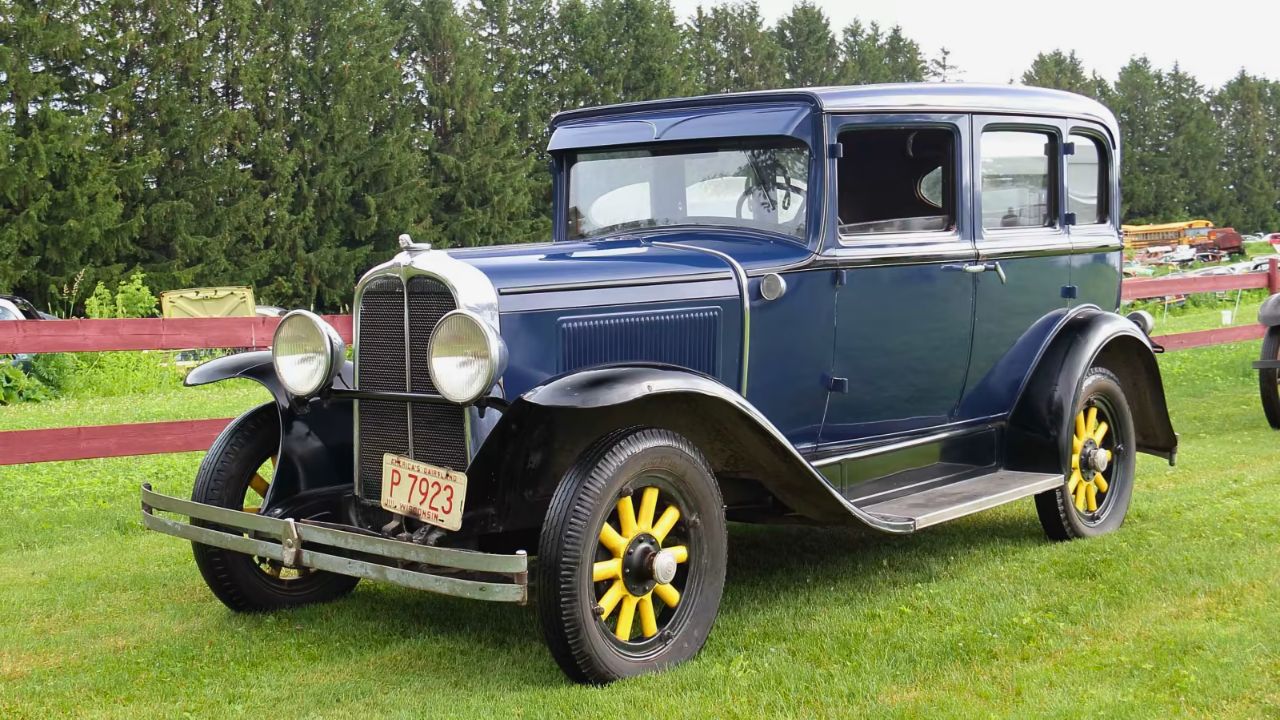
In 1930, Pontiac quietly began offering eight-cylinder versions sourced from the soon-to-be-defunct Oakland division. While the six-cylinder 30B remained the base model, the eight made it clear that performance wasn’t off the table for this growing brand.
This year also marked a turning point in terms of styling. Bodies grew longer and more refined, and two-tone paint became a popular option. The Great Depression would hit hard, but Pontiac’s upward trajectory didn’t stall—yet.
1931–1932: Holding Steady in Tough Times
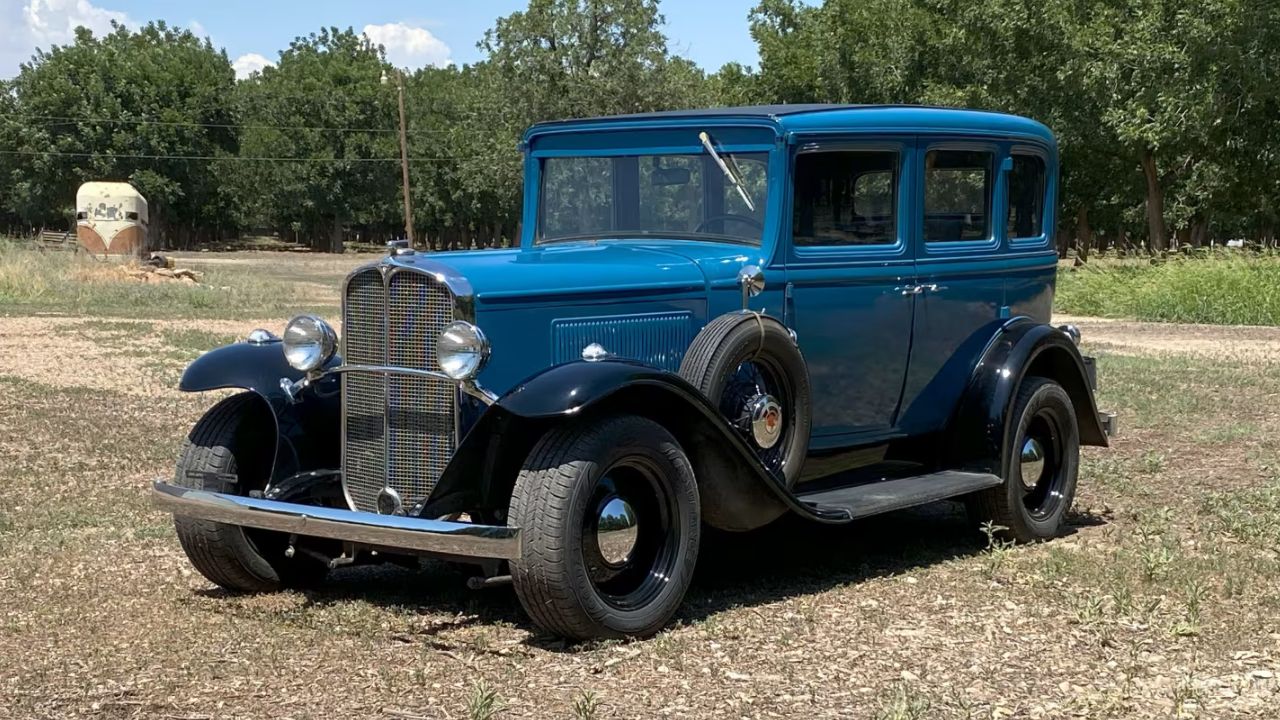
Despite the economic crash, Pontiac kept refining. The Series 401 in 1931 introduced GM’s all-steel “Turret Top,” which offered better weatherproofing and safety. It was a big upgrade over the wood-and-fabric structures still common at the time.
In 1932, the Series 402 kept the course with improved mechanical reliability. Pontiac emphasized value and performance, keeping buyers who might’ve otherwise jumped to Chevrolet or Ford. It wasn’t a boom year, but it was enough to survive.
The 1933 Economy Eight: Eight Cylinders for the Masses
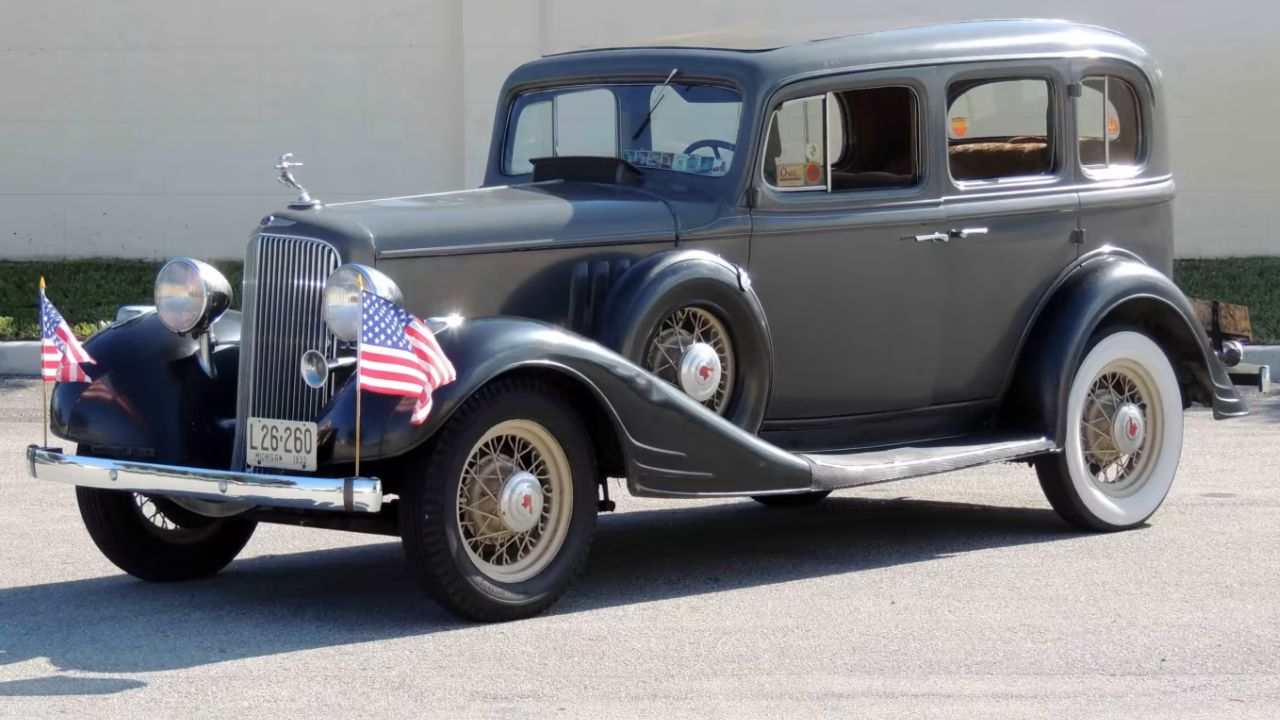
In 1933, Pontiac made a strategic move. Rather than focus on sixes, they offered an eight-cylinder-only lineup. The Economy Eight was meant to attract buyers who wanted power without the premium badge—or price tag—of a Buick or Cadillac.
Styling remained Art Deco but was cleaner and less ornate than some rivals. Under the hood, the 223-cubic-inch inline-eight gave modest but smooth power. For buyers pinching pennies, the idea of an eight-cylinder car under $800 was hard to pass up.
1934–1935: Enter the Silver Streak
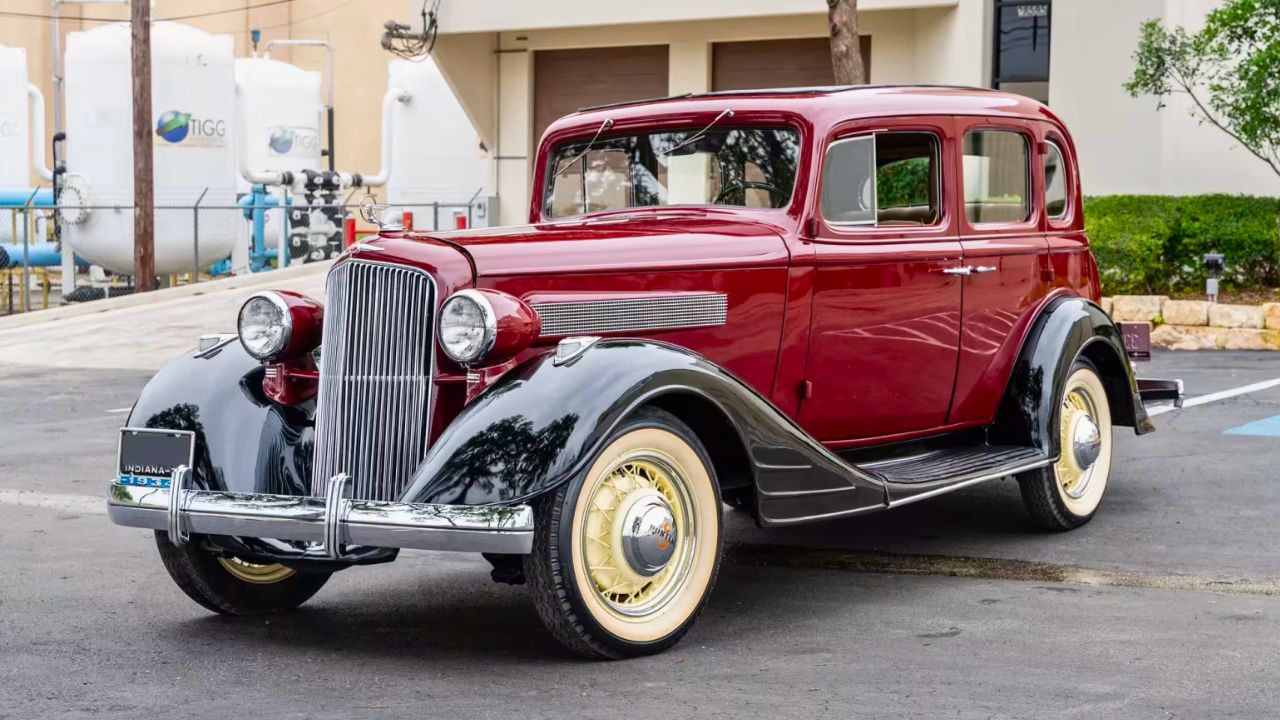
Pontiac’s visual identity took a major step forward in 1934 with the introduction of the “Silver Streak” design—thin, chromed bands running down the center of the hood. It was a bold visual signature and would become a brand hallmark until the 1950s.
In 1935, the Silver Streak was applied more dramatically across models. Both six- and eight-cylinder cars were available, and body styles ranged from coupes to sedans to touring cars. It wasn’t just practical anymore—Pontiac was starting to look stylish.
1936 Deluxe Six and Eight: More for the Money

The 1936 lineup was Pontiac’s best yet. The Deluxe Six and Deluxe Eight shared platforms and styling, offering chrome grilles, redesigned headlights, and improved cabin features. Independent front suspension became available, greatly improving ride comfort.
This was the first year Pontiac cracked half a million units in sales. With competition from Ford, Dodge, and Chevrolet, that kind of volume spoke to real brand strength. Pontiac was no longer an upstart—it was officially part of America’s motoring mainstream.
1937 Series 26 and 28: Built for the Middle Class

With a new body style and mechanical tweaks, the 1937 models refined everything from the previous year. The Series 26 (six-cylinder) and Series 28 (eight-cylinder) featured wider grilles, better insulation, and stronger braking systems.
Pontiac positioned itself squarely at middle-class buyers looking for value with a dash of flair. These weren’t luxury cars, but they looked good, ran well, and held up over time. In a recovering economy, that’s exactly what people were shopping for.
1938 and Beyond: A Brand with Momentum
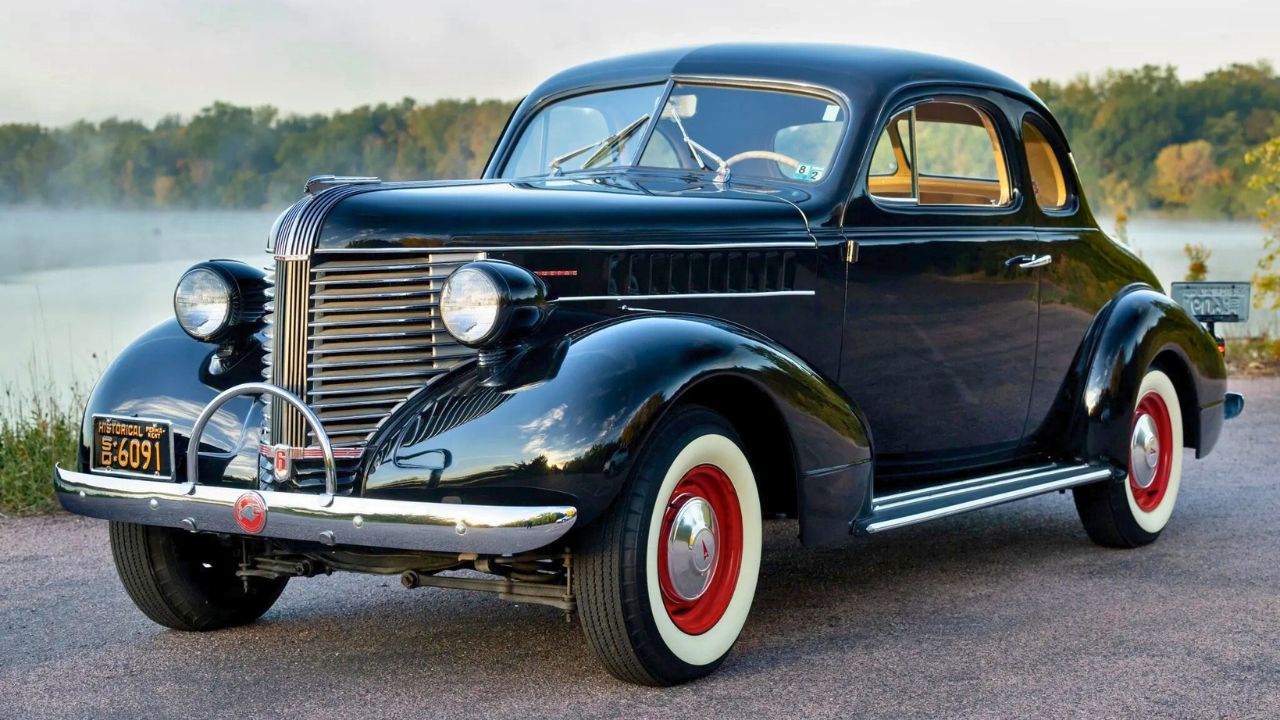
By the end of the 1930s, Pontiac had locked in its formula. With models like the 1938 Deluxe and 1939 Streamliner, it moved steadily toward the war years with a clear design language and a growing customer base.
Though overshadowed later by postwar muscle and performance models, these early Pontiacs laid the foundation. They were the reason the brand made it through the Depression and earned a place in GM’s long-term lineup. Understated, but essential.
Like what you read? Here’s more by us:
*Created with AI assistance and editor review.