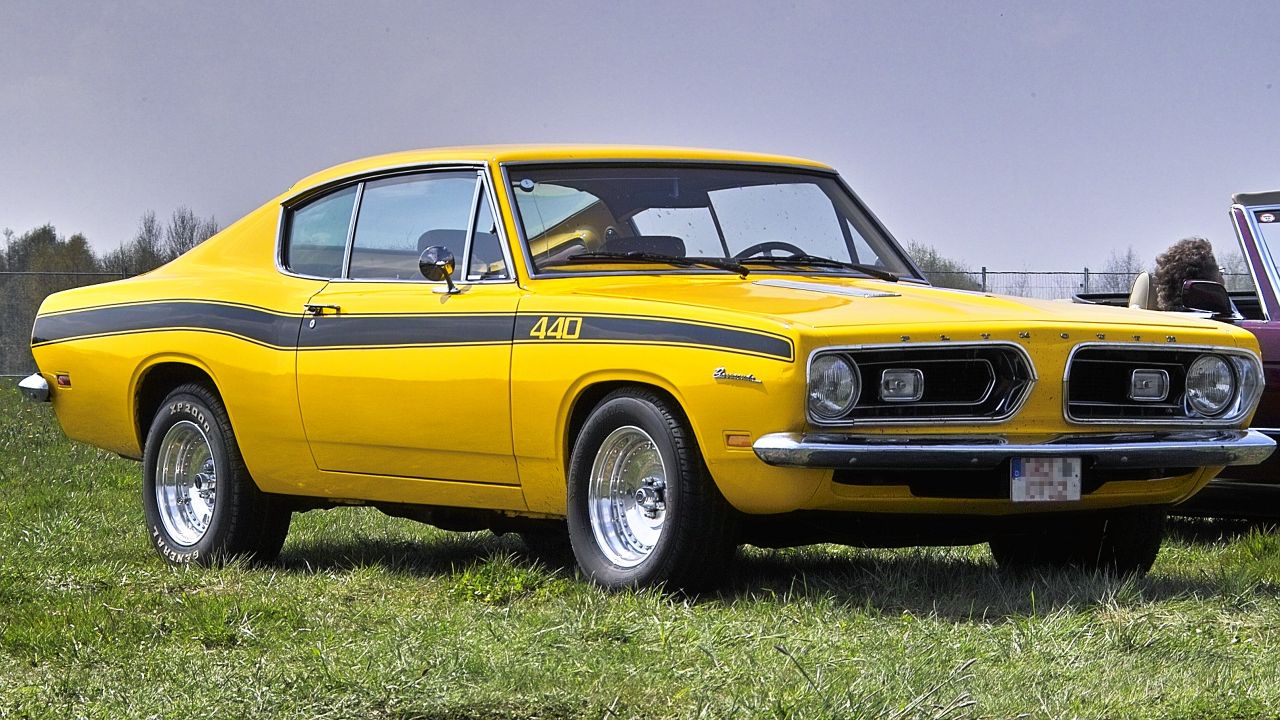
The 1969 Barracuda 440 marked a sharp break from the earlier small-block and midrange big-block versions, turning Plymouth’s compact fastback into a purpose-built straight-line weapon. Instead of a balanced sporty coupe, the car became a limited-production brute that traded comfort and finesse for raw acceleration and rarity.
By comparing its engine choices, chassis compromises, and special-order status with the 1967 and 1968 Barracudas, I can show how the 440 option reshaped the car’s character, its place in the muscle-car hierarchy, and its appeal to collectors today.
From versatile pony car to focused muscle machine
Early second-generation Barracudas were designed to cover a wide spectrum of buyers, from economy-minded drivers to enthusiasts who wanted a nimble V8. In 1967, the lineup ranged from a 6 cyl to V8 options like the 273, 318, and 383, which kept the car flexible enough to serve as both commuter and weekend toy. That breadth of engines, including the higher-spec Commando and Formula S configurations, underlined Plymouth’s intent to compete in the broader pony-car field rather than chase pure drag-strip glory.
By 1969, the decision to shoehorn a 440-cubic-inch big-block into the same compact shell signaled a different mission. Instead of simply offering another step up from the 383, the 440-cid package turned the Barracuda into a narrowly focused performance car that prioritized straight-line speed over everyday usability. Reporting on the 440-cid model notes that the big engine created a nose-heavy balance and crowded out comfort features, a clear departure from the more rounded personality of earlier versions.
The earlier engine mix: small-block agility and balanced power
To understand what changed with the 440, I have to start with what came before it. The 1967 Barracuda’s engine roster, which included the 6 cyl, 273, 318, and 383, gave buyers a logical climb from basic transportation to serious performance without overwhelming the chassis. The 273 2bbl and 273 4bbl Commando, especially in Formula S trim, delivered a blend of rev-happy power and relatively light weight that kept steering feel and handling sharp, as detailed in period-focused comparisons.
Even the 383-equipped cars, while heavier, still fit the mold of a multi-purpose pony car that could corner respectably and serve as a daily driver. The Formula S package, built around engines like the 273 4bbl Commando, reinforced that balance by pairing power with suspension and brake upgrades rather than chasing maximum displacement at any cost. In that context, the 440 option did not simply add more horsepower, it broke from the earlier philosophy that the Barracuda should be as capable on a twisty road as it was in a straight line.
Why Plymouth escalated to the 440 in 1969
The move to a 440-cubic-inch (7.2-liter) V8 in 1969 was not a random experiment, it was a response to an escalating muscle-car arms race. As rivals pushed bigger engines and more aggressive packages, Plymouth leaned harder into performance, a shift highlighted in a Plymouth Barracuda Fact Sheet Drops post that notes how, In 1969, the brand placed increased emphasis on performance. Offering the 440-cubic-inch engine, described in later analysis as a rare special-order choice, was a way to plant the Barracuda firmly in the top tier of street machines.
Coverage of the special-order program explains that In 1969, some customers could select the 440-cubic-inch (7.2-liter) V8, even though But the RB-block was not an easy fit in the compact engine bay. Reports on this special-order option emphasize how unusual it was, which underscores that Plymouth was willing to compromise packaging and comfort to create a halo car that could stand alongside the era’s most feared muscle machines.
How the 440 physically changed the Barracuda
Dropping a 440-cid big-block into a compact A-body did more than add power, it fundamentally altered the car’s dynamics and packaging. Reporting on the 1969 Cuda and 440-cid combination notes that the engine created a nose-heavy car and left no room under the hood for power-steering or power-brake hardware, a stark contrast to earlier Barracudas that could be optioned with more creature comforts. That trade-off meant the 440 cars demanded more effort at low speeds and felt less nimble, especially compared with the lighter 273 and 318 versions.
The physical constraints also forced Plymouth to treat the 440 as a specialized configuration rather than a mass-market option. Later fact sheets describe the 1969 440 CID Barracuda Fastback and highlight that the 440 CID Arrives as a distinct milestone, reinforcing that this was not just another engine choice but a structural rework of the car. The same documentation, which lists the 440 alongside features like the Mod Top and Cuda package, shows how the big-block option sat at the extreme end of the Barracuda range rather than blending into the existing lineup of more balanced models.
From Formula S finesse to Cuda 440 brutality
Earlier performance Barracudas leaned on the Formula S identity, which paired engines like the 273 4bbl Commando with suspension and handling upgrades to create a well-rounded driver’s car. Enthusiast restoration guides that compare 1967 through 1969 emphasize how the Formula S base motor and related hardware were tuned for agility as much as acceleration, keeping the car competitive with other pony cars that prized road manners. That approach made sense when the Barracuda’s mission was to be a sporty all-rounder rather than a single-purpose drag-strip tool.
The 1969 Cuda and 440-cid variant flipped that script. Analysis of the 1969 Plymouth Cuda 440 notes that the big-block’s weight and packaging constraints pushed the car toward raw straight-line performance, with reports describing how easily it could light the rear tires in standing starts. In that sense, the 440 cars were less about the nuanced Formula S formula and more about delivering maximum thrust in a short burst, a shift that separated them from the earlier, more balanced Barracudas that shared the same basic body shell.
The M-code 440 cars and their rarity
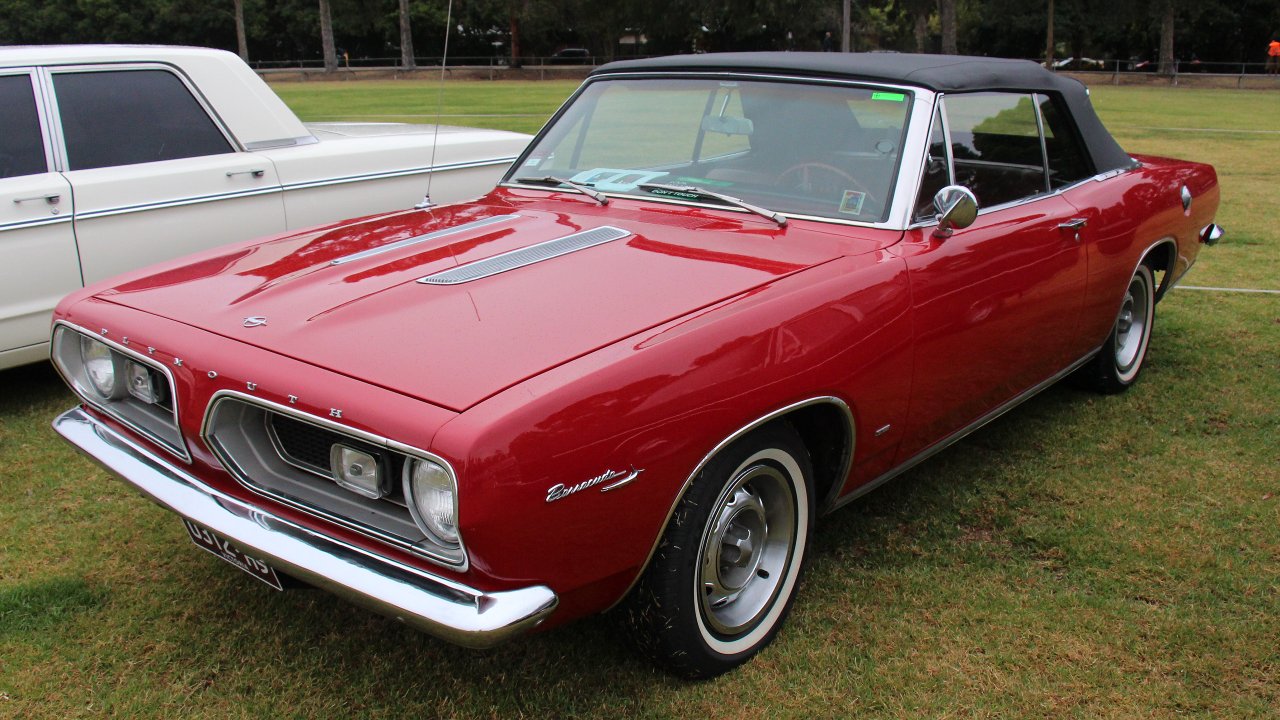
One of the clearest distinctions between the 1969 Barracuda 440 and earlier versions is how few of the big-block cars were built and how they were handled on the assembly line. Coverage of the M-code 440 models explains that the Barracudas were not just built on the same line as regular small-block cars, Each one carried special remarks and treatment that set them apart. That extra attention underscores how unusual the 440 configuration was compared with the more routine 273, 318, and 383 builds of prior years.
Modern sale listings reinforce that rarity. A detailed description of a 1969 Plymouth Barracuda Fastback 440 M Code This car calls it one of the rarest and highest power-to-weight ratio muscle cars ever produced, highlighting how the 440 M combination turned the Barracuda into a collector-grade machine rather than a common street car. When I compare that status with the broader production of earlier small-block Barracudas, it is clear that the 440 models occupy a much narrower, more exclusive slice of the car’s history.
Fact-sheet proof that 1969 was a turning point
Factory-style documentation from 1969 helps quantify just how different the 440 cars were from earlier Barracudas. A comprehensive fact sheet released on Sep 25, 2024, lays out the 1969 lineup and explicitly calls out the 1969 440 CID Barracuda Fastback, using phrases like 440 CID Arrives to mark the big-block’s debut. That same document groups the 440 with other high-visibility options such as the Mod Top and Cuda package, which shows that Plymouth treated the engine as a headline feature rather than a quiet addition.
Social posts that echo the fact sheet, including one shared on Mar 30, 2021, under the banner Plymouth Barracuda Fact Sheet Drops, stress that In 1969, Plymouth increased its emphasis on performance. When I set those references against earlier descriptions of the 1967 engine mix, with its 6 cyl, 273, 318, and 383 choices, the contrast is stark. The 440 is presented not as a continuation of the existing formula but as a new chapter that repositions the Barracuda closer to the most aggressive American muscle cars of its era.
How the 440 Barracuda fit into the wider muscle-car era
Context from the broader muscle-car scene helps clarify why the 1969 Barracuda 440 feels so different from its predecessors. Contemporary coverage of icons like the 1969 Pontiac GTO describes that car as a defining symbol of the golden muscle car era, bold, brash, and brutally powerful. By stepping up to a 440-cubic-inch, 7.2-liter V8, Plymouth effectively pushed the Barracuda into the same conversation, even if its compact A-body roots made the packaging more extreme than on larger intermediates.
Enthusiast commentary on the 1969 Plymouth Barracuda often frames it as a standout in the golden age of American muscle cars, with the Plymouth Barracuda name now associated as much with big-block ferocity as with earlier small-block agility. When I compare that perception with the more modest image of the 6 cyl and 273-powered cars from 1967, it becomes clear that the 440 option did more than add horsepower. It rebranded the Barracuda from a versatile pony car into a legitimate rival for heavyweight muscle machines that dominated both the streets and the drag strip.
Legacy: why the 1969 Barracuda 440 still stands apart
Today, the 1969 Barracuda 440 is remembered less for refinement and more for its uncompromising character, which is exactly what separates it from earlier versions. The combination of a 440-cid or 440-cubic-inch, 7.2-liter V8 in a relatively small body, the loss of amenities like power steering and power brakes, and the limited M-code production run created a car that feels closer to a factory hot rod than a typical showroom model. That stands in sharp contrast to the broader 1967 lineup, where engines like the 273, 318, and 383 were integrated into a more balanced package.
Modern write-ups on surviving examples, including rare Plymouth Barracuda Fastback 440 M Code cars, consistently highlight their status as some of the highest power-to-weight ratio muscle cars ever produced and emphasize how few remain in outstanding condition. When I weigh that against the more common earlier Barracudas, the conclusion is straightforward. The 1969 440 models are not just another step in the Barracuda’s evolution, they are a distinct, short-lived experiment in maximum performance that permanently changed how the nameplate is remembered within American muscle history.