The 1968 Chevelle SS sits at the crossroads of muscle car legend and modern buyer anxiety, because the market is now packed with convincing clones that can look more correct than some survivors. Sorting a genuine Super Sport from a well-built tribute is no longer a matter of spotting a single missing badge, it is a process that blends paperwork, factory details, and a clear-eyed look at value. I want to walk through how I approach that process so a shopper can enjoy the hunt without paying real SS money for a car that never left the factory as one.
What “real SS” actually means on a 1968 Chevelle
When I talk about a real 1968 Chevelle SS, I am talking about a car that was ordered and built by Chevrolet with the Super Sport package, not a Malibu or 300 Deluxe that picked up SS trim later in life. For 1968, the SS 396 was treated as its own series, which means the identification starts with the VIN and body tag rather than with stripes or emblems. A genuine SS 396 hardtop or convertible should carry a VIN that begins with 138, which signals the Super Sport series, while non-SS Chevelles use 136 or 134 prefixes that identify Malibu or base models. That single set of digits is the foundation for every other claim about authenticity, because no amount of later modification can legitimately turn a 136 car into a factory 138.
The body tag on the cowl backs up that story by tying the car to a specific plant, body style, and build sequence, and I treat it as a cross-check rather than a standalone verdict. On a 1968 SS, the tag will show the correct style code for a Super Sport hardtop or convertible, and the assembly plant should match what the VIN reports, which helps expose tags that have been swapped or tampered with. When I see a car advertised as a 1968 SS 396 with a 136 VIN or a body tag that does not line up with the claimed configuration, I treat it as a clone regardless of how well the rest of the car has been dressed. That distinction between a true 138-series SS and a dressed-up Malibu is the first and most important line I draw before I even start looking at mechanical details.
VIN, cowl tag and paperwork: the non-negotiable checks
Once I have confirmed that the VIN carries the correct 138 prefix, I move directly to the cowl tag and any surviving documentation, because this is where a clone usually runs out of supporting evidence. The cowl tag should show a body style code that matches an SS 396 hardtop or convertible, along with a build date that makes sense for the features on the car, such as interior trim and paint color. If the tag has obviously been removed, re-riveted, or shows fonts and spacing that do not match known factory patterns, I treat that as a red flag that the identity may have been altered to mimic a Super Sport. Even when the tag looks right, I compare its information to the VIN and to any broadcast sheets or dealer paperwork to see whether the story holds together across all the data points.
Factory paperwork is the strongest ally a buyer can have, and I give it significant weight when it exists, while also recognizing that many Chevelles have lost their original documents over decades of use. A build sheet tucked behind a seat or above the fuel tank can confirm the SS 396 option, engine, transmission, and rear axle codes, and it ties those components to the specific VIN on the car. Dealer invoices, Protect-O-Plate warranty tags, and early registration records can also reinforce that the car was sold new as a Super Sport rather than as a lower-trim Chevelle. When a seller claims a numbers-matching 1968 SS 396 but cannot produce any paperwork and the cowl tag or VIN raise questions, I assume I am looking at a tribute until the mechanical and visual evidence proves otherwise, not the other way around.
Mechanical clues: engines, drivetrains and “numbers matching” claims

After the identity checks, I turn to the mechanical side, because a real SS 396 was defined as much by its big-block powertrain as by its badges. In 1968, the Super Sport package centered on the 396 cubic inch V8, and the engine pad stamping on the front of the block should show an engine code that matches a 396 application for that year, along with a partial VIN that ties it to the car. If I see a small-block under the hood of a supposed factory SS, or a big-block with a casting date that falls far outside the car’s build window, I know I am either dealing with a non-original engine or a clone that never had a 396 in the first place. Even when the block is period-correct, I look closely at the pad for signs of restamping, such as uneven characters or grinding marks, because that is a common tactic to fake a numbers-matching drivetrain.
The transmission and rear axle tell their own story, and I treat them as supporting witnesses rather than the sole proof of authenticity. A genuine 1968 SS 396 would typically carry a heavy-duty 4-speed or automatic transmission and an appropriate rear axle ratio, and both components have date codes and ID stampings that can be checked against the car’s build date. When those codes line up within a reasonable window and the partial VINs match the car, the case for a real, numbers-matching SS becomes much stronger. On the other hand, a car that mixes a correct 396 with a later overdrive transmission and a non-original rear end might still be a real SS that has been modified over time, but it will not command the same premium as a fully documented, factory-correct example. I always separate the question of “Is it a real SS?” from “Is it still exactly as built?” because the market prices those answers differently.
Visual and interior tells that separate SS from tribute
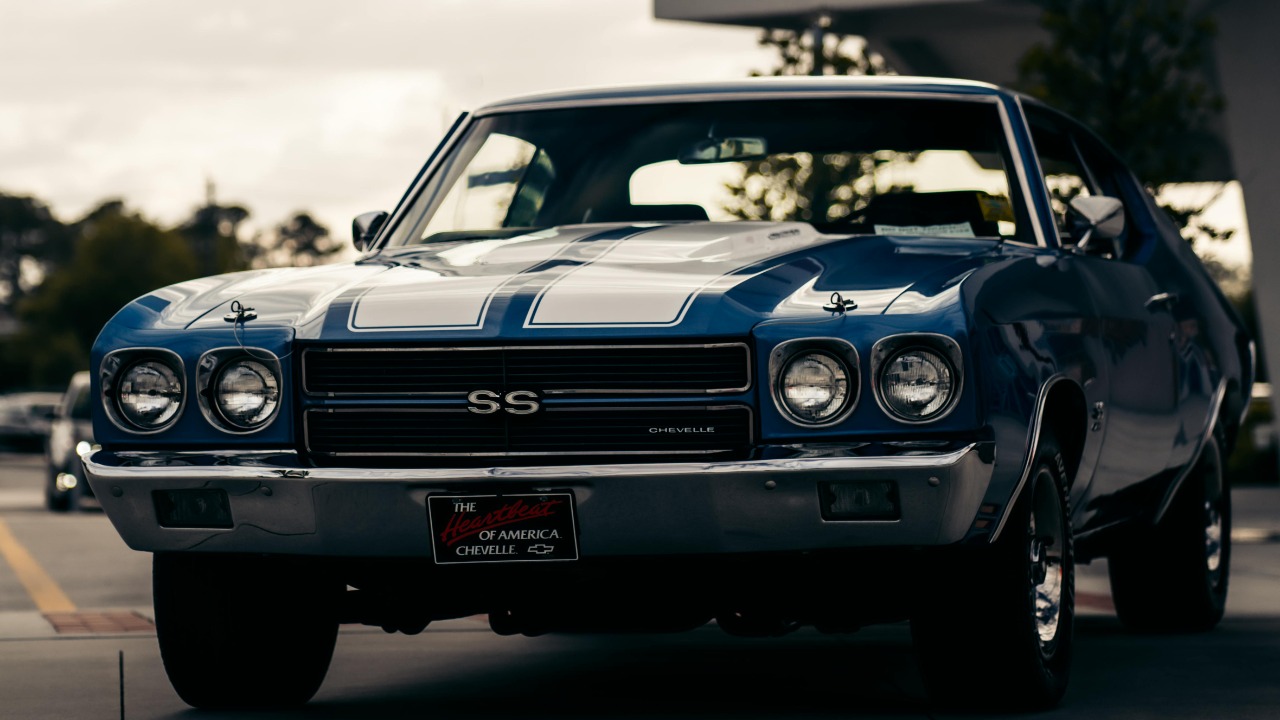
Cosmetic details are where clones often shine, yet they also provide some of the most reliable tells when I slow down and compare them to factory patterns. A 1968 Chevelle SS 396 carried specific exterior cues such as SS 396 badges, a blacked-out grille, and unique hood treatment, but those pieces are widely reproduced and can be bolted onto any Chevelle shell. What I watch for instead is how those parts integrate with the body, including the quality of emblem placement, the presence of correct trim holes in the sheet metal, and the consistency of finishes that should match factory standards. When a car wears perfect new SS emblems on a body that shows no sign of original mounting points or carries trim combinations that were not offered together, it usually signals a tribute built from a non-SS base.
Inside the car, the Super Sport package brought its own set of cues, and I use them as another layer of verification rather than as a standalone verdict. Bucket seats with a center console, specific gauge layouts, and SS badging on the dash and door panels all point toward a genuine Super Sport, but they are also among the easiest pieces to swap during a restoration. I pay attention to details like the steering column type, the presence of correct wiring for factory gauges, and the way interior colors match the cowl tag codes, because those are harder to fake convincingly. A car that combines a claimed factory SS identity with an interior that ignores its original trim code or uses mismatched components suggests either a heavily altered original or a clone that has been dressed to impress without regard for historical accuracy.
Pricing, ethics and when a clone can still be a smart buy
Once I have a clear sense of whether a 1968 Chevelle is a factory SS or a tribute, the conversation shifts from authenticity to value, and this is where expectations matter as much as documentation. A documented, numbers-matching SS 396 with correct VIN, cowl tag, and drivetrain will always sit at the top of the price range, because collectors pay a premium for originality and verifiable history. A well-executed clone built from a solid Malibu or 300 Deluxe, even with a strong big-block and careful cosmetic work, should trade at a noticeable discount, reflecting the fact that it can never be a factory Super Sport no matter how convincing it looks. I treat any seller who asks real SS money for a tribute as a warning sign, especially if they lean on vague phrases like “believed to be” or “appears to be” without backing those claims with hard evidence.
That does not mean a clone is automatically a bad purchase, and I often find that a transparent tribute can be the most enjoyable way to get into a 1968 Chevelle with SS looks and performance. When a seller is upfront that the car started life as a non-SS and has been upgraded, the buyer can judge it on its build quality, drivability, and price rather than on a contested pedigree. A tribute with a strong drivetrain, modern upgrades, and clean bodywork can deliver the same visual punch and driving experience as a real SS at a fraction of the cost, and it frees the owner from the anxiety of preserving rare factory parts. The key is honesty: as long as the car is represented accurately and priced accordingly, a clone can be a smart, enjoyable choice, while a misrepresented “SS” with shaky documentation is the one I advise walking away from, no matter how good it looks in the photos.