
Collectors who shape tomorrow’s market already scroll auction catalogs on their phones while streaming racing clips and configuring dream garages. Younger buyers now treat collectibles as lifestyle extensions, so shifting demographics will decide which cars, toys, comics, and artworks actually matter.
Car culture increasingly collides with broader collecting trends, where scarcity, story, and social visibility drive demand as strongly as horsepower figures. Enthusiasts who understand these demographic shifts can position their garages, investments, and businesses for the next wave of value.
From Baby Boomers’ garages to Gen Z’s feeds
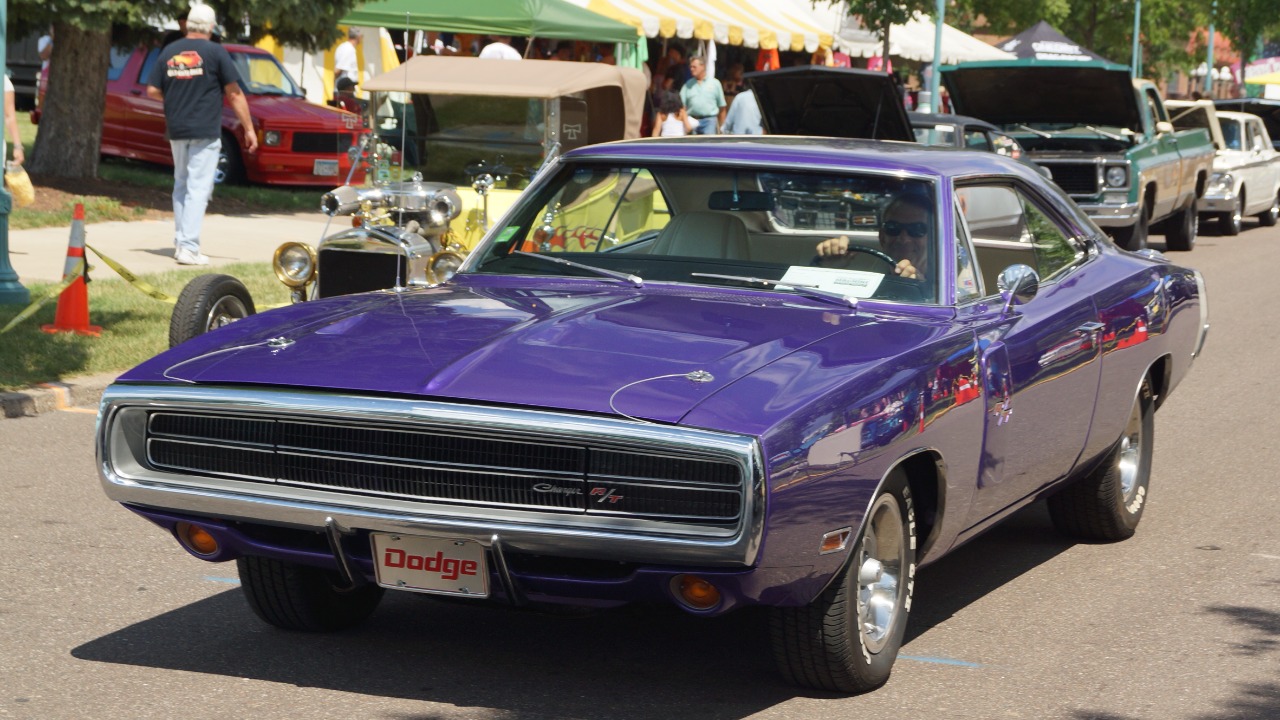
Baby Boomers still control significant wealth, and many built collections around chrome bumpers, carburetors, and long highway memories. Analysts describe Baby Boomers Born between 1945 and 1963, now largely eligible for Social Security, as a generation transitioning from accumulation to downsizing. Their shift from buying to selling releases prized muscle cars, brass era antiques, and automobilia into a market increasingly controlled by their children and grandchildren.
Work and parenting dominate the schedules of Generation X, so many Gen X drivers split limited leisure between track days and family road trips. Reporting on auctions notes that Work and parenting consume most Gen time, yet some still graduate from casual bidders to investment level collectors. As Boomers liquidate and Gen X juggles responsibilities, Millennials and Gen Z quietly become the decisive force behind which collectibles, including cars, actually appreciate.
Millennials and Gen Z take the wheel of collecting power
Younger collectors now represent a majority of art buyers globally, which signals a broader power transfer across every collectible category. Research shows that Younger collectors, especially Gen and Millennials, no longer play marginal roles, they drive pricing, taste, and market direction. When that same cohort shops for cars, it favors analog Japanese icons, homologation specials, and limited EVs over traditional status sedans.
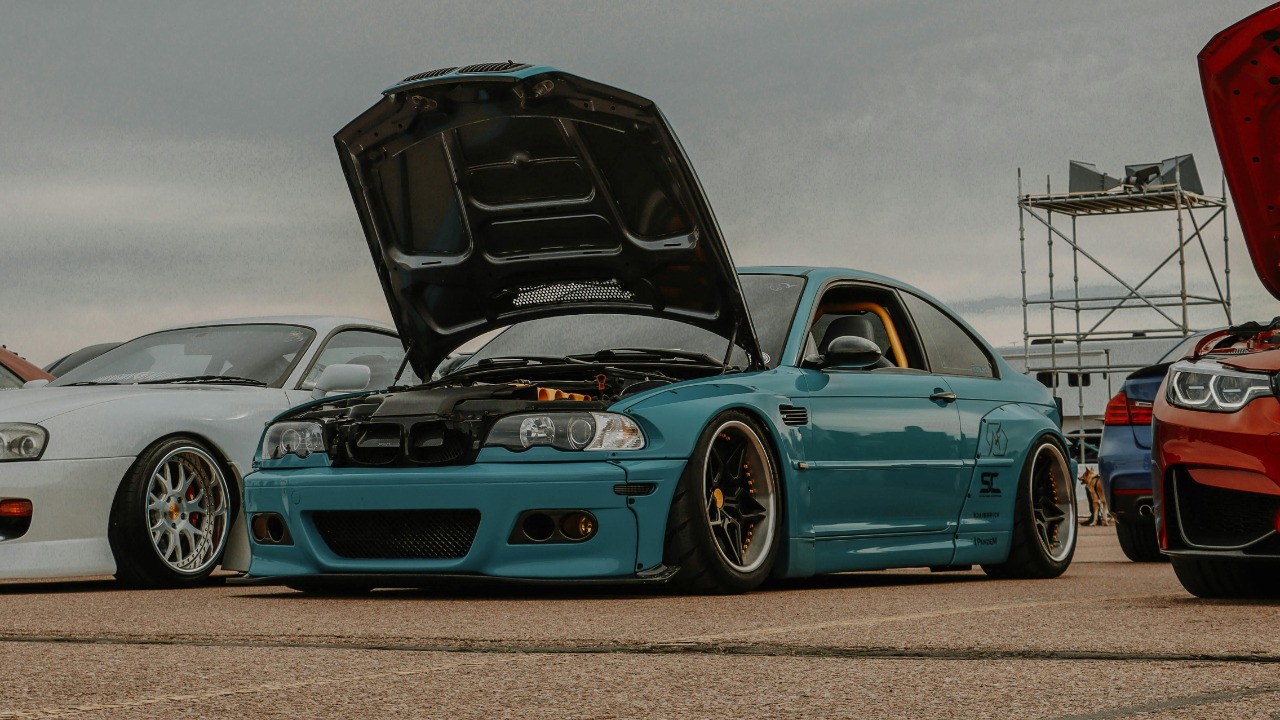
Survey data from a New Class of Collectors shows Nearly three quarters of respondents are Gen or Millennials, confirming a generational handoff. That same mindset appears at car auctions, where younger bidders chase low mileage Mitsubishi Lancer Evolutions and BMW E46 M3s, treating them like drivable art rather than simple transportation.
Values-driven collecting reshapes what counts as desirable
Many younger buyers want collections that reflect identity, community, and purpose, not just financial upside or bragging rights. A global survey reports that Many collectors gravitate toward works that speak to personal narratives, which mirrors how enthusiasts choose cars aligned with their values. That might mean supporting independent EV startups, preserving culturally significant lowriders, or championing female designers like Mary Barra and Michelle Christensen.
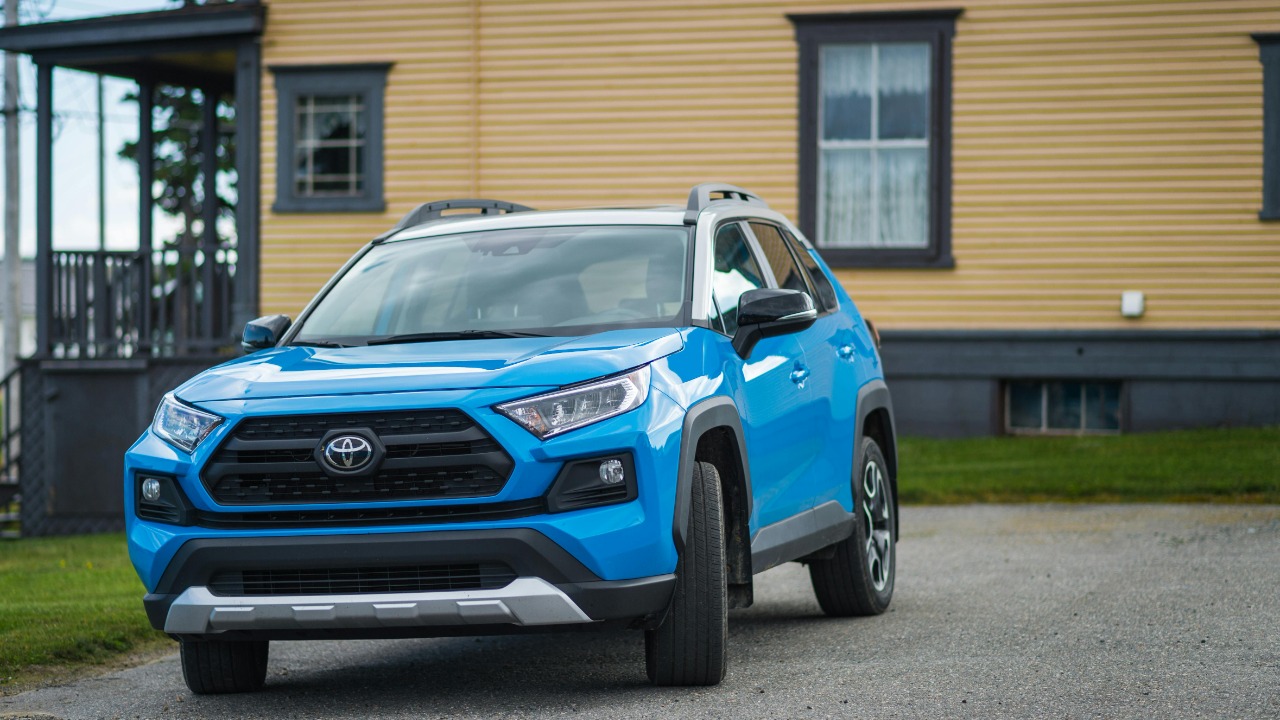
Millennial art buyers increasingly push for broader perspectives and narratives, which spills into how they curate garages and memorabilia. Analysts note that Such pressure widens the art market’s storytelling, encouraging collectors to buy pieces that challenge assumptions rather than simply decorate walls. Applied to cars, that same instinct elevates historically overlooked vehicles, like first generation Toyota RAV4 EVs or early Subaru WRX wagons, into meaningful cultural artifacts.
Social, performative, and pop culture driven collecting
Gen Z treats collecting as a social performance, where ownership lives as much on screens as in garages or display cases. Reporting describes how Gen Z’s approach to collecting feels social, performative, and self referential, with art meant to circulate online rather than hide in freeports. That same logic drives demand for visually striking cars, like widebody Nissan GT-R builds or brightly wrapped Tesla Model 3s, which photograph well for TikTok and Instagram.
Younger Collectors Demographics, Typically aged 18 to 30, respond strongly to pop culture trends, internet influencers, and community recommendations. Market research on toys notes that Younger Collectors Demographics Typically follow the recommendations of those they follow, which mirrors how car buyers chase builds championed by YouTubers. When a creator daily drives a manual Toyota GR Corolla or restores a BMW 2002, followers often treat those choices as collecting cues.
Redefining what counts as a collectible, from Coins to cars
Analysts define a collectible as an item worth significantly more than its original price because of scarcity and popularity. Market research lists Coins, comic books, and trading cards alongside other categories shaped by technological advancements and changing consumer preferences. For car enthusiasts, that definition now comfortably includes limited production performance SUVs, early battery electric vehicles, and even rare overlanding builds.
Wealthy Millennials increasingly acquire rare and valuable items, from old comic books to vintage video games that might puzzle their parents. Reporting shows that Millennials with money are getting into collecting rare items that sometimes seem odd to older generations. That same willingness to back unconventional assets helps explain surging interest in low production Japanese kei trucks, obscure homologation specials, and early performance hybrids like the Honda CR-Z.
Antiques, vintage metal, and the new nostalgia economy
Antiques once felt like a quiet corner of the market, yet a new generation now rediscovers the art of the past. Analysts describe how a Generation Rediscovers the Art of the Past, valuing objects with age and masterful craftsmanship. That mindset naturally extends to prewar coachbuilt cars, early Porsche 356s, and hand formed Italian bodies, where patina and provenance matter more than outright speed.
Millennials increasingly move antique and vintage markets, sometimes shifting from buyers to sellers as they inherit collections. One dealer notes that They are no longer buyers, they are sellers, yet Risener believes her generation holds a special connection with this material. For cars, that translates into Millennials selling inherited Buicks while hunting period correct JDM imports, Radwood era BMWs, and analog Porsches that match their childhood nostalgia.
Demographic shifts reshape auction lanes and online platforms
Demographic changes, including aging populations and shifting income levels, significantly influence how people consume art and related cultural goods. Analysts emphasize that Demographic shifts alter art consumption patterns, which provides a useful lens for understanding auction behavior in collector car markets. As older bidders step back, online platforms like Bring a Trailer and Cars & Bids adapt interfaces, photography standards, and financing tools for digital native buyers.
Survey research on a New Class of Collectors shows Nearly three quarters of respondents are Gen or Millennials, which signals continuity rather than disruption. Auction houses that once catered to tuxedoed bidders now stream live to smartphones, where younger enthusiasts bid on Nissan Skyline GT-Rs between meetings, treating the process like a game rather than a formal event.
Lessons from art and toys for the future of car collectibles
Art market research shows that younger buyers rarely separate collecting from daily life, instead weaving purchases into identity and social presence. Analysts describe how Gen and Millennial collectors treat acquisitions as active cultural statements, not quiet investments. Car enthusiasts watching that trend can expect future demand to favor vehicles that photograph well, carry inclusive stories, and integrate seamlessly with digital communities.
Toy market research highlights how influencer culture and online recommendations now steer collecting decisions among younger demographics. Analysts note that Younger Collectors Demographics Typically respond to the recommendations of those they follow, which mirrors how car buyers chase builds endorsed by trusted creators. As demographics continue shifting, the most coveted future collectibles will likely be the cars, models, and memorabilia that thrive both on the road and across the algorithm.




Leave a Reply