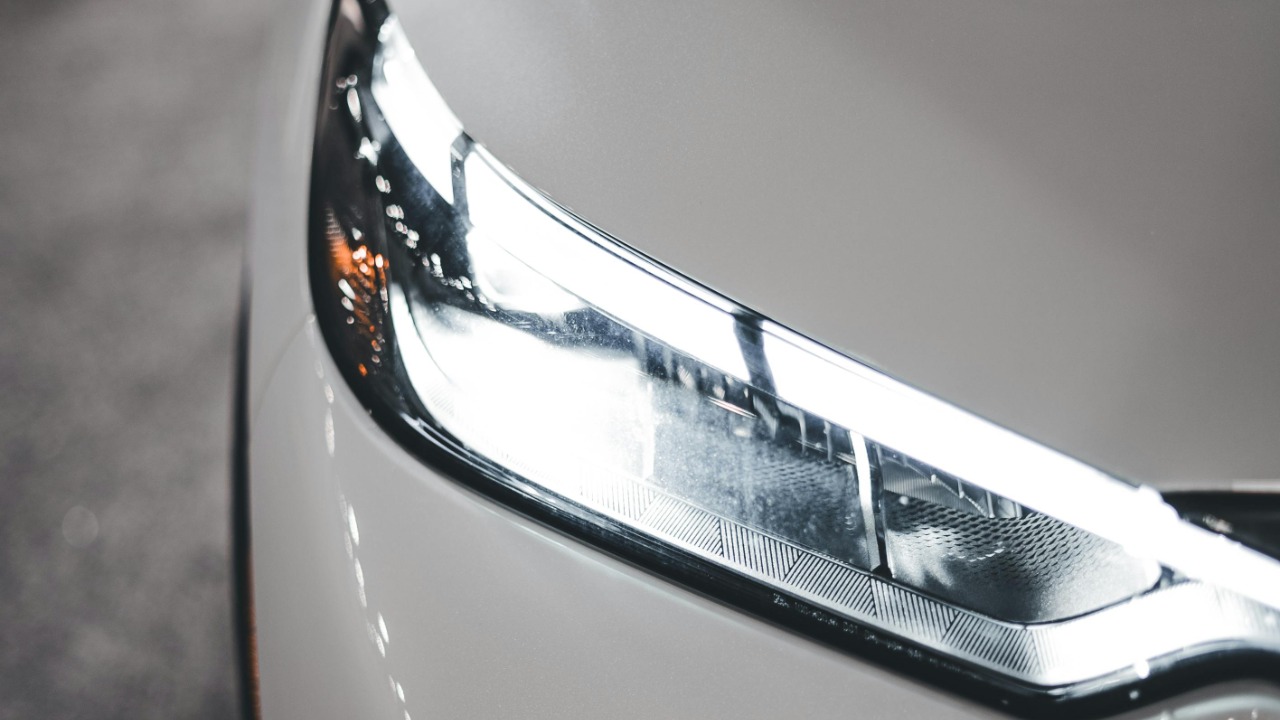
Swapping your car’s headlights to LED can sharpen your night vision, modernize the look of an older vehicle, and cut electrical load, but the upgrade is not as simple as dropping new bulbs into old housings. Before you commit, you need to understand how LED light interacts with your existing headlight assembly, what the law actually allows, and how to avoid turning your car into a rolling glare cannon. If you get the basics right, you can enjoy better visibility without attracting tickets or angry flashes from oncoming drivers.
Why LED looks so appealing compared with halogen
LED lighting is attractive for good reason. A typical halogen bulb wastes a lot of energy as heat, while an LED converts more of that power into light, so you get a brighter, crisper beam with less strain on your charging system. One popular high-output kit, the Auxbeam GX Series H4 9003, advertises main features that claim it is 650% brighter than halogen and uses a 120 W pair of LED chips to reach 25,000 lumens per set, which shows how aggressively the aftermarket chases maximum output for a given socket size in a compact package that still fits common reflector housings.
That efficiency can help your alternator and battery because LEDs do not require the same current draw as old-school filaments, and guidance for car owners notes that Since LEDs do not demand a great amount of electricity, they can reduce drag on the engine-driven charging system and improve overall electrical headroom for accessories. Combined with the cooler color temperature many kits offer, which can make road markings and signs stand out more sharply, this explains why you might be tempted to upgrade your halogen or HID setup to LED and expect a quick, clean win in both style and performance.
Fitment, wiring, and “plug and play” reality
Before you click buy, confirm that the bulbs you want actually match your car’s hardware, because headlight sockets are not universal. Every headlight is tied to a specific bulb size, and guidance for shoppers explains that What you should look for first is the exact designation like H4, H11, 9005 or H9 that appears in your owner’s manual, on the back of the headlamp housing, or in a parts catalog. If you drive a Toyota Innova, for instance, owners on enthusiast forums point out that the headlight bulbs use H4 sized bulbs, which means you must choose an LED kit that is built for that dual-filament style footprint rather than a single-beam 9005 or H11 design.
Marketing for LED kits often leans on the idea that you can simply plug them in and go, but specialists who answer the question Can LED Headlights Be Plug and Play warn that while Upgrading to LED is popular, you can run into issues like flickering, bulb-out warnings, or fans that never shut off unless you add proper resistors or decoders. Some vehicles also require specialized tools or adapters, and one guide written For The Car Owner stresses that you should Ensure you research the exact brand and model kit for your car, since certain late-model vehicles integrate the headlight into complex wiring and body control modules that do not always accept a basic two-wire swap without extra hardware.
Beam pattern, glare, and keeping other drivers safe
The biggest mistake you can make with LED headlights is assuming that more lumens automatically mean better visibility. Your reflector or projector was engineered around the size and position of a halogen filament, so when you drop an LED chip into that same socket, you can easily create scattered light and harsh glare if the diodes do not mimic the original light source. One conversion guide that answers Can You Put LED Bulbs in Halogen Headlights explains that when you are Upgrading halogen housings to LED, a mismatch between the LED emitters and the reflector design can cause problems like glare or scattered light that actually reduce your ability to see and make the car ahead of you or oncoming traffic uncomfortable.
Legal experts who focus on road safety point out that Not all LED conversions are created equal, and they highlight Improper Housing as a key reason some setups become non-compliant, because an LED capsule that throws light in the wrong directions can create illegal glare for oncoming traffic even if the raw output is impressive. Injury attorneys who study night driving hazards also note that Are LED Headlights Legal in the United States only when the assemblies meet federal safety standards and are installed correctly, and they emphasize that Yes, LED systems that carry DOT or SAE markings on the lens or housing and are aimed properly are allowed in all 50 states, while poorly aimed or uncertified kits can expose you to liability if they contribute to a crash.
Legal rules, tickets, and what “street legal” really means
When you shop for LED lights, you will see plenty of claims about “street legal” or “DOT approved,” but you need to separate marketing language from actual compliance. A detailed overview of Regulatory Standards for Legal LED Headlights explains that to be considered legal, a headlamp must meet government safety standards for brightness, beam pattern, and color, and that drop-in conversions for halogen housings are often not compliant because they were never tested as a complete assembly. Another guide that answers the broader question Are LED Headlights Legal states clearly that LED headlights are legal in all 50 states only if they meet those standards and are installed in a way that avoids costly tickets or safety issues, which means you cannot just rely on the bulb’s packaging and assume you are covered.
Drivers often complain that some modern cars seem blindingly bright, and a discussion thread that asks how LED units can be allowed despite their intensity points out that LED headlights are legal when they are “DOT compliant,” meaning they pass the same photometric tests as older designs and are aimed correctly after installation to improve safety ratings instead of undermining them. Legal commentators who answer Are LED Headlights Illegal also stress that With the rise of LED technology, law enforcement and inspectors pay close attention to color temperature, beam height, and whether the housing itself was designed for that light source, so if you retrofit an older sedan like a 2010 Honda Civic with an aggressive kit that has no certification markings, you run a higher risk of being cited during inspections or roadside checks.
Choosing parts that work together and last
If you still want to move ahead with an LED swap, think of the system as a package instead of just a bulb. Some manufacturers, like LASFIT with its LS plus Series 9005 HB3 LED kits, design replacement high beam units that match specific roles such as the high beam headlight on most cars, which helps keep the beam pattern closer to the original intent when you use the right socket and housing combination. Another example is the Y13 Series LED forward lighting bulbs from AUXITO that are marketed as a 2011 to 2016 Ford F-250 replacement for dim halogen or HID or damaged Headl assemblies, and the listing highlights that they are tailored for that truck’s reflector geometry rather than a one-size-fits-all approach that might fit but not aim correctly.
More from Fast Lane Only