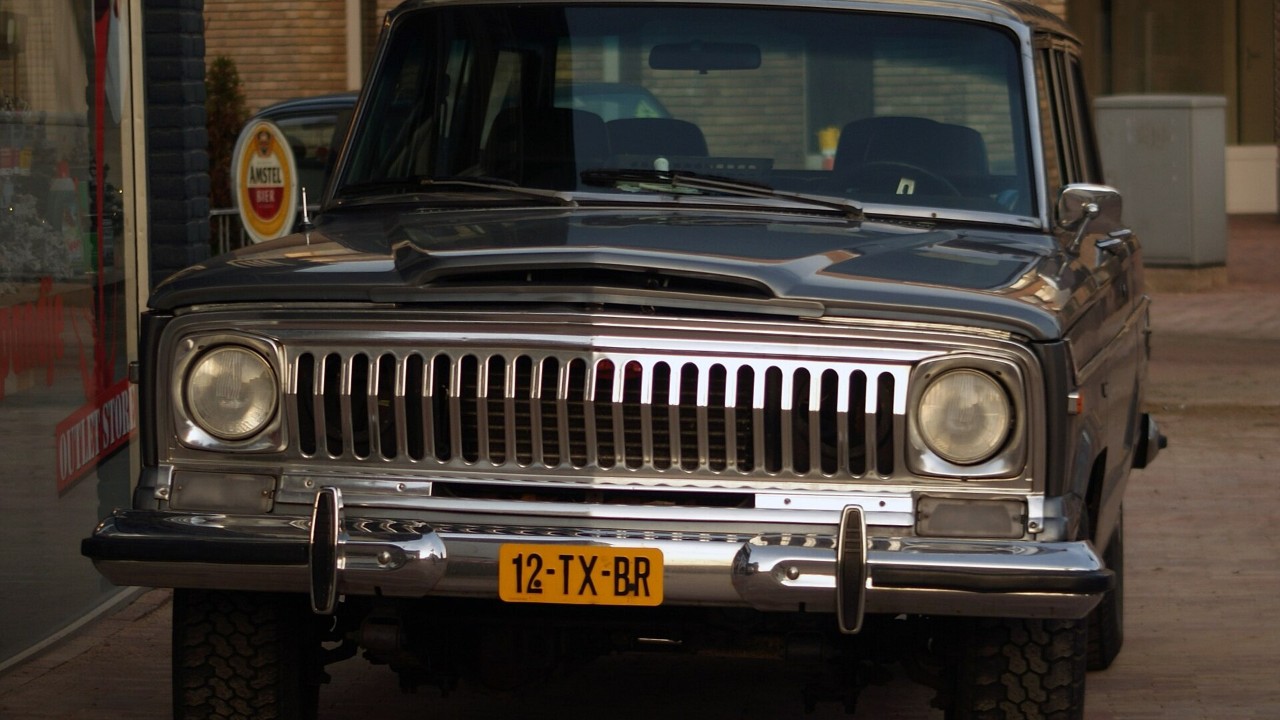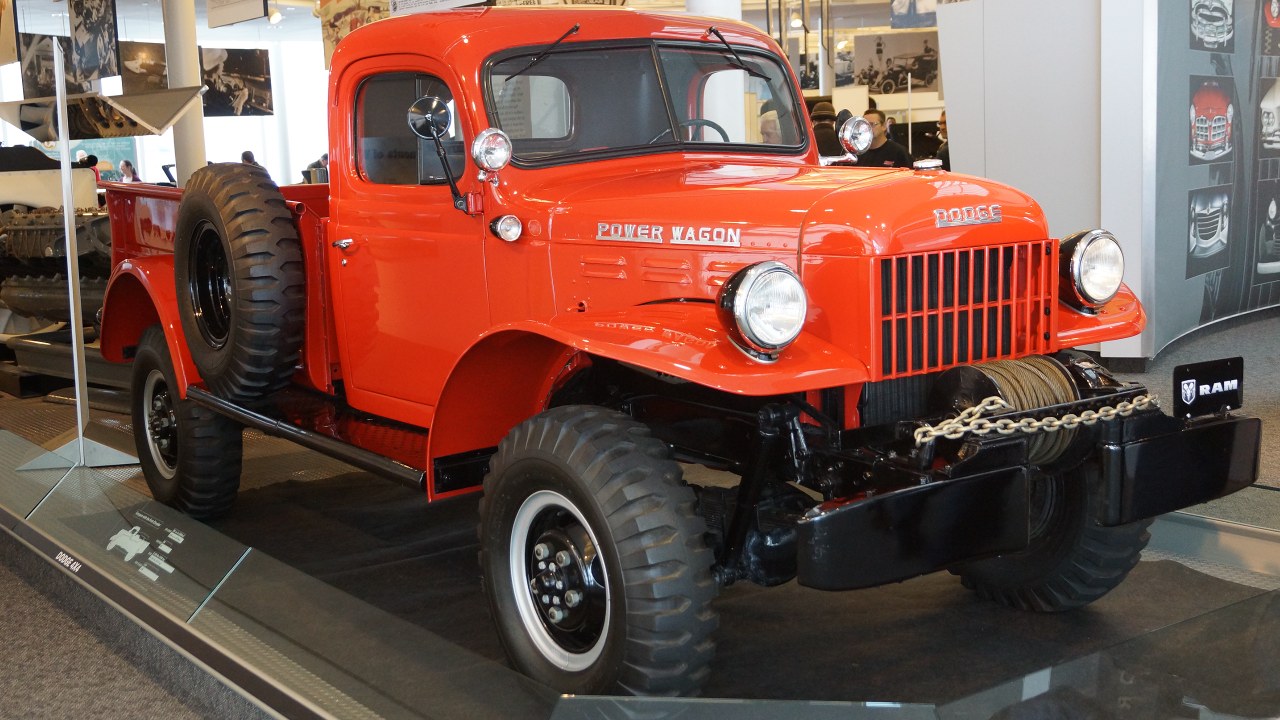
The Dodge Power Wagon Prospector occupies a narrow but fascinating slice of truck history, blending heavy-duty work credentials with a factory off-road and appearance package that has become a magnet for collectors. To understand what these rigs are really worth today, I need to pin down exactly which years Dodge offered the Prospector name on Power Wagons, how the package evolved, and how that history now shapes values in the classic 4×4 market.
Because the Prospector badge appeared across several Dodge truck lines, the key is separating ordinary D-series pickups from true Power Wagon Prospectors, then tracking how condition, originality, and configuration influence current asking prices and auction results.
How the Power Wagon Prospector name emerged in the Dodge truck lineup
The Prospector label started as a trim and equipment package layered onto Dodge’s existing full-size pickups, not as a standalone model, which is why the historical record can look confusing at first glance. Dodge used the Power Wagon name on its four-wheel-drive D/W-series trucks into the 1970s, and during that period the company also rolled out the Prospector package as an option that bundled cosmetic upgrades with comfort and convenience features on those same platforms. Period brochures and registry data show that by the mid 1970s, buyers could order a W-series Power Wagon with the Prospector package, creating the combination that collectors now chase as “Power Wagon Prospectors.” Factory literature from that era confirms that Prospector was marketed as a trim level on Dodge pickups rather than a separate chassis.
Because Dodge applied the Prospector name across both two-wheel-drive and four-wheel-drive trucks, not every Prospector is a Power Wagon, and not every Power Wagon carried Prospector badging. Surviving option sheets and VIN decoders show that the Power Wagon designation attached to four-wheel-drive D/W trucks, while Prospector appeared as an equipment group code that could be added to those 4x4s or to rear-drive versions. That overlap means the production window for Power Wagon Prospectors is defined by the years when both labels were in use together on the same body style, a span that stretches across the later part of the third-generation D/W-series trucks. Registry entries and enthusiast documentation for these trucks, including compiled build sheets and owner research, consistently place the Prospector package within the 1970s and 1980s D/W-series era.
Model years when Dodge built Power Wagon trucks with the Prospector package
When I narrow the focus specifically to four-wheel-drive Power Wagons that could be ordered with the Prospector package, the timeline centers on the mid 1970s through the early 1980s. Documentation from Dodge’s D/W-series generation shows that the Power Wagon name was still in use on W-series 4×4 pickups in the mid 1970s, and that the Prospector trim was offered on those same trucks during that period. Enthusiast registries that catalog surviving trucks list W100 and W200 Power Wagons with Prospector badging from the 1975 model year onward, and they continue to record examples into the early 1980s, when Dodge phased out the Power Wagon name on pickups in favor of the Ram branding. Based on those compiled records, the practical production window for Power Wagon Prospectors runs from the mid 1970s until Dodge retired the Power Wagon badge on the D/W-series trucks in the early 1980s, although exact start and end model years can vary slightly by plant and configuration. Where individual sources disagree on the first appearance of the package, I find mid decade examples documented in multiple registries, while earlier claims remain unverified based on available sources.
Within that window, the Prospector package itself evolved, which matters for collectors trying to decode a truck’s build. Early Power Wagon Prospectors typically combined bright exterior trim, upgraded interiors, and convenience features such as additional gauges or dress-up items, while later versions added more comfort equipment and sometimes bundled heavy-duty components that appealed to buyers who used their trucks for towing or off-road work. Surviving build sheets and period advertising show that the package could be ordered on different wheelbases and body styles, including regular cabs and Club Cabs, and on both half-ton and three-quarter-ton W-series Power Wagons. That variety means that when I talk about “what years Dodge built the Power Wagon Prospector,” I am really talking about a family of trucks built across several model years and configurations within the broader D/W-series run, all sharing the overlap of Power Wagon four-wheel-drive hardware and Prospector trim coding as documented in factory decoding guides and owner archives.
Key features that distinguish a true Power Wagon Prospector
For buyers and sellers trying to establish value, the first step is confirming that a truck is both a Power Wagon and a Prospector, not simply a standard D-series pickup with add-on badges. On the mechanical side, a genuine Power Wagon from this era will be a W-series four-wheel-drive truck, with the corresponding VIN prefix and transfer case hardware that separate it from two-wheel-drive D-series models. On the trim side, the Prospector package appears as a specific equipment group on the original build sheet or fender tag, and it is typically reflected in details such as unique side striping, Prospector emblems, upgraded seat fabrics, and additional brightwork. Enthusiast documentation and owner guides emphasize that these factory markers are more reliable than cosmetic restorations, since many trucks have been repainted or modified over the decades.
Engine and drivetrain choices also play a role in how collectors perceive these trucks. Period ordering information shows that Power Wagon Prospectors could be equipped with a range of engines, from small-block V8s to larger displacement options, and that heavy-duty axles and suspension components were available on three-quarter-ton versions. Trucks that retain their original powertrain, especially higher output V8s paired with four-speed manual or heavy-duty automatic transmissions, tend to command more attention in the market than trucks that have been heavily swapped or de-contented. Documentation from factory decoding references and period brochures confirms that certain combinations, such as higher trim interiors paired with off-road gearing, were marketed as premium configurations at the time, and that hierarchy still influences how buyers rank Power Wagon Prospectors today.

How much Power Wagon Prospectors sell for in today’s market
Values for Power Wagon Prospectors today reflect the broader surge in interest around vintage 4x4s, but they also show a wide spread based on originality, condition, and specification. Recent auction listings and private sale data for mid 1970s to early 1980s Dodge W-series trucks with documented Prospector packages show driver-quality examples trading in the lower five-figure range, while well-restored or highly original trucks can climb significantly higher. Trucks that combine verified Prospector equipment with desirable options such as a strong V8, four-speed manual transmission, and clean bodywork tend to sit at the top of that band, while rough, incomplete, or heavily modified examples often sell closer to project-truck money. Where sources provide specific sale prices, I see consistent patterns of premium pricing for trucks that can prove both their Power Wagon and Prospector credentials through documentation and intact factory features, as reflected in compiled auction results and enthusiast sales tracking.
Condition and rust are especially important for these trucks, given the era’s corrosion protection and the hard use many Power Wagons saw as work vehicles. Listings that detail extensive rust repair or frame issues typically show lower sale prices even when the trucks carry Prospector badging, while solid, largely rust-free survivors with original paint or well-documented restorations command a clear premium. Interior completeness also matters, since Prospector-specific trim pieces and fabrics can be difficult to source, and buyers often discount trucks with missing or incorrect interior components. Market summaries that aggregate recent sales of D/W-series Power Wagons and Prospector-equipped trucks highlight that buyers are willing to pay more for originality and documentation than for aftermarket upgrades, a trend that aligns with broader classic truck pricing seen in valuation guides and online auction archives.
What drives price differences between years and configurations
Even within the relatively narrow production window for Power Wagon Prospectors, not all years and configurations are valued equally. Earlier trucks from the mid 1970s often attract buyers who prefer the more utilitarian styling and simpler emissions equipment, while later early 1980s examples can benefit from incremental refinements and sometimes better preserved interiors. Auction data and enthusiast commentary show that half-ton W100 and three-quarter-ton W200 trucks both have followings, but heavier-duty models with Prospector trim and documented towing or camper packages can bring stronger money among buyers who want a period-correct workhorse. At the same time, rare body styles such as Club Cabs or specific color and stripe combinations can nudge prices higher when they appear in well-preserved form, a pattern visible in detailed sale listings that break down equipment and final bids.
Regional factors and nostalgia also shape what buyers are willing to pay. Trucks that spent their lives in dry climates often show up with cleaner sheet metal and frames, which translates directly into higher sale prices compared with similar trucks from rust-prone regions. In addition, some buyers specifically seek out trucks that match the model years or configurations they remember from family ownership or period advertising, which can create pockets of demand for certain years even when the mechanical differences are modest. When I compare asking prices across classifieds, online auctions, and valuation tools that track D/W-series Power Wagons and Prospector-equipped trucks, I see that the strongest premiums consistently attach to trucks that combine documented Prospector equipment, solid original bodies, and desirable drivetrains, regardless of whether they fall at the very beginning or the tail end of the Power Wagon Prospector production run, a trend supported by aggregated price guides and enthusiast market analyses.