
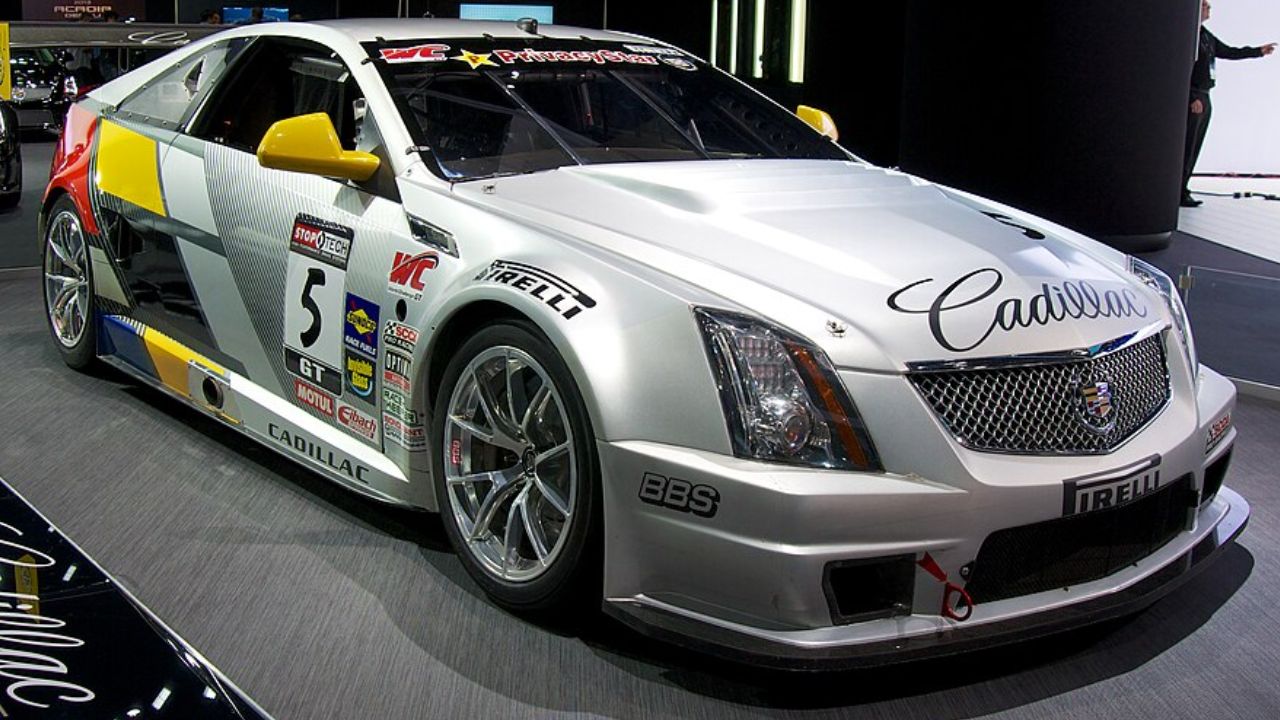
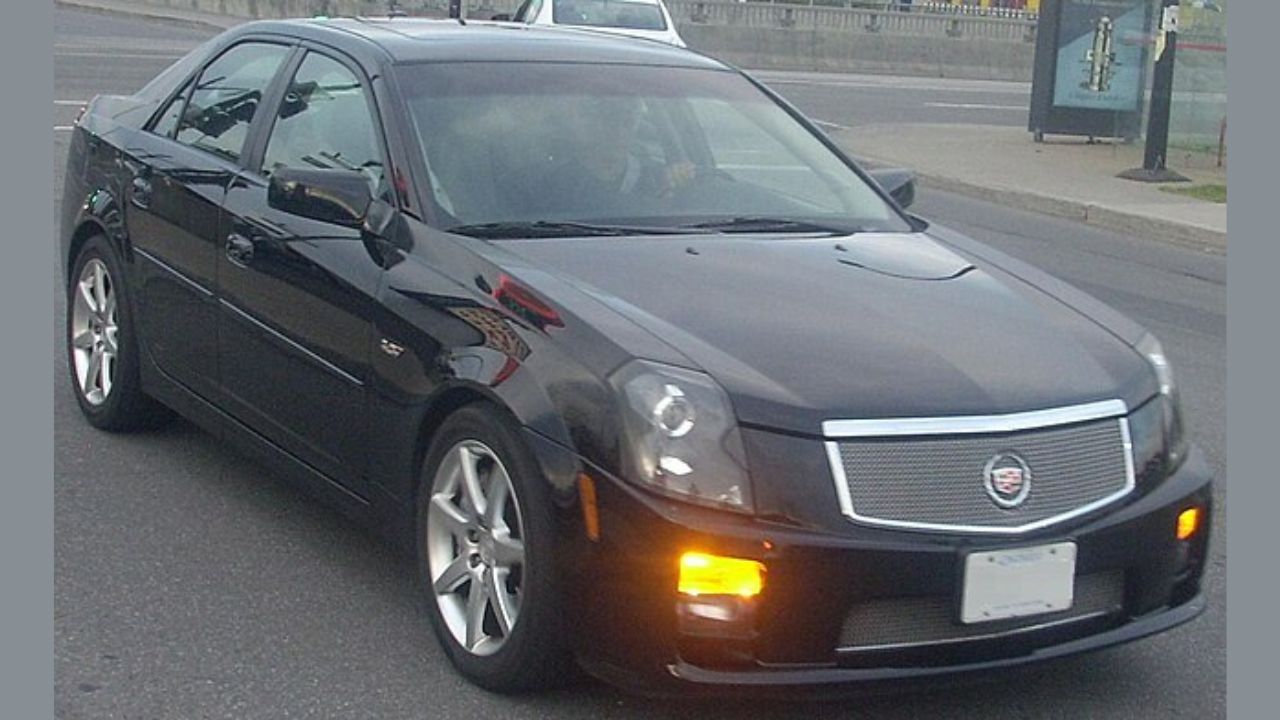
In 2004, Cadillac launched the CTS-V, a midsize luxury sedan powered by the same LS6 V8 used in the Corvette Z06. It wasn’t just a rebadged performance car—it marked Cadillac’s push to reassert itself as a serious player in the global sport sedan game. With rear-wheel drive, a manual transmission, and a Corvette heart, the CTS-V made Cadillac loud again. Here are eight facts that prove just how real it was.
It shared its engine with the C5 Z06
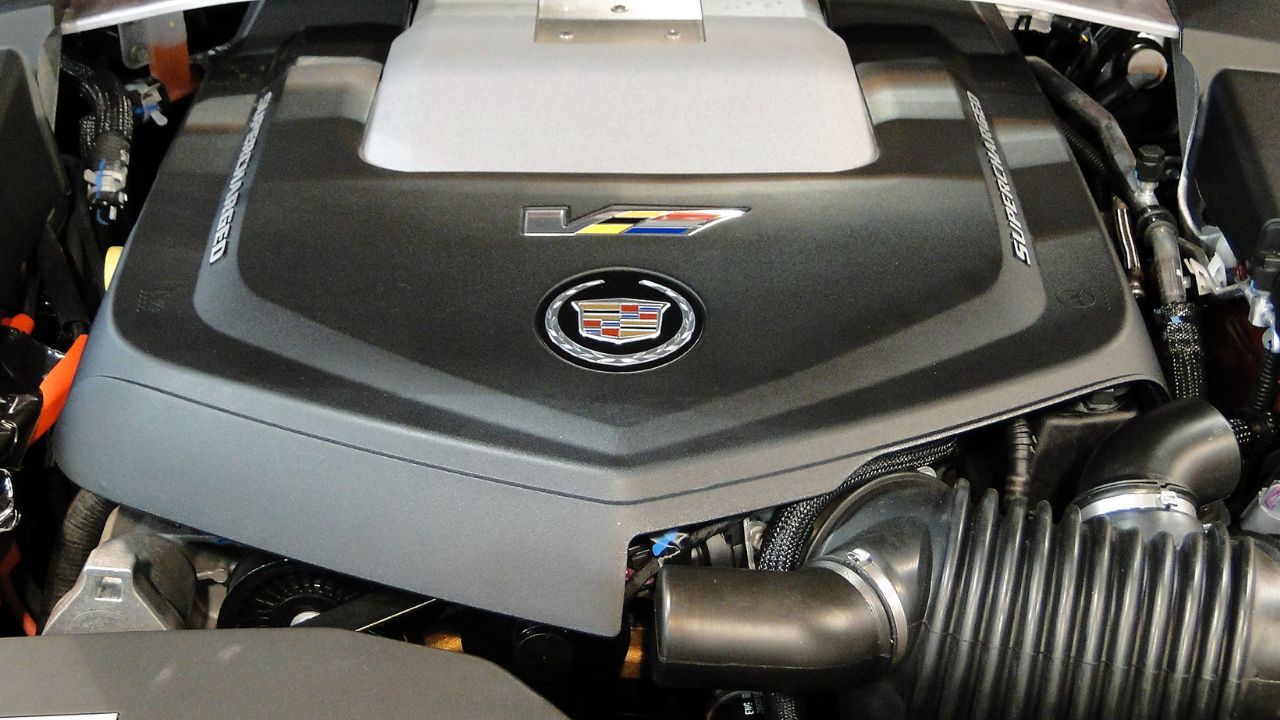
The first-gen CTS-V came equipped with the 5.7-liter LS6 V8 from the C5 Corvette Z06. It made 400 horsepower and 395 lb-ft of torque—big numbers for a Cadillac in 2004.
This was no detuned version either. It had the same aluminum block, high-flow heads, and aggressive cam profile as the Corvette. It revved hard and pulled fast, with a soundtrack that felt more track day than valet line.
It only came with a manual transmission
Cadillac offered the CTS-V with a six-speed Tremec T56 manual gearbox—no automatic was available. That was a bold move for a luxury brand, but one that signaled the car’s intent.
The T56 was the same gearbox found in the Z06, giving the CTS-V legit performance pedigree. Clutch take-up was firm but manageable, and shifting was tight. It told drivers: this wasn’t built for coasting.
The chassis came from GM’s global RWD platform
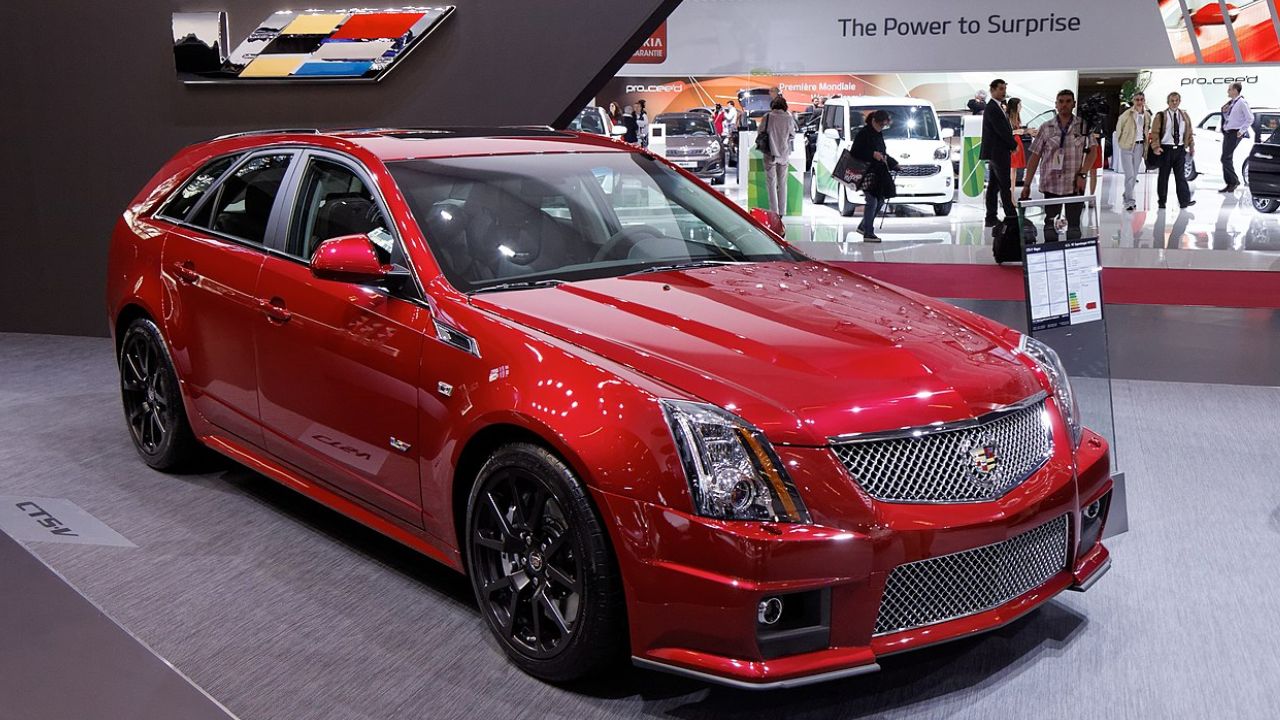
The CTS-V rode on GM’s Sigma platform, which was designed to support rear-wheel drive and even all-wheel drive. For the V, Cadillac beefed it up with stiffer shocks, larger anti-roll bars, and unique bushings.
It used hydraulic steering, not electric, giving it the kind of feedback you’d expect in a BMW M3 rival. The suspension tuning was finished at the Nürburgring—where Cadillac made sure this car could actually hustle.
It had massive Brembo brakes from the factory
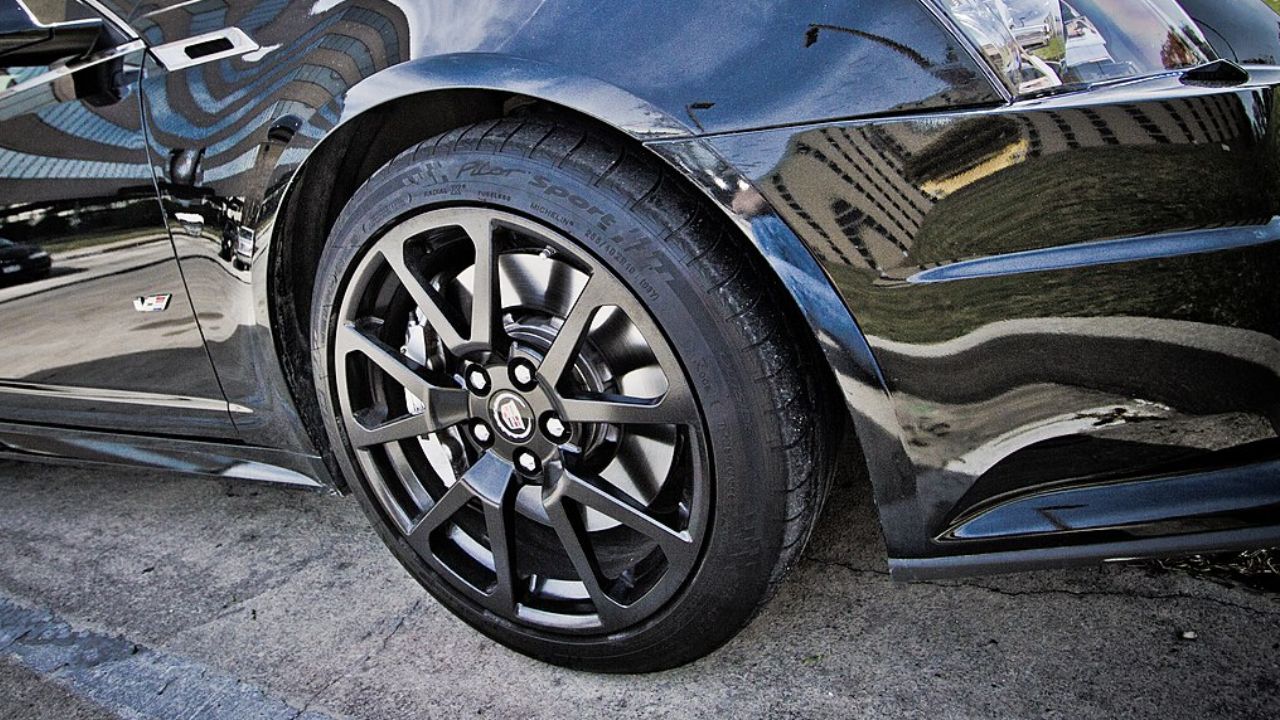
To tame all that power, Cadillac fitted the CTS-V with Brembo four-piston calipers and 14-inch rotors up front. Rear brakes were slightly smaller but still serious for a luxury sedan.
These weren’t flashy name-brand upgrades—they were chosen for fade resistance and track performance. It gave the CTS-V braking confidence that matched its straight-line speed.
It hit 60 mph in under five seconds
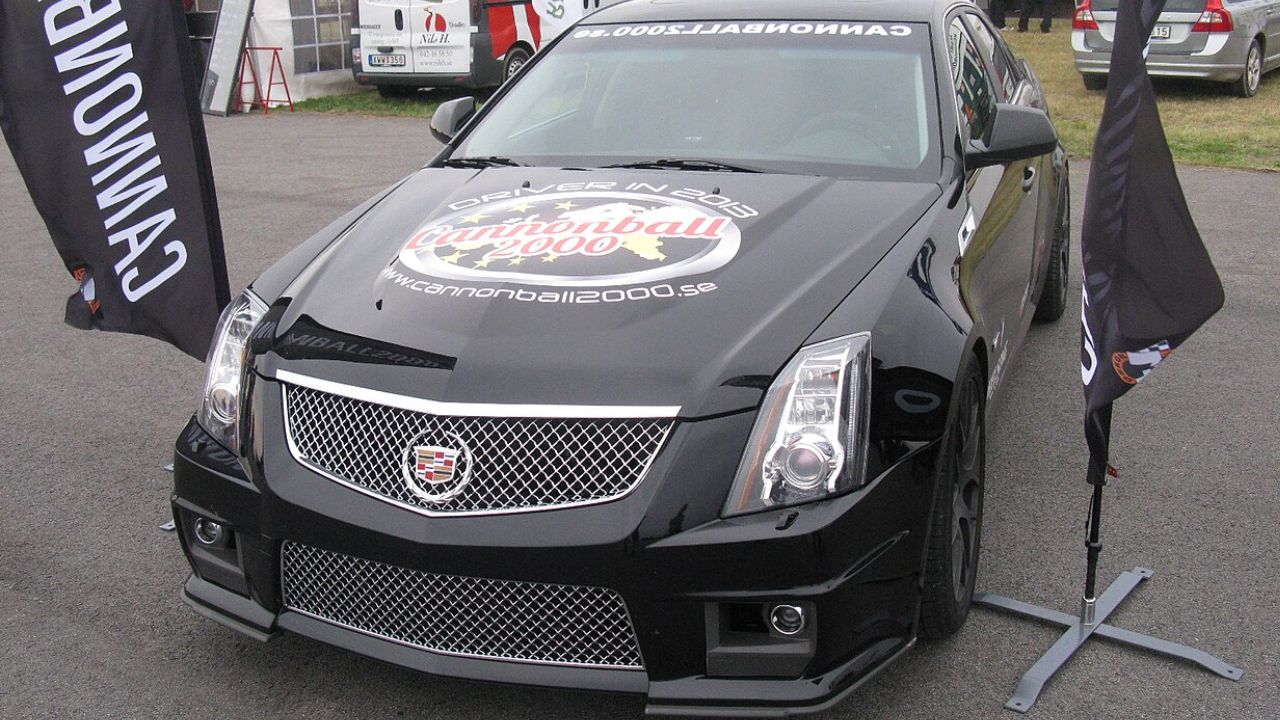
Independent tests pegged the CTS-V’s 0–60 mph time at 4.6 seconds, with the quarter mile in the mid-13s. That was quicker than the Mercedes E55 AMG and Audi S6 of the time.
Its curb weight was around 3,850 pounds, which made its acceleration even more impressive. For a car that started at $49,300, it was a solid performance-per-dollar equation.
The interior blended luxury with performance
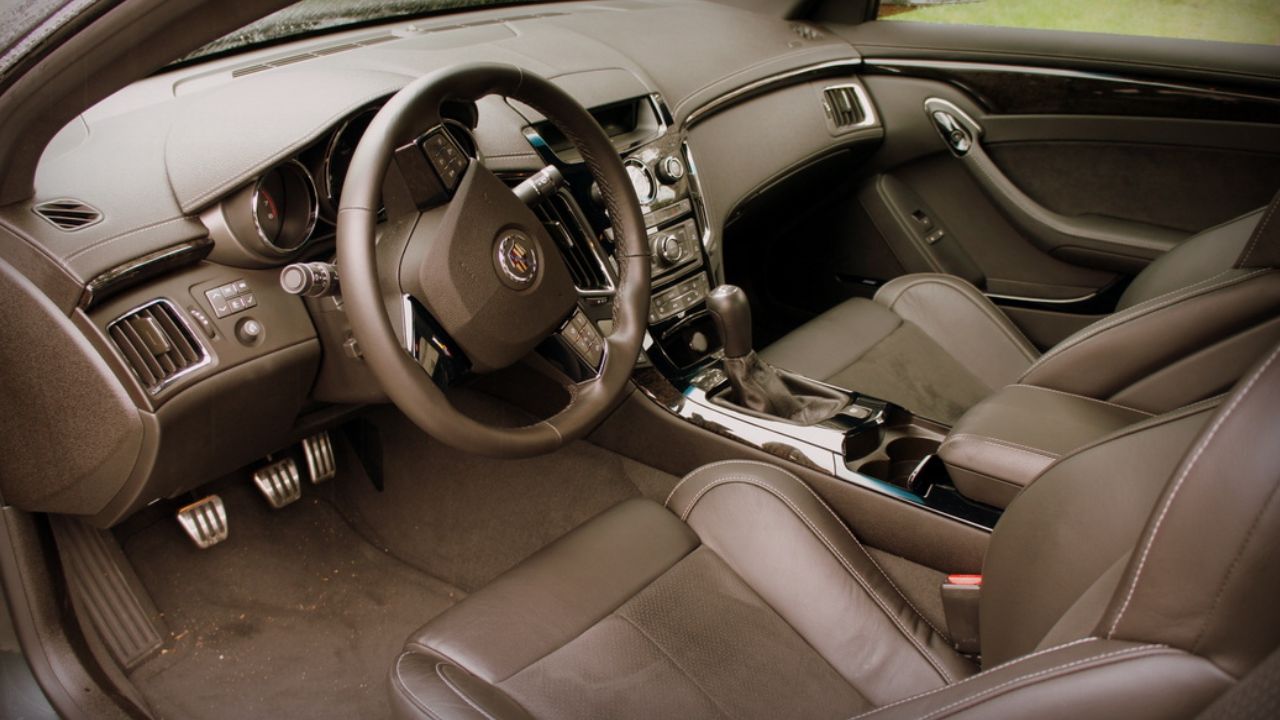
The cabin used traditional Cadillac wood accents, but added V-specific seats, white-faced gauges, and a short-throw shifter. It wasn’t minimalist, but it wasn’t soft either.
Later models added suede seat inserts and steering wheel grips for better hold. For a company still known for floaty DeVilles, the CTS-V’s cabin was a shift in tone—less cruise, more control.
Production numbers were limited but meaningful
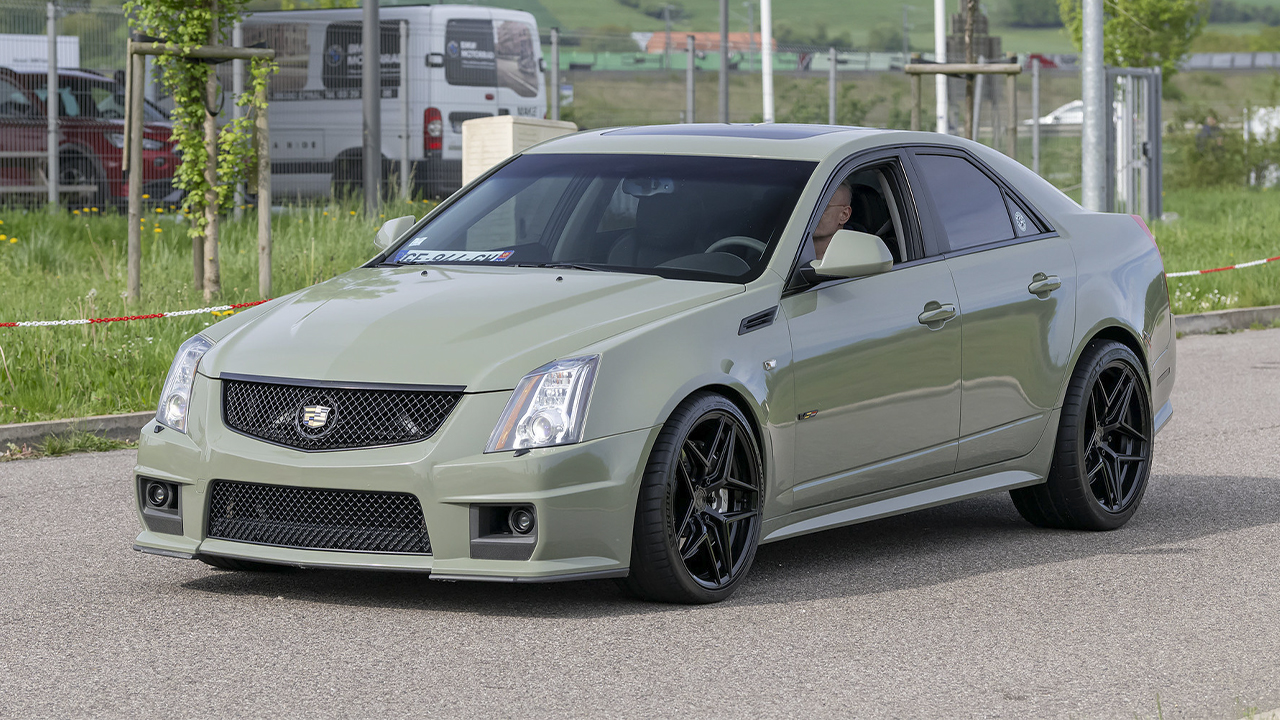
From 2004 to 2007, Cadillac produced just over 8,900 first-generation CTS-Vs. It wasn’t a mass-market car, but it laid the groundwork for future V-Series models.
It also signaled that Cadillac was serious about competing with German performance sedans. Without this car, there’s no CTS-V wagon, no Blackwing, and maybe no reason to take Cadillac seriously today.
It forced Europe to take notice
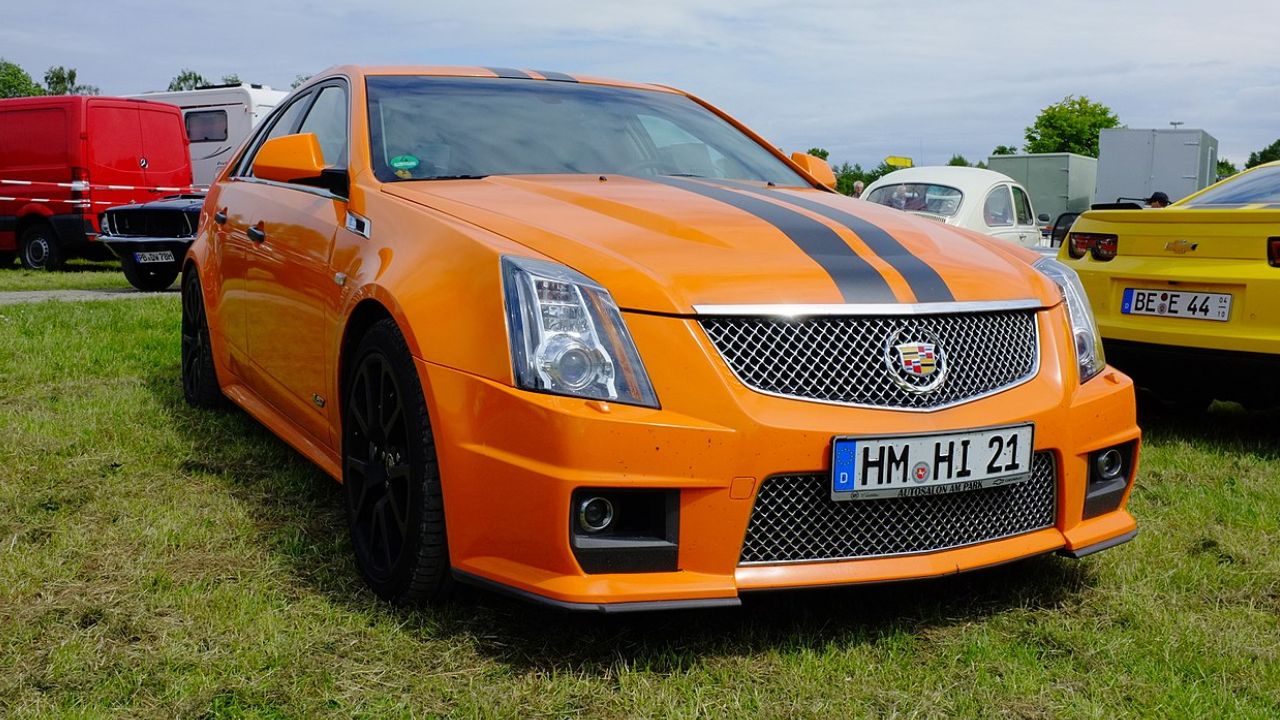
The CTS-V wasn’t perfect—early models had axle hop issues and clutch complaints—but it got respect. It showed up on racetracks and in comparison tests against BMW’s M cars and AMG sedans.
What made it stand out was its raw American personality. It didn’t try to be German—it just hit hard, sounded mean, and proved Cadillac could do more than build quiet cruisers.
Like Fast Lane Only’s content? Be sure to follow us.
Here’s more from us:
*Created with AI assistance and editor review.


Leave a Reply