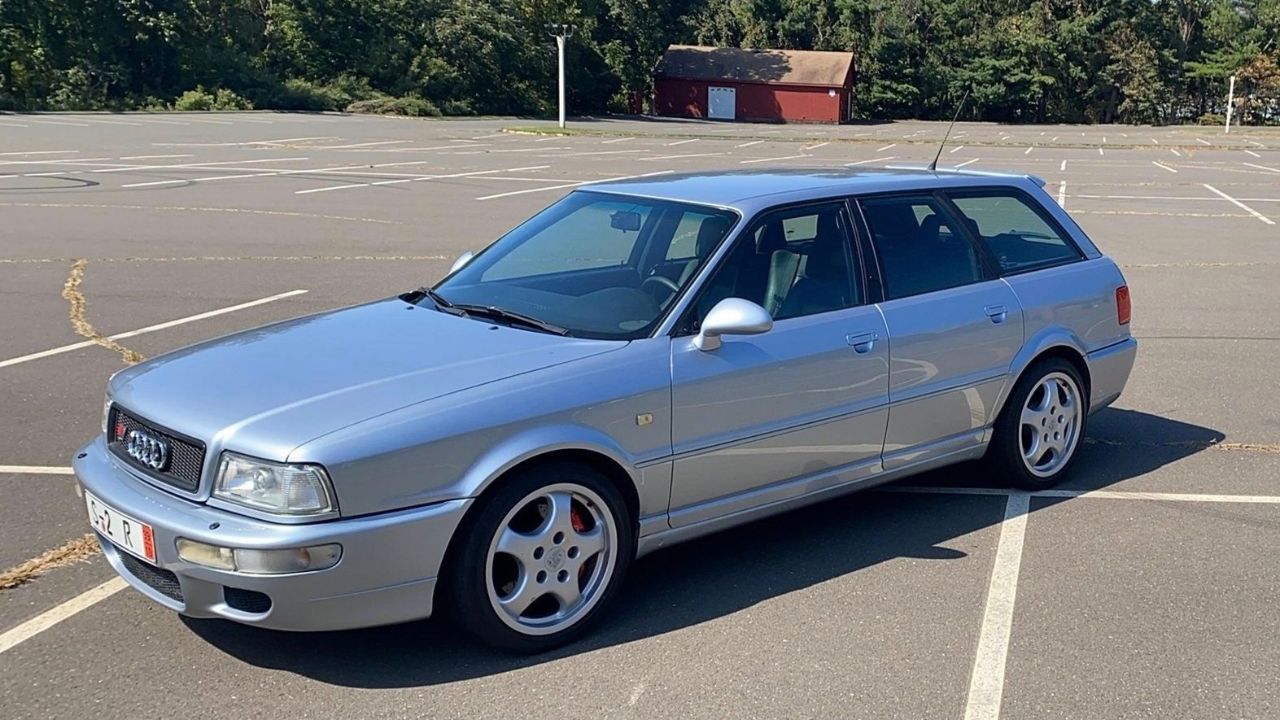
In the world of automobiles, the traditional hierarchy often places sporty coupes ahead of practical wagons in terms of speed and performance. However, there have been moments in automotive history when wagons not only matched but surpassed the performance of their coupe counterparts. This exploration delves into the intriguing instances when wagons were faster than coupes, highlighting the engineering marvels and market shifts that made it possible.
The Rise of the Performance Wagon
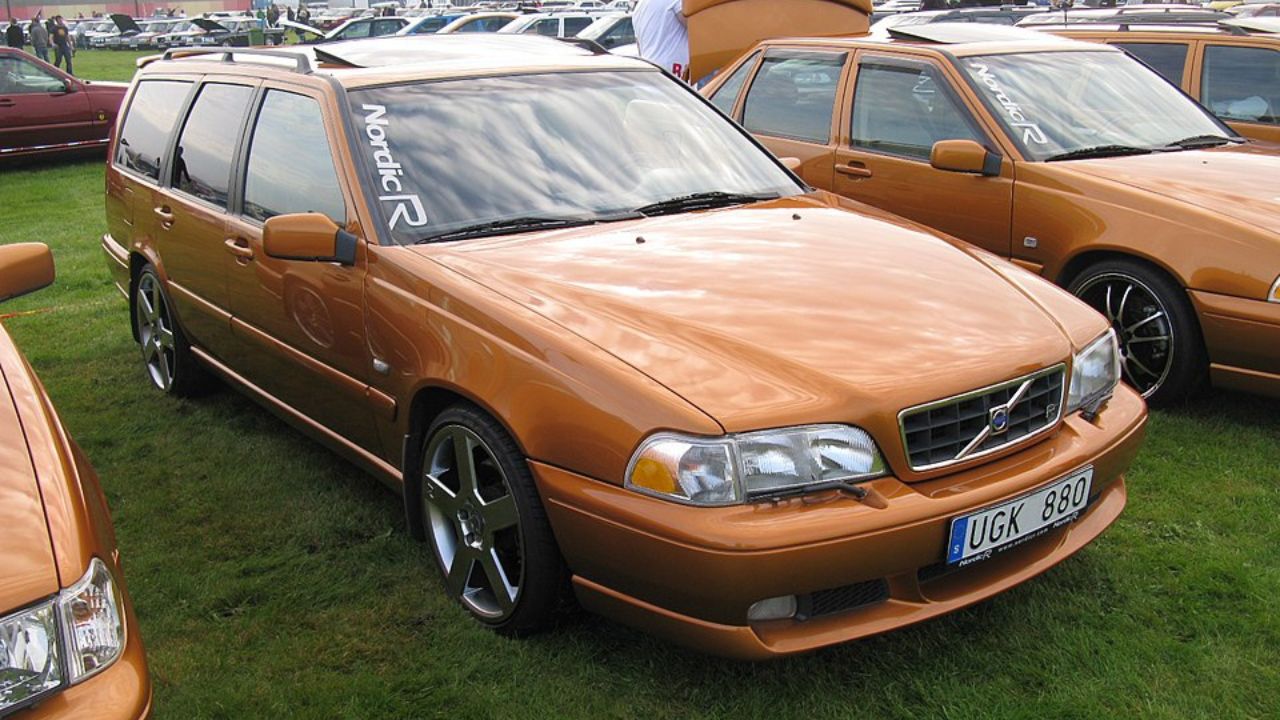
The concept of a performance wagon began to take shape in the 1980s and 1990s, a time when manufacturers started to recognize the potential of combining practicality with speed. This period witnessed the birth of vehicles that challenged preconceived notions about wagons, transforming them from mundane family haulers into exciting driving machines. Notable brands began to explore this niche, experimenting with new designs and technologies that would lay the foundation for the performance wagons we see today.
Among the pioneering models were the Audi RS4 Avant and the Volvo V70R, which became icons of the performance wagon category. The Audi RS4 Avant, in particular, set a new benchmark with its powerful engine and dynamic handling, proving that a wagon could indeed compete with sports cars. Similarly, the Volvo V70R brought a blend of Swedish engineering and performance prowess, offering a compelling alternative to traditional sports cars. These models showcased significant engineering advancements that allowed wagons to achieve remarkable performance, paving the way for future innovations.
Consumer demand played a crucial role in the rise of performance wagons. As lifestyles evolved, there was a growing interest in vehicles that could offer both functionality and excitement. Buyers were increasingly drawn to the idea of a car that could serve as a practical family vehicle during the week while delivering thrilling performance on the weekends. This shift in preferences helped drive the development of high-performance wagons, as manufacturers sought to cater to this emerging market.
Engineering Marvels: How Wagons Became Speed Demons
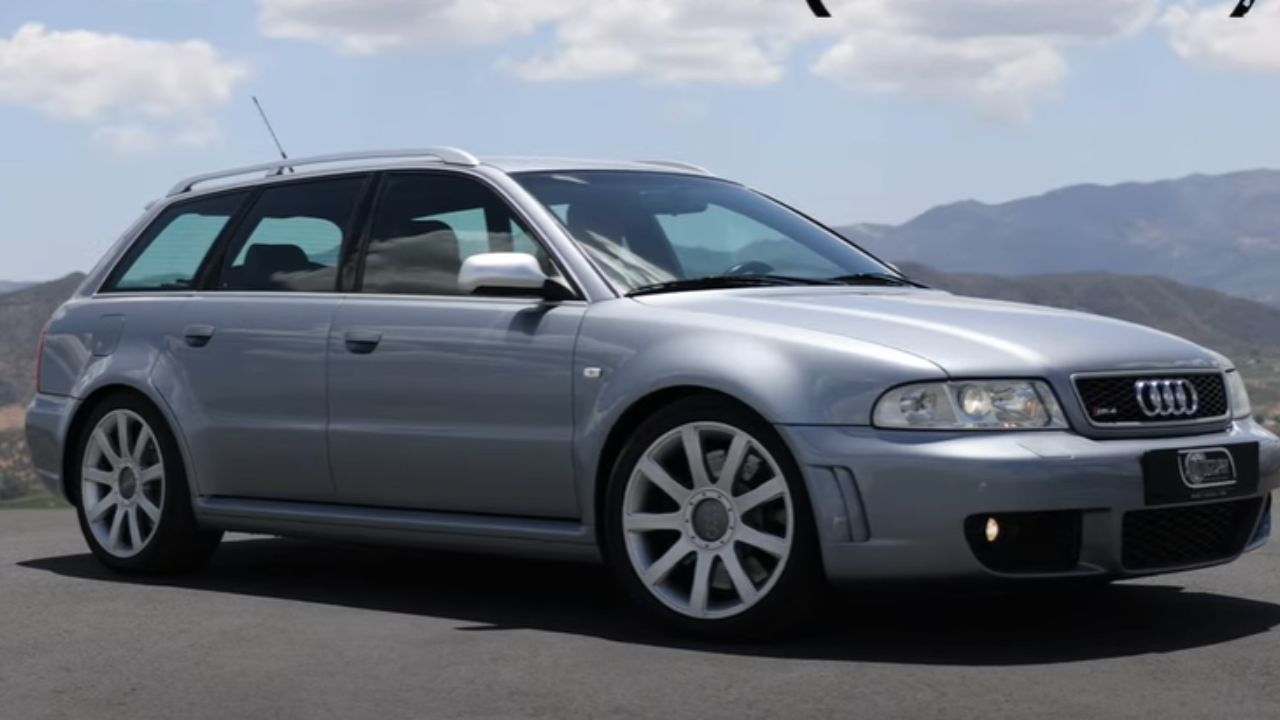
At the heart of the transformation of wagons into speed demons were advanced powertrains. Manufacturers equipped these vehicles with powerful engines and sophisticated transmission systems, enabling them to achieve impressive performance metrics. Companies like Audi, Mercedes-Benz, and BMW led the way, incorporating technical innovations that enhanced power delivery and efficiency, making wagons an enticing proposition for performance enthusiasts.
Aerodynamics and design also played a pivotal role in the evolution of performance wagons. Engineers focused on reducing drag and optimizing the vehicle’s shape to enhance speed without compromising the traditional wagon silhouette. This attention to detail in design allowed wagons to maintain their practicality while offering the performance characteristics typically associated with sports cars.
Moreover, the integration of cutting-edge technology further enhanced the capabilities of performance wagons. Adaptive suspension systems, all-wheel drive, and advanced traction control were among the technologies that allowed these vehicles to handle and accelerate with remarkable agility. These innovations ensured that performance wagons could rival sports cars not only in straight-line speed but also in overall driving dynamics.
Comparing Performance Metrics: Wagons vs. Coupes
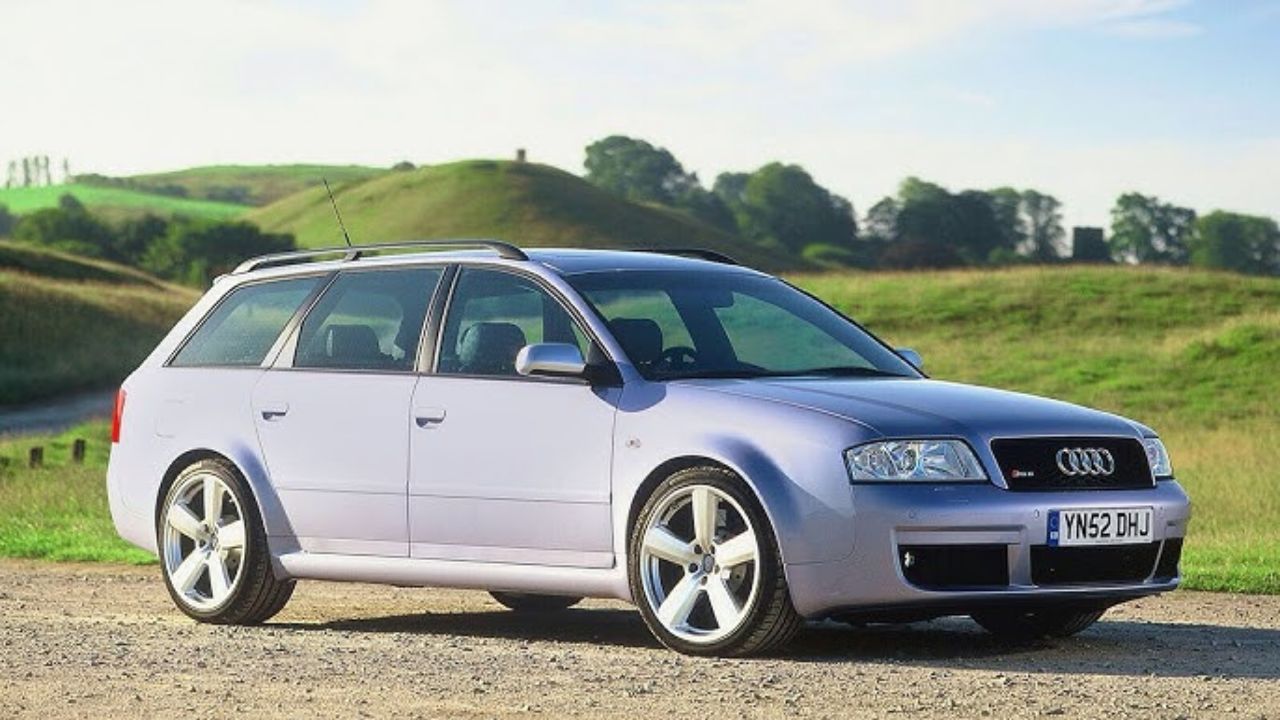
When comparing performance metrics, some wagons have indeed outperformed their coupe counterparts, particularly in terms of acceleration and top speed. For instance, models like the Audi RS6 Avant and the Mercedes-AMG E63 Estate have demonstrated that wagons can achieve blistering acceleration times and impressive top speeds. These vehicles have been known to outpace some sports coupes, showcasing the remarkable engineering that underpins their performance capabilities.
Handling and braking are other areas where performance wagons have excelled. Thanks to advanced suspension setups and powerful braking systems, these wagons can rival coupes in terms of agility and stopping power. Expert analyses and real-world tests have highlighted scenarios where performance wagons demonstrated superior handling, proving that they can hold their own on challenging terrains and in demanding driving conditions.
Real-world tests and reviews have consistently validated the performance credentials of high-performance wagons. These tests often highlight the versatility of wagons, showcasing their ability to deliver thrilling driving experiences while offering the practicality that coupe enthusiasts might find lacking. Whether on the track or on a winding country road, performance wagons have proven their mettle time and again.
Cultural Impact and Market Perception
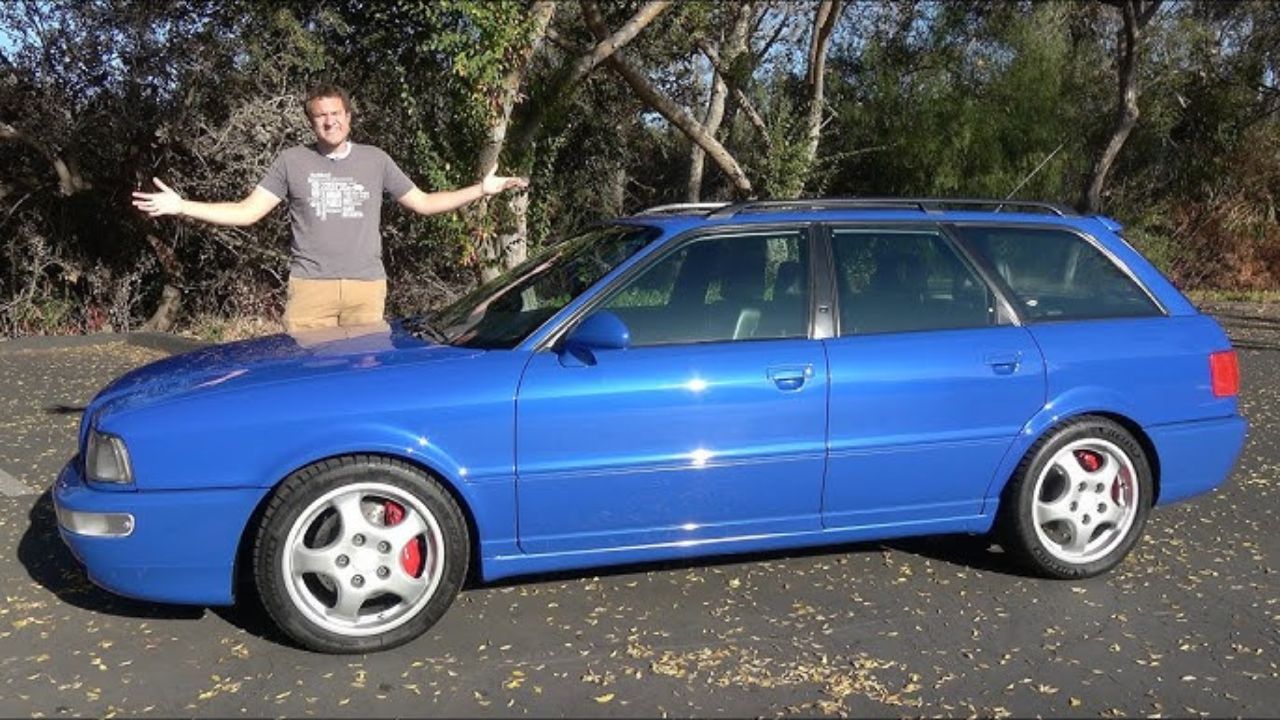
The success of performance wagons has significantly influenced public perception, challenging traditional notions of vehicle categories and performance expectations. As these vehicles gained popularity, they began to redefine what a wagon could be, shifting the narrative from utilitarian to exhilarating. This shift in perception is evident in the growing number of enthusiasts who appreciate the unique blend of practicality and performance that wagons offer.
The rise of fast wagons has also had a notable impact on the development of coupes. As wagons began to match or exceed the performance of coupes, manufacturers of the latter were compelled to innovate and enhance their offerings to stay competitive. This competitive pressure has resulted in a new wave of coupes that boast improved performance and cutting-edge features, elevating the entire automotive industry in the process.
Cultural moments and media representations have further solidified the status of performance wagons in popular culture. From appearances in movies and television to features in car enthusiast publications, these vehicles have captured the imagination of audiences worldwide. The cultural cachet of performance wagons continues to grow, as evidenced by dedicated fan communities and social media groups that celebrate these remarkable vehicles. One such example is a Facebook page that humorously claims, “Coupe is OK, but a Wagon,” highlighting the cult following these vehicles have achieved.
The Future of Performance Wagons
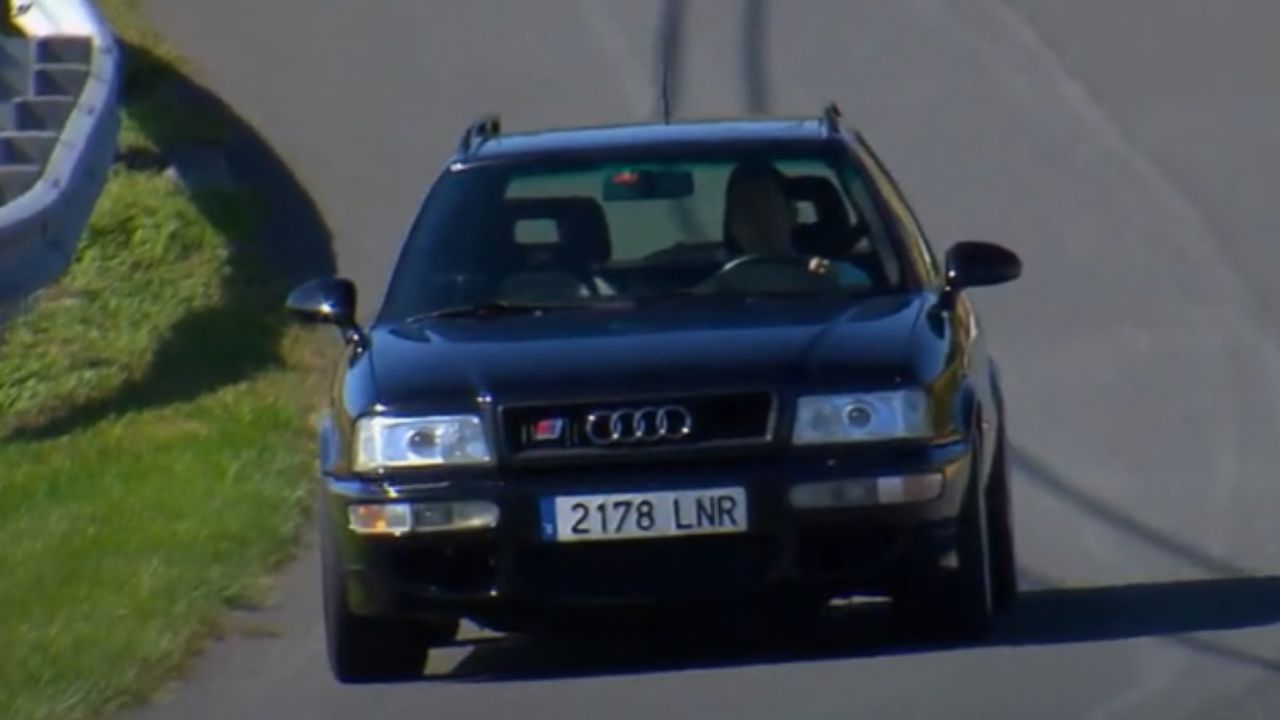
Looking to the future, several trends in the automotive industry could influence the next generation of performance wagons. The shift towards electrification and sustainability presents both opportunities and challenges for these vehicles. As manufacturers explore electric powertrains and hybrid technologies, performance wagons are likely to evolve, offering even greater efficiency and performance while reducing their environmental impact.
However, performance wagons face challenges in maintaining their edge over coupes. Regulatory changes, such as stricter emissions standards, could impact the development of powerful internal combustion engines, potentially affecting performance. Additionally, evolving consumer preferences and the rise of alternative vehicle types, like SUVs and crossovers, may pose challenges for the traditional wagon market.
Manufacturers to watch in this space include Audi, BMW, and Mercedes-Benz, all of which have a proven track record in developing high-performance wagons. These companies continue to push the boundaries of what is possible, incorporating cutting-edge technologies and innovative designs to create the next wave of performance wagons. As the automotive landscape evolves, these manufacturers are poised to lead the charge, ensuring that performance wagons remain a compelling choice for enthusiasts around the world.