Modern engine bays are filled with black plastic where bright cast aluminum once sat, and few parts symbolize that shift more clearly than valve covers. Automakers have largely traded metal for molded composites not because plastic is tougher in every way, but because it solves a different set of problems around cost, weight, packaging, and production speed that matter more to today’s car business than old‑school durability.
I see that tradeoff play out in everything from mass‑market crossovers to high‑output turbo engines, where plastic valve covers are now structural, acoustic, and emissions components as much as simple oil lids. The result is a quieter, lighter, cheaper engine package that can be built quickly at scale, even if owners sometimes pay later in leaks and heat‑related aging.
Weight, emissions and the business case for plastic
The first reason metal lost ground is simple physics. Plastic components are significantly lighter than steel or aluminum, which lets automakers trim kilograms from the top of the engine and lower overall vehicle mass. That weight reduction directly improves fuel economy and tailpipe emissions, a priority that has only intensified as regulators tighten standards and as Automakers Use Lightweight Plastic to Improve Fuel Efficiency and Carmakers chase every fractional gain. Suppliers that specialize in plastics describe how lighter parts mean the engine does “Less Work” to move the car, which lines up with broader claims that The Perks of Going Plastic include better fuel efficiency and emissions when metal parts are converted.
There is also a clear economic logic. Plastic often costs less to mold, handle, and ship than machined or cast metal, especially once tooling is amortized across high volumes. Industry analysis of Why Plastic is Critical to Modern Car Manufacturing points out that plastics are not just lighter but also central to cost control and design flexibility. Another breakdown of Across automotive sectors notes that manufacturers are under pressure to minimize costs and maximize efficiency, and plastic components fit that agenda because they can be molded into complex shapes in a single operation and even reground for reuse. For valve covers, that means one integrated plastic piece can replace several metal stampings and brackets, cutting both material and assembly expense.
Packaging, integration and the “plastic mess” under the hood
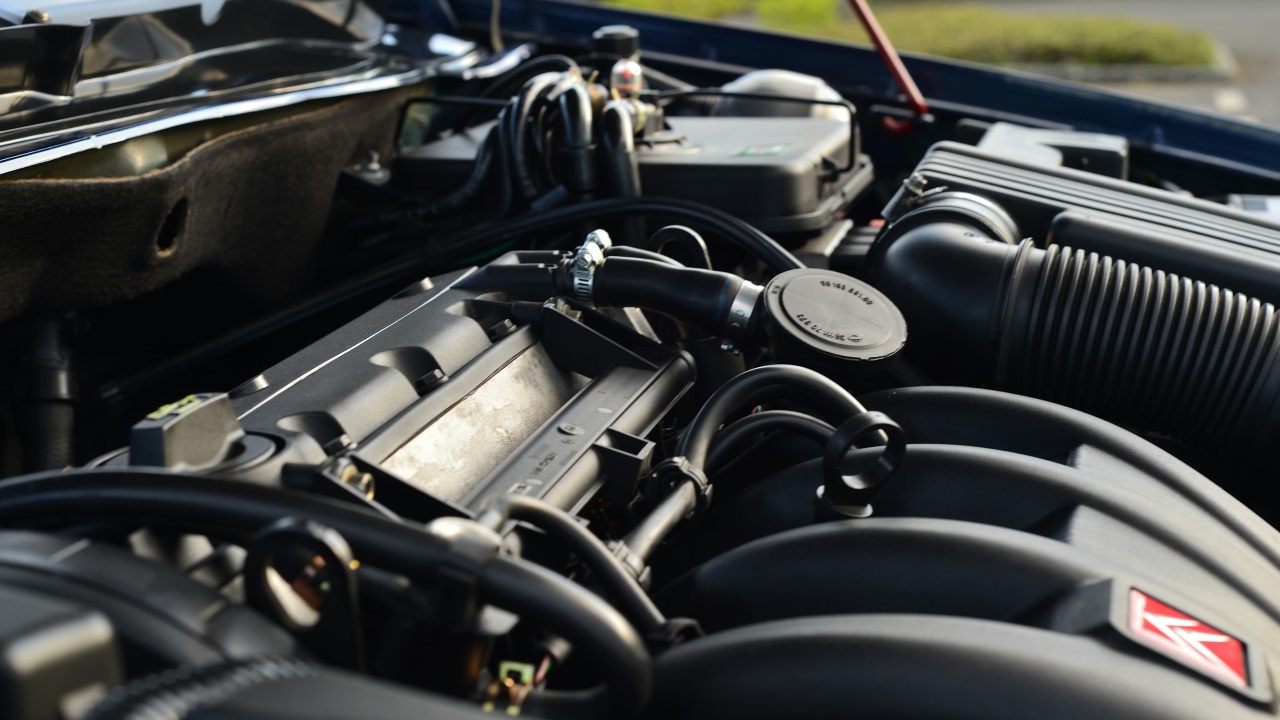
Modern engines are dense with sensors, injectors, and emissions hardware, and that complexity has turned the top of the cylinder head into valuable real estate. Plastic valve covers allow engineers to integrate oil separators, PCV passages, ignition coil mounts, and wiring channels directly into the cover itself, something that is far more cumbersome with traditional metal. Reporting on plastics used under the hood notes that But the old rule of thumb about metal being mandatory near the engine is changing as suppliers use plastic to reduce weight and package more functions into a single part.
That integration is part of why some engine bays now look like a “plastic mess.” One detailed explanation of why Automakers keep shoveling plastic in there points to plastic engine covers and related components as a way to hide complex electronics and plumbing while protecting them from debris and casual tampering. A separate discussion of What Is An Engine Cover describes the engine cover as a plastic component that shields the engine compartment, including injectors and the air intake, from dirt and damage. Valve covers sit just beneath or even form part of that plastic shell, so the same logic applies: a molded composite piece can route air, mount coils, and manage oil vapors in one tidy package, even if it offends enthusiasts who prefer bare metal.
Noise, vibration and the customer experience
Durability is not the only performance metric that matters in a showroom. Engines are noisy, and most buyers do not want to hear mechanical clatter every time they accelerate onto a highway. Plastic structures over and around the cylinder head help damp that sound. One analysis of engine bay plastics notes that Engines are noisy, and your average Joe does not want to hear a Kia inline‑4 whine up to 60 m, so a plastic cover helps reduce the thrum. When that acoustic shell is combined with a plastic valve cover that already encloses the valvetrain, the result is a quieter cabin that feels more refined, even if the underlying engine is unchanged.
Plastic also insulates against heat and vibration differently than metal, which can be an advantage for sensitive electronics mounted directly on or near the valve cover. Under‑hood plastics specialists describe how plastic parts can be engineered to handle the temperature swings of an engine bay while still offering design freedom for clips, ribs, and mounting bosses that keep wiring and sensors secure. The same industry overview that notes Now that automakers are in recovery mode they are using more plastic extrusions under the hood also highlights that these materials are tailored for the harsh environment around the engine. In practice, that means a plastic valve cover can be tuned to absorb vibration and shield components, which improves perceived quality even if the part itself may not last as long as a thick metal casting.
Manufacturing speed, design freedom and cost pressure
From the factory’s perspective, plastic valve covers are attractive because they are faster and more flexible to produce. Analyses of Plastic Parts and Products Offer Fast Production Times emphasize that one of the main arguments for plastic is how quickly parts can be machined or molded compared with metal. Once a mold is built, each cycle can produce a finished cover with integrated features that would require multiple machining and assembly steps in aluminum or steel. That speed translates into lower labor costs and more consistent quality, which matters when a manufacturer is building hundreds of thousands of engines a year.
Suppliers that promote converting metal parts to plastic highlight that plastic often costs less to make, mold, and move, and that it is Easier to handle on the production line. Another breakdown of why automakers are shifting to plastic parts notes that Here are some benefits to plastic components, including the ability to be made stronger than metal in specific applications and to be reground for reuse. For valve covers, that means automakers can respond quickly to design changes, integrate new emissions hardware, or tweak coil mounting without retooling a complex metal casting, all while keeping per‑unit costs down in a fiercely competitive market.
The durability tradeoff and what owners actually see
None of this means plastic valve covers are inherently more durable than metal. In fact, the tradeoff is explicit in some reporting. A focused look at the trend notes that Jan analysis points out that while metal valve covers can last longer, modern cars use plastic because plastic is cheaper and lighter and parts can be made faster. That aligns with real‑world experiences from mechanics and owners. In one Apr Comments Section discussion of plastic engine valve covers, a user named ka36 described having several cars with plastic covers, and 2 of them ended up leaking, while a metal cover on another car did not change temperature as quickly and seemed more stable. Those anecdotes match what many technicians see: plastic can warp, crack, or lose clamping force over time, especially when paired with aging gaskets.
Even so, plastic covers bring their own kind of resilience. Industry commentary on Modern Car Manufacturing notes that plastics can resist corrosion better than metal, which is relevant in salty or humid environments where aluminum can pit and steel can rust. A detailed look at valve cover design from a supplier that offers customization points out that plastic valve covers are described as cost‑effective and that a good gasket prevents oil and debris from leaking into the engine bay, while a damaged or worn gasket can lead to leaks and contamination, as highlighted in a Sep overview. Another breakdown of the benefits of using plastic components in the automotive industry notes that Sep guidance says Let us take a look at the reasons, and Reduce weight and improve fuel efficiency is One of the largest benefits, especially for parts used under the hood. In practice, that means owners get better mileage and a quieter drive, but they may also face gasket replacements or cover swaps sooner than they would have with a thick metal part.
From my perspective, the shift to plastic valve covers is a textbook example of how automakers balance engineering ideals against regulatory pressure and cost. Metal still wins on raw longevity, and enthusiasts are right to point out that a cast aluminum cover can survive abuse that would destroy a composite shell. Yet the broader industry context is clear. Analyses of automotive sustainability, manufacturing speed, and under‑hood packaging all converge on the same conclusion: plastic lets Carmakers build lighter, cleaner, quieter engines at a price point buyers accept. For better or worse, that equation explains why metal valve covers largely disappeared, even if they were built to last longer than the plastic that replaced them.
More from Fast Lane Only: