
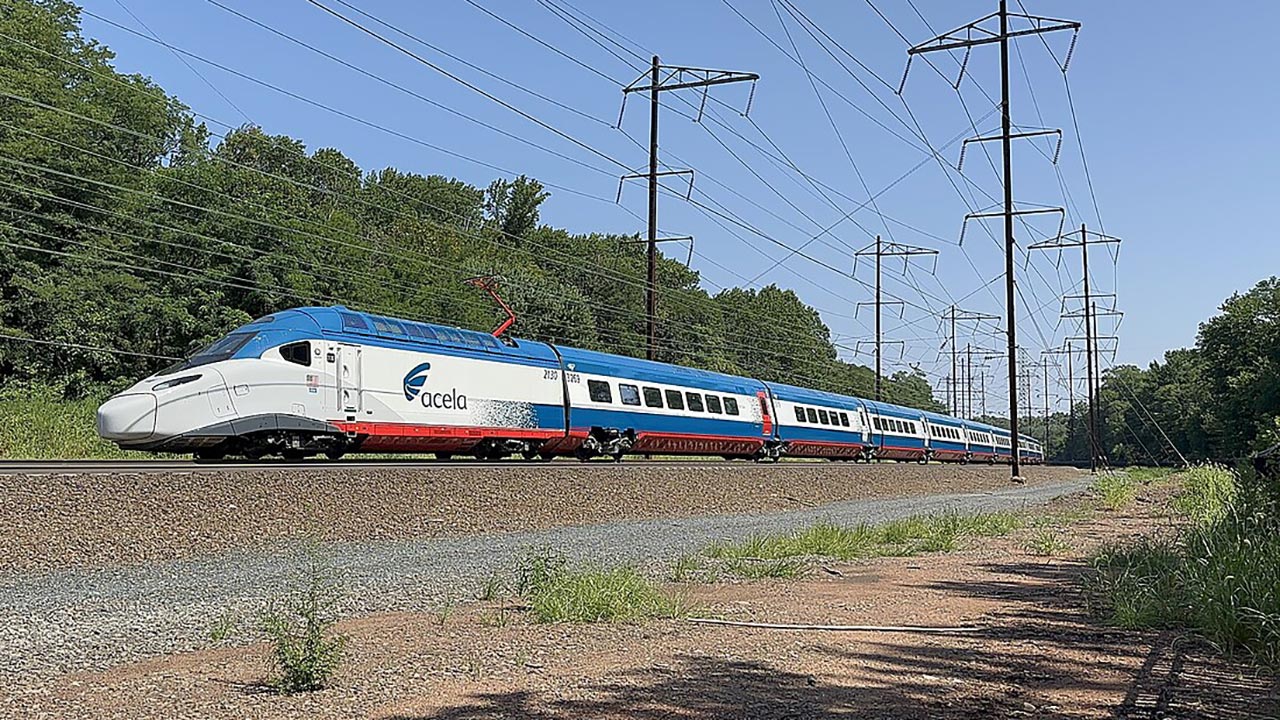
Despite the proven success of bullet trains in countries like Japan and France, the United States has yet to adopt this high-speed rail technology on a large scale. Various factors have hindered the development of bullet trains in the U.S., from political challenges to economic considerations and cultural attitudes. Understanding these barriers provides insight into the current state of American transportation infrastructure and its future potential.
Political and Regulatory Challenges
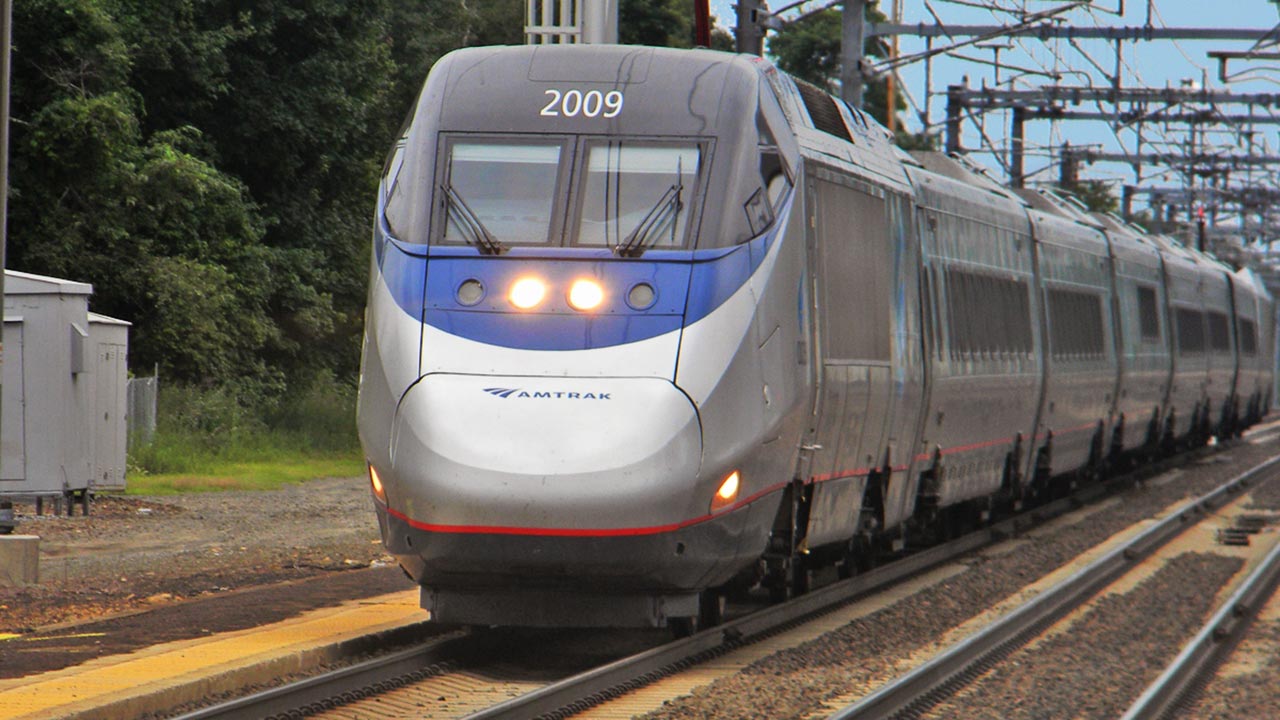
Federal versus state jurisdiction plays a significant role in the complexities of American transportation projects. The U.S. government structure often leads to bureaucratic delays and funding challenges. For instance, while the federal government may express interest in advancing high-speed rail, individual states hold varying priorities and regulations, complicating the coordination required for large-scale projects. This division of responsibilities can result in a lack of unified strategy and purpose.
Moreover, the powerful influence of automobile, oil, and airline industries on U.S. politics has historically undermined rail development initiatives. These industries have a vested interest in maintaining the status quo, often lobbying against rail advancements. As a result, political will to push forward with costly rail projects can be easily undermined, stalling progress and diverting funds to other areas. Regulatory hurdles also play a part, as stringent safety and environmental regulations can slow down the approval and construction processes for new rail projects. While these regulations are essential for ensuring safety and sustainability, they can add layers of complexity and delay to already challenging projects.
Economic Considerations
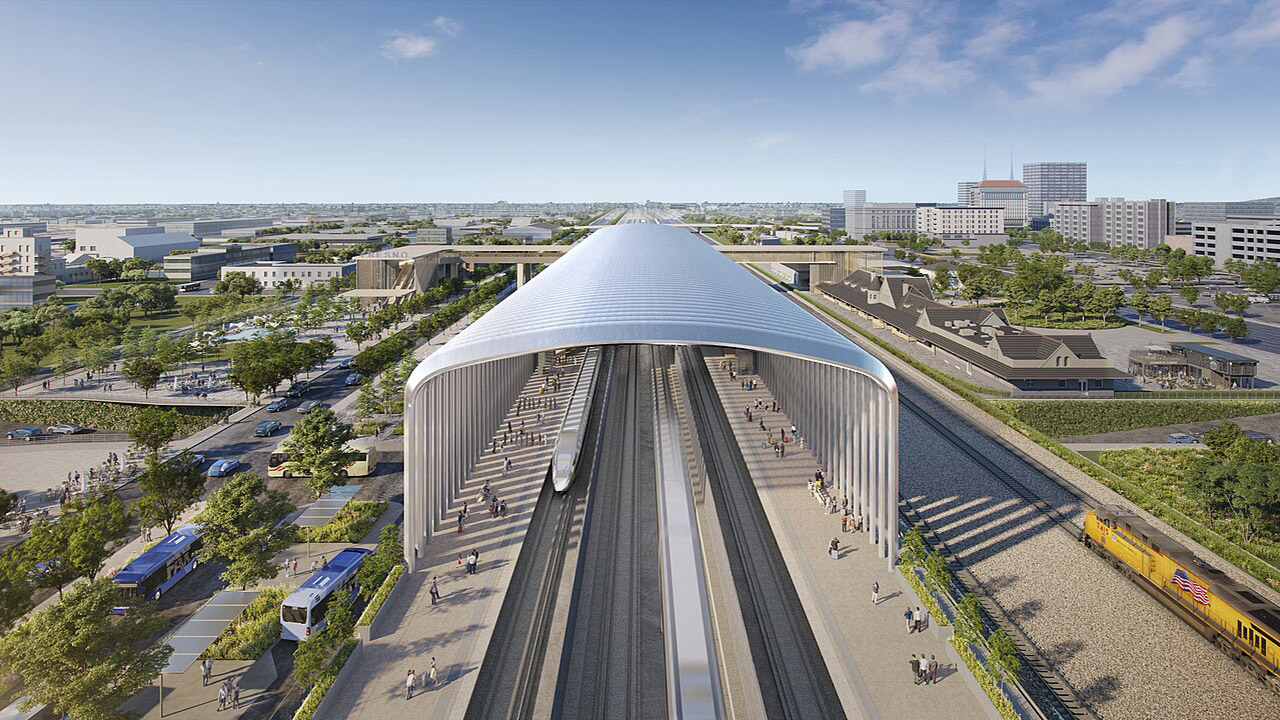
The substantial upfront investment required for bullet train infrastructure is a significant deterrent. Building a high-speed rail network involves not only the cost of advanced technology but also extensive land acquisition and construction expenses. This financial burden can be daunting, especially when state and federal budgets are already stretched thin. The recent attempts in California to develop a high-speed rail line between Los Angeles and San Francisco demonstrate the financial hurdles, as the project has faced repeated budget overruns and delays.
Funding and budget constraints further impact the financial feasibility of high-speed rail projects. Public funding is limited, and there are often competing priorities in federal and state budgets. These constraints make it challenging to allocate sufficient resources to bullet train projects. Additionally, there are concerns about the long-term profitability and return on investment for bullet trains in the U.S. market. Given the existing transportation infrastructure, which heavily relies on automobiles and airplanes, the financial viability of high-speed rail remains a question. Some experts argue that without significant government subsidies, these projects struggle to be self-sustaining.
Geographical and Infrastructure Challenges

The expansive and varied U.S. landscape poses unique challenges for the development of a cohesive high-speed rail network. Unlike Japan or France, where population centers are more concentrated, the U.S. has vast distances between major cities. This geographical factor complicates the logistics of establishing a network that is both efficient and financially viable. Existing rail infrastructure also presents a challenge, as it is primarily designed for freight rather than passenger service. Converting or upgrading these lines to accommodate high-speed passenger trains requires significant investment and planning.
Urban planning and land use further complicate the integration of bullet trains into American cities. Many U.S. cities are decentralized, sprawling across large areas with less dense urban cores compared to European or Asian counterparts. This urban layout makes it more challenging to integrate high-speed rail into existing transportation systems, as stations need to be strategically placed to maximize accessibility and convenience for passengers. The necessity of connecting these stations with local transit options adds another layer of complexity to the planning process.
Cultural and Social Factors
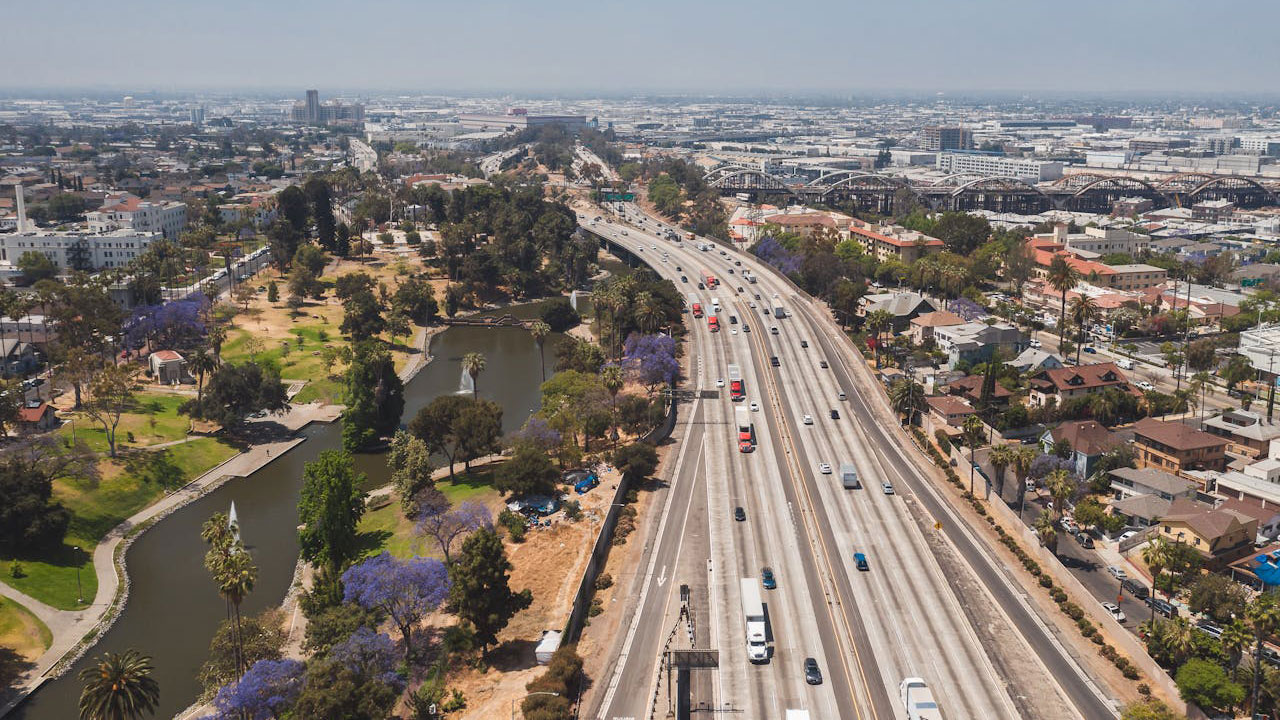
The deeply ingrained car culture in the U.S. presents a significant challenge to the adoption of rail travel. Personal vehicles and road trips are a staple of American life, with many people valuing the freedom and flexibility that cars provide. This cultural preference for driving is reinforced by an extensive highway network and relatively low fuel costs, making it difficult to shift public perception toward rail travel.
Public perception and demand for bullet trains are also influenced by skepticism about their practicality and necessity. Past failures and limited exposure to high-speed rail have led to doubts about its viability as a transportation option. Americans’ travel habits, including a preference for air travel for long distances, further impact the perceived demand for bullet train services. While rail travel is popular in countries with successful high-speed networks, the U.S. has yet to reach a tipping point where public demand drives development.
Comparative Analysis with Other Countries

Examining the successful implementation of bullet trains in countries like Japan and France provides valuable lessons for the U.S. In Japan, for example, the Shinkansen network is renowned for its efficiency and reliability. The Japanese government’s commitment to high-speed rail, along with strategic urban planning, has played a crucial role in its success. Similarly, France’s TGV network benefits from a cohesive national strategy and strong public support.
Different governmental approaches and strategic planning have facilitated high-speed rail development abroad. In contrast to the fragmented U.S. system, countries like Japan and France have adopted a centralized approach, streamlining decision-making and funding allocation. Cultural acceptance also plays a role, as rail travel is more deeply embedded in the social fabric of these countries. Understanding how cultural attitudes toward rail travel in other regions differ from those in the U.S. can provide insight into how the U.S. might overcome its challenges and embrace bullet train technology.
Like Fast Lane Only’s content? Be sure to follow us.
Here’s more from us:
*Created with AI assistance and editor review.






Leave a Reply