In the fast-paced world of drag racing, where milliseconds can make the difference between victory and defeat, the “Christmas Tree” light is a crucial component. This iconic light system not only plays a pivotal role in ensuring fair competition but also enhances the overall experience for drivers and spectators alike. Understanding its significance helps appreciate why this seemingly simple device is at the heart of every drag race.
The Mechanics of the “Christmas Tree” Light

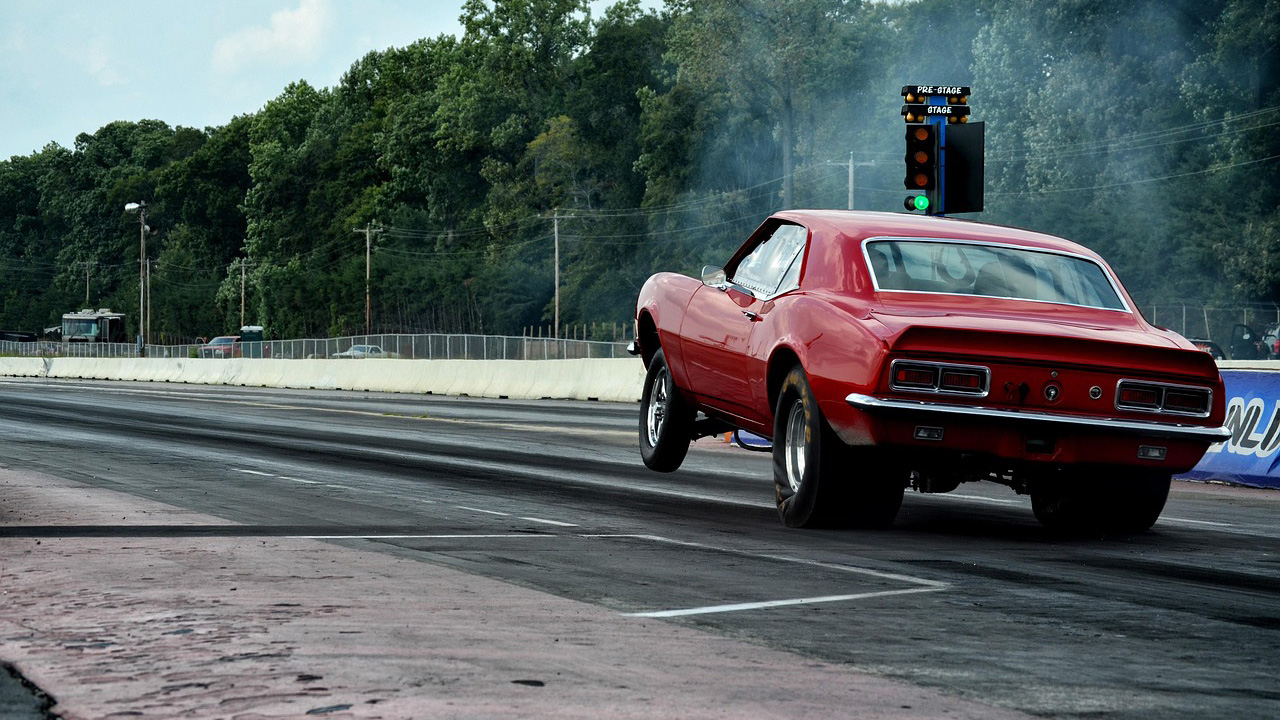
The “Christmas Tree” light system, officially named the Electronic Starting System, is a complex arrangement of lights designed to facilitate a smooth start to each race. The process begins with the Pre-Stage and Stage lights, which are two small amber lights located at the top of the tree. These lights help drivers position their vehicles correctly before the race begins. As a driver inches forward, the Pre-Stage light illuminates, indicating the car is close to the starting line. Moving a few inches further activates the Stage light, signaling the car is in its proper place, ready for the race to start.
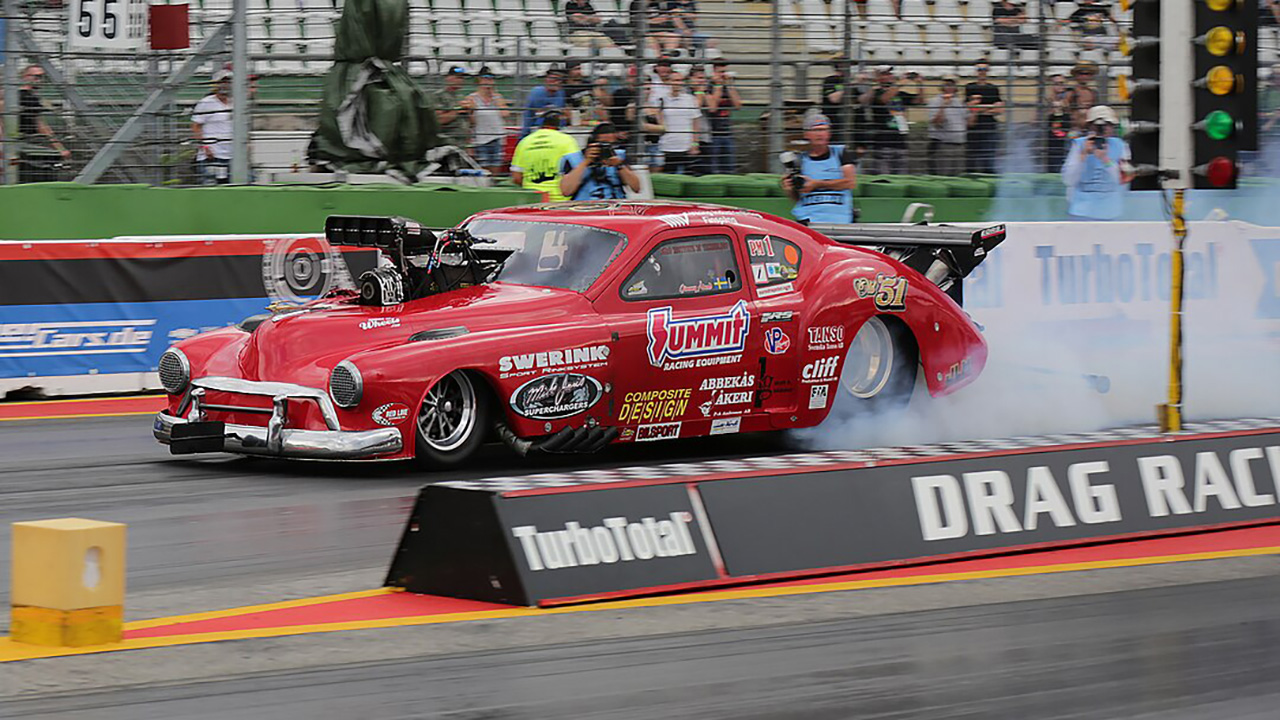
Once both drivers are staged, the countdown sequence begins. The “Christmas Tree” proceeds to light up a series of three yellow bulbs in quick succession. This sequence serves as a preparatory signal, allowing drivers to rev their engines and focus their attention on the impending green light. The moment the green light flashes is the cue for drivers to unleash their horsepower and accelerate down the track. The precise timing of this sequence is crucial; it not only ensures fair starts but also directly impacts the driver’s reaction times, which are critical in a sport where races are often decided by fractions of a second.
Historical Evolution and Technological Advances
The origins of the “Christmas Tree” light system date back to the early days of organized drag racing in the 1960s. Initially, starting races relied on flagmen, which often led to inconsistencies and disputes. The introduction of the “Christmas Tree” brought a new level of precision and fairness to the sport. Over time, technological advancements have transformed the system into a highly sophisticated tool. Innovations such as LED lights and computerized timers have improved accuracy and reliability, ensuring that every race starts under the same conditions.
As technology has advanced, so too have the regulations governing the use of the “Christmas Tree” light system. These changes have influenced race regulations significantly. For instance, the introduction of the “Pro Tree” and “Sportsman Tree” variations cater to different racing classes, offering diverse challenges and ensuring fairness across the board. Such adaptations demonstrate the system’s impact on the evolution of drag racing rules and the sport’s ongoing commitment to fair competition.
The Psychological Impact on Drivers
The anticipation of the green light places immense psychological pressure on drivers. Every racer knows that a perfect start can make or break their race. This pressure is compounded by the fact that reaction times are meticulously recorded and can determine the winner in tightly contested races. To cope, drivers often employ various strategies, such as mental rehearsals and breathing techniques, to maintain focus and calmness under pressure.
Maintaining concentration is paramount when dealing with the “Christmas Tree” light system. Drivers must remain intensely focused, blocking out distractions and zeroing in on the lights. Many drivers undergo mental training to hone their ability to react quickly and accurately. However, mistakes can happen. Jumping the start, known as a red light violation, or hesitating too long can have dire consequences, often resulting in disqualification or a significant disadvantage. Understanding these dynamics highlights the critical role of the “Christmas Tree” in shaping race outcomes.
Enhancing the Spectator Experience

For spectators, the “Christmas Tree” adds an electrifying visual spectacle to the race. The rapid sequence of lights, the roar of engines revving, and the anticipation of the green light create an atmosphere of excitement and engagement. This visual element is integral to the overall experience, drawing fans into the action and enhancing the thrill of the race.
Knowledge of the light system also enriches the spectator’s understanding of race dynamics. Fans who are familiar with the intricacies of the “Christmas Tree” can better appreciate the strategies employed by drivers and the significance of reaction times. Furthermore, modern technology offers fans new ways to interact with the light system. Apps and virtual reality experiences allow spectators to see the race from a driver’s perspective or receive real-time data, deepening their connection to the event. For instance, apps like Drag Racer and VR experiences at tracks provide immersive ways to engage with the sport.
The Role of the “Christmas Tree” in Fair Competition
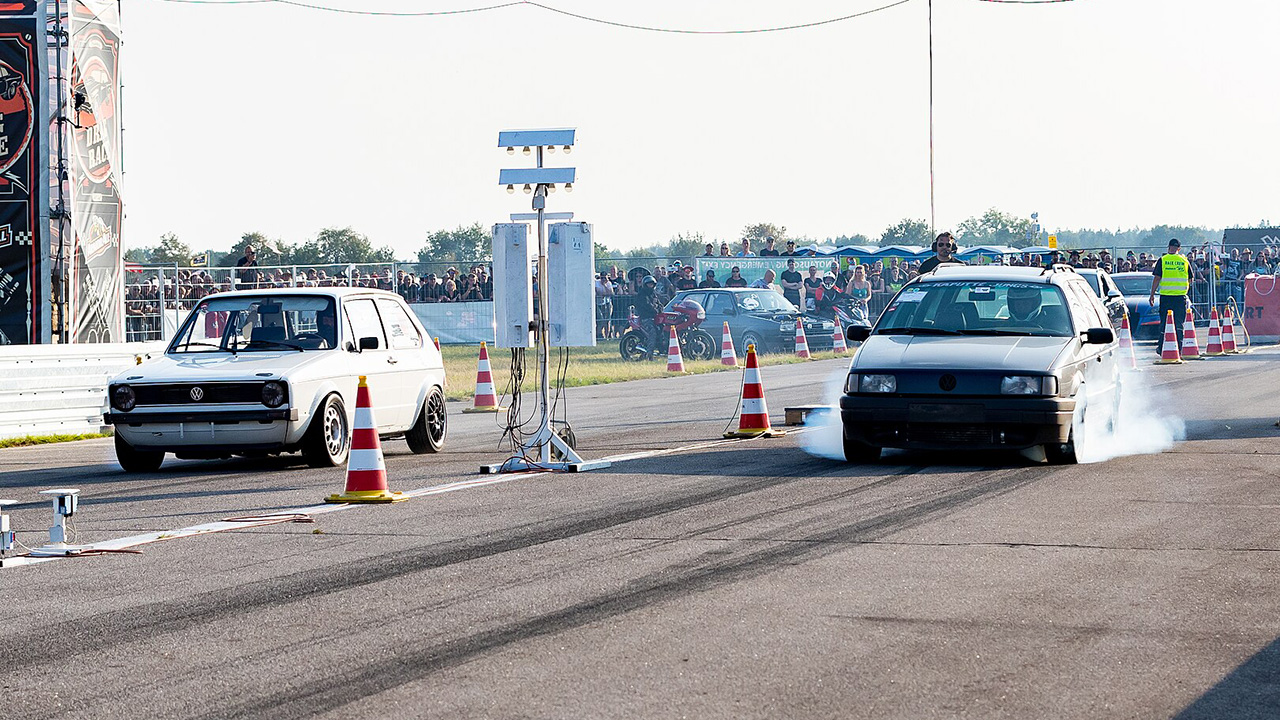
Ensuring fair starts is one of the primary functions of the “Christmas Tree” light system. By providing a standardized and precise method for beginning each race, the system prevents false starts and guarantees that all competitors start under equal conditions. This consistency is crucial for maintaining the integrity of the competition and ensuring that races are won based on skill and performance rather than technical discrepancies.
Standardization of the “Christmas Tree” system across tracks worldwide is vital for consistency in competitions. Drivers can expect the same conditions at every event, allowing them to focus on their performance rather than adapting to different setups. The system also plays a crucial role in adjudicating races. In cases where races are exceptionally close, the precise timing and data provided by the light system can help resolve disputes and determine the rightful winner. This reliability underscores the system’s importance in the world of drag racing.
In conclusion, the “Christmas Tree” light system is a cornerstone of drag racing, providing a fair and exciting foundation for the sport. From its mechanical intricacies to its psychological impacts, the system influences every aspect of the race, ensuring that both drivers and spectators enjoy a thrilling and equitable experience.
Like Fast Lane Only’s content? Be sure to follow us.
Here’s more from us:
*Created with AI assistance and editor review.