Classic car prices are no longer rising in lockstep, and some of the softest spots are in segments that once looked bulletproof. While headline-grabbing record sales still occur at the very top of the market, a growing number of once-fashionable models are slipping, flattening, or taking longer to sell. The result is a more fragmented landscape in which age alone no longer guarantees appreciation and buyers are forced to distinguish between enduring icons and yesterday’s trends.
Behind that shift lies a mix of macroeconomic pressure, changing demographics, and evolving tastes about how vintage machinery should be used. As younger enthusiasts enter the hobby and older collectors reassess their portfolios, demand is quietly rotating away from some traditional favorites and toward newer, more usable, or more heavily modified cars. The softening in unexpected corners is less a collapse than a reset that is exposing which stories, and which driving experiences, still resonate.
From pandemic surge to “return to reality”
After an extraordinary run-up in values during the pandemic era, the collector market has moved into a cooler, more discriminating phase. Analysts describe the recent easing as a “return to reality” following roughly three years of outsized gains, a period when cheap capital, stimulus money, and limited travel options pushed enthusiasts toward tangible assets such as classic cars. That exuberance lifted almost everything, but it was particularly visible in high-profile auctions and online platforms where bidding wars became routine.
Data now show that the market is off its 2022 high, with price indexes for several key segments slipping even as the most coveted machines hold firm. One widely watched gauge, the Hagerty Market Rating, is reported to be hovering in the high 50s, a level consistent with a cooler but not distressed environment. At the very top, a 1955 Merced race car reportedly achieved $143 m, or $143 million, underscoring how “Our Blue Chip” caliber vehicles tracked in a dedicated Price Guide can still command extraordinary sums even as more mainstream classics flatten. The divergence between that rarefied tier and the rest of the field is central to understanding why softness is emerging in places that once seemed secure.
Mainstream American icons lose some shine
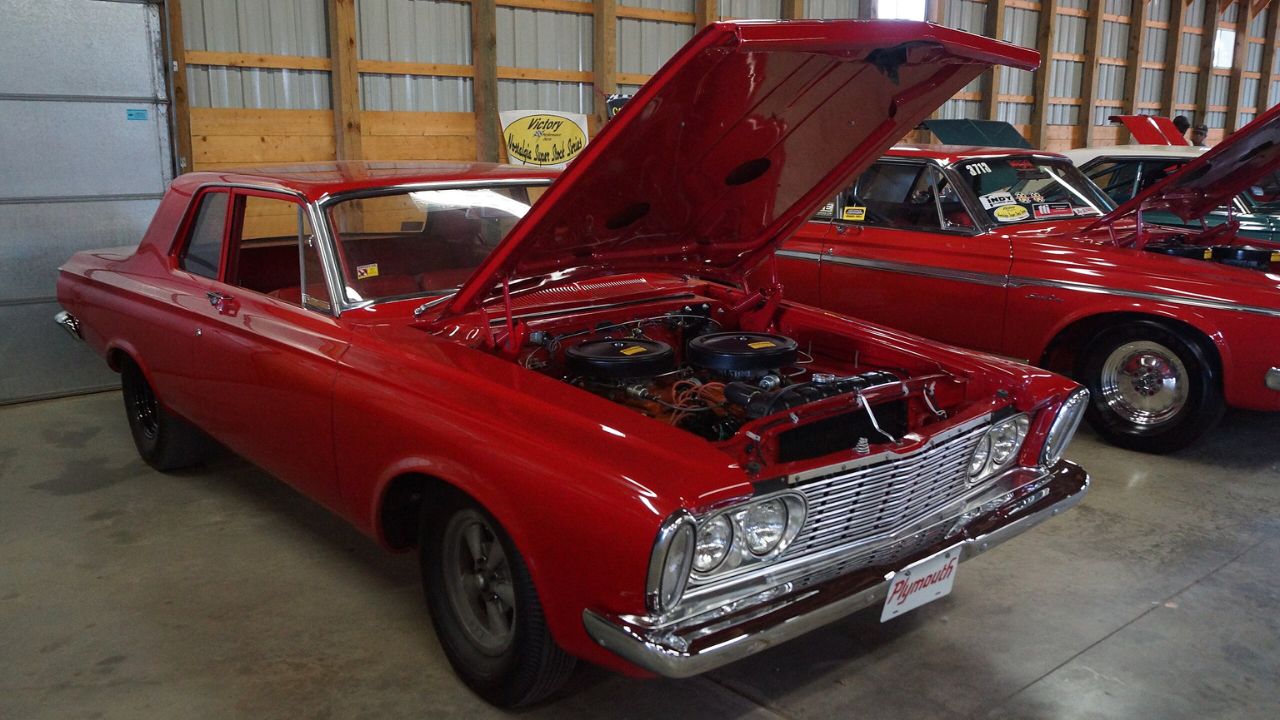
One of the most striking shifts is occurring in the heartland of the hobby: American muscle and midcentury cruisers that long served as entry points for collectors. Earlier in the cycle, models like the Chevy Chevelle, especially big-block variants that eventually received a 396, surged as buyers chased nostalgia and straight-line performance. More recently, reporting on “5 American Classics Slumping in 2025” points to a cooling in demand for exactly these sorts of cars, with values slipping from their peaks and sellers adjusting expectations.
Market analysts note that many “mainstream classics” which benefited from broad, pandemic-era enthusiasm are now giving back some of those gains. While “Our Blue Chip” index of top-tier collectibles has continued to perform well, the same research finds that more ordinary examples, including popular American coupes and convertibles, are seeing slower appreciation or outright declines. Economic Climate pressures on Luxury assets, including sensitivity to interest rates and broader uncertainty, weigh more heavily on these mid-market cars than on the most historically significant machines. As a result, once-hot auction darlings are now more likely to be passed over if they lack exceptional provenance, specification, or condition.
Coachbuilt luxury and prewar prestige hit a rough patch
Softness is also appearing in a segment that, until recently, seemed almost untouchable: coachbuilt luxury cars and prewar grand tourers. These hand-built, large, and intricately trimmed machines were long considered the pinnacle of connoisseurship, with buyers paying premiums for craftsmanship and rarity. Recent analysis of “5 Cars Losing the Most Steam in a Slowing Market” notes that Coachbuilt luxury cars are experiencing a bumpy patch, suggesting that the old assumption of universal desirability may no longer hold.
Several forces appear to be converging on this niche. First, the buyer base for very early and very formal cars is aging, and younger collectors often gravitate toward vehicles they can drive regularly rather than display as static art. Second, the cost and complexity of maintaining large, low-production luxury models can be daunting compared with later sports cars or modern supercars. Even as high-end, blue-chip classics remain relatively resilient, research on Rolling Museums and their Economic Climate context indicates that not all expensive cars are equally insulated. In practice, that means certain prewar and coachbuilt icons are now trading sideways or at discounts to recent highs, particularly if they lack the competition history or brand cachet that today’s global buyers prioritize.
Generational tastes and the pull of newer metal
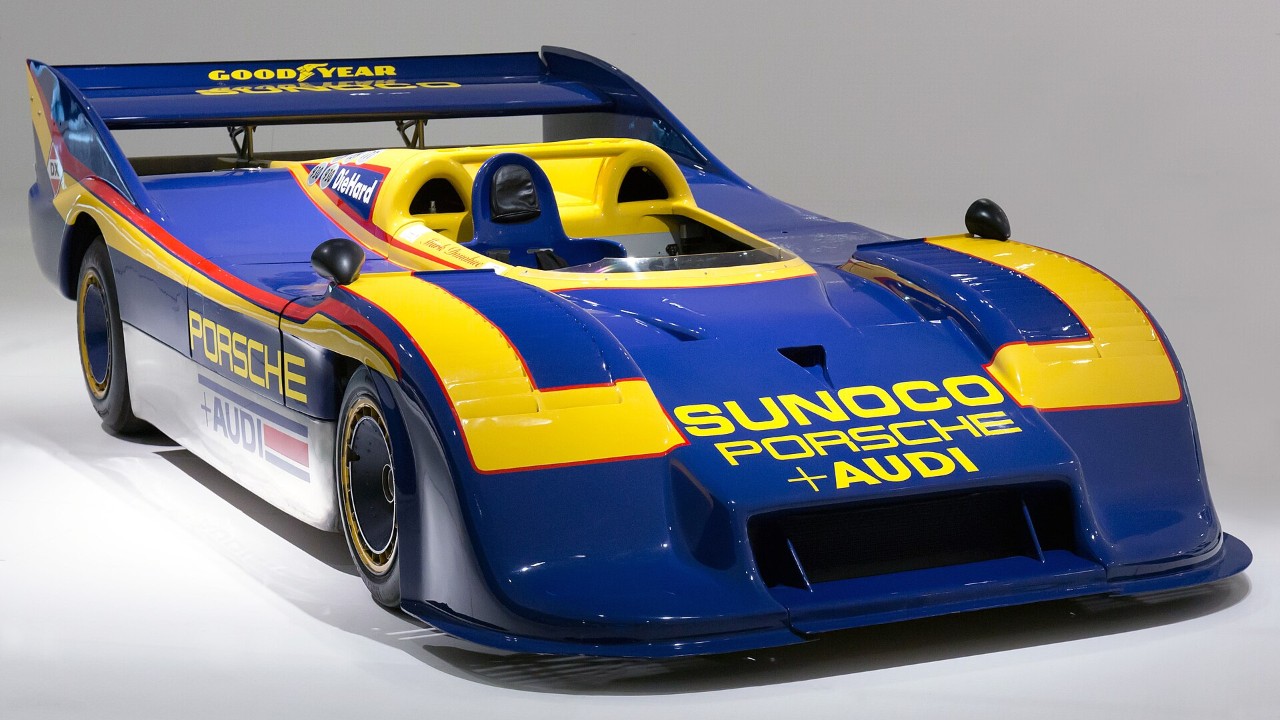
Demographics are quietly reshaping demand, and the impact is most visible in the age of cars commanding the strongest bids. Analysts tracking auction results note that Today’s top-dollar collector sales increasingly feature race cars from Mercedes, Benz, Ferrari, McLaren, and Ford, many of them from the 1980s, 1990s, or even later. These are the machines that current high-net-worth buyers grew up watching on television or driving in video games, and they are willing to pay accordingly. At the same time, younger enthusiasts in regions such as the Middle East are reported to prioritize driving experiences over static display, with Younger Middle Eastern collectors seeking robust, maintainable classics that can handle modern traffic and long-distance touring.
This generational tilt helps explain why some older segments are softening while newer “modern classics” strengthen. A detailed set of 8 Charts That Explain the Classic Car Market shows that the overall market has shifted toward newer cars, with demand concentrating on vehicles that blend analog character with contemporary performance and safety. Platforms that specialize in enthusiast vehicles, such as Bring a Trailer, have reportedly bucked broader headwinds by focusing on these newer icons and by cultivating a community that values usability as much as rarity. While traditional classics, hot rods, and prewar cars remain popular, reporting on Bring a Trailer’s market trends notes a clear shift toward buyers using the market to obtain cars from their youth, which naturally pulls capital away from some older segments.
Restomods, EV conversions, and the usability premium
Alongside the move toward newer vehicles, there is a growing preference for classic shapes with modern guts. Restomods, defined by one specialist as Classic cars or SUVs painstakingly retrofitted with modern drivetrains and interiors, are attracting six-figure attention and a more diverse buyer base. Another expert-focused guide notes that, when asked “Is a restomod still considered a classic car?”, the answer is an unequivocal Yes, provided the original body and style remain intact. This blending of heritage aesthetics with contemporary reliability is proving especially appealing to buyers who want vintage charm without the compromises of carburetors, drum brakes, or weak air conditioning.
Recent reporting under the banner of Restomod rising and The Future of Classic Cars Changing emphasizes that tastes, generational preferences, and capital investment are reshaping values, with modern reliability upgrades and even EV conversions influencing what sells. One analysis of Understanding the Classic Car Market highlights that the most paid for a vintage vehicle so far, the $143 million 1955 Merced, sits at the extreme of originality and historical importance, yet much of the day-to-day market action is drifting toward modified cars that can be driven daily. The EV Angle, as described in coverage of the classic car market’s evolution, shows that some enthusiasts now prioritize sustainability and reliability over raw performance, further eroding the premium once attached to untouched, numbers-matching examples in certain segments. As more buyers reward usability, unmodified but ordinary classics can find themselves squeezed between ultra-rare blue chips and highly tailored restomods.
More from Fast Lane Only