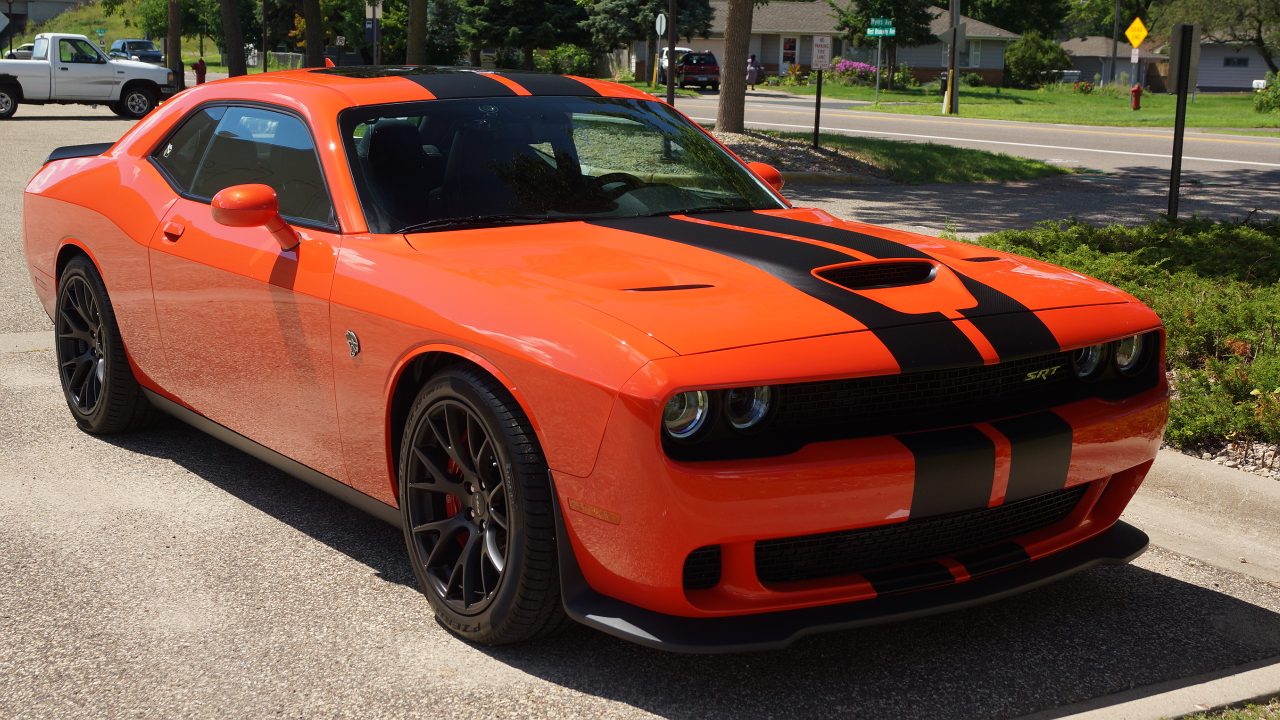
Muscle cars, with their roaring engines and aggressive designs, became the epitome of American automotive culture in the 1960s and 1970s. One of the most distinctive features of these cars was their bold and wild decal packages, which were more than just decorative elements. They played a crucial role in defining the muscle car era, establishing a unique identity that resonated with car enthusiasts and the general public alike.
The Rise of Muscle Cars: A Cultural Phenomenon
Societal Influence and Counterculture
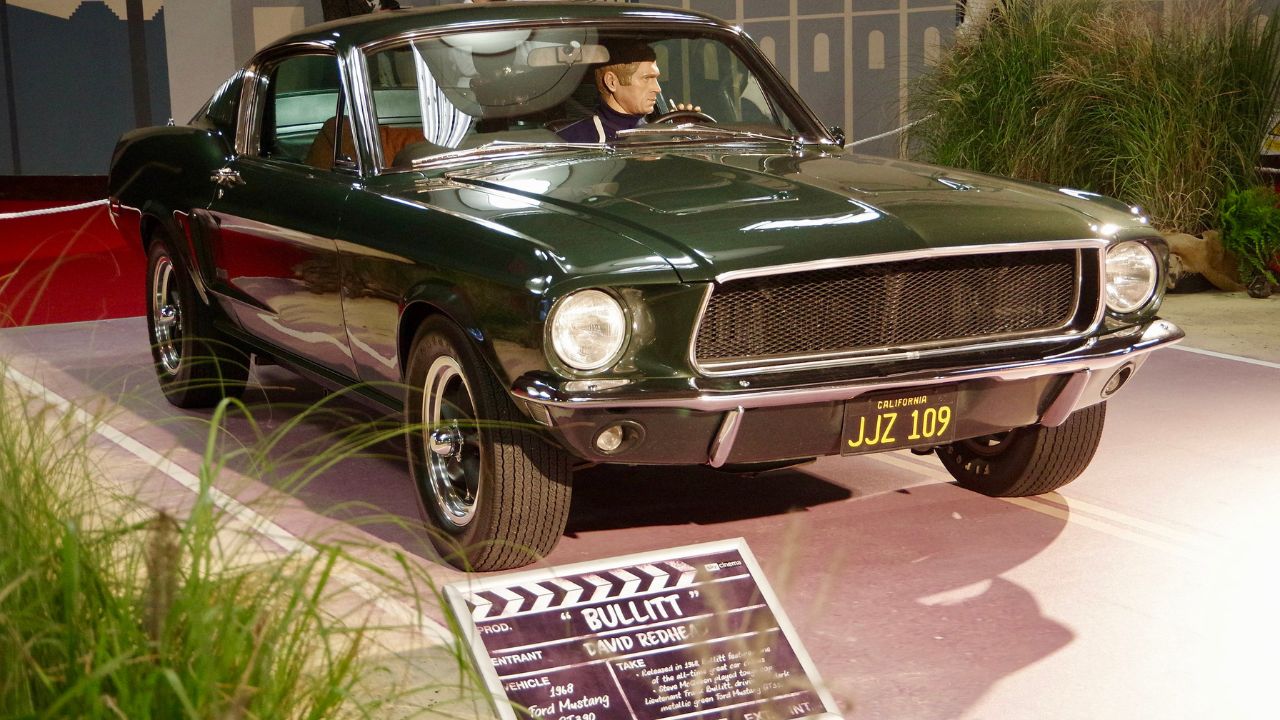
Muscle cars emerged as symbols of rebellion and freedom during the transformative decades of the 1960s and 1970s. As the counterculture movement gained momentum, these high-powered vehicles became the perfect representation of a generation pushing against societal norms. Movies such as “Bullitt” and songs about fast cars fueled an enthusiastic embrace of muscle cars by the youth, who saw them as an extension of their personal freedom and independence.
Automotive Competition and Brand Identity
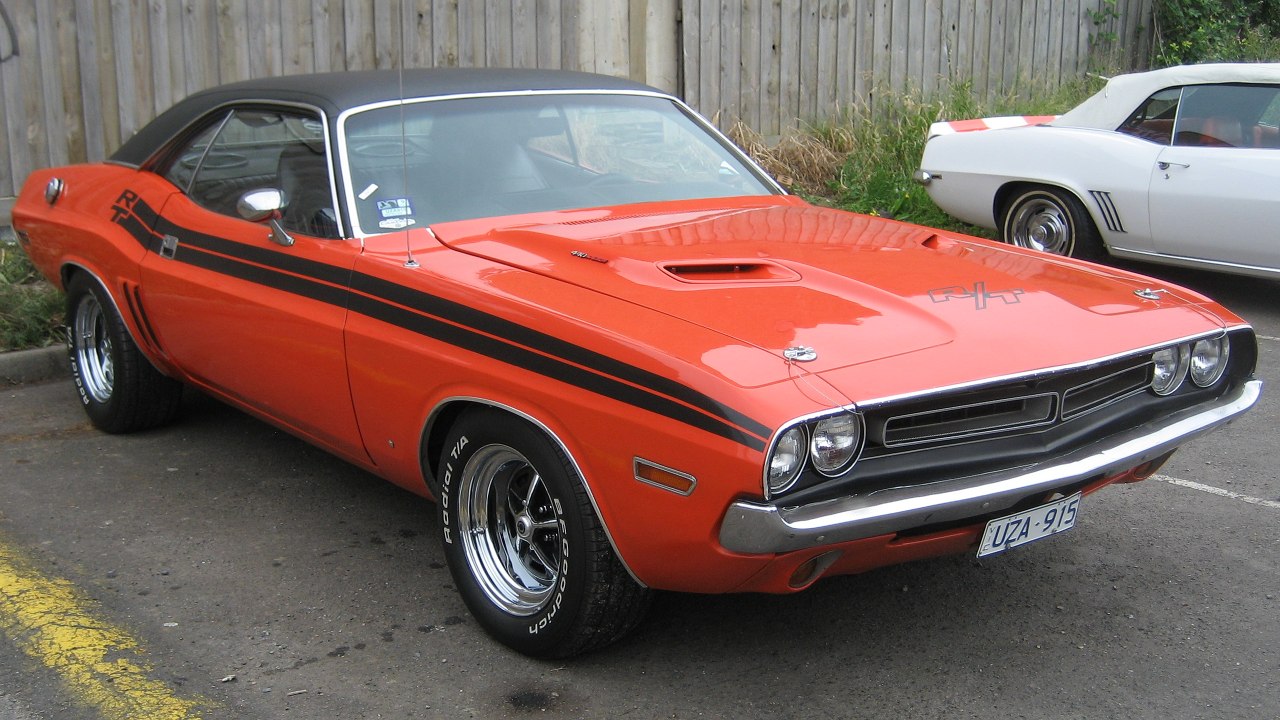
The competition among car manufacturers was fierce during the muscle car era, with each brand striving to stand out in a crowded market. Decal packages became a key strategy in this battle for brand identity. Iconic examples like the Dodge Challenger’s “R/T” stripes or the Pontiac Firebird’s “Screaming Chicken” hood decal became synonymous with their respective brands. These graphic elements not only differentiated models but also created a lasting visual language that enthusiasts still recognize today.
The Role of Decals in Performance and Perception
Visual Impact and Aggression
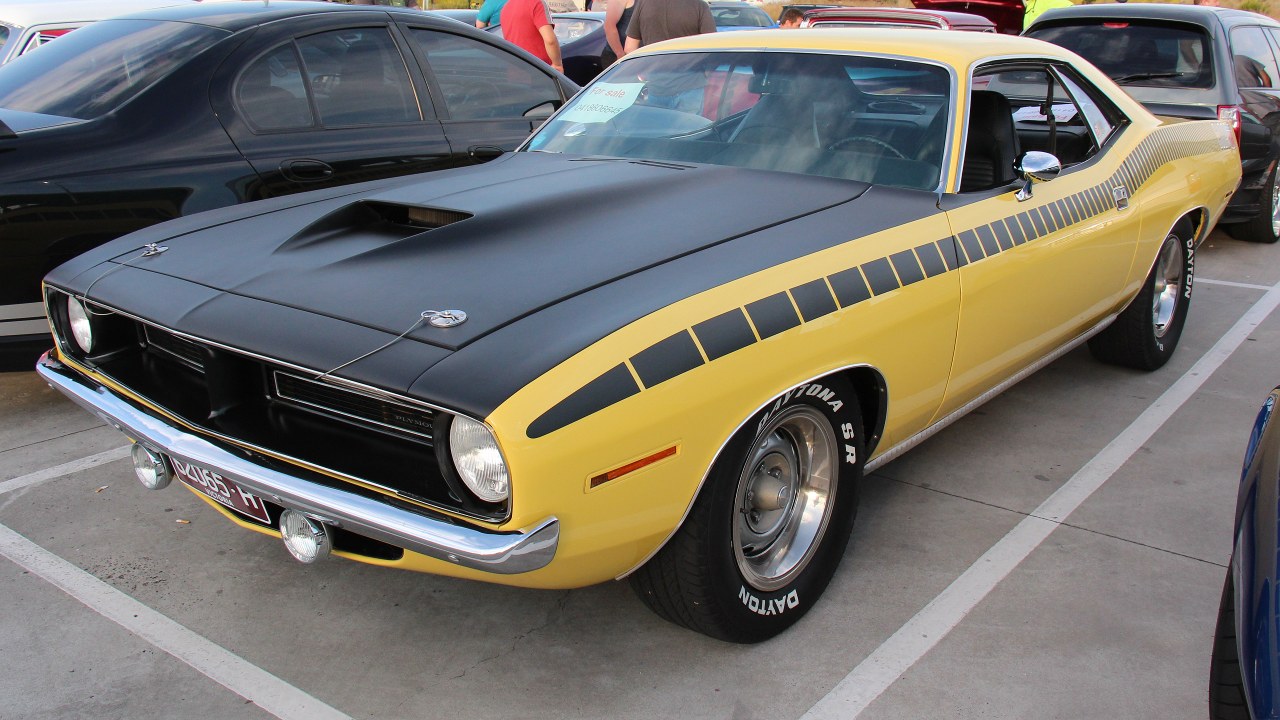
Decals played a significant role in enhancing the visual aggression of muscle cars. Bold graphics and striking color contrasts amplified the cars’ already aggressive stances, making them irresistible to performance-oriented audiences. The psychological impact of such designs was profound, with both drivers and onlookers associating these visuals with speed and power.
Signaling Power and Customization
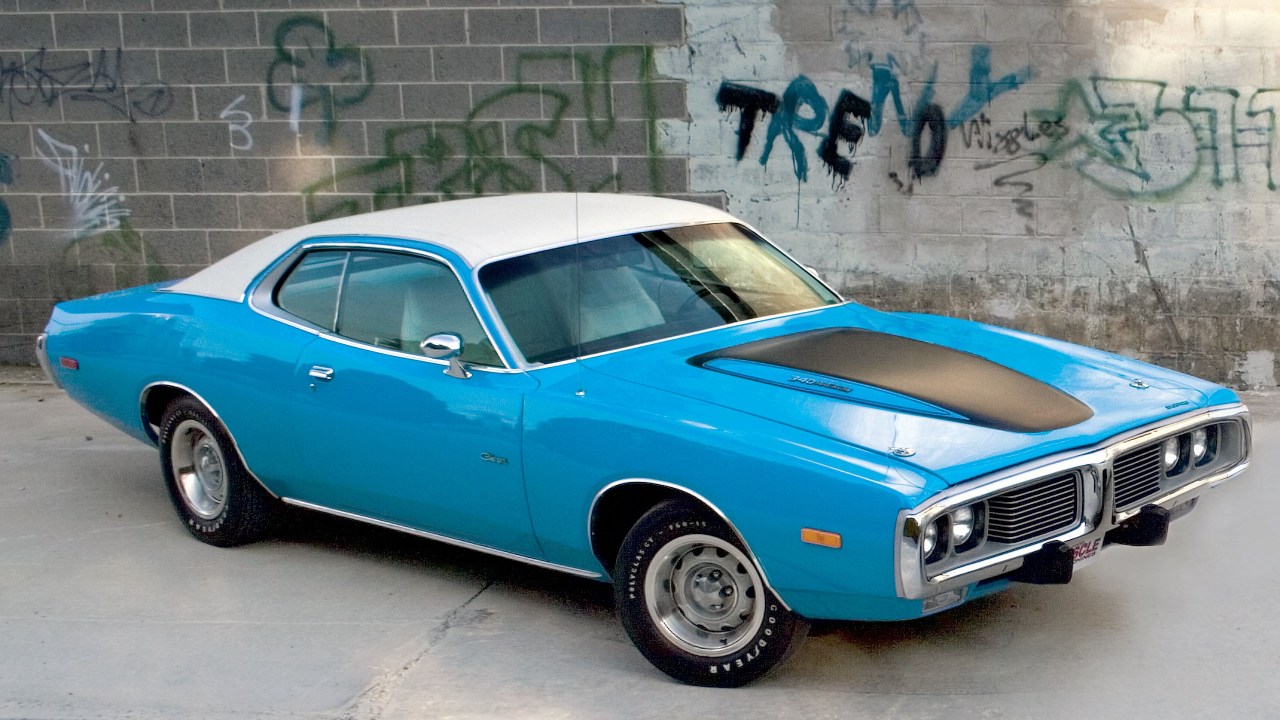
Beyond aesthetics, decals often communicated critical information about a car’s performance capabilities. For instance, the “Hemi” badges on a Dodge Charger indicated a powerful engine lurking beneath the hood. These visual cues became important markers of status among car enthusiasts. Moreover, the customization of decals allowed owners to express their individuality, turning each vehicle into a personal canvas that reflected their style and personality.
Marketing Strategies and Consumer Appeal
Advertising Campaigns and Consumer Engagement

Manufacturers were quick to capitalize on the appeal of decal packages in their advertising campaigns. By showcasing these bold graphics, they succeeded in attracting a younger demographic eager for excitement and distinction. The effectiveness of these campaigns is evident in the enduring popularity of models like the Chevrolet Camaro and Ford Mustang, both of which used eye-catching decals to connect with consumers.
Limited Editions and Collectibility
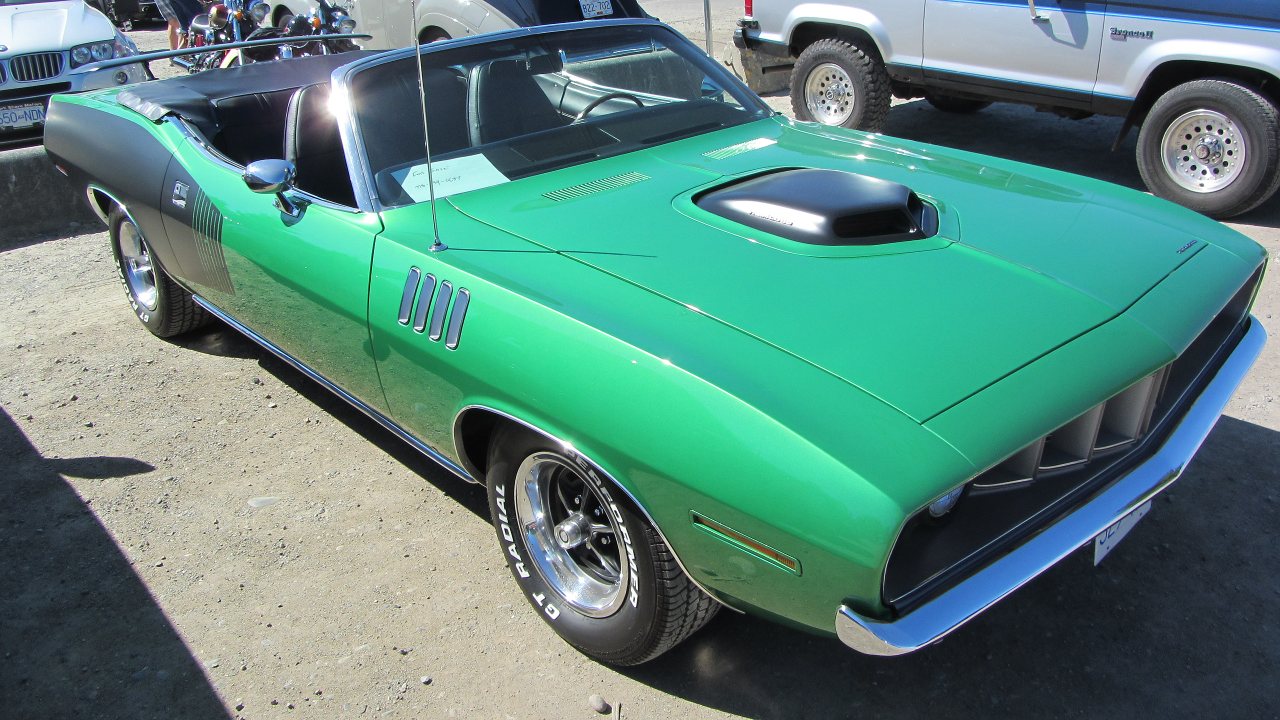
Offering limited edition models with exclusive decal packages was a savvy marketing tactic that created a sense of urgency and exclusivity. These special editions, such as the Plymouth Barracuda’s “Cuda” package, not only boosted sales but also contributed to the collectibility of muscle cars. Today, these models are highly sought after by collectors, with their unique graphics playing a significant role in their historical and monetary value.
Technological Advances and Artistic Innovation
Design Innovations in Automotive Graphics
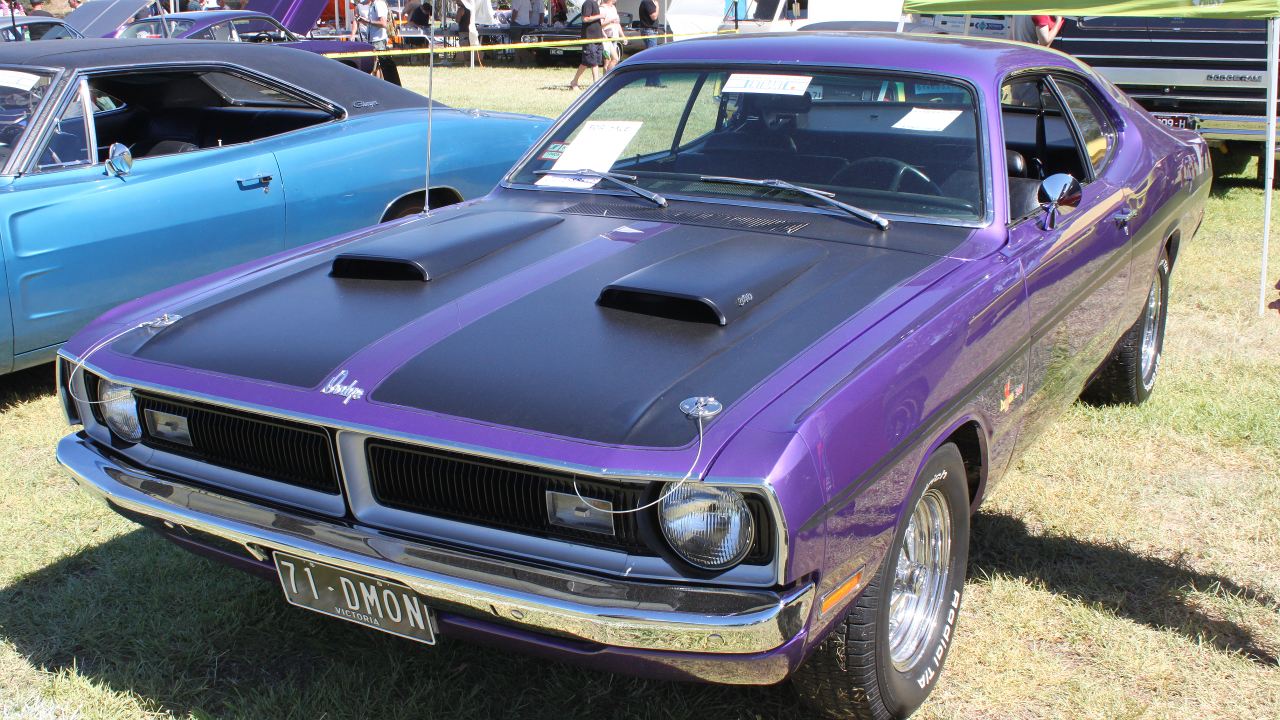
The technological advancements in printing and adhesive materials during the muscle car era allowed for more intricate and durable decal designs. Artists and designers pushed the boundaries of automotive graphics, creating iconic schemes that are still admired and replicated today. The collaboration between technology and artistry during this period resulted in some of the most memorable designs in automotive history.
Evolving Trends and Modern Interpretations

Over the decades, decal designs have evolved, reflecting changes in technology and consumer tastes. Modern muscle cars, like the Dodge Challenger Hellcat, pay homage to classic designs while incorporating new technologies such as digital printing and vinyl wraps. These contemporary interpretations continue to draw inspiration from the past, ensuring that the legacy of muscle car decals remains a vibrant part of today’s automotive scene.
Legacy and Cultural Impact of Muscle Car Decals
Enduring Appeal and Nostalgia
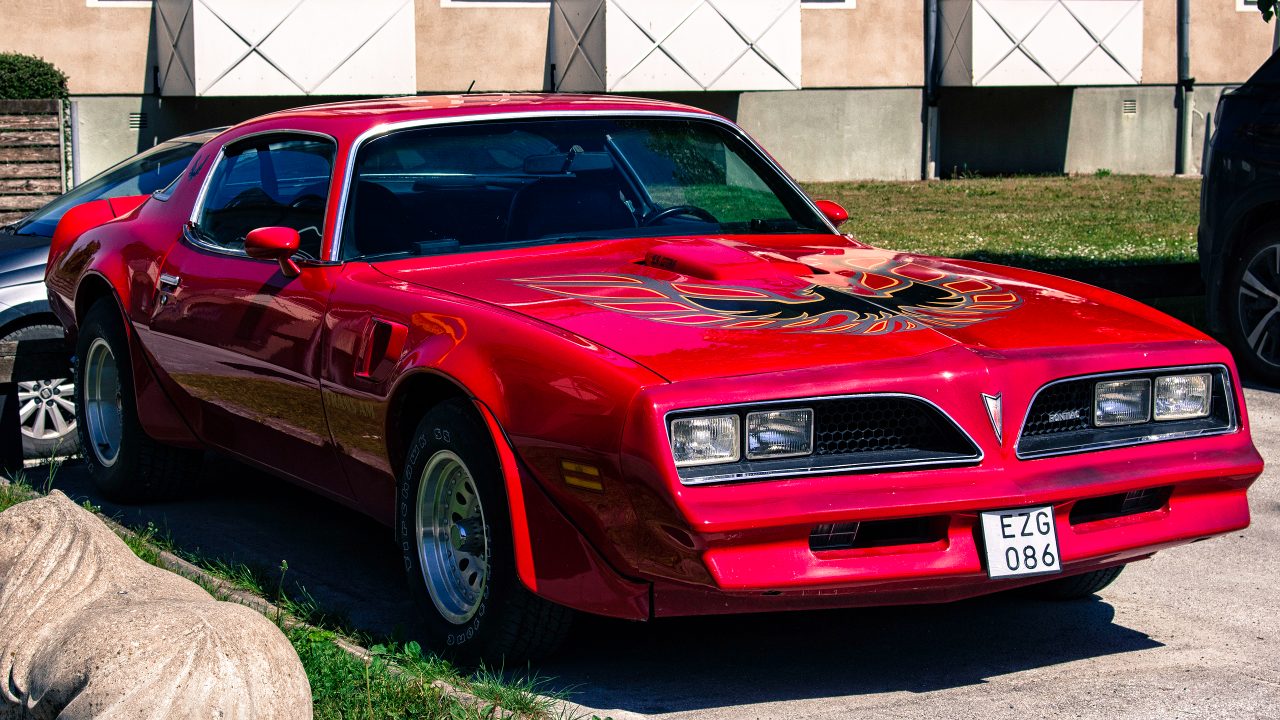
The decals of muscle cars have an enduring appeal that resonates with enthusiasts and collectors alike. These graphics evoke a sense of nostalgia, transporting individuals back to a time when cars were not just a means of transportation but symbols of identity and aspiration. This nostalgia has helped cement the muscle car’s legendary status, with decals playing a crucial role in its cultural legacy.
Influence on Other Vehicle Segments
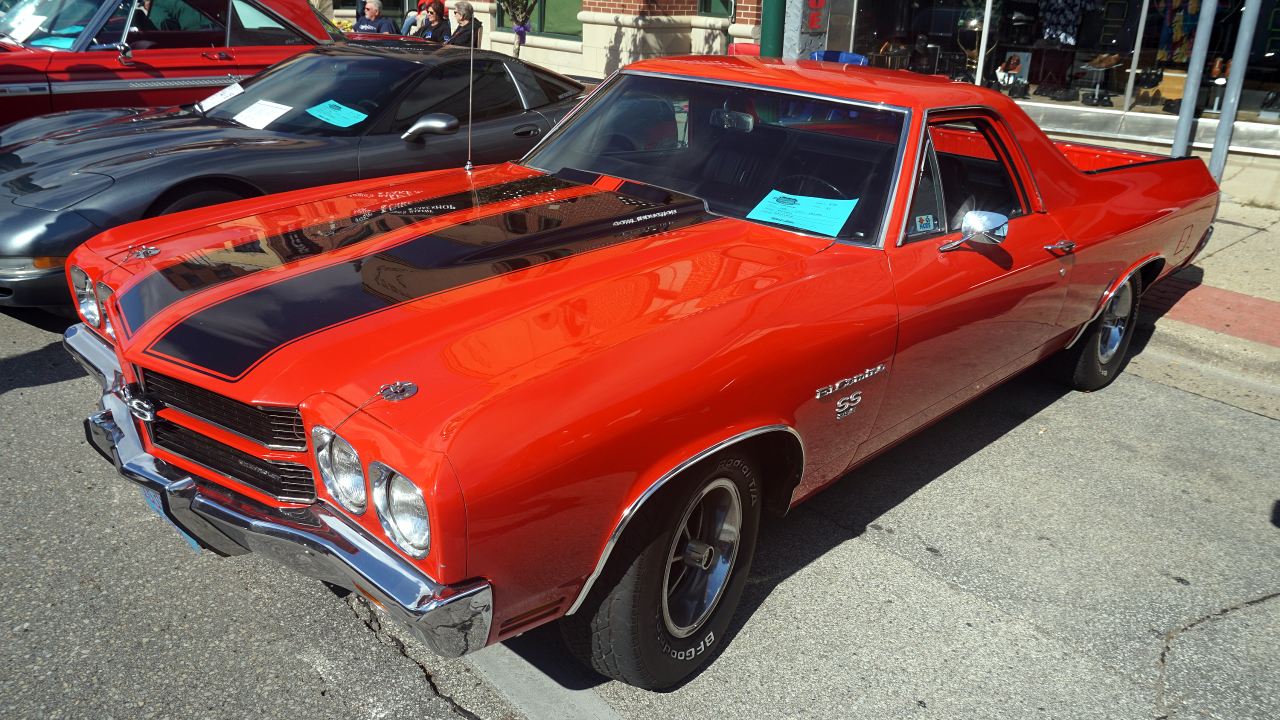
The success of muscle car decals significantly influenced graphic design trends in other automotive segments, including sports cars and trucks. The bold aesthetics pioneered during the muscle car era can be seen in today’s vehicle designs, where eye-catching graphics remain a staple of modern automotive marketing. Furthermore, the influence of muscle car aesthetics extends beyond the automotive industry, impacting fashion, media, and popular culture in myriad ways.
In the end, the wild decal packages of muscle cars were much more than mere decorative elements. They were a crucial part of a broader cultural and marketing strategy that resonated with the spirit of their time, leaving a lasting impact on automotive design and culture.
Like Fast Lane Only’s content? Be sure to follow us.
Here’s more from us:
*Created with AI assistance and editor review.