High-speed rail (HSR) is rapidly evolving, promising to revolutionize transportation by offering faster, more efficient travel options. As countries invest in these systems, understanding their future impact becomes essential. The focus here is on potential developments and benefits of high-speed rail globally and in the United States.
Global Advancements in High-Speed Rail

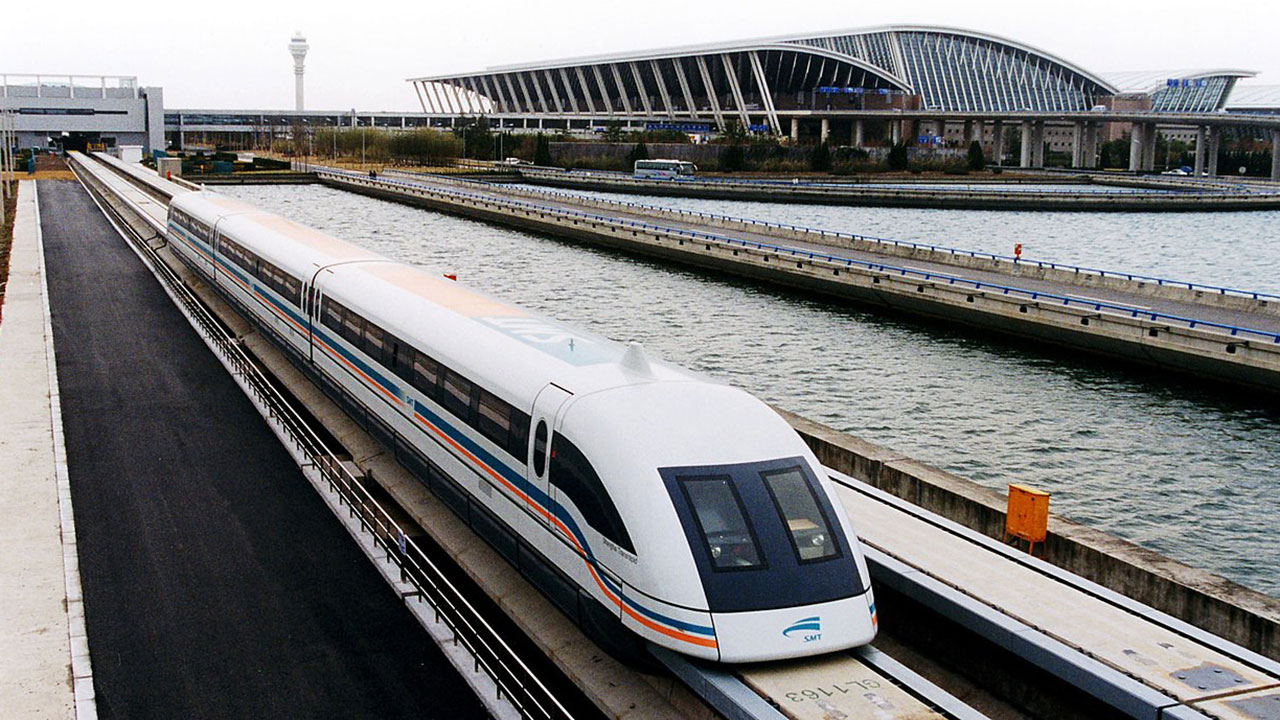
The global landscape of high-speed rail is characterized by remarkable technological innovations. Magnetic levitation, or maglev, technology is at the forefront, allowing trains to float above the tracks, reducing friction and enabling unprecedented speeds. Japan’s L0 Series maglev train, for instance, has achieved speeds over 370 mph during tests. Meanwhile, automated control systems are enhancing safety and efficiency by using AI to manage train operations and optimize routes.
Internationally, countries like Japan, China, and France are pioneering successful HSR implementations. Japan’s Shinkansen, operational since 1964, set the gold standard for speed and safety, influencing other countries to develop their own systems. China, with its extensive network covering over 25,000 miles, has transformed its transportation infrastructure, connecting remote areas to major cities. France’s TGV network has similarly revolutionized travel, offering swift connections across the country and into neighboring nations.
High-speed rail offers significant environmental benefits. By reducing reliance on fossil fuels and lowering carbon emissions, HSR presents a sustainable alternative to air and road travel. Trains powered by renewable energy sources further enhance these benefits, contributing to global efforts to combat climate change.
The American High-Speed Rail Landscape
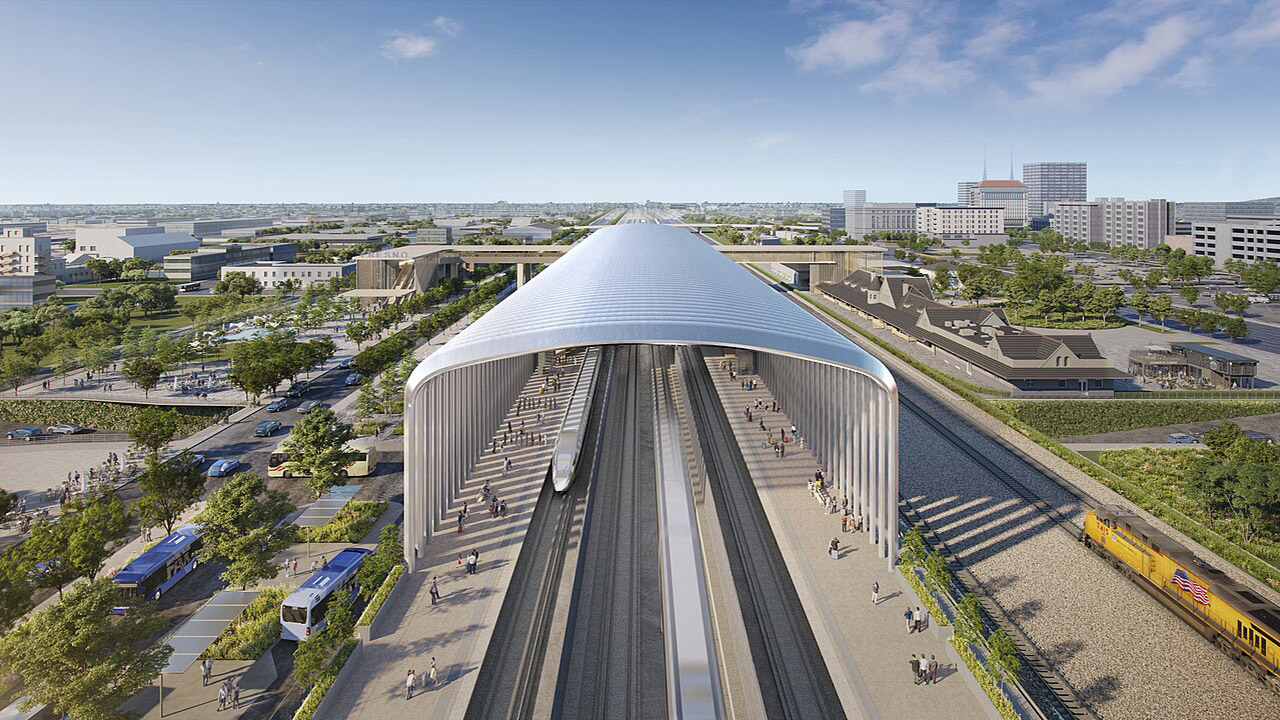
The United States is gradually embracing high-speed rail, with several current projects and developments underway. The California High-Speed Rail project aims to connect Los Angeles and San Francisco, promising travel times under three hours. The Northeast Corridor initiative seeks to enhance existing services between Washington, D.C., and Boston, where Amtrak’s Acela trains already offer a taste of high-speed travel.
Despite these promising developments, American HSR projects face numerous challenges. Funding issues are a significant barrier, as the cost of HSR infrastructure is substantial. Regulatory hurdles and competition from established transportation modes like air travel and highways further complicate progress. Achieving political consensus and securing sustained investment remain crucial for advancing these projects.
The potential economic impact of HSR in the U.S. is significant. High-speed rail could stimulate economic growth by creating jobs during construction and operation phases and enhancing connectivity between major urban centers. Improved accessibility can lead to the development of new business hubs and increase tourism, further boosting local economies.
Integration with Freight Rail Systems
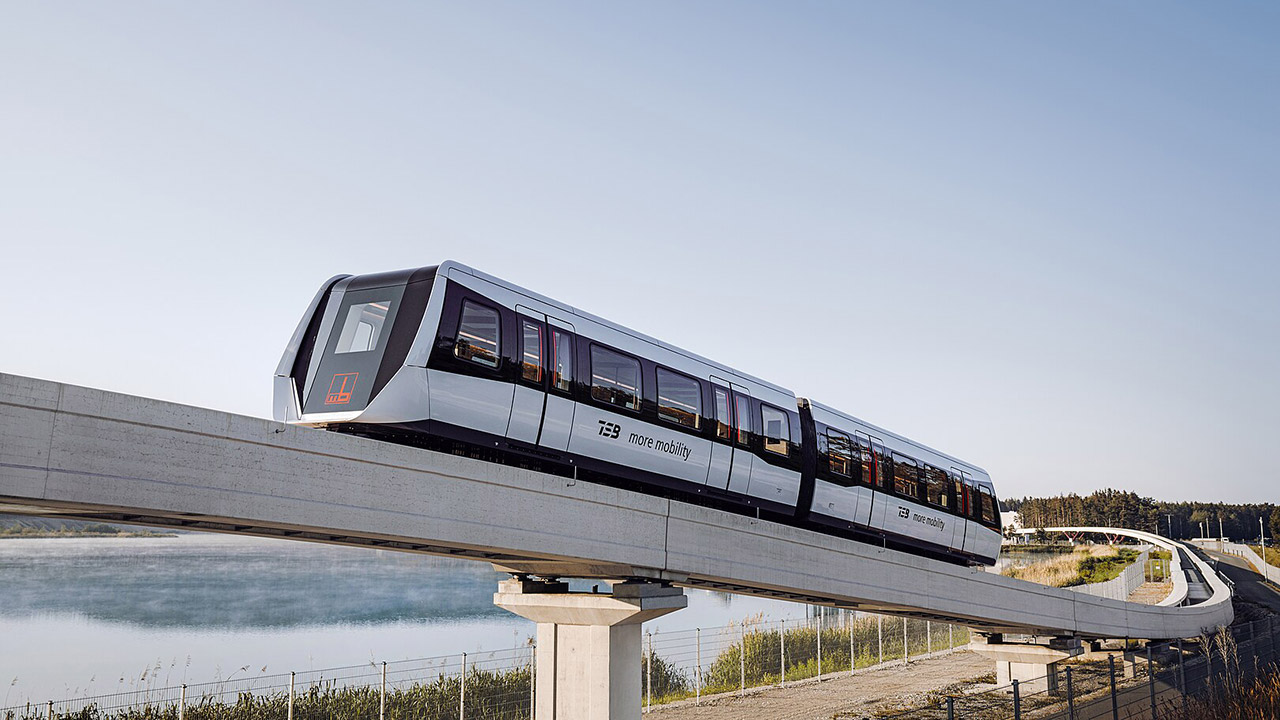
Integrating high-speed passenger rail with existing freight rail systems offers numerous synergies and benefits. Sharing infrastructure can improve efficiency, reduce congestion, and lower operational costs. This symbiosis allows for the optimization of rail networks, benefiting both passenger and freight services.
Innovative approaches to integration are emerging, drawing on successful models from countries like Germany, where passenger and freight operations coexist seamlessly. In these systems, strategic scheduling and advanced signaling technologies ensure smooth operations without compromising the speed and reliability of either service. This model could serve as a blueprint for other regions looking to maximize the utility of their rail networks.
Case studies from Europe and Asia demonstrate the successful combination of freight and high-speed rail. In Japan, for instance, certain Shinkansen lines have been designed to accommodate both passenger and freight services, illustrating the potential for efficient coexistence. Such examples highlight the feasibility and advantages of integrated rail systems, paving the way for similar initiatives globally.
Future Trends in High-Speed Rail
Looking ahead, future investment and policy directions will heavily influence the trajectory of high-speed rail development. Governments worldwide are recognizing the strategic importance of HSR and are committing resources to expand and enhance these networks. Public-private partnerships are emerging as viable models for funding, combining governmental support with private sector innovation.
Technological breakthroughs on the horizon promise to further elevate the capabilities of high-speed rail. Advances in energy storage, propulsion systems, and materials science could lead to faster, safer, and more efficient trains. Innovations like hyperloop technology, which envisions vacuum-sealed tubes for near-supersonic travel, are being researched extensively, potentially revolutionizing the concept of high-speed rail.
The societal impacts of HSR are profound. As high-speed rail networks expand, they influence urban planning by encouraging the development of transit-oriented cities. Commuter behavior shifts as people opt for rail over cars or planes for regional travel, reducing traffic congestion and the environmental footprint of transportation. These changes contribute to more sustainable and livable urban environments.
Public Perception and Political Will

Public perception plays a critical role in the advancement of HSR. Factors influencing public opinion include perceived benefits, costs, and environmental impacts. While many support the development of HSR for its potential to reduce travel times and carbon emissions, others express concerns over project costs and land use.
Political leadership and advocacy are instrumental in advancing or hindering HSR projects. Leaders who champion high-speed rail initiatives can galvanize public support and drive policy changes, while opposition can stall progress. Advocacy groups play a vital role in shaping the discourse around HSR, highlighting its benefits and addressing public concerns.
Education and awareness campaigns are essential for increasing public support for HSR. Successful campaigns, such as those in Europe and Asia, have effectively communicated the advantages of high-speed rail, securing buy-in from stakeholders and the general public. These strategies can serve as models for other regions seeking to bolster support for HSR initiatives.
Like Fast Lane Only’s content? Be sure to follow us.
Here’s more from us:
*Created with AI assistance and editor review.