
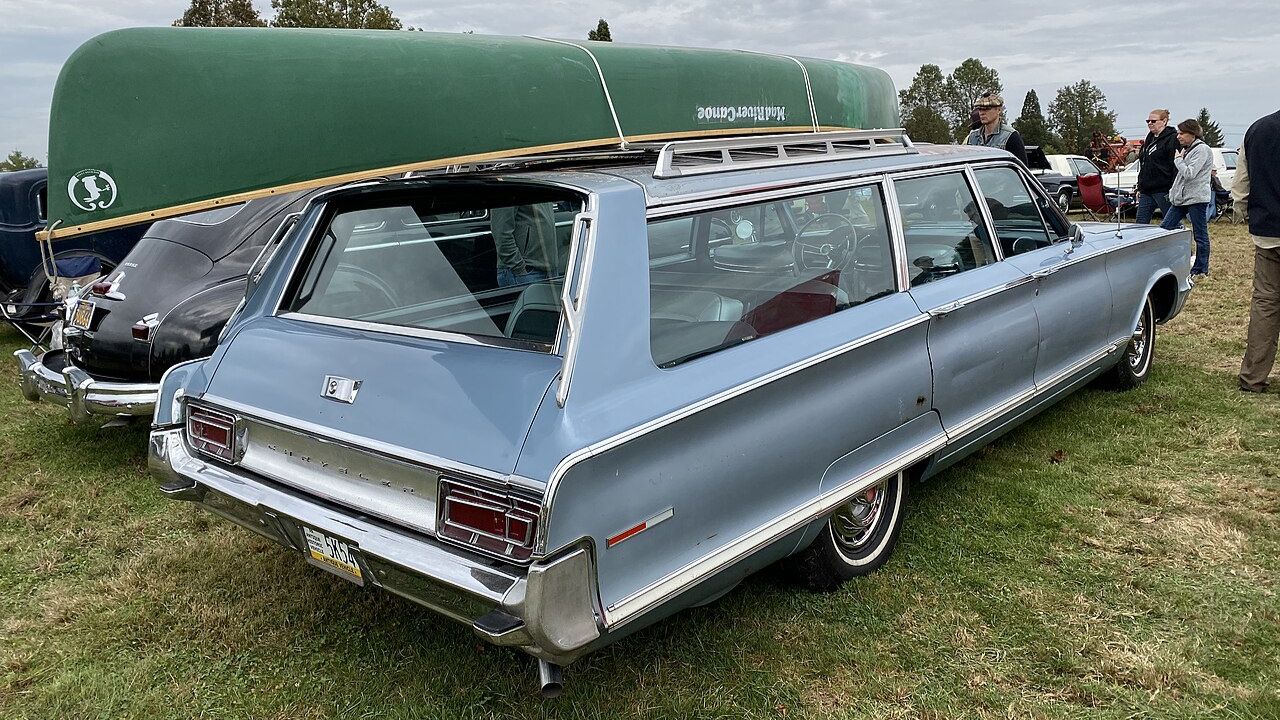
Station wagons were once a staple of family transportation, often noted for their practicality and ample cargo space. A standout feature of these vehicles was the ubiquitous roof rack, which became synonymous with the station wagon itself. The reasons behind the widespread inclusion of roof racks on station wagons and their impact on the vehicle’s legacy are both functional and cultural.
The Rise of the Station Wagon
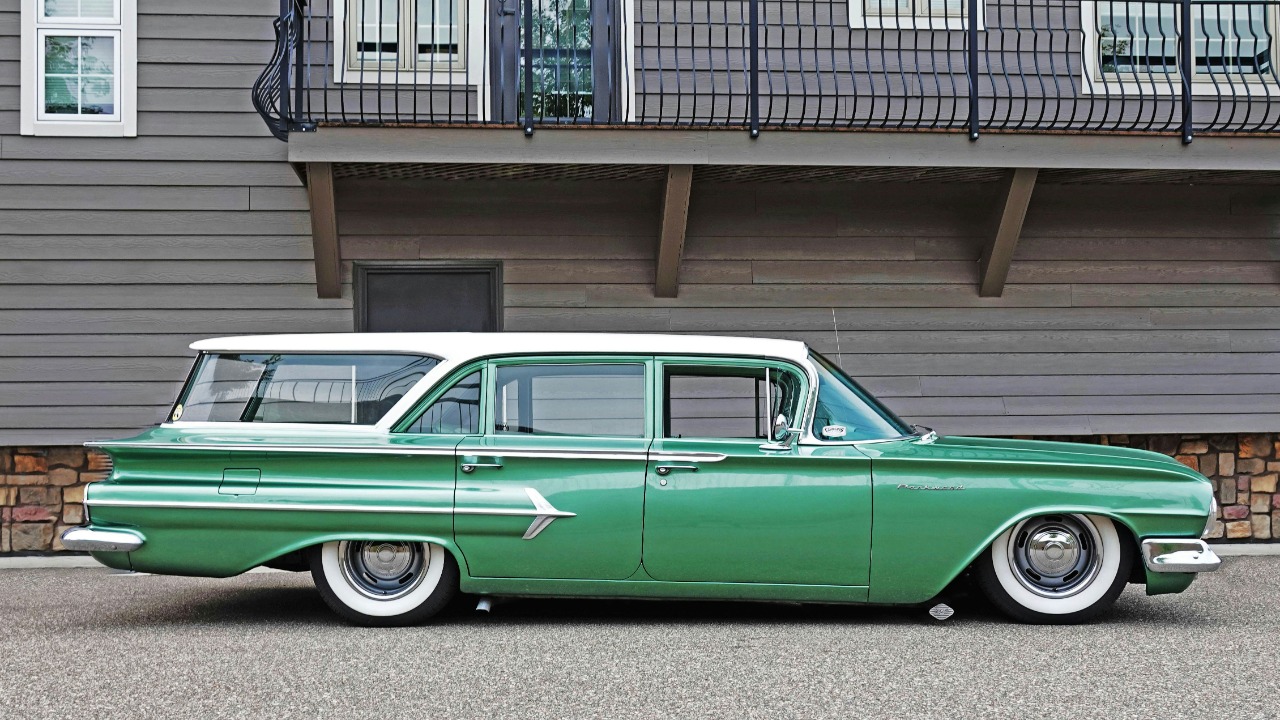
In the mid-20th century, the emergence of the station wagon marked a significant shift in the automotive industry. Initially designed for utility and practicality, station wagons quickly became the go-to vehicle for families, particularly in suburban America. The 1950s and 1960s witnessed a boom in the production of these versatile vehicles, as the burgeoning middle class sought reliable transportation that could accommodate both passengers and cargo. Models like the Ford Country Squire and the Chevrolet Bel Air epitomized this era, offering spacious interiors and robust engines.
The popularity of station wagons surged as they provided a perfect solution for suburban families. They offered a unique combination of space, comfort, and utility that was unmatched by other vehicles of the time. The expansive rear compartments were ideal for grocery runs, while the extra seating capacity made them perfect for carpooling kids to school. As families began to prioritize leisure and travel, the station wagon became a symbol of freedom and adventure, further cementing its place in automotive history.
Functionality and Utility of Roof Racks
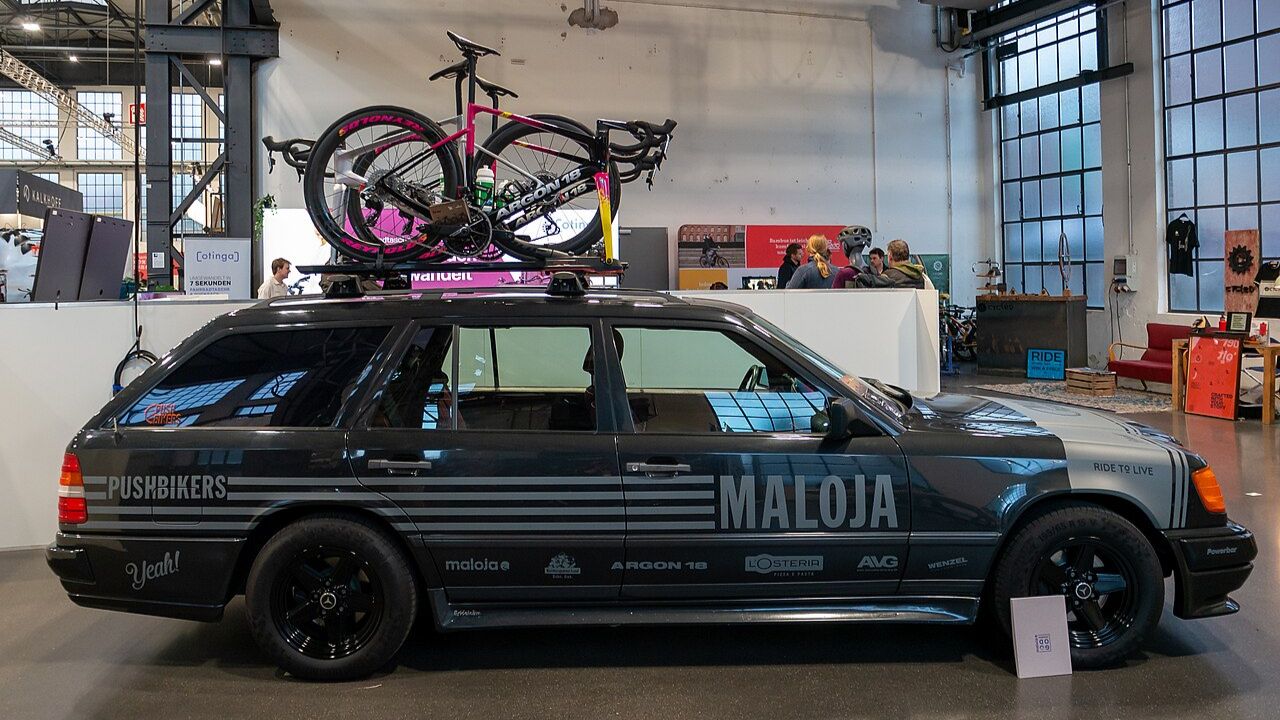
Roof racks significantly enhanced the functionality of station wagons, providing a crucial boost in cargo capacity. For families embarking on vacations or road trips, the ability to store luggage, sports equipment, or camping gear on the roof was invaluable. The roof rack essentially transformed the vehicle into a mobile storage unit, able to carry everything needed for a family outing without compromising passenger comfort inside the vehicle. This extra space was particularly beneficial during holiday seasons when families often traveled long distances with extensive baggage.
The versatility offered by roof racks was another key factor in their widespread adoption. They allowed station wagons to transport a variety of items that were otherwise cumbersome to fit inside the vehicle. Whether it was bicycles for a weekend ride, a kayak for a river excursion, or even a Christmas tree during the festive season, roof racks provided the flexibility needed for diverse lifestyles. Modern roof racks continue this tradition, offering specialized attachments for various activities, demonstrating their enduring utility.
Design and Aesthetic Appeal
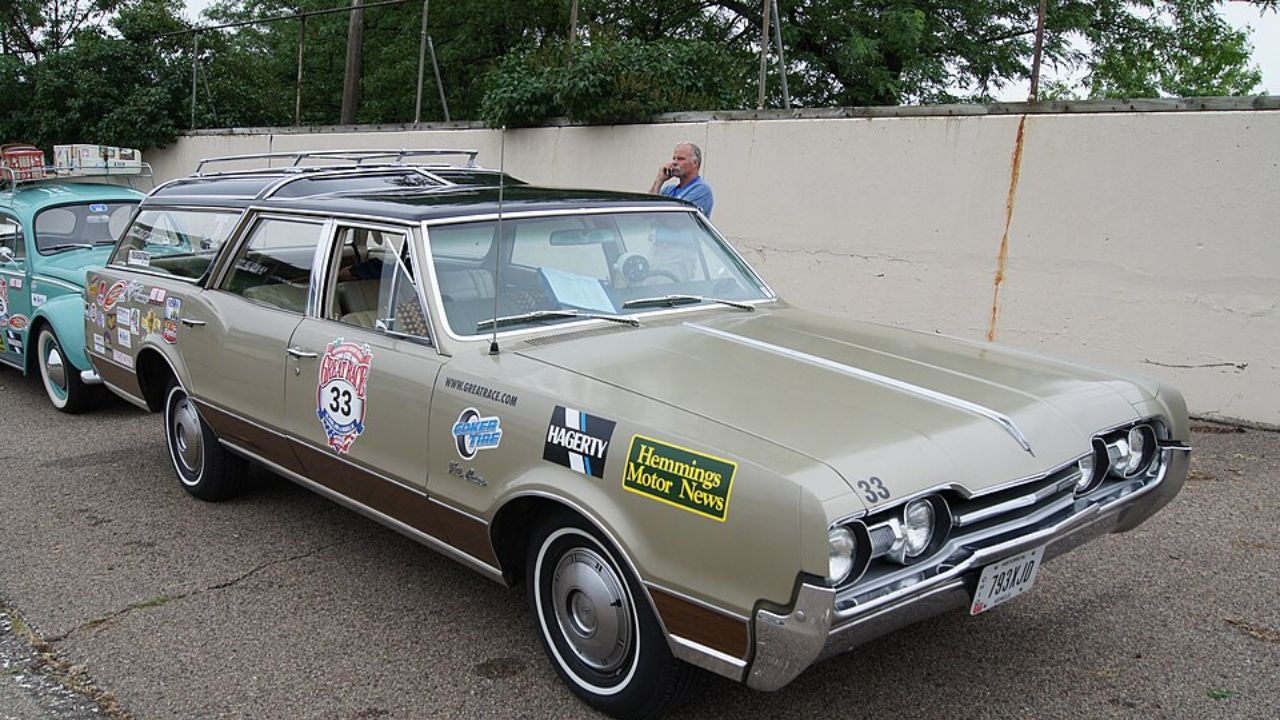
Beyond their practical applications, roof racks contributed significantly to the design and aesthetic appeal of station wagons. These features were often seamlessly integrated into the vehicle’s design, complementing its sleek, elongated silhouette. The addition of a roof rack gave the station wagon a rugged, adventurous look, appealing to consumers who valued both form and function. This design synergy helped establish the station wagon as a vehicle that was as stylish as it was practical.
Furthermore, roof racks became a visual indicator of an adventurous lifestyle. They symbolized a readiness for travel, exploration, and outdoor activities, appealing to families looking to break free from the confines of suburban life. This image was further reinforced by popular media, where station wagons were often depicted as vehicles of choice for road trips and vacations. The golden years of station wagons are fondly remembered as a time when these vehicles represented more than just transportation; they were a gateway to adventure.
Technological Advancements and Market Evolution
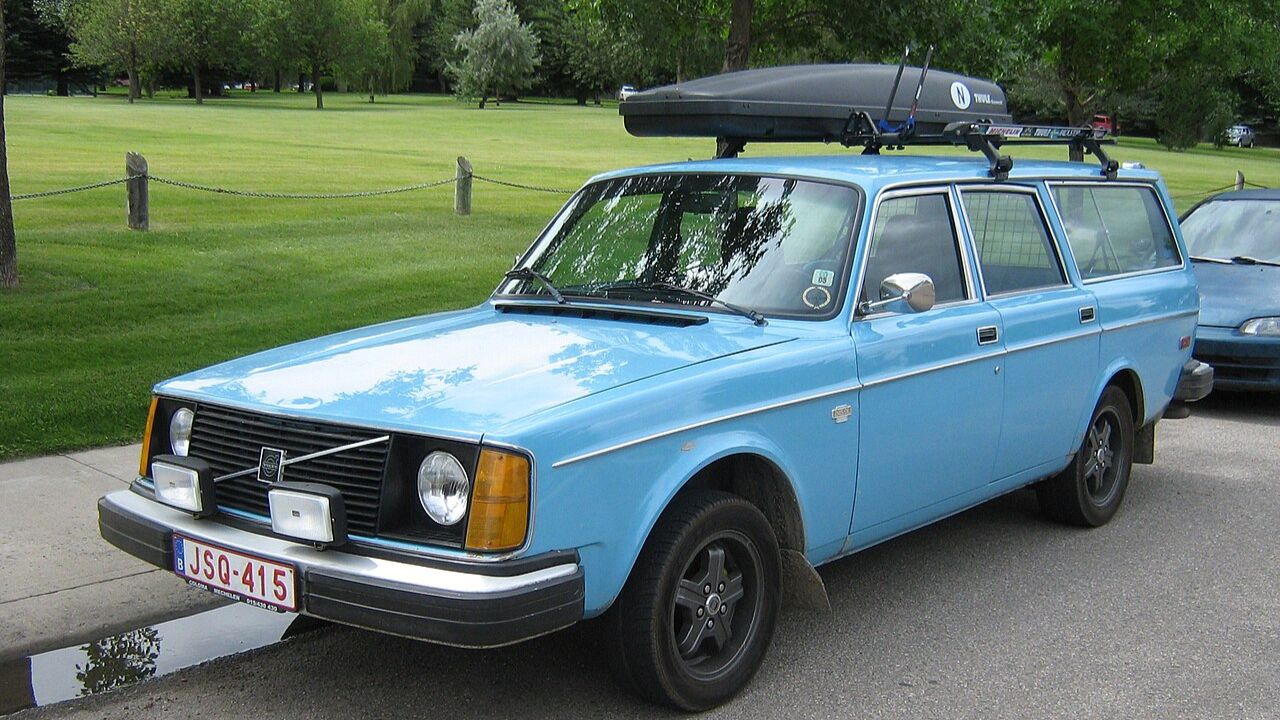
As with many automotive features, roof racks evolved over the years, benefiting from technological advancements that improved their design, functionality, and durability. Early roof racks were typically made of metal and lacked the flexibility of modern designs. However, advancements in materials and engineering have led to lighter, more aerodynamic roof racks capable of carrying greater loads with reduced wind resistance. These improvements have made them more efficient and user-friendly, ensuring their continued relevance in the automotive market.
Despite their utility, shifting consumer preferences eventually led to a decline in the popularity of station wagons. The advent of SUVs, which offered similar benefits with added off-road capabilities, saw many consumers transition away from station wagons. The SUV’s rise coincided with changes in lifestyle and family dynamics, making them the preferred choice for many. Roof racks have adapted to this change, with SUVs now commonly featuring these practical accessories, highlighting their lasting appeal.
Cultural Impact and Nostalgia

The cultural impact of station wagons and their roof racks is undeniable. They hold an iconic status in popular media, often depicted in films and television shows as quintessential family vehicles. The sight of a fully loaded station wagon, roof rack brimming with luggage, evokes a sense of nostalgia for simpler times when road trips were a cherished family tradition. These vehicles are a testament to a bygone era, where the journey was as significant as the destination.
In recent years, there has been a resurgence of interest in vintage station wagons, fueled by a sense of nostalgia and a yearning for the past. Enthusiasts and collectors celebrate these vehicles for their distinctive features, including the classic roof rack. This revival is part of a broader trend that sees individuals seeking out retro items that evoke memories of their childhood. The nostalgia associated with station wagons and their roof racks continues to captivate new generations, ensuring their legacy endures.
Like Fast Lane Only’s content? Be sure to follow us.
Here’s more from us:
*Created with AI assistance and editor review.



Leave a Reply